Utility of 3D Imaging in the Objective Evaluation of Glabellar Lines Following Botulinum Toxin Treatment
Chenhui Yan, Chenyu Huang, Dian Chen, Xiaoming Hu, Jie Ren, Yi Zhao

TL;DR
This study shows that 3D imaging can objectively measure improvements in glabellar lines after botulinum toxin treatment, offering a more accurate alternative to traditional methods.
Contribution
The study introduces laser-based 3D imaging as a novel, objective method for evaluating glabellar line treatment outcomes.
Findings
3D imaging showed high precision with errors ≤2% for area, perimeter, and volume, and ≤0.5 mm for depth.
Significant reductions in wrinkle depth were observed after botulinum toxin treatment.
3D measurements correlated with patient satisfaction and Global Rating of Outcome scores.
Abstract
Background/Objectives: Objective and reproducible evaluation of glabellar lines remains challenging, as current clinical assessments rely largely on subjective rating scales and two-dimensional photography, which lack depth information. This study aimed to assess the clinical utility of a laser-based three-dimensional (3D) imaging approach for objective quantitative evaluation of glabellar lines in adults undergoing botulinum toxin treatment. Methods: A laser-based 3D imaging system was used to quantitatively measure glabellar line morphology. System accuracy for area, perimeter, volume, and depth was evaluated using standardized physical models. In a prospective observational study, 31 adults with moderate-to-severe glabellar lines undergoing routine botulinum toxin treatment were assessed at baseline, day 7, and week 4. Quantitative 3D measurements were compared with clinician- and…
Genes, proteins, chemicals, diseases, species, mutations and cell lines named across the full text — each resolved to its canonical identifier and authoritative record.
Click any figure to enlarge with its caption.
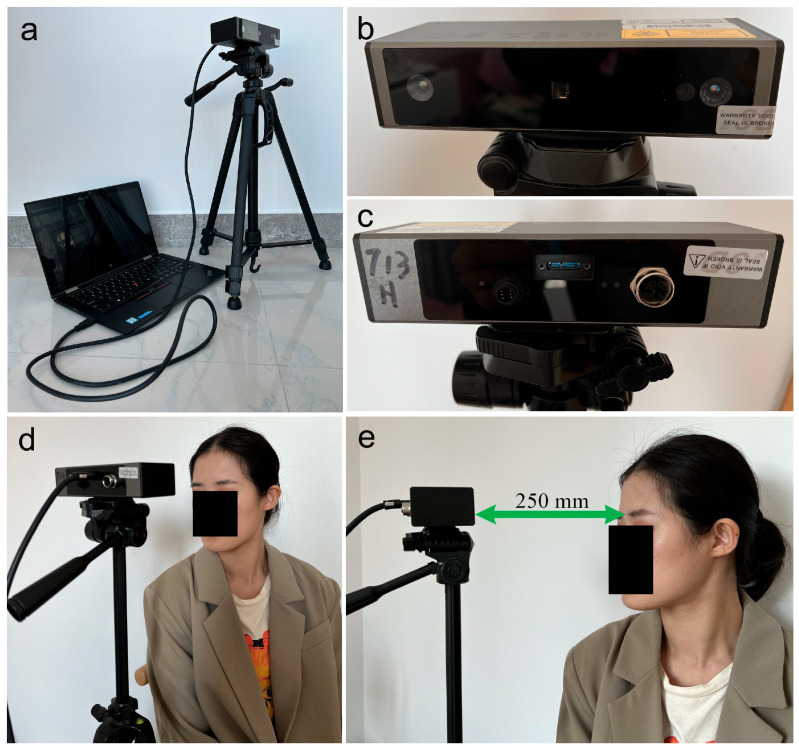 Figure 1
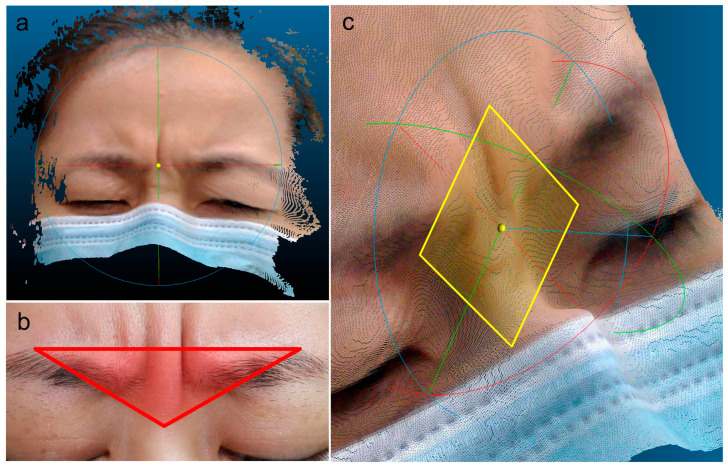 Figure 2
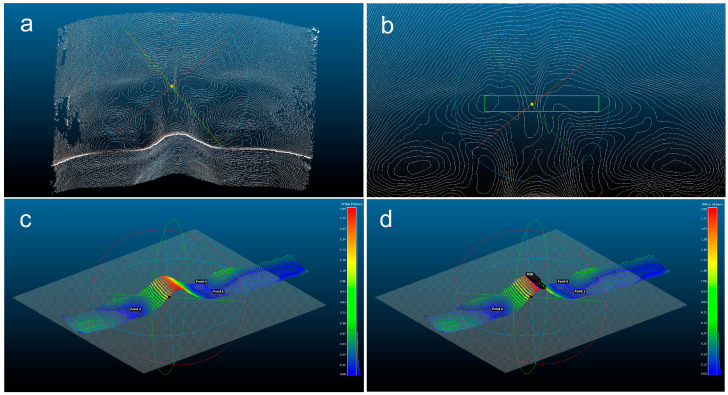 Figure 3
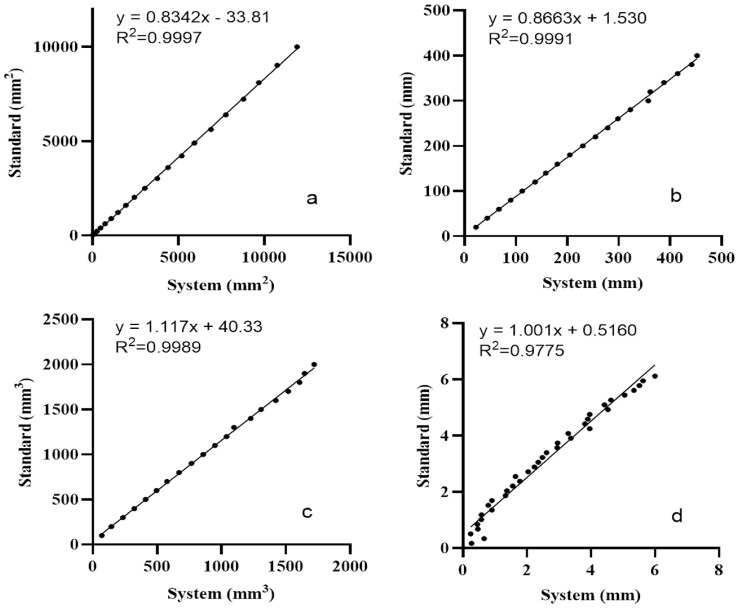 Figure 4
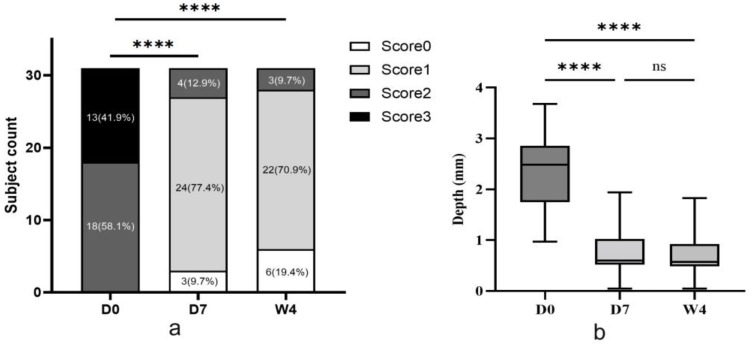 Figure 5
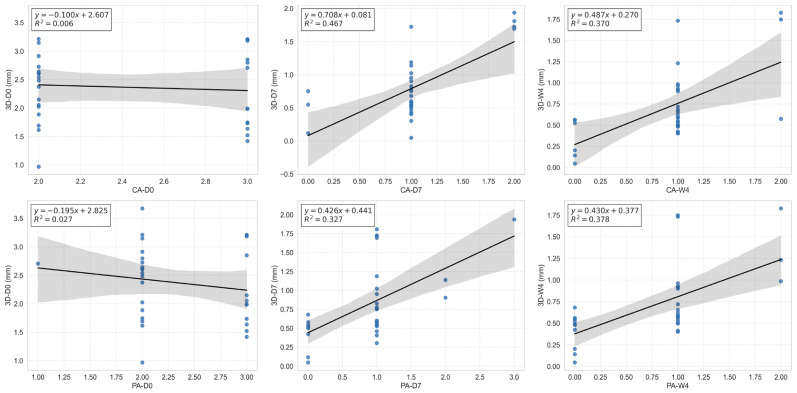 Figure 6
 Figure 7
Peer Reviews
No public reviews on file for this paper yet. If you reviewed it on a platform where reviews are public (OpenReview, ICLR, NeurIPS, ICML), you can paste yours below so the community can read it here.
Videos
No videos yet. Explain this paper in a talk, walkthrough, or lecture? Add one.
Taxonomy
TopicsBotulinum Toxin and Related Neurological Disorders · Dupuytren's Contracture and Treatments · Dermatologic Treatments and Research