Clinical and Genetic Characterization of Isolated Methylmalonic Acidemia in Malaysian Children: Identification of Two Novel MMUT Variants
Mardhiah Masri, Norzahidah Khalid, Noornatisha Salleh, Seok-Hian Lua, Nor Azimah Abdul Azize, Yusnita Yakob, Ernie Zuraida Ali, Vani A/P Munusamy, Lock-Hock Ngu, Jeffrey Soon-Yit Lee, Teck-Hock Toh, Anasufiza Habib

TL;DR
This study identifies two new genetic mutations in Malaysian children with a rare metabolic disorder called isolated methylmalonic acidemia.
Contribution
The discovery of two novel MMUT gene variants expands the genetic understanding of isolated methylmalonic acidemia in Malaysia.
Findings
Seven pathogenic or likely pathogenic variants were identified in iMMA patients, including two novel MMUT variants.
Clinical variability among patients reflects underlying genetic diversity in iMMA cases.
Molecular diagnostics combined with metabolic screening are crucial for accurate diagnosis and management of iMMA.
Abstract
Background/Objectives: Isolated methylmalonic acidemia (iMMA) is a rare autosomal recessive metabolic disorder caused by defects in methylmalonyl-CoA mutase (MCM) activity or in the biosynthesis of its cofactor, adenosylcobalamin. Mutations in five genes—MMUT, MMAA, MMAB, MMADHC, and MCEE—are known to underlie this condition. This study aimed to characterize the clinical features and molecular spectrum of iMMA in Malaysian patients of diverse ethnic backgrounds. Material and Methods: Patients with biochemical evidence suggestive of iMMA, including elevated propionylcarnitine (C3), increased C3/C2 ratio, and raised urine methylmalonic acid levels in the absence of hyperhomocysteinemia, were selected for genetic testing. Sanger sequencing was performed to identify pathogenic variants in the MMUT, MMAA, MMAB, MMADHC, or MCEE genes. Results: The cohort consisted predominantly of Iban…
Genes, proteins, chemicals, diseases, species, mutations and cell lines named across the full text — each resolved to its canonical identifier and authoritative record.
Click any figure to enlarge with its caption.
 Figure 1
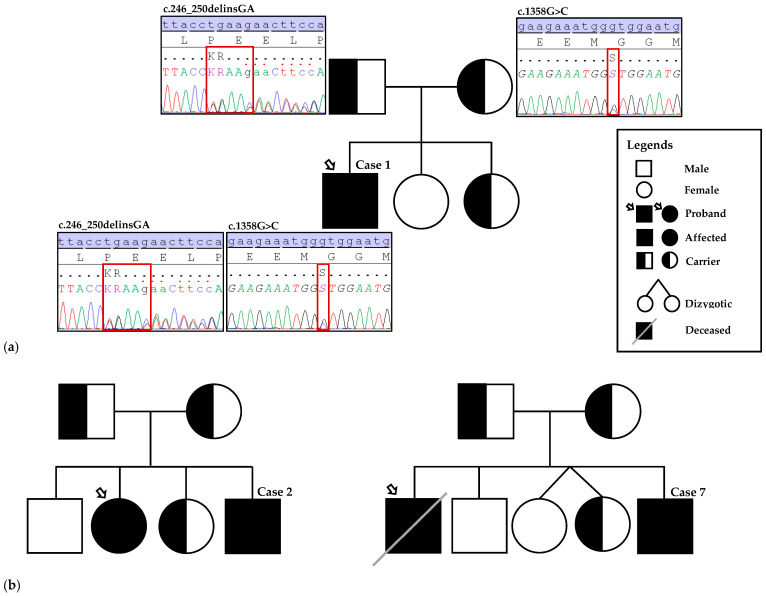 Figure 2
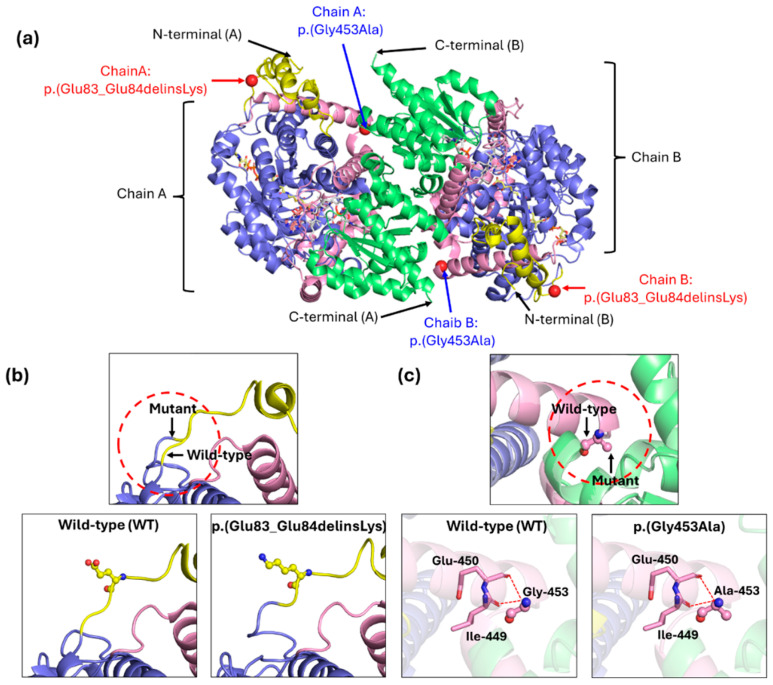 Figure 3
Peer Reviews
No public reviews on file for this paper yet. If you reviewed it on a platform where reviews are public (OpenReview, ICLR, NeurIPS, ICML), you can paste yours below so the community can read it here.
Videos
No videos yet. Explain this paper in a talk, walkthrough, or lecture? Add one.
Taxonomy
TopicsMetabolism and Genetic Disorders · Folate and B Vitamins Research · Genomics and Rare Diseases