Olfactory Cues in the Odour Plume of Predatory Fish Reduce Foraging and Elicit Anti-Predator Behaviour in the European Green Crab Carcinus maenas
Jonathan W. Burnett, Hannah Ohnstad, Amber M. Jones, Jörg D. Hardege, Helga D. Bartels-Hardege

TL;DR
European green crabs avoid predator odors even without direct threat, suggesting smell could be used to deter them in aquaculture.
Contribution
Demonstrates that green crabs become hypersensitive to predator odors over time, leading to reduced foraging and anti-predator behaviors.
Findings
Exposure to predatory fish odors reduced crab foraging by 45%.
Continuous exposure increased sensitivity, causing a 68% overall reduction in feeding behavior.
Predator odor elicits anti-predator behaviors like hiding and escaping in green crabs.
Abstract
The interaction between a predator and its prey is a race for survival, characterised by both sides employing specific tactics to increase their chances. Amongst the key mechanisms enabling prey and predator to detect each other is the sense of smell. Odour cues often alert either side to the presence of the other, and prey typically employ ways to hide or mask their presence, as famously observed in deer, where fawn have no scent at all. Detecting a predator by its smell should initiate hiding or flight responses in marine animals such as the European green crab, Carcinus maenas. However, the question remains whether animals living permanently in the odour plume of a predator can still detect this or whether they adapt to the smell when no physical harm occurs. This type of acclimation or learning would benefit ambush hunters such as predatory fish as prey would become desensitised.…
Genes, proteins, chemicals, diseases, species, mutations and cell lines named across the full text — each resolved to its canonical identifier and authoritative record.
Click any figure to enlarge with its caption.
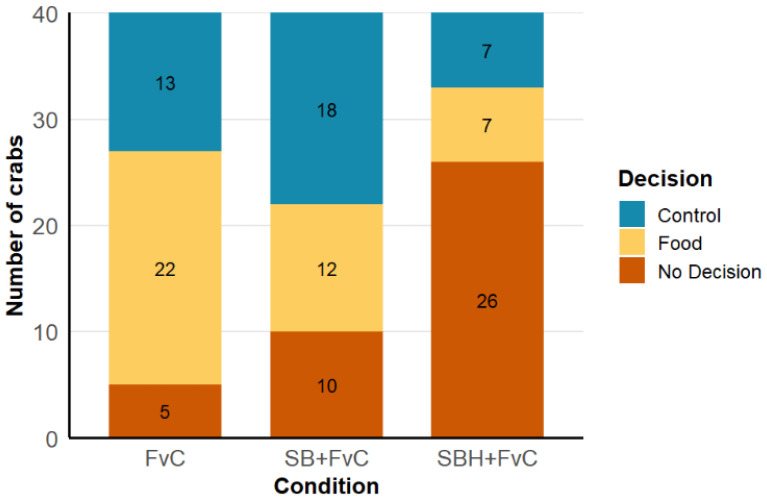 Figure 1
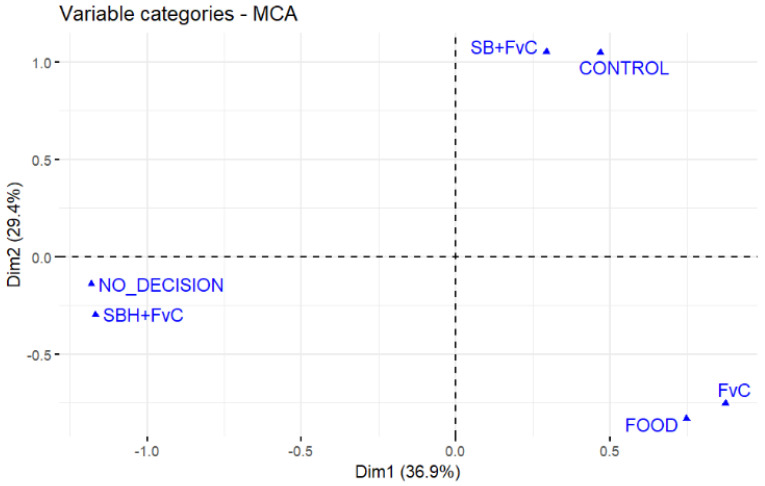 Figure 2
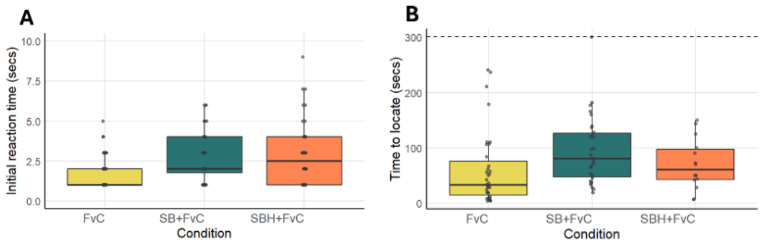 Figure 3
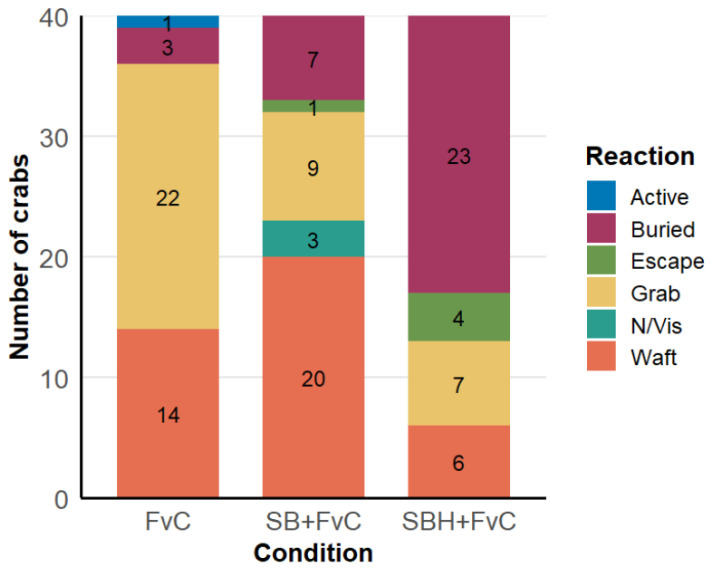 Figure 4
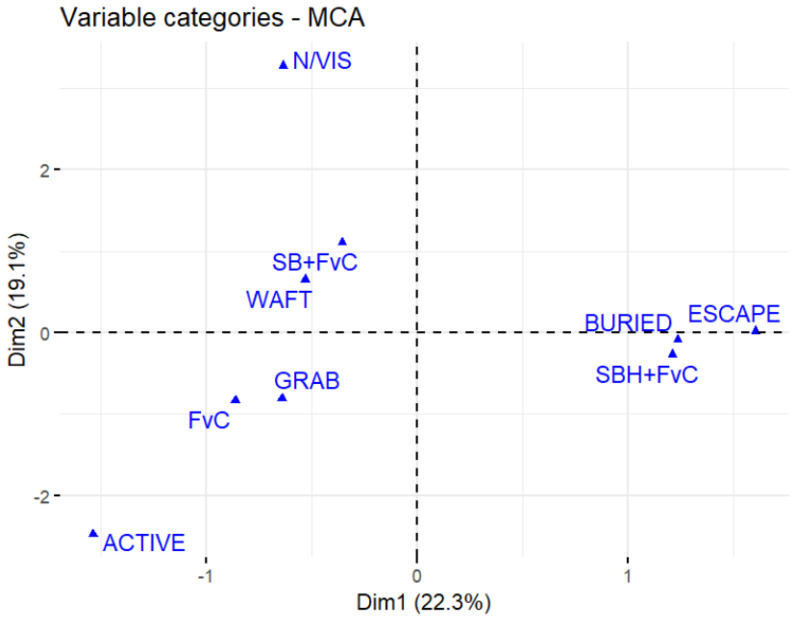 Figure 5
Peer Reviews
No public reviews on file for this paper yet. If you reviewed it on a platform where reviews are public (OpenReview, ICLR, NeurIPS, ICML), you can paste yours below so the community can read it here.
Videos
No videos yet. Explain this paper in a talk, walkthrough, or lecture? Add one.
Taxonomy
TopicsCrustacean biology and ecology · Insect-Plant Interactions and Control · Marine Ecology and Invasive Species