Glaucoma Classification Using a NFNet-Based Deep Learning Model with a Customized Hybrid Attention Mechanism
Sandeep Angara, Loc Tran, Jongwoo Kim

TL;DR
This paper introduces a deep learning model with a custom attention mechanism for accurately detecting glaucoma from eye images.
Contribution
A novel hybrid attention mechanism combined with normalization-free ResNet architectures for improved glaucoma classification.
Findings
The model achieved 0.9394 accuracy on the LAG dataset, outperforming state-of-the-art ResNet variants.
On the combined dataset, the model showed 0.9193 accuracy, 0.9182 sensitivity, and 0.9202 specificity.
The hybrid attention mechanism significantly enhanced performance across multiple glaucoma datasets.
Abstract
Background/Objectives: Glaucoma is a leading cause of irreversible blindness worldwide, making accurate and efficient detection methods essential. One primary concern with glaucoma is that it often presents no early symptoms. Vision loss typically begins at the periphery and progresses unnoticed until it significantly affects central vision. Due to this gradual and usually silent progression, early detection through regular eye exams is vital for preventing permanent vision loss. Methods: In this study, we propose a hybrid attention mechanism that recalibrates feature maps from the feature extractor for glaucoma detection. We explored normalization-free ResNet (NF-ResNet) architectures to evaluate the proposed attention mechanism, specifically NF-ResNet-26, NF-ResNet-50, and NF-ResNet-101, in comparison to baseline state-of-the-art ResNet variants. Our approach was evaluated on three…
Genes, proteins, chemicals, diseases, species, mutations and cell lines named across the full text — each resolved to its canonical identifier and authoritative record.
Click any figure to enlarge with its caption.
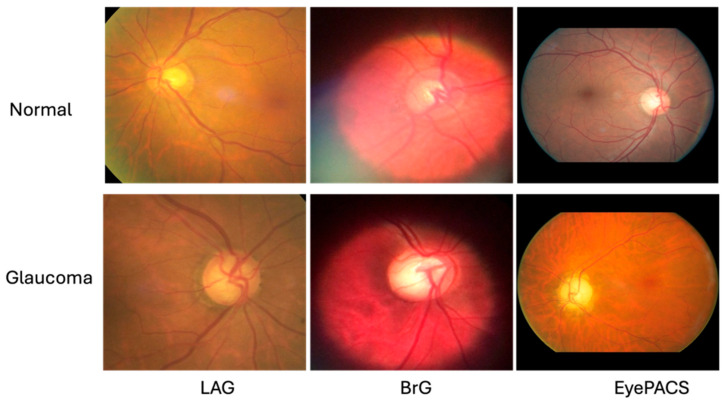 Figure 1
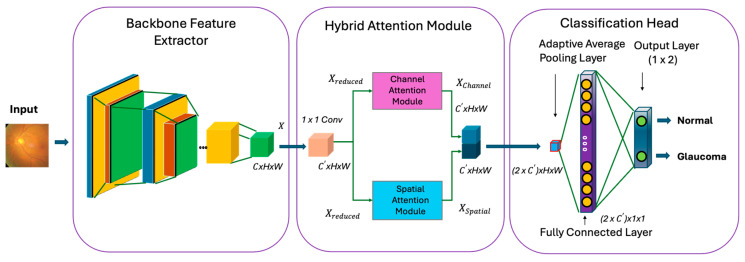 Figure 2
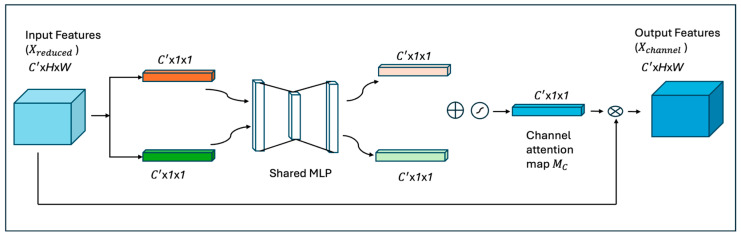 Figure 3
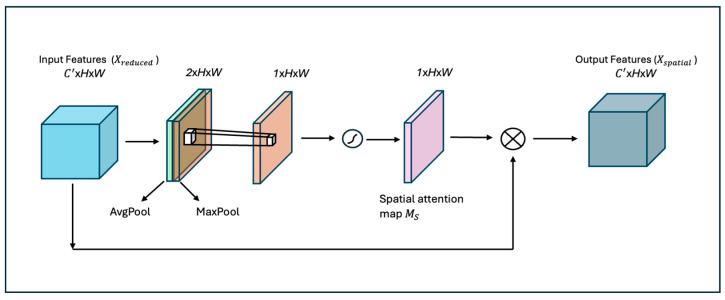 Figure 4
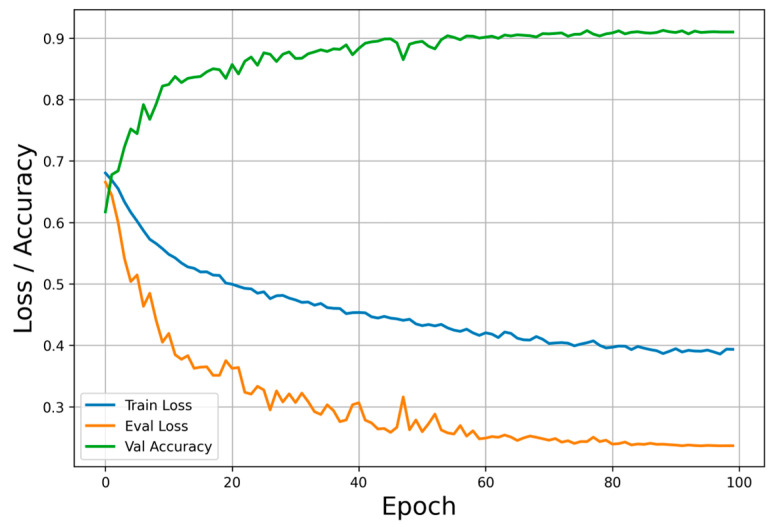 Figure 5
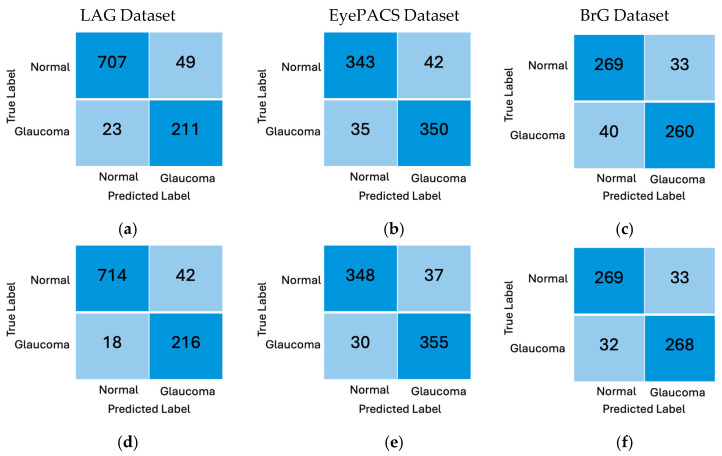 Figure 6
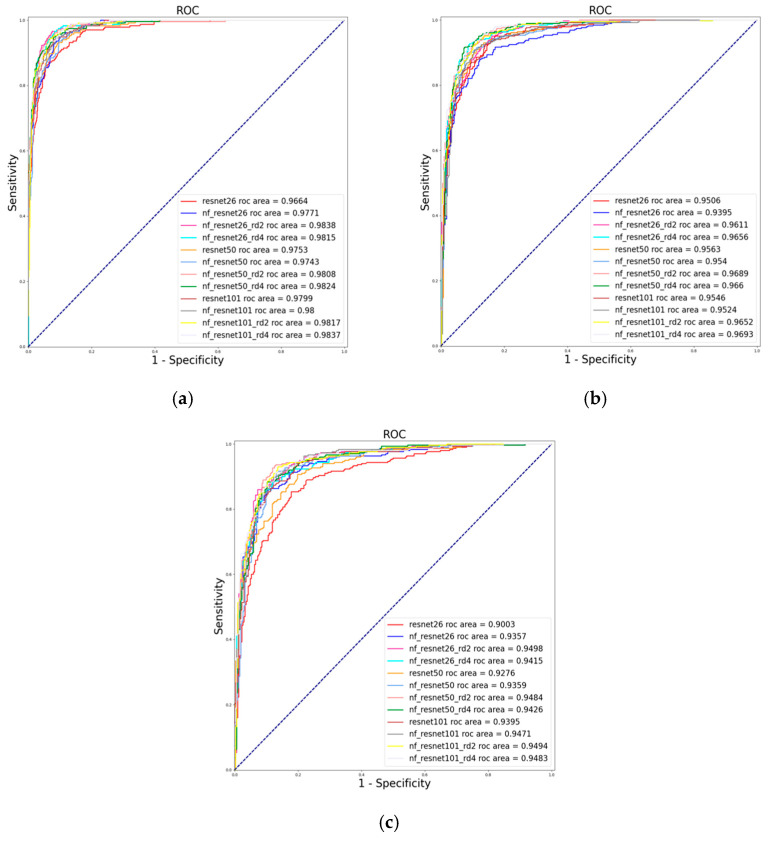 Figure 7
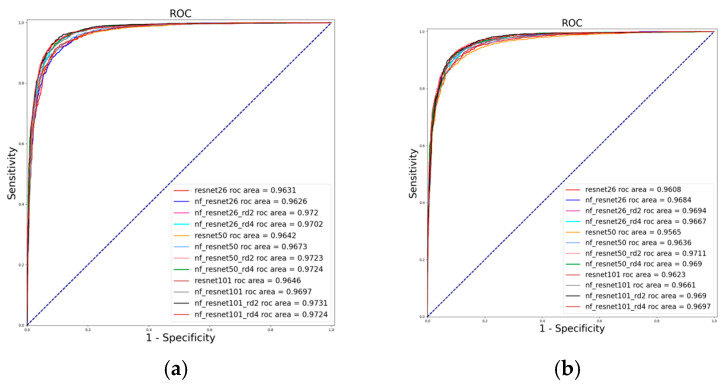 Figure 8
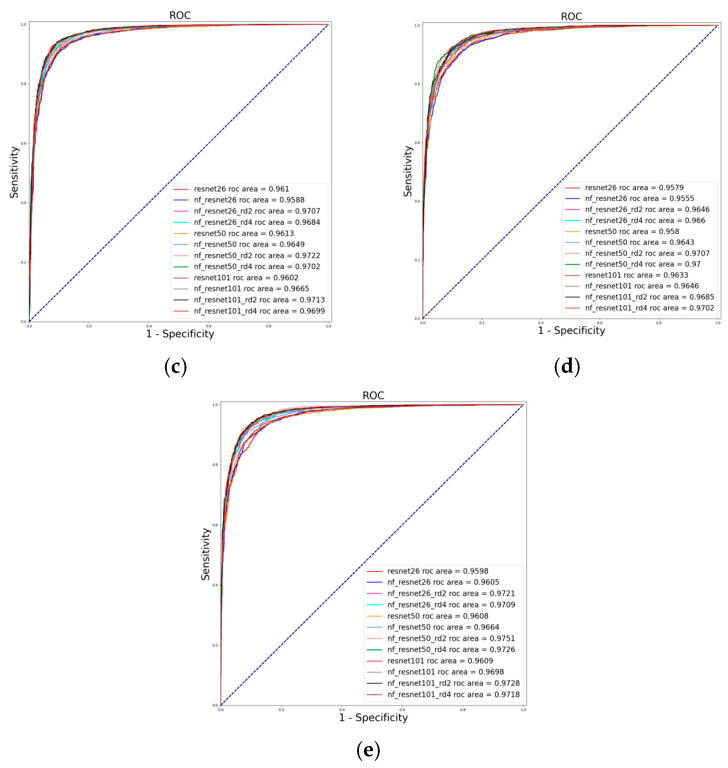 Figure 9
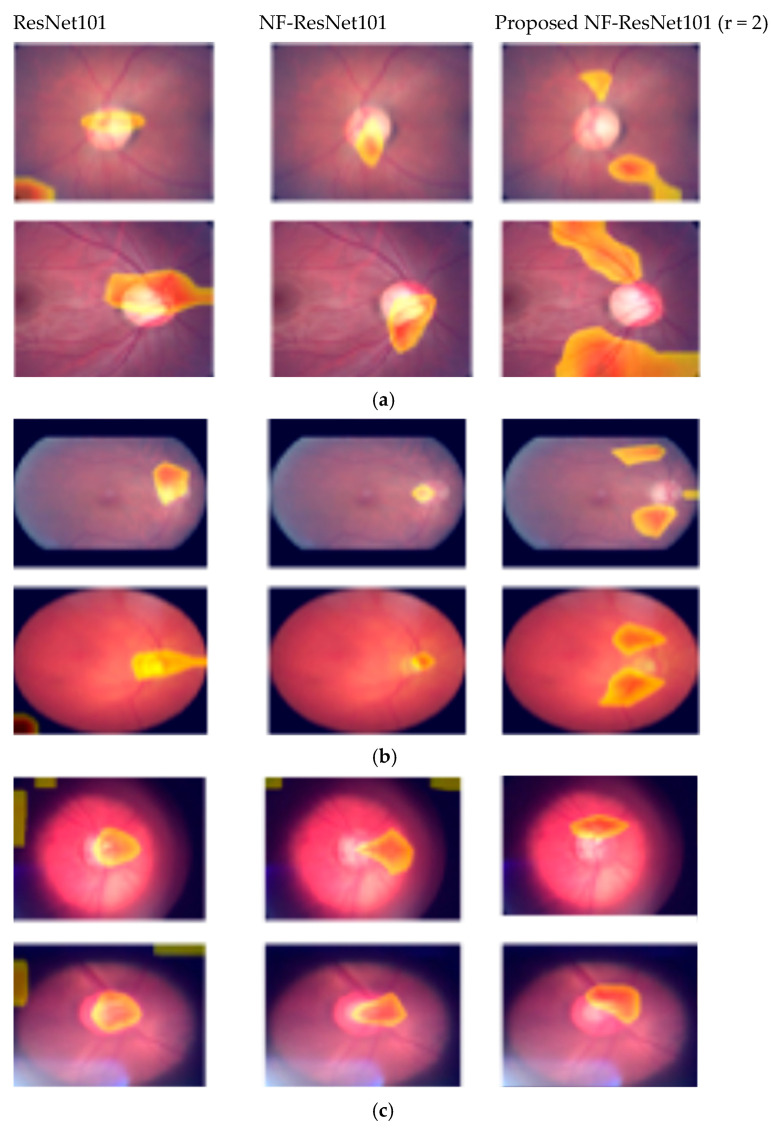 Figure 10
Peer Reviews
No public reviews on file for this paper yet. If you reviewed it on a platform where reviews are public (OpenReview, ICLR, NeurIPS, ICML), you can paste yours below so the community can read it here.
Videos
No videos yet. Explain this paper in a talk, walkthrough, or lecture? Add one.
Taxonomy
TopicsRetinal Imaging and Analysis · Gaze Tracking and Assistive Technology · Retinopathy of Prematurity Studies