A Novel Approach Using Microarray Testing as a Screening Method with Clinical Validation Using Whole-Genome Sequencing and Karyotyping for Identifying 46,XX Testicular Differences of Sex Development
Takeshi Ozeki, Yuka Nakano, Ayumu Ishigaki, Yoichi Kawashima, Charles W. Crawford, David D. Ordinario, Iri Sato-Baran, Toshihiko Higashida

TL;DR
A man with a typical male appearance was found to have a rare genetic condition through consumer genetic testing, leading to a diagnosis of 46,XX testicular differences of sex development.
Contribution
This is the first reported case of 46,XX testicular DSD diagnosed via direct-to-consumer microarray testing followed by clinical validation.
Findings
Microarray testing revealed missing Y chromosome haplogroup data in a male-phenotype individual.
Whole-genome sequencing and karyotyping confirmed the presence of Y-derived genomic material in a 46,XX karyotype.
The case highlights the potential of DTC genetic testing to identify rare chromosomal disorders.
Abstract
Background: Microarray testing is commonly used as a screening method for phenotypic traits and common diseases and for genome-wide association studies (GWASs). Despite the known limitations, microarray services can potentially be used as a prescreening tool for chromosomal disorders, which affect approximately 0.4–0.6% of the world population, followed by further clinical diagnostic methods when appropriate. Case Presentation: Here we present a case study of a male subject in his 40s who underwent direct-to-consumer (DTC) genetic testing that utilized microarray, which revealed the absence of Y chromosome haplogroup data despite possessing a typical male phenotype. Subsequent medical consultation, whole-genome sequencing (WGS), and chromosomal analysis confirmed a diagnosis of 46,XX testicular differences of sex development (DSD, formerly XX male syndrome) characterized by the presence…
Genes, proteins, chemicals, diseases, species, mutations and cell lines named across the full text — each resolved to its canonical identifier and authoritative record.
Click any figure to enlarge with its caption.
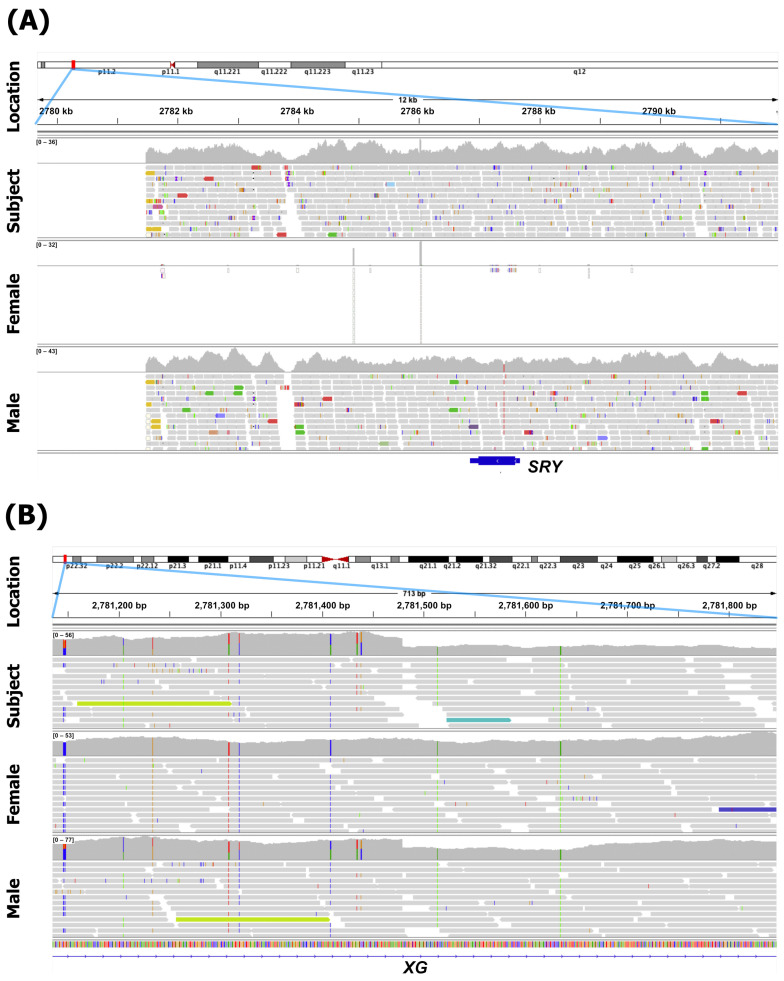 Figure 1
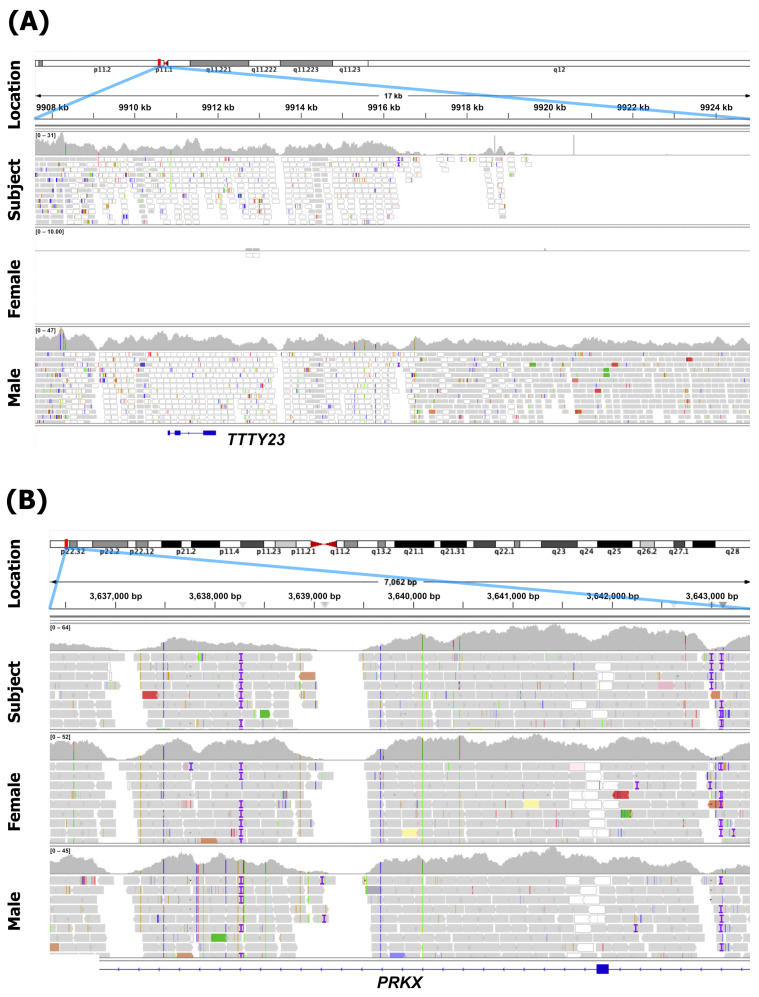 Figure 2
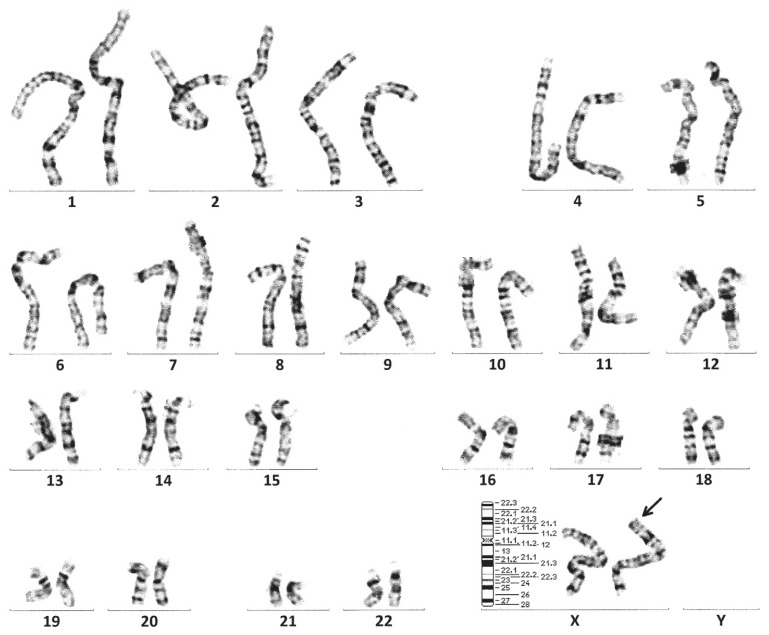 Figure 3
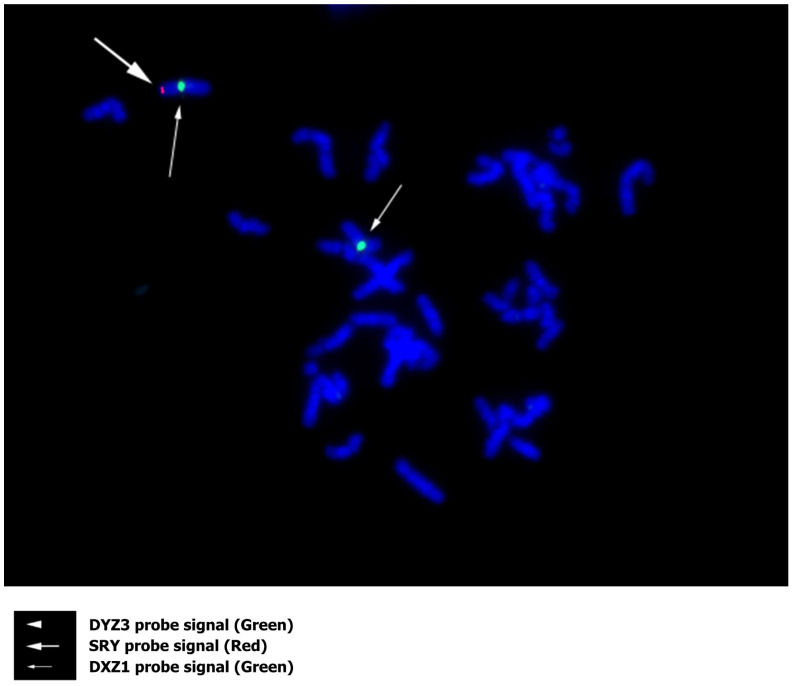 Figure 4
Peer Reviews
No public reviews on file for this paper yet. If you reviewed it on a platform where reviews are public (OpenReview, ICLR, NeurIPS, ICML), you can paste yours below so the community can read it here.
Videos
No videos yet. Explain this paper in a talk, walkthrough, or lecture? Add one.
Taxonomy
TopicsGenetic and Clinical Aspects of Sex Determination and Chromosomal Abnormalities · Sexual Differentiation and Disorders · Genomic variations and chromosomal abnormalities