Motor Neuron Disease with Guillain-Barré Syndrome? Motor Band Sign with Anti-GQ1b Antibodies
Koji Hayashi, Asuka Suzuki, Mamiko Sato, Yuka Nakaya, Taibo Uchida, Tomohisa Yamaguchi, Toyoaki Miura, Hiromi Hayashi, Kouji Hayashi, Yasutaka Kobayashi

TL;DR
This case study describes a patient with overlapping symptoms of motor neuron disease and Guillain-Barré syndrome, highlighting the diagnostic challenges and potential immune involvement.
Contribution
The case presents a rare clinicopathological overlap between motor neuron disease and anti-GQ1b antibody-associated neuropathy.
Findings
The patient exhibited features of both motor neuron disease and Guillain-Barré syndrome, including motor band signs and anti-GQ1b antibodies.
Immunotherapy led to mild improvement, suggesting a possible reversible immune component.
The case raises questions about whether anti-GQ1b antibodies indicate true overlap or a secondary phenomenon.
Abstract
A 79-year-old former marathoner, with memory impairment since age 78, developed increasing stumbling and progressively worsening waddling gait. Three months after gait disturbance onset, she noted mild dysphagia. With declining walking distance and endurance, she presented to our hospital six months after onset, exhibiting frontal signs, Parkinsonism with marked trunk rigidity, and hyperreflexia of the jaw and limbs. L-dopa challenge tests showed no improvement. At seven months post-onset, she had difficulty rising. By nine months, she relied on a walker, and speech disturbance appeared. At 10–11 months, both dysarthria and dysphagia rapidly worsened, she became bed-ridden, and upper limb weakness developed (though she could still use chopsticks). Neurological examination at one year revealed severe dysarthria/dysphagia, four extremity fasciculations and muscle weakness (grade 2 in…
Genes, proteins, chemicals, diseases, species, mutations and cell lines named across the full text — each resolved to its canonical identifier and authoritative record.
Click any figure to enlarge with its caption.
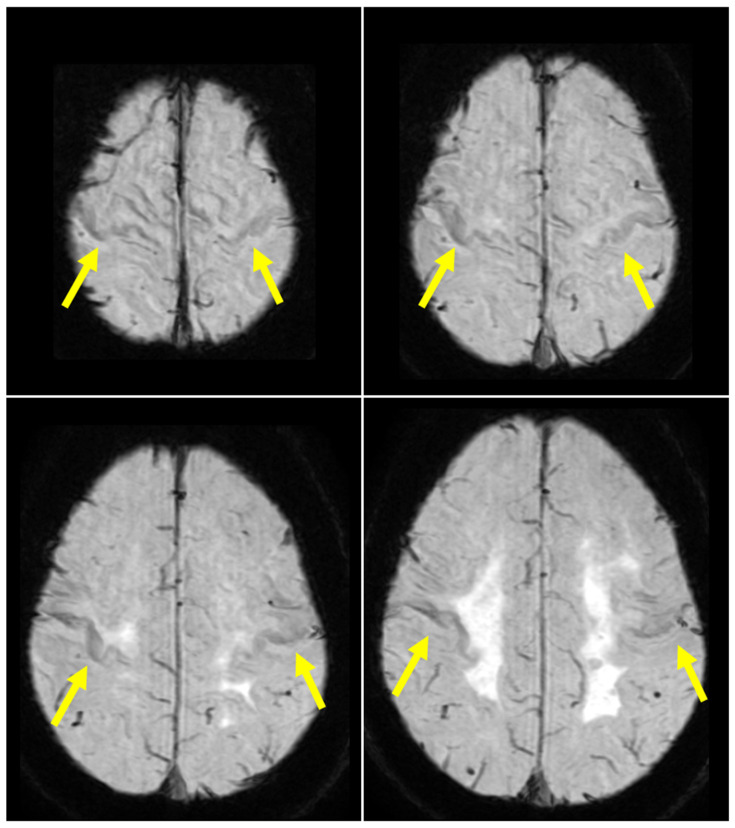 Figure 1
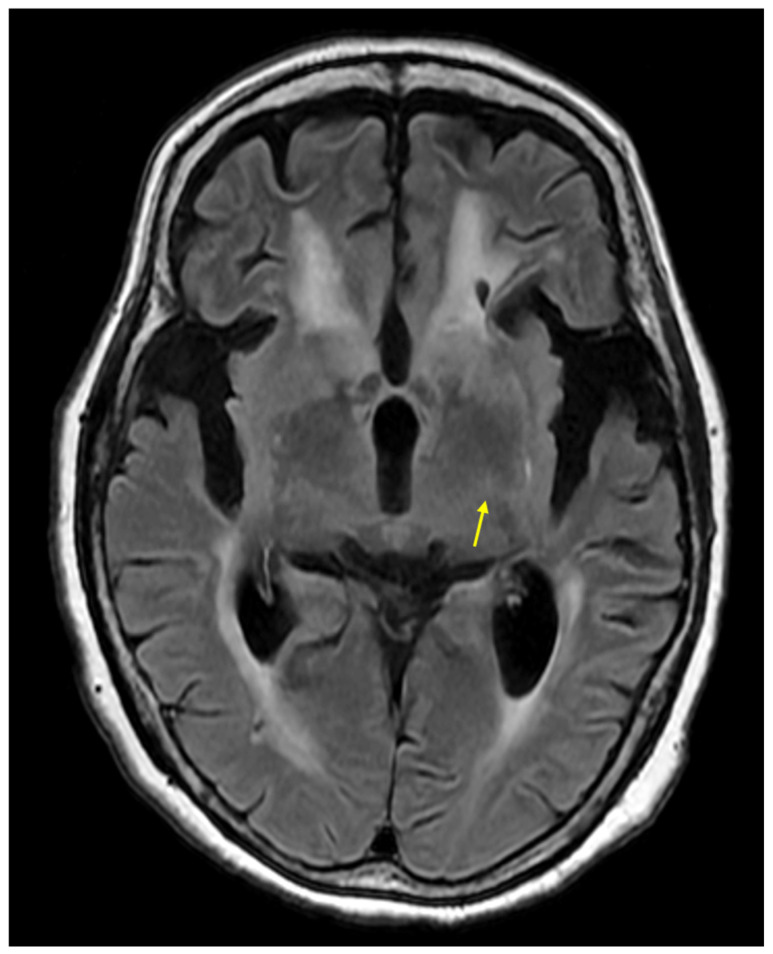 Figure 2
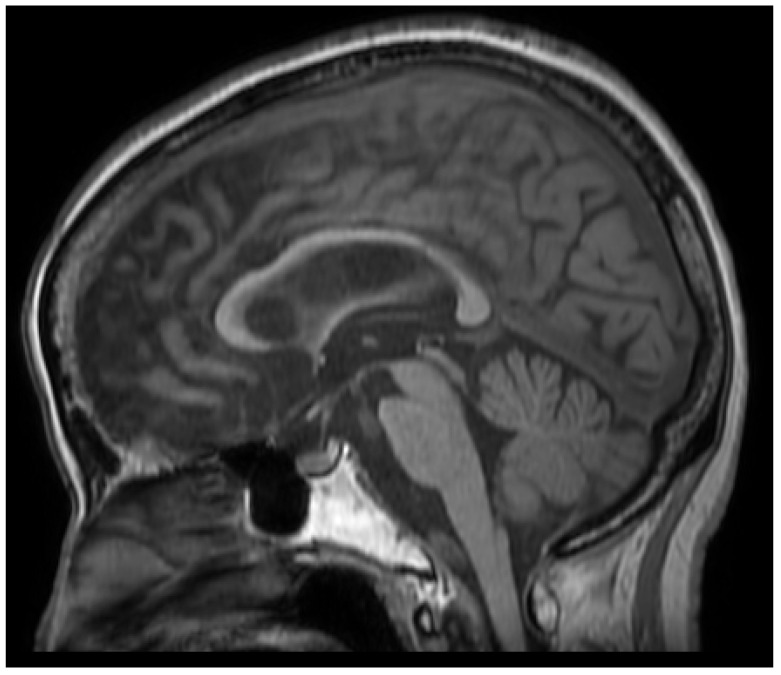 Figure 3
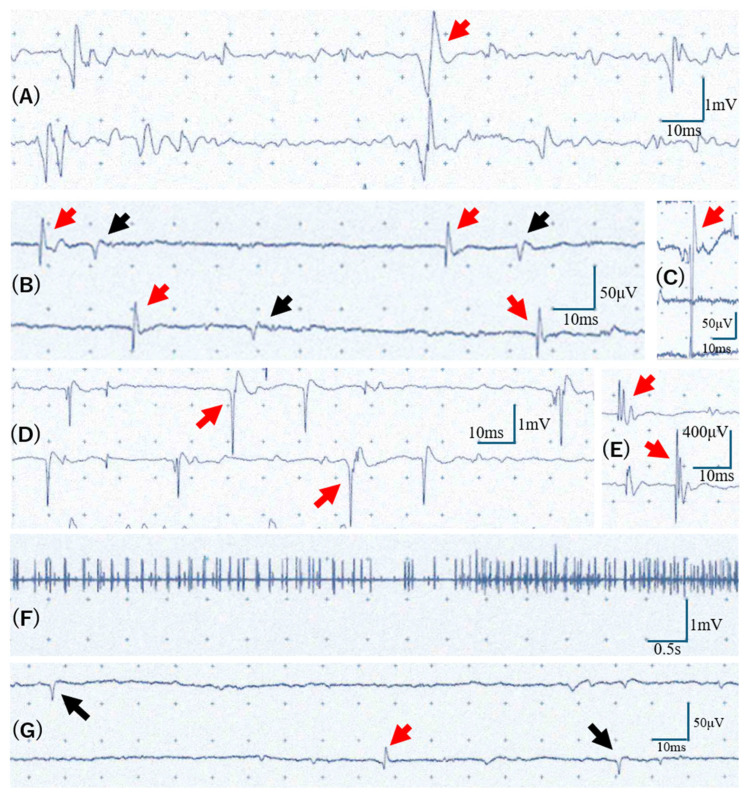 Figure 4
Peer Reviews
No public reviews on file for this paper yet. If you reviewed it on a platform where reviews are public (OpenReview, ICLR, NeurIPS, ICML), you can paste yours below so the community can read it here.
Videos
No videos yet. Explain this paper in a talk, walkthrough, or lecture? Add one.
Taxonomy
TopicsPeripheral Neuropathies and Disorders · Autoimmune Neurological Disorders and Treatments · Hereditary Neurological Disorders