Comparative Codon Usage Bias of CD2AP and BACH2 Across 49 Vertebrates: Implications for Porcine Macrophage Immunity in Mycoplasma hyopneumoniae Infection
Wenxi Li, Peihuan Wang, Jiaxin Liu, Xiaoshu Xue, Shuhao Fan, Yueyun Ding, Xiaodong Zhang, Zongjun Yin, Xianrui Zheng

TL;DR
This study compares how two immune genes, CD2AP and BACH2, use genetic code in 49 vertebrates, revealing patterns that may affect protein production in pig macrophages during infection.
Contribution
The study reveals distinct codon usage preferences for CD2AP and BACH2 across vertebrates, offering a comparative baseline for immune gene research in pigs.
Findings
CD2AP prefers A/T-ending codons, while BACH2 prefers G/C-ending codons across species.
Both genes show similar levels of codon usage bias despite opposite preferences.
Compositional background and selective constraints influence codon usage patterns in these immune genes.
Abstract
Respiratory disease caused by Mycoplasma hyopneumoniae reduces pig welfare and farm productivity. Lung immune cells called alveolar macrophages help control this infection, and their response depends in part on how efficiently key immune genes are made into proteins. The genetic code uses three-letter “words” to build proteins, and different animals can prefer different words even when they produce the same protein building block. In this study, we compared these preferences for two immune-related genes, CD2-associated protein and BTB and CNC homology 2, across 49 vertebrate species. CD2-associated protein tended to use genetic words ending in adenine or thymine, whereas BTB and CNC homology 2 more often used words ending in guanine or cytosine. Although the two genes showed opposite preferences, both displayed a similar overall level of preference across species. These results show…
Genes, proteins, chemicals, diseases, species, mutations and cell lines named across the full text — each resolved to its canonical identifier and authoritative record.
Click any figure to enlarge with its caption.
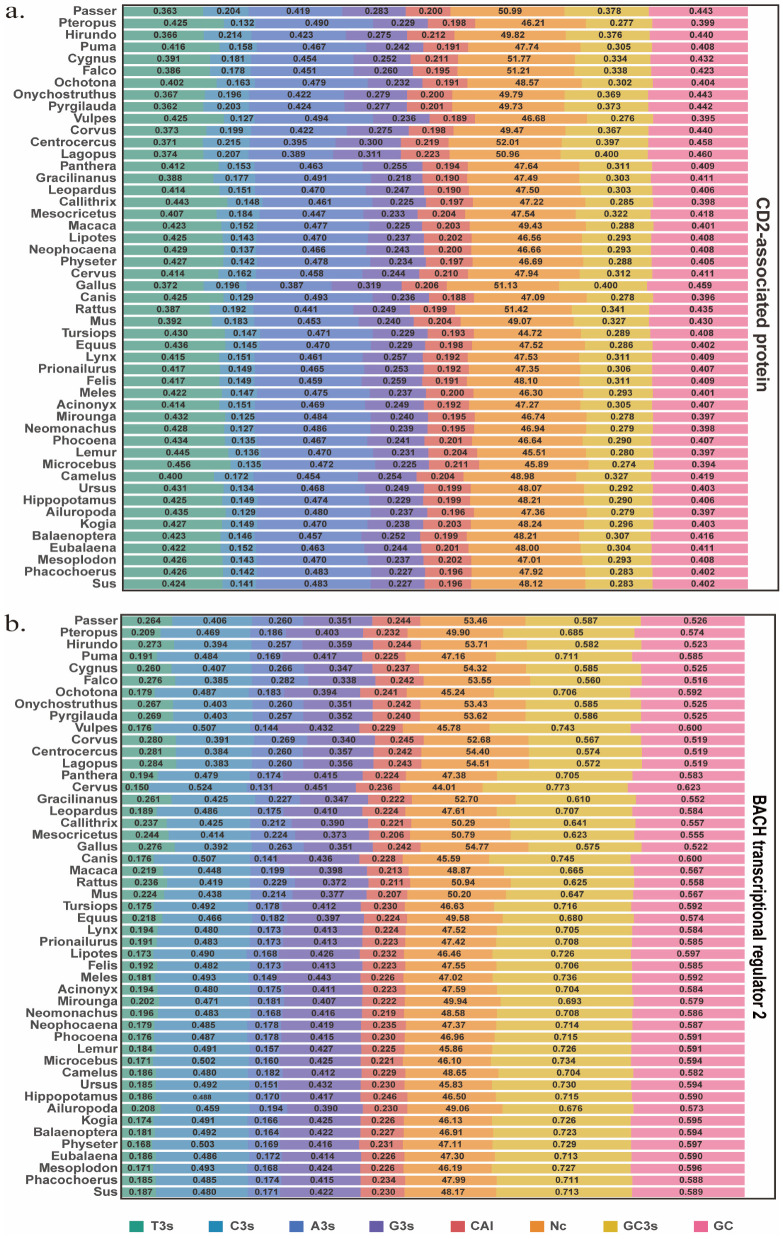 Figure 1
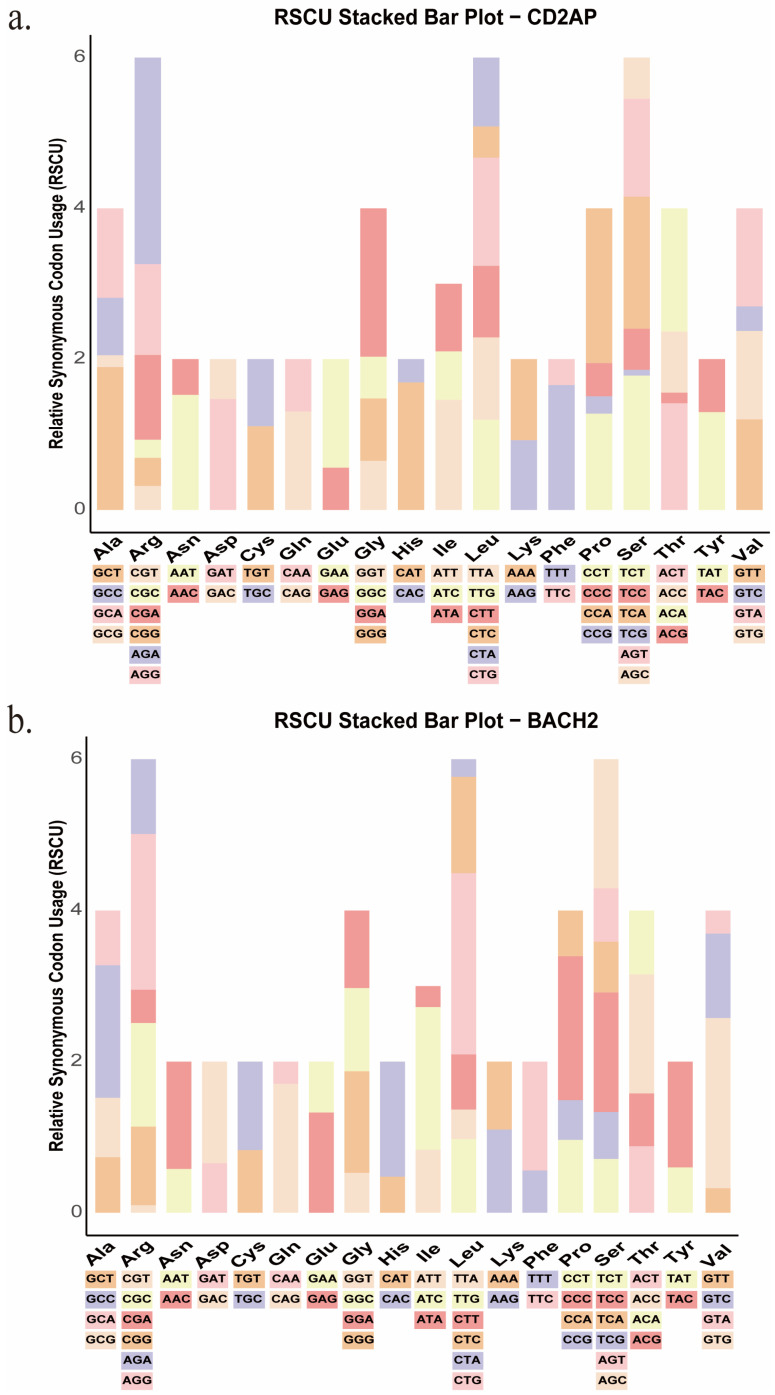 Figure 2
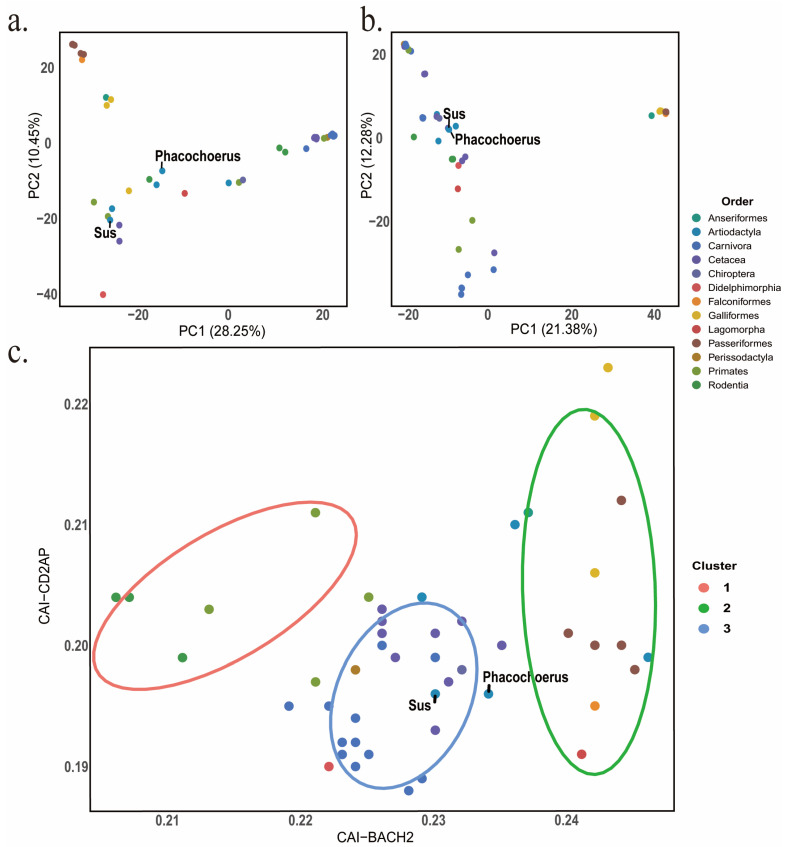 Figure 3
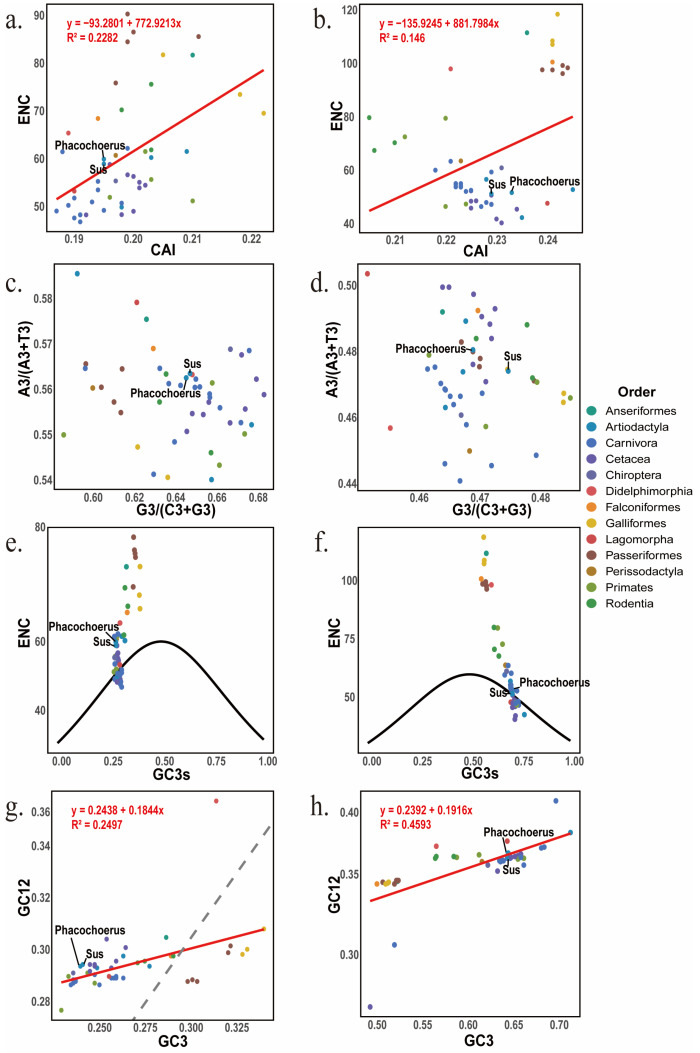 Figure 4
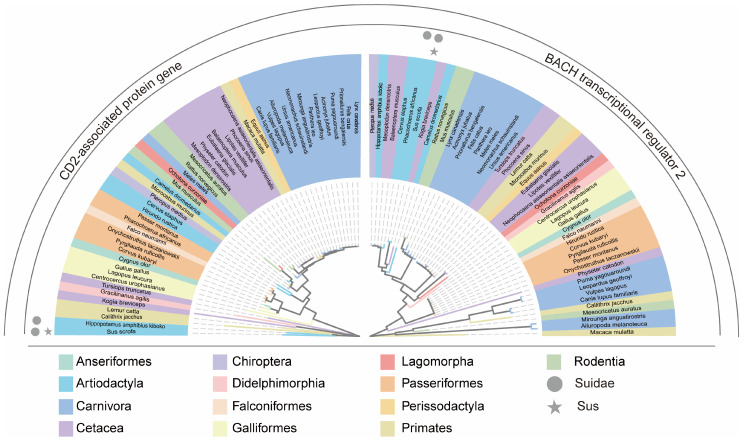 Figure 5
Peer Reviews
No public reviews on file for this paper yet. If you reviewed it on a platform where reviews are public (OpenReview, ICLR, NeurIPS, ICML), you can paste yours below so the community can read it here.
Videos
No videos yet. Explain this paper in a talk, walkthrough, or lecture? Add one.
Taxonomy
TopicsRNA and protein synthesis mechanisms · Antimicrobial Peptides and Activities · interferon and immune responses