Veterinary Forensic Pathology in the Investigation of Animal Cruelty: Post-Mortem Insights, Forensic Tools, Case Studies, and Legal Perspectives
Julia Francesca Gilbert, Julia Eylül Aysu, István Tóth, Anna Szilasi, Míra Mándoki

TL;DR
This paper explains how veterinary forensic pathology helps investigate animal cruelty by using post-mortem exams and forensic tools to uncover abuse and support legal cases.
Contribution
The paper emphasizes the integration of forensic science and veterinary medicine to advance animal welfare and legal justice.
Findings
Forensic tools like imaging and blood pattern analysis help determine the cause and timing of animal injuries.
Case studies show how veterinary pathology provides critical evidence in legal investigations of animal cruelty.
Standardized training and legal recognition are needed to strengthen the field of veterinary forensic pathology.
Abstract
Animal cruelty is a widespread and often hidden problem that affects countless animals worldwide. This article explores how veterinary forensic pathology, a specialized field that applies medical science to legal investigations, can help uncover the truth behind suspicious injuries and an animal’s death. Through post-mortem examinations, veterinary experts can determine whether an animal suffered abuse, how and when it died, and whether the injuries were inflicted before or after death. The article also highlights the use of advanced tools such as imaging technologies, blood pattern analysis, and insect activity to support these investigations. Through real-life case examples, it demonstrates how forensic findings have been used to expose neglect, violence, and other forms of cruelty. In addition, the article discusses prospective advancements in the field, prioritizing the…
Genes, proteins, chemicals, diseases, species, mutations and cell lines named across the full text — each resolved to its canonical identifier and authoritative record.
Click any figure to enlarge with its caption.
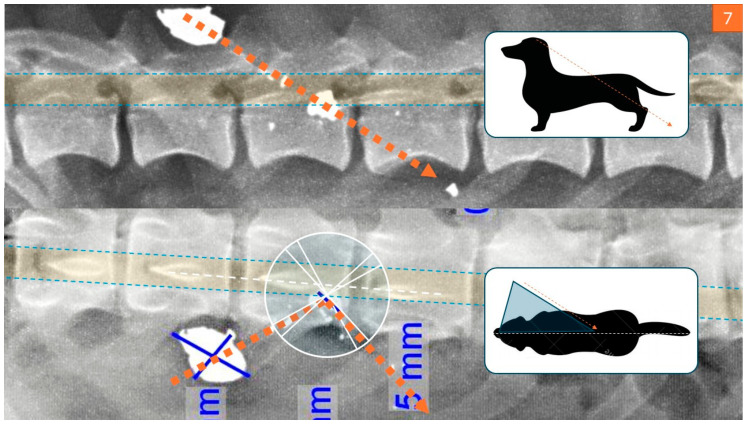 Figure 1
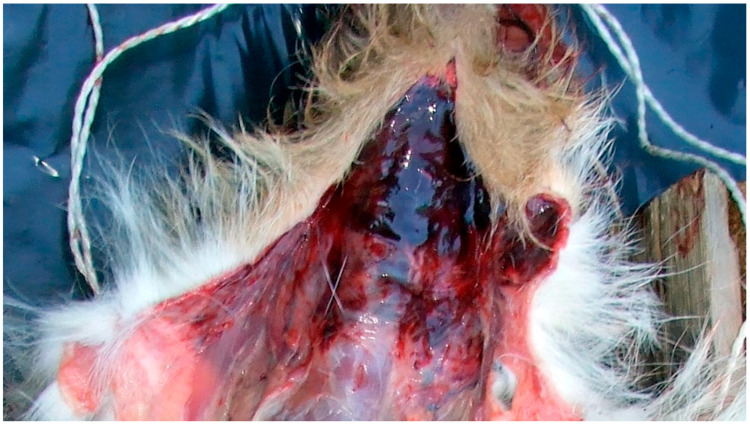 Figure 2
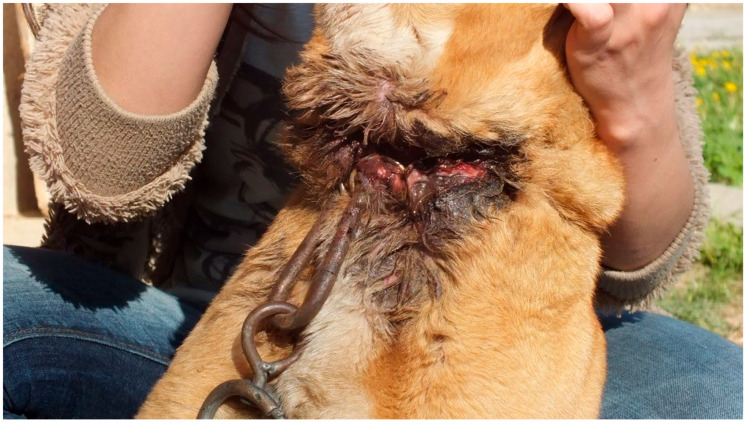 Figure 3
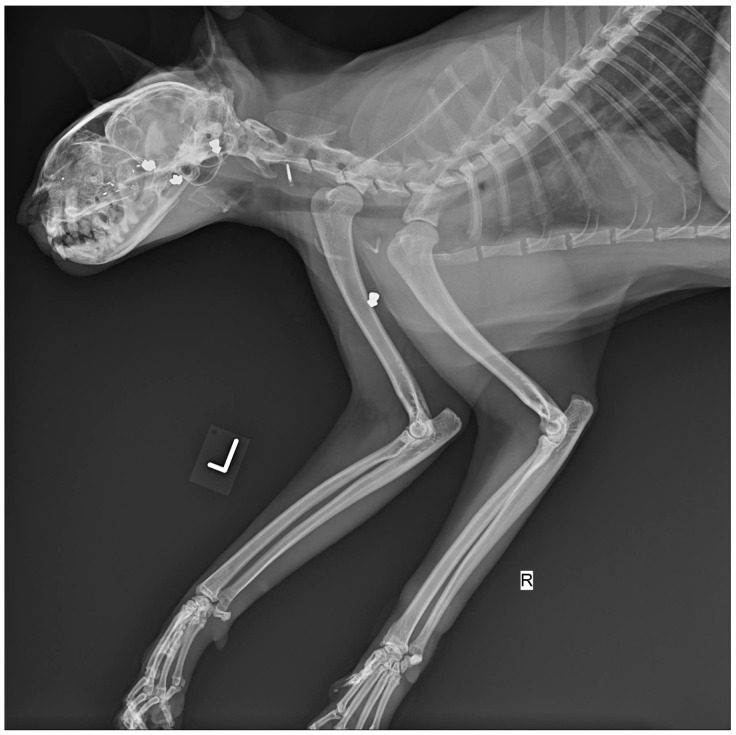 Figure 4
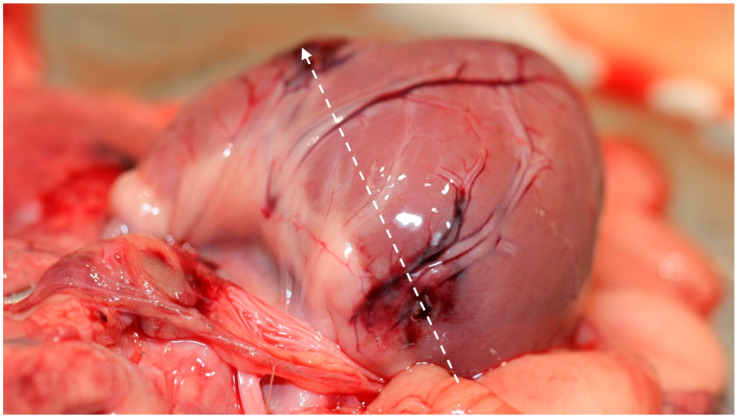 Figure 5
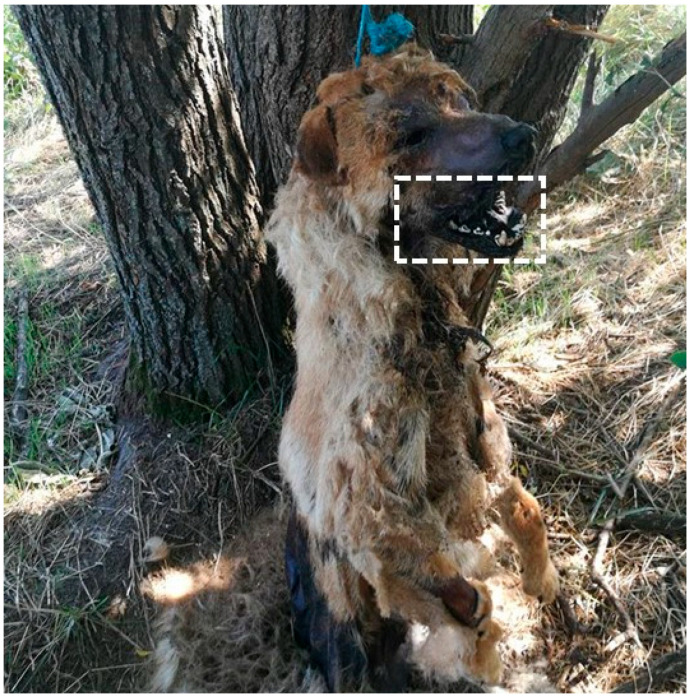 Figure 6
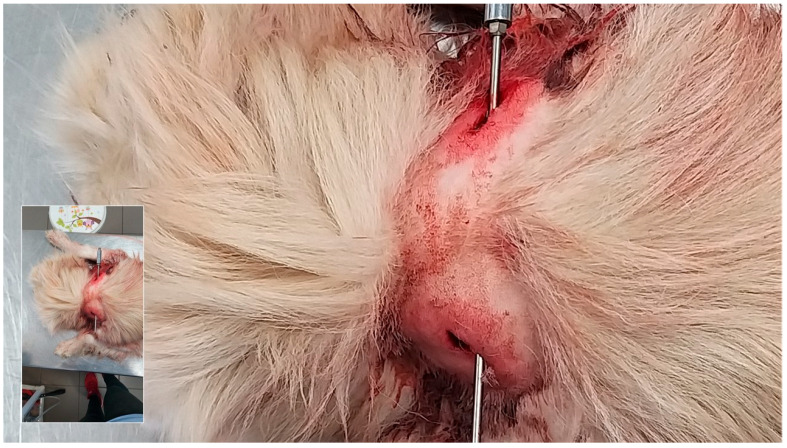 Figure 7
Peer Reviews
No public reviews on file for this paper yet. If you reviewed it on a platform where reviews are public (OpenReview, ICLR, NeurIPS, ICML), you can paste yours below so the community can read it here.
Videos
No videos yet. Explain this paper in a talk, walkthrough, or lecture? Add one.
Taxonomy
TopicsForensic Entomology and Diptera Studies · Human-Animal Interaction Studies · Autopsy Techniques and Outcomes