Interplay between ligand field strength and the nephelauxetic effect in chromium(iii) complexes with anionic amido ligands
P. Yaltseva, B. Wittwer, D. Leitner, F. R. Neururer, F. Tambornino, A. Schmidt, D. Munz, O. S. Wenger, S. Hohloch

TL;DR
This paper explores how to tune the properties of chromium(III) complexes to achieve near-infrared light absorption by adjusting ligand design.
Contribution
A new strategy is introduced to balance ligand field strength and the nephelauxetic effect in CrIII complexes using carbazolide ligands with variable σ-donor side arms.
Findings
Substituting pyridine with stronger σ-donors increased ligand field strength from 17,500 to 24,400 cm−1 with minimal change in B.
Carbazolide ligands enable near-infrared spin-flip transitions but face challenges like low-lying charge-transfer states and geometric distortions.
An approach for estimating dark spin-flip state energies via photoinduced electron transfer and Rehm–Weller analysis is demonstrated.
Abstract
Incorporation of the nephelauxetic effect into ligand design enabled red-shifting of spin-flip transitions of CrIII and MnIV complexes into the near-infrared region. Using carbazolide complexes as a model, we present a strategy for tuning the ratio of ligand field strength to the Racah parameter B by combining a covalent carbazolide core with variable σ-donor ligand “side arms.” Substitution of pyridine, as in [Cr(Lpy)2]+ ([Lpy]− = 3,6-di-tert-butyl-1,8-di(pyridin-2-yl)carbazol-9-ide), with stronger σ-donors such as N-heterocyclic or mesoionic carbenes in [Cr(LNHC)2]+ or [Cr(LMIC)2]+ ([LNHC]− = 3,6-di-tert-butyl-1,8-bis(imidazolin-2-yliden-1-yl)carbazolide and [LMIC]− = 3,6-di-tert-butyl-1,8-bis(4,5,6,7-tetrahydro-2H-[1,2,3]triazolo[1,5-a]pyridin-2-yl)-carbazol-9-ide) increased the ligand field strength from 17 500 to 24 400 cm−1, with only a modest rise in B from 550 to 600 cm−1. This…
Genes, proteins, chemicals, diseases, species, mutations and cell lines named across the full text — each resolved to its canonical identifier and authoritative record.
Click any figure to enlarge with its caption.
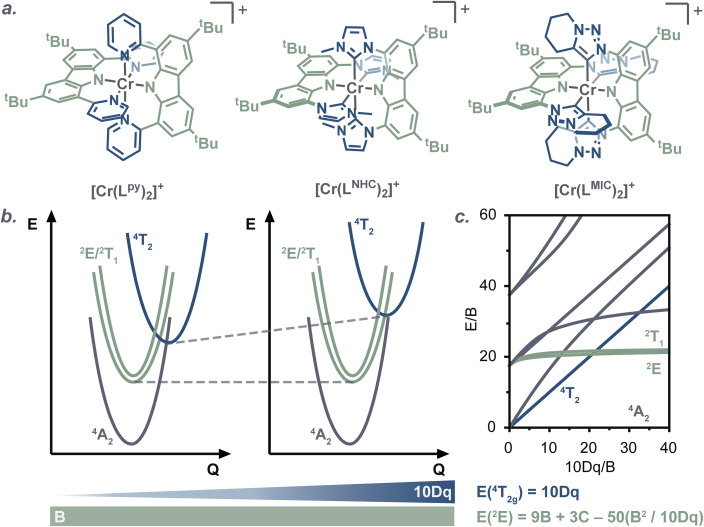 Figure 1
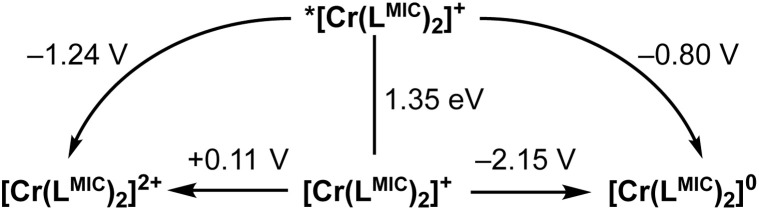 Figure 2
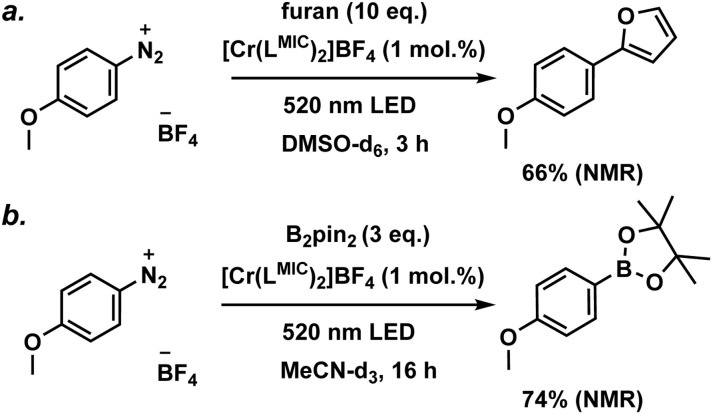 Figure 3
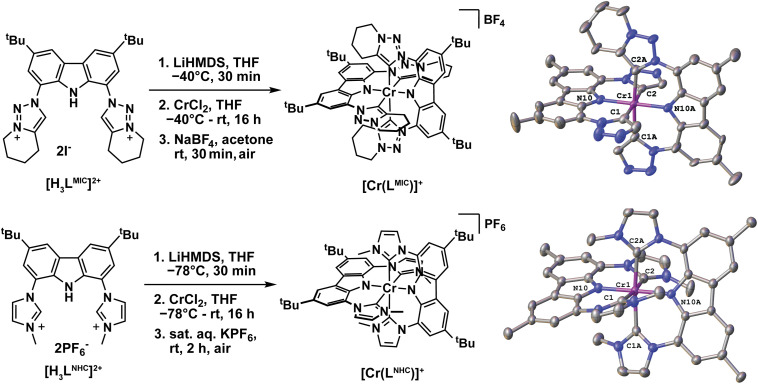 Figure 4
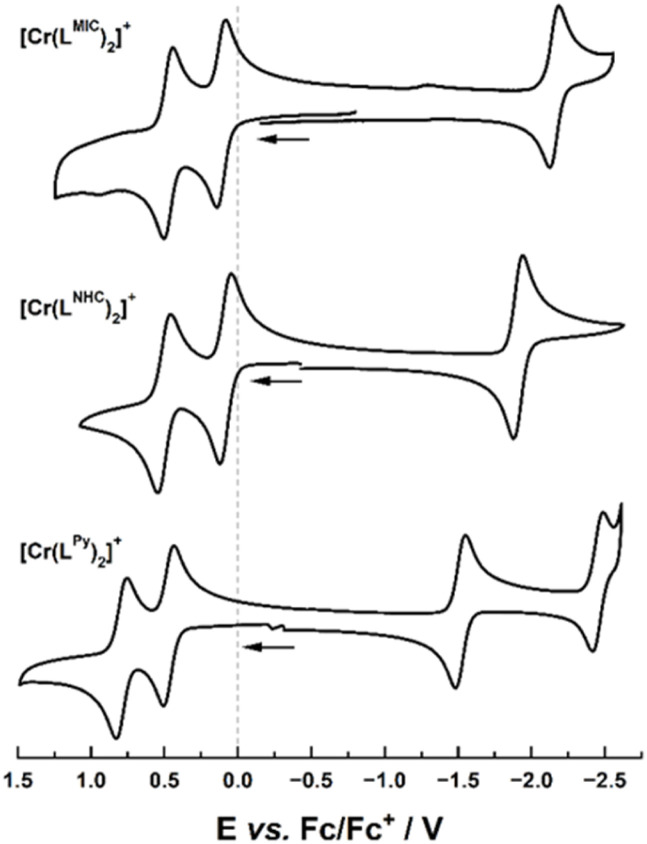 Figure 5
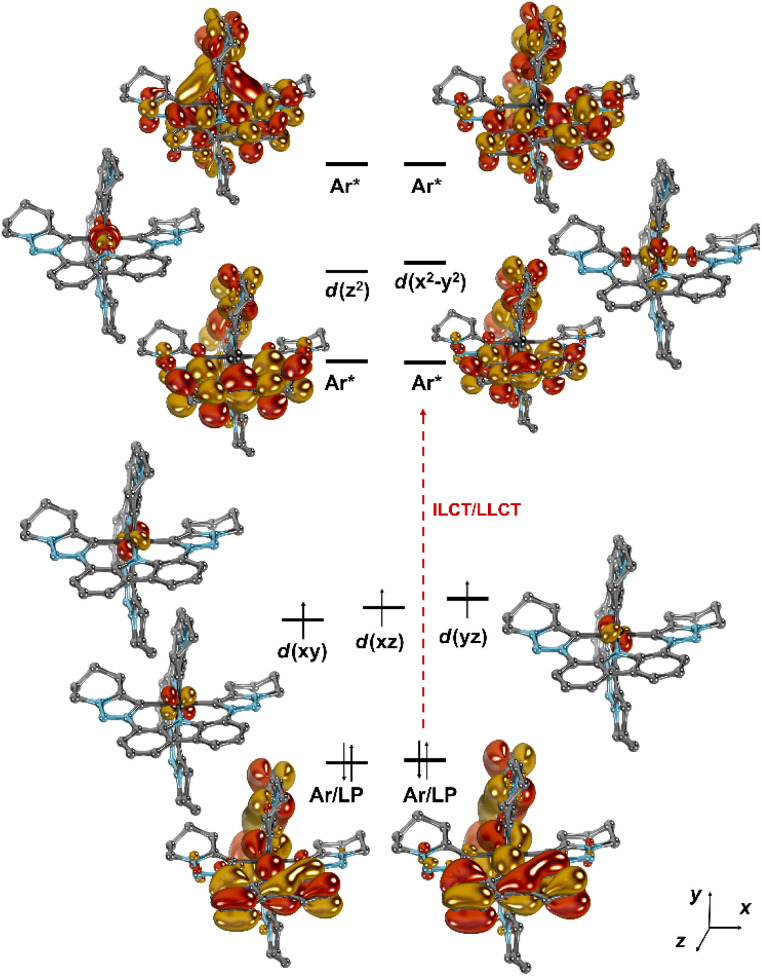 Figure 6
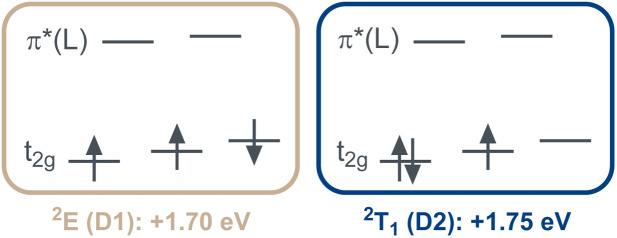 Figure 7
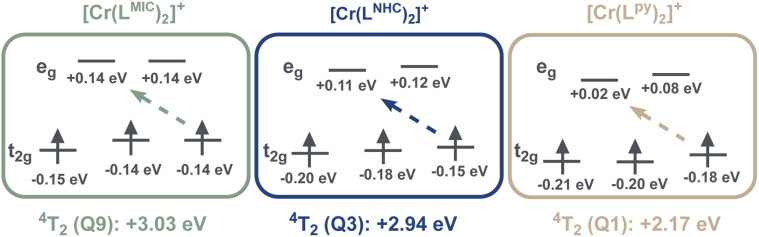 Figure 8
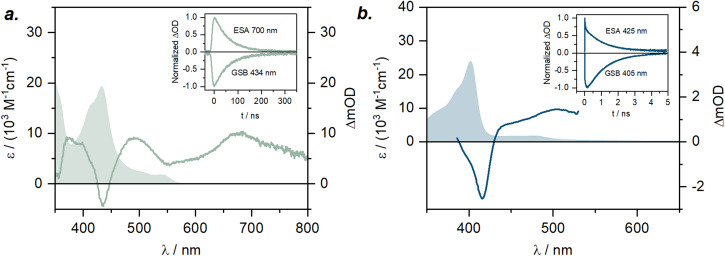 Figure 9
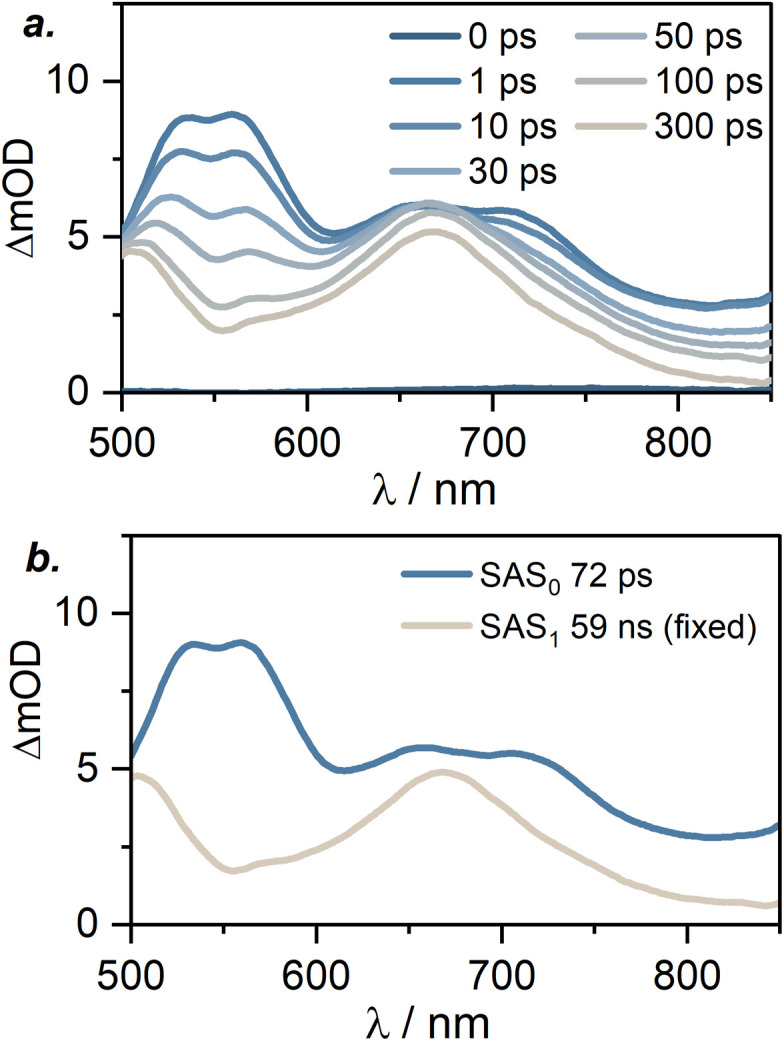 Figure 10
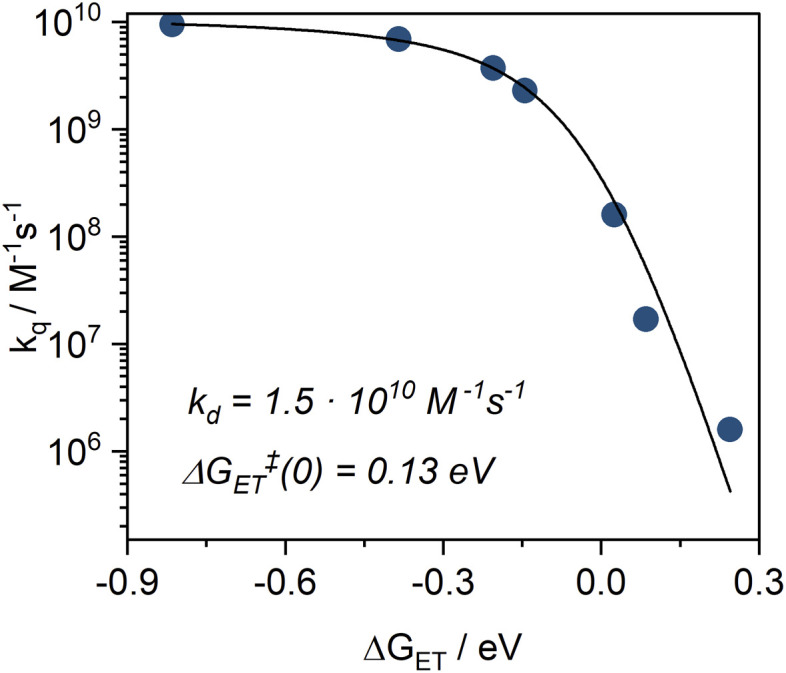 Figure 11
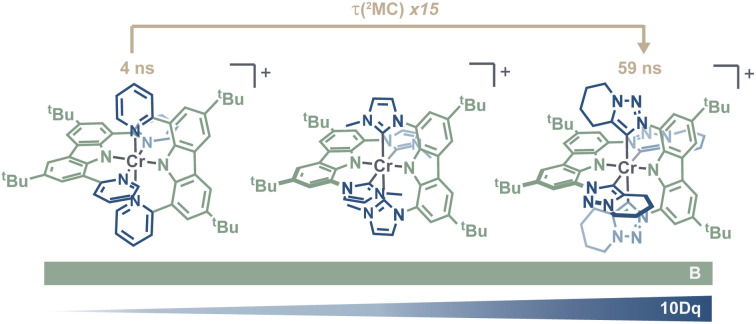 Figure 12
 Figure 13
Peer Reviews
No public reviews on file for this paper yet. If you reviewed it on a platform where reviews are public (OpenReview, ICLR, NeurIPS, ICML), you can paste yours below so the community can read it here.
Videos
No videos yet. Explain this paper in a talk, walkthrough, or lecture? Add one.
Taxonomy
TopicsMagnetism in coordination complexes · Metal complexes synthesis and properties · Lanthanide and Transition Metal Complexes