Initiating cardiopulmonary bypass using a dry venous line: implications and analysis
Tristan Benedict, Robert Brownlee, Christopher Foley, Nathan Hoyer, Laura Dell’Aiera, Mary Dooley, Dave Fitzgerald

TL;DR
This study examines how starting cardiopulmonary bypass with a dry venous line affects microemboli production, aiming to improve patient safety during heart surgery.
Contribution
The study introduces a novel analysis of gaseous microemboli generation during dry venous line CPB initiation using VAVD.
Findings
Higher VAVD pressures and immediate CPB initiation increase post-oxygenator gaseous microemboli production.
Statistical differences in microemboli counts and sizes were observed between control and experimental groups.
Optimal CPB initiation strategies are needed to reduce microemboli transmission and improve patient outcomes.
Abstract
Background: Autologous priming of the cardiopulmonary bypass (CPB) circuit is a critical technique for reducing hemodilution during cardiac surgery. Vacuum-assisted venous drainage (VAVD) offers access to an alternative method using a dry venous line, aiming to reduce hemodilution associated with crystalloid priming. Methods: This study investigates the impact of initiating CPB with a dry venous line on gaseous microemboli (GME) production, compared to a traditional primed venous line in an adult CPB circuit. Using a controlled experimental setup with an oxygenator featuring an integrated arterial filter, we examined GME counts and sizes throughout the circuit under varying VAVD pressures and initiation techniques. Results: Results show that higher VAVD pressures and the immediate initiation of CPB correlate with increased GME production post-oxygenator. Statistical analysis reveals…
Genes, proteins, chemicals, diseases, species, mutations and cell lines named across the full text — each resolved to its canonical identifier and authoritative record.
Click any figure to enlarge with its caption.
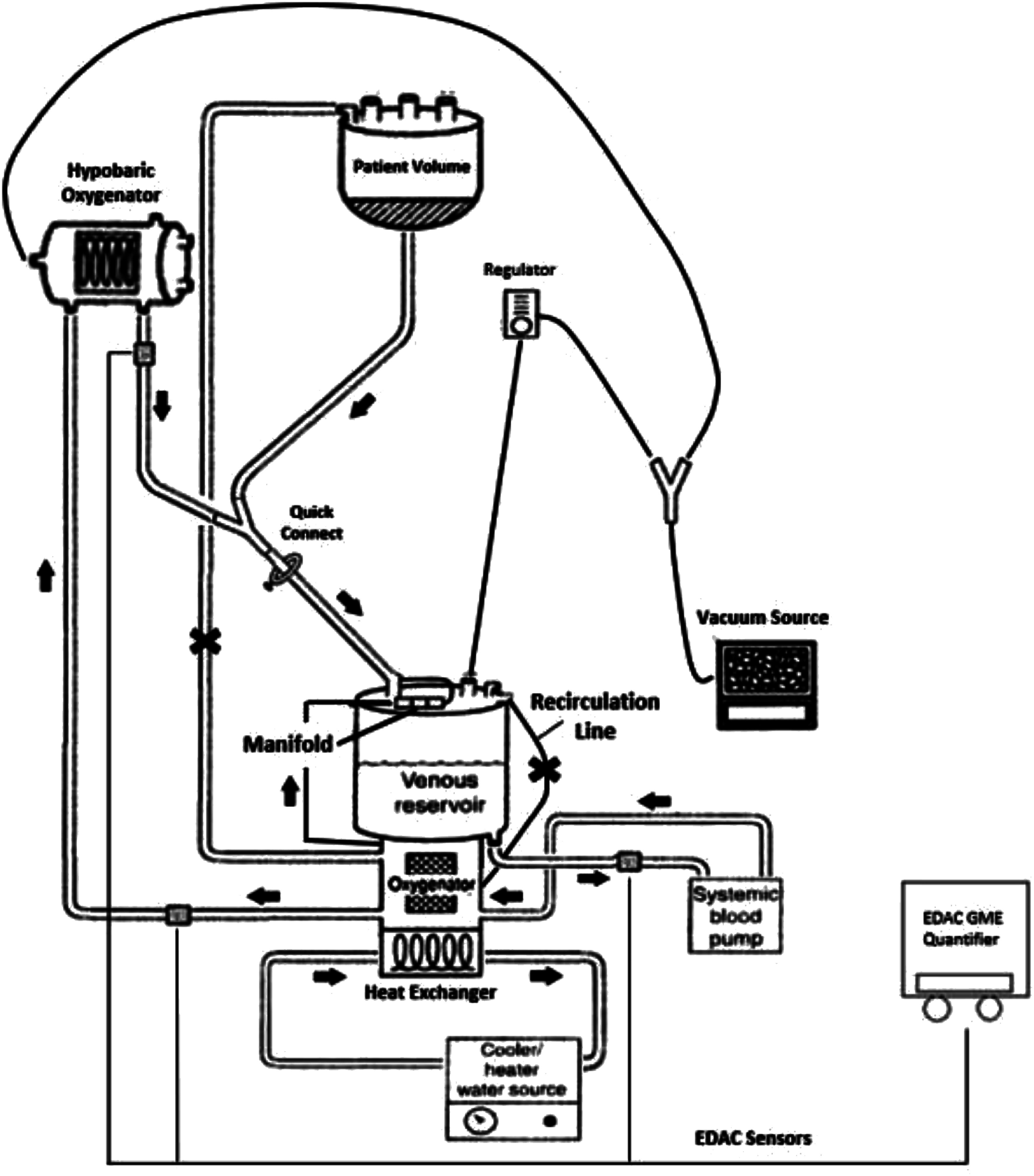 Figure 1
 Figure 1
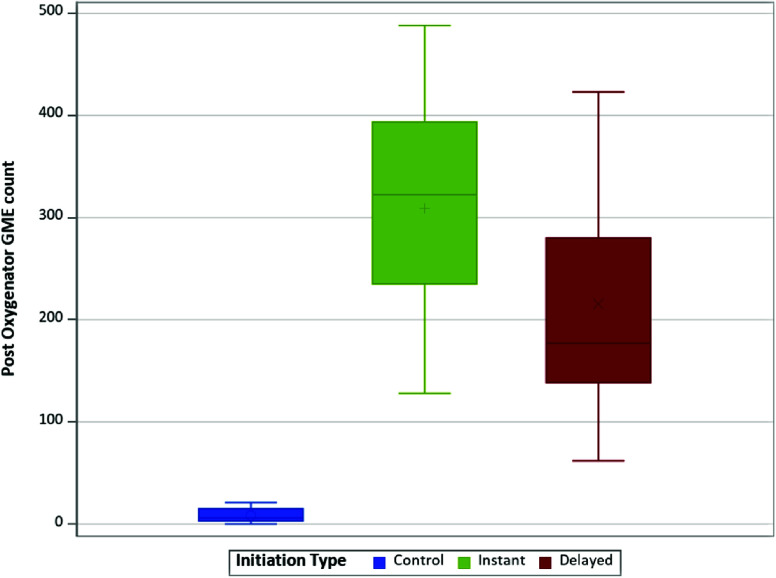 Figure 2
 Figure 2
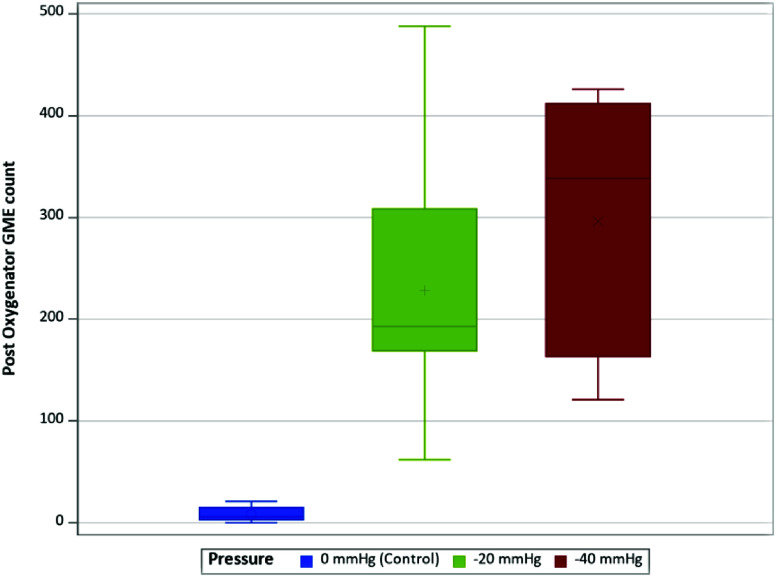 Figure 3
 Figure 3
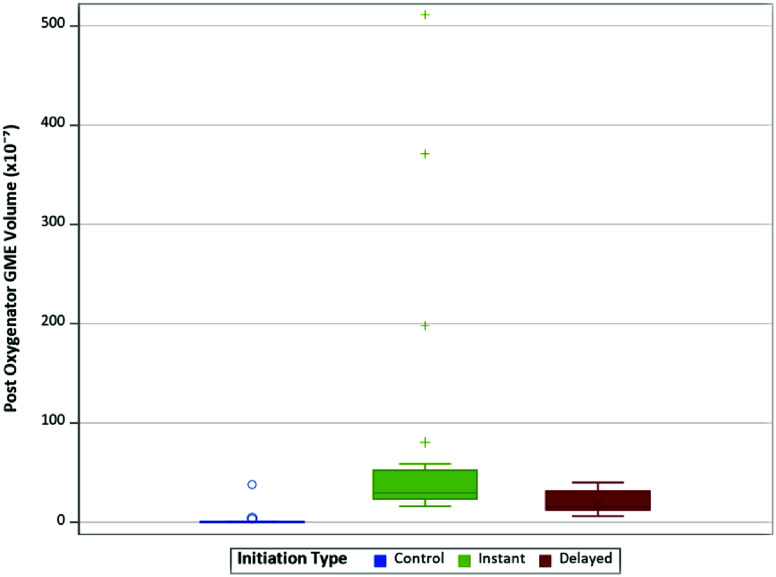 Figure 4
 Figure 4
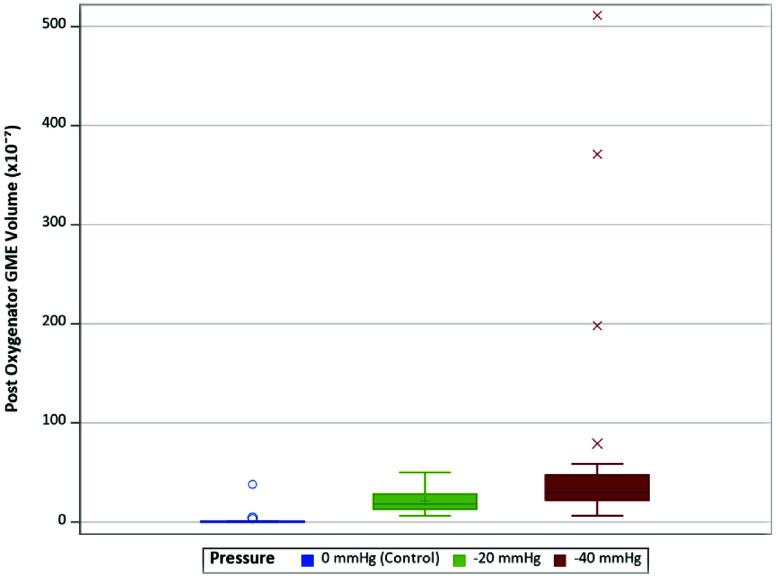 Figure 5
 Figure 5
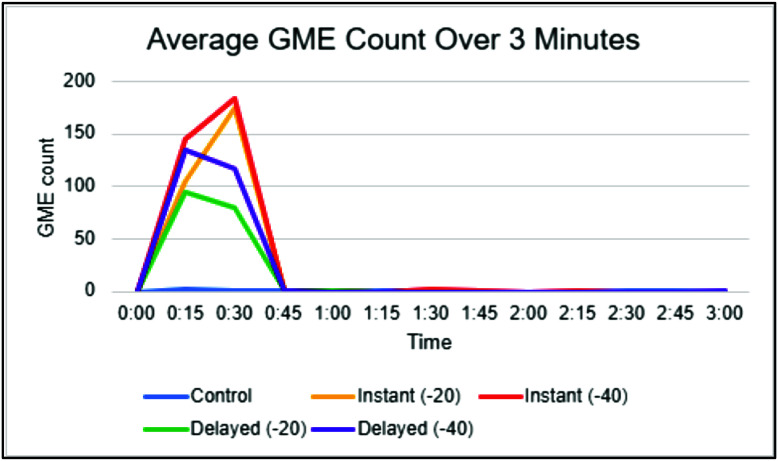 Figure 6
 Figure 6
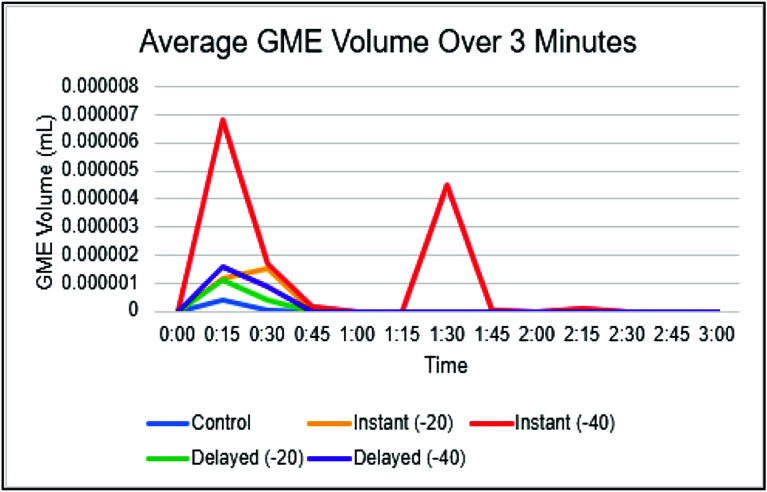 Figure 7
 Figure 7
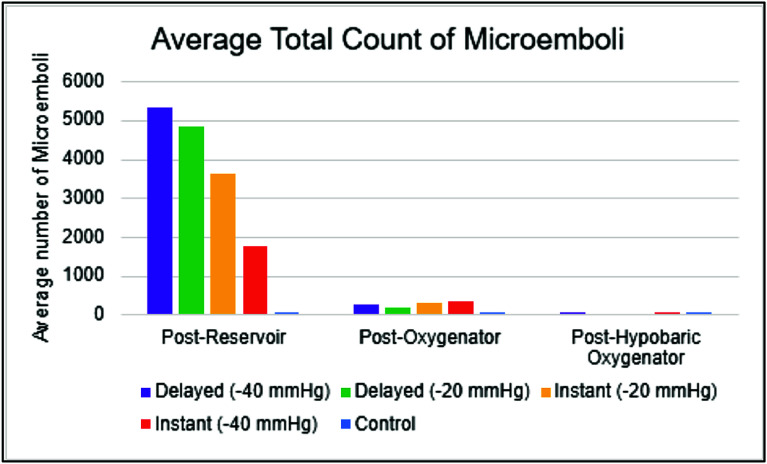 Figure 8
 Figure 8
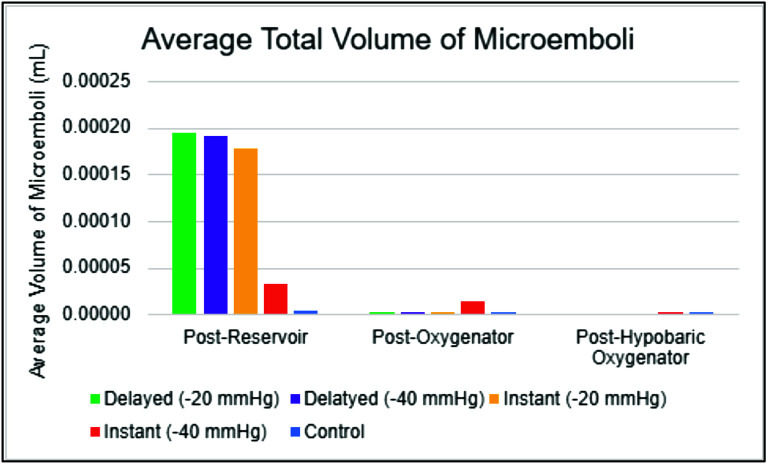 Figure 9
 Figure 9
Peer Reviews
No public reviews on file for this paper yet. If you reviewed it on a platform where reviews are public (OpenReview, ICLR, NeurIPS, ICML), you can paste yours below so the community can read it here.
Videos
No videos yet. Explain this paper in a talk, walkthrough, or lecture? Add one.
Taxonomy
TopicsMechanical Circulatory Support Devices · Cardiac Arrest and Resuscitation · Cardiac and Coronary Surgery Techniques