The effect of surgical field suction flow rate and venous reservoir levels on gaseous microemboli transmission
Thomas Rath, Marisa Sugden, Edward Evans, Kyle Dana, Mitchell Rentschler, Charlotte Bolch, Nathaniel H. Darban

TL;DR
This study shows how adjusting suction flow rate and reservoir levels during heart surgery can reduce harmful air bubbles entering the patient's bloodstream.
Contribution
The study identifies a significant interaction between suction flow rate and reservoir level in affecting gaseous microemboli transmission during CPB.
Findings
Higher suction flow rates and lower reservoir levels significantly increased gaseous microemboli at the post-reservoir sensor.
GME count at the post-oxygenator/filter sensor increased as suction flow rate increased from 25 RPM to 100 RPM.
Data from three reservoir/oxygenator combinations showed consistent trends in GME transmission.
Abstract
Background: Minimizing Gaseous microemboli (GME) introduced into the CPB circuit can help alleviate neurologic injury. This study focuses on understanding how suction flow rate and the reservoir level can influence the introduction of GME past the venous reservoir during CPB. Methods: An in vitro mock CPB loop filled with bovine blood was used to simulate adult CPB. A Gampt BCC-300 bubble detector measured bubble size, volume, and count at three locations: post-reservoir (venous), post-oxygenator/arterial filter (arterial), and the venous inlet to the reservoir (recirculation). Room air was added into the suction line at 200 mL/min and mixed with blood to simulate aerated suction return. Bubble transmission was measured for three minutes at three reservoir levels, 200 mL, 500 mL, and 1000 mL, and at four pump sucker flow rates: 25 RPM (0.32 L/min), 50 RPM (0.65 L/min), 75 RPM (0.99…
Genes, proteins, chemicals, diseases, species, mutations and cell lines named across the full text — each resolved to its canonical identifier and authoritative record.
Click any figure to enlarge with its caption.
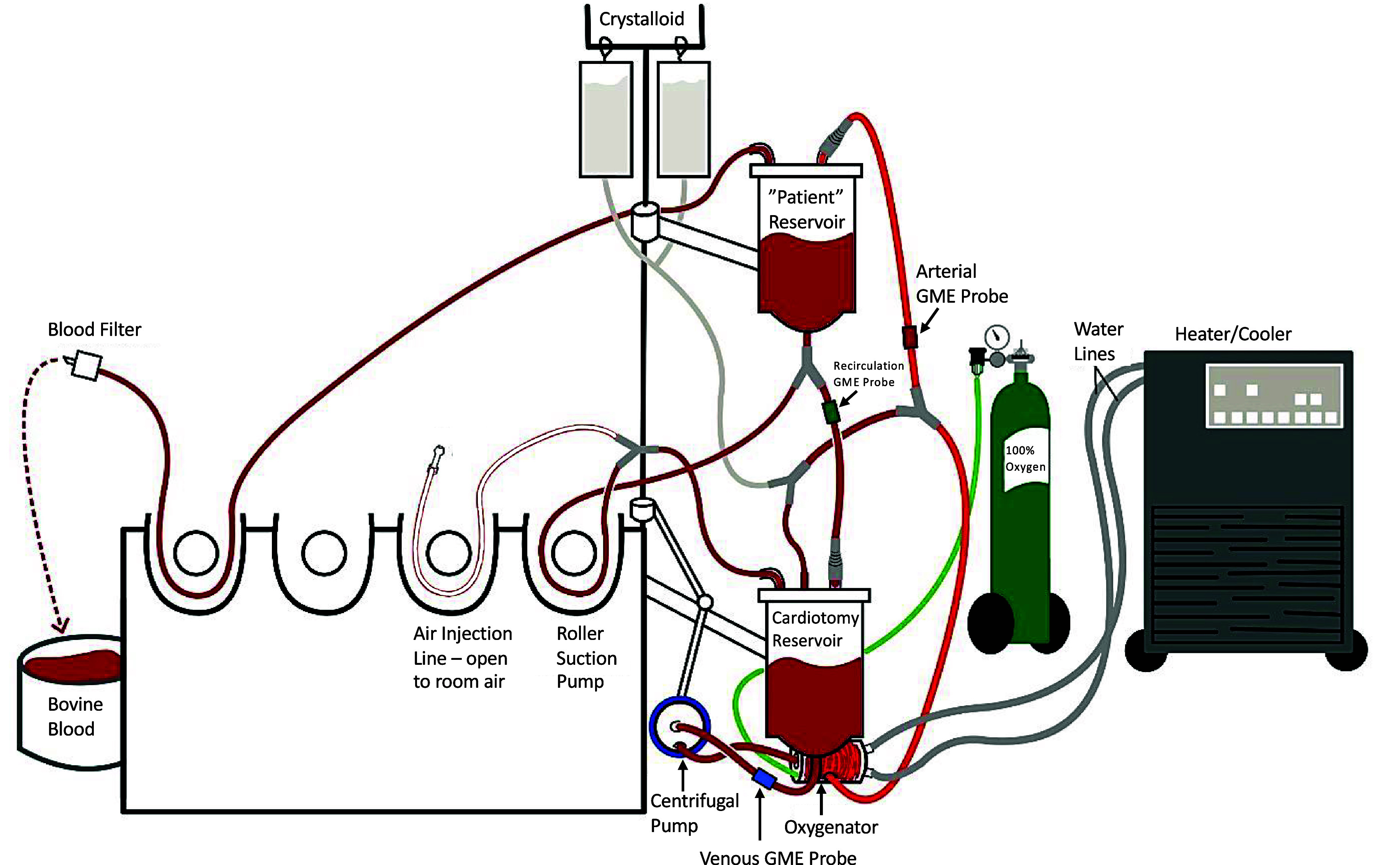 Figure 1
 Figure 1
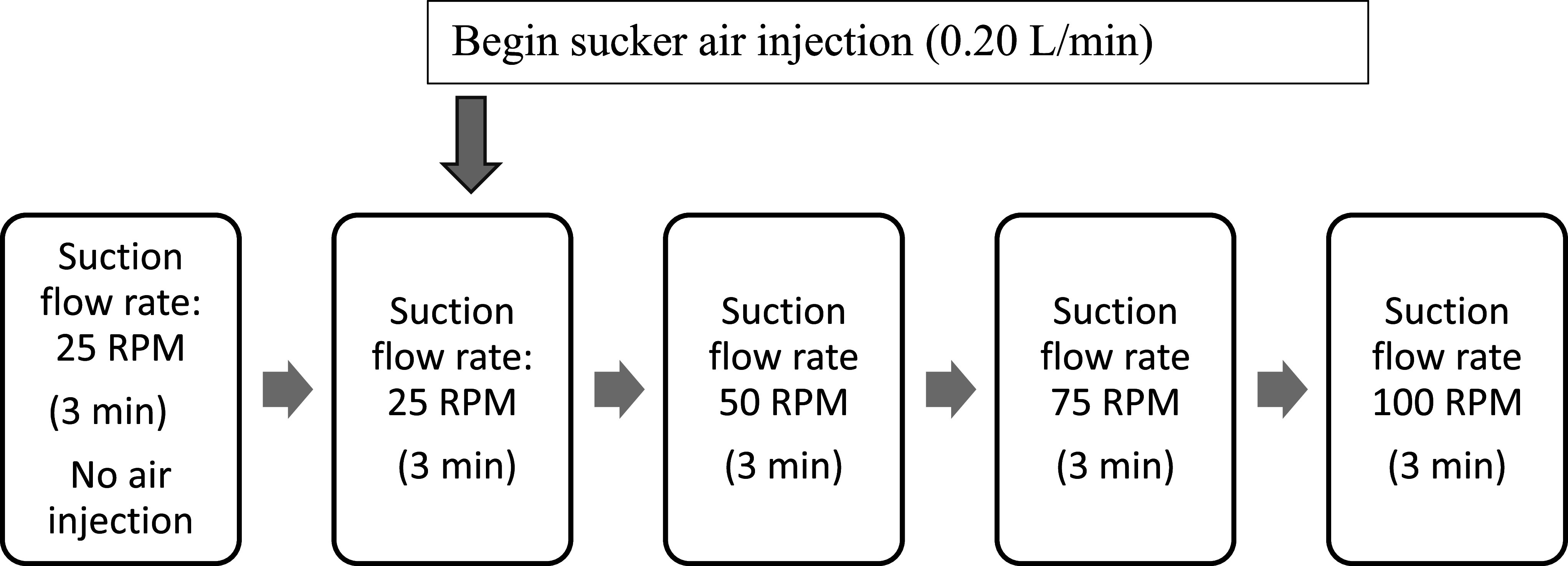 Figure 2
 Figure 2
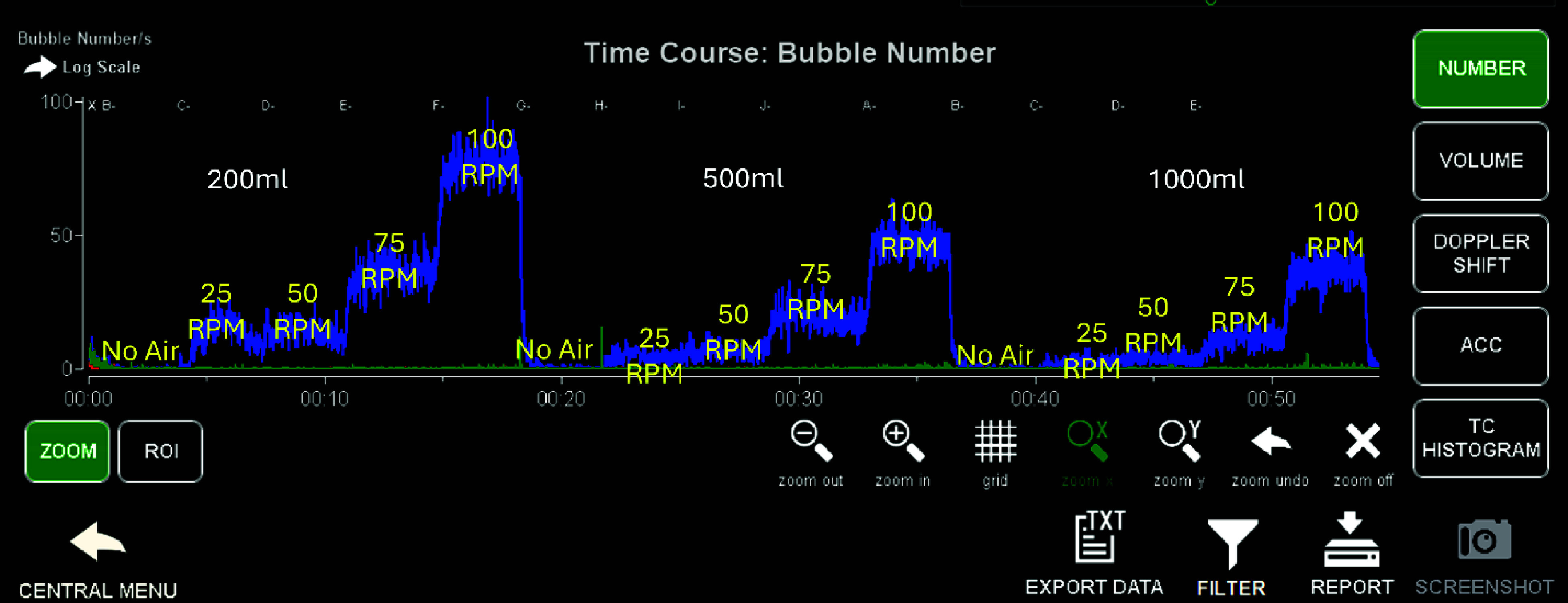 Figure 3
 Figure 3
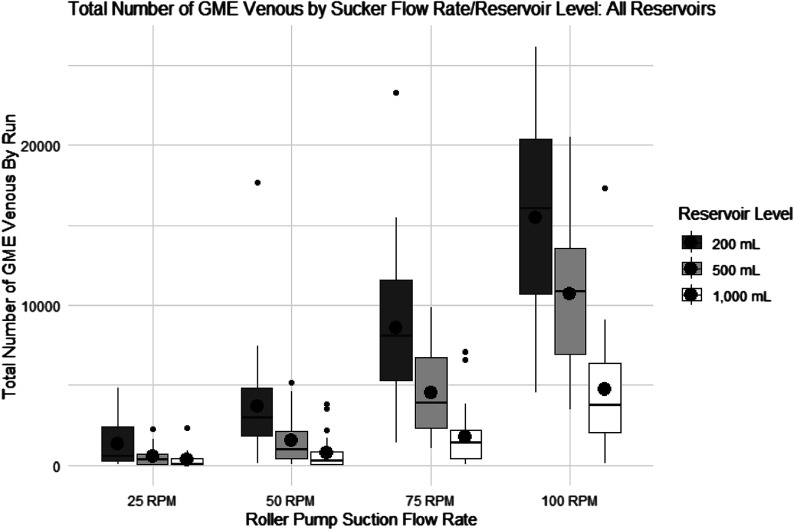 Figure 4
 Figure 4
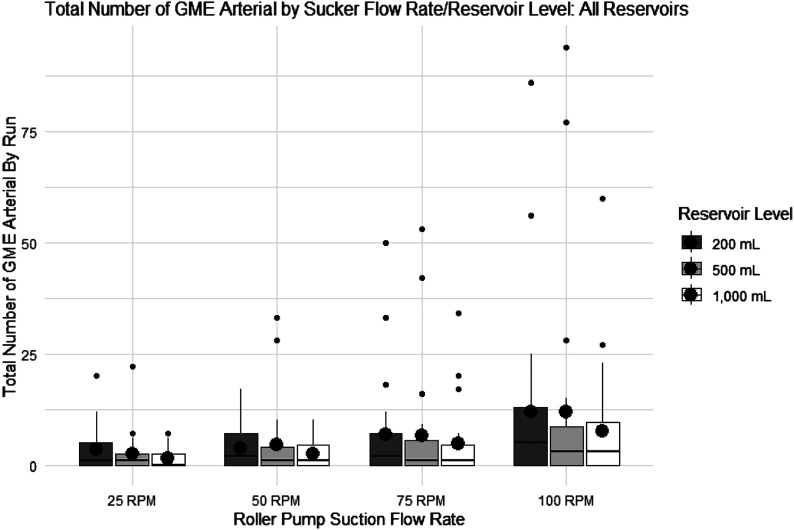 Figure 5
 Figure 5
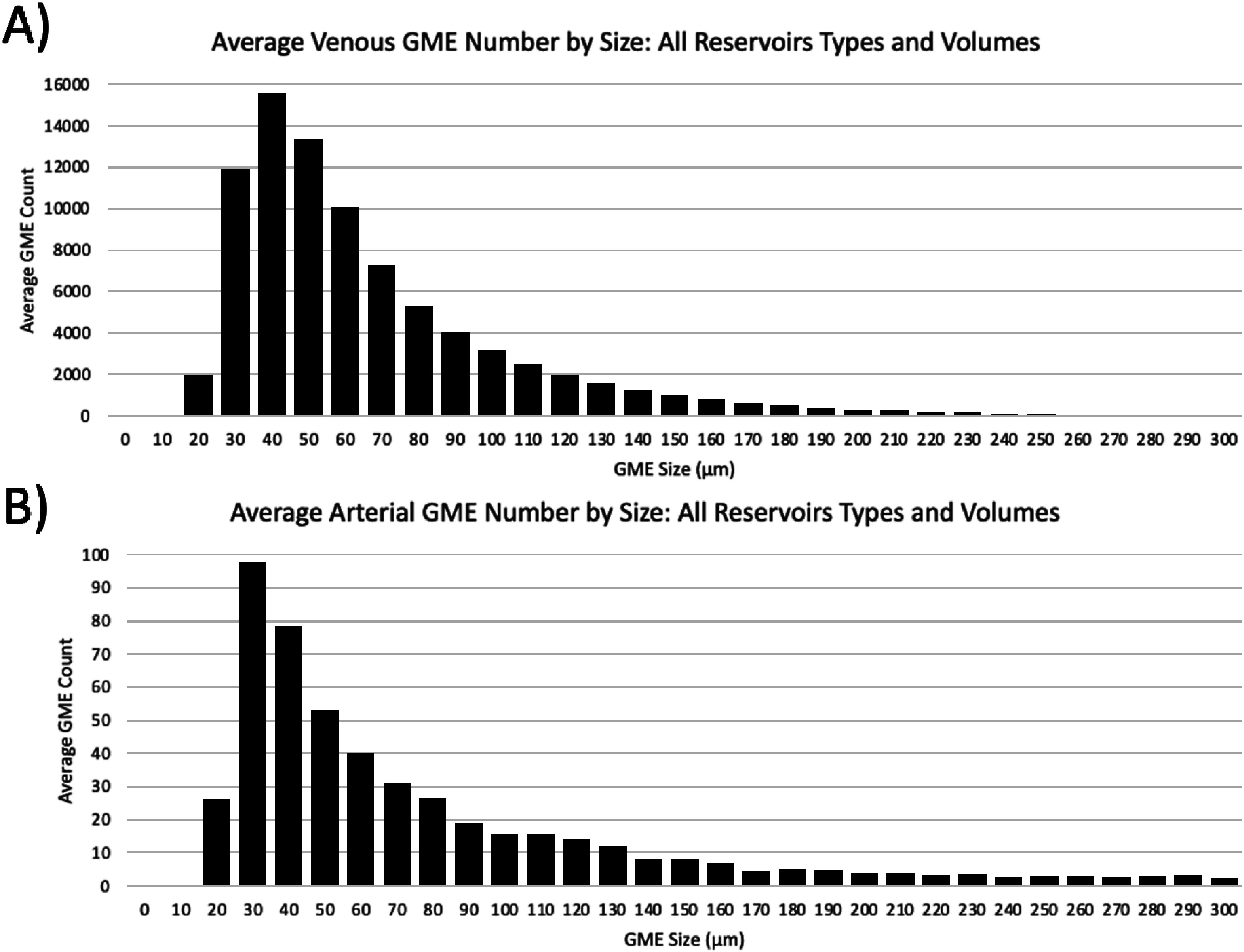 Figure 6
 Figure 6
Peer Reviews
No public reviews on file for this paper yet. If you reviewed it on a platform where reviews are public (OpenReview, ICLR, NeurIPS, ICML), you can paste yours below so the community can read it here.
Videos
No videos yet. Explain this paper in a talk, walkthrough, or lecture? Add one.
Taxonomy
TopicsCardiac and Coronary Surgery Techniques · Mechanical Circulatory Support Devices · Cardiovascular and Diving-Related Complications