Incidence and pathophysiology of gastrointestinal bleeding during mechanical circulatory support: A retrospective analysis using machine learning algorithms
Kelsey Gore, Dean Linder, Juan Jose Martinez Duque, Junxi Wang, Connor Rudnicki, Adrian Alexis Ruiz, Shaun Yockelson, Bobby Nossaman

TL;DR
This study finds that insulin-dependent diabetes increases the risk of gastrointestinal bleeding in patients receiving mechanical circulatory support, and these patients often require major blood transfusions.
Contribution
The study identifies insulin-dependent diabetes as a novel risk factor for GI bleeding during mechanical circulatory support using machine learning.
Findings
Insulin-dependent diabetes is associated with gastrointestinal bleeding during mechanical circulatory support.
Patients with GI bleeding during MCS had a 1.7 times higher risk of requiring major transfusions.
Hospital length of stay was longer for patients who experienced GI bleeding.
Abstract
Background: End-organ hypoperfusion from cardiopulmonary shock may require mechanical circulatory support (MCS). However, patients receiving MCS risk the development of hemorrhagic complications, including gastrointestinal bleeding (GI). Examining potential risk factors for these complications improves clinical understanding. The purpose of this investigation was to study the risk for GI bleeding in MCS patients. Methods: Following IRB approval, patient characteristics, previously reported comorbidities, and the incidence of GI bleeding were reviewed from January 2017 to October 2023. Clinical variables underwent machine learning with autovalidation. Support vector machine modeling provided the best performance among the ensemble models tested. Results: In this study of 156 patients who underwent 284 MCS procedures, the incidence of GI bleeding was 6.0% CI 3.3–10.4%. Following machine…
Genes, proteins, chemicals, diseases, species, mutations and cell lines named across the full text — each resolved to its canonical identifier and authoritative record.
Click any figure to enlarge with its caption.
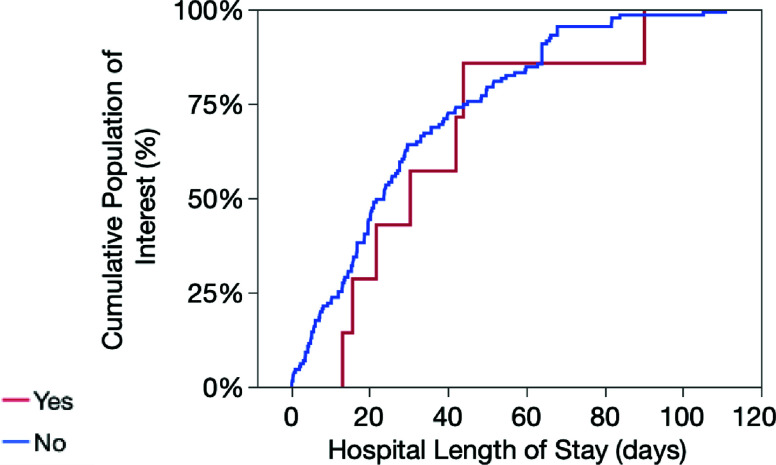 Figure 1
 Figure 1
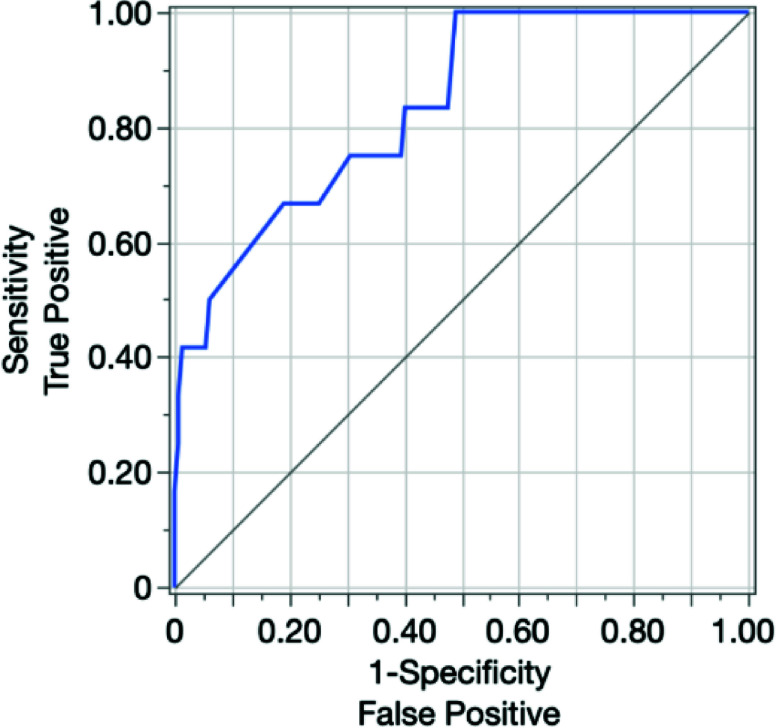 Figure 2
 Figure 2
Peer Reviews
No public reviews on file for this paper yet. If you reviewed it on a platform where reviews are public (OpenReview, ICLR, NeurIPS, ICML), you can paste yours below so the community can read it here.
Videos
No videos yet. Explain this paper in a talk, walkthrough, or lecture? Add one.
Taxonomy
TopicsCOVID-19 diagnosis using AI