Use of plasmapheresis during cardiopulmonary bypass in a pediatric heart transplant of a patient with Failing Fontan Physiology: first case in Argentina
Matias Jorge Martinez, Ignacio Berra, Javier Cornelis, Juan Costilla, Fernando Zamora, Pablo Garcia Delucis

TL;DR
A 17-year-old patient with a failing heart underwent a successful heart transplant in Argentina using plasmapheresis during surgery to reduce rejection risk.
Contribution
This is the first reported case in Argentina using plasmapheresis during cardiopulmonary bypass for a sensitized pediatric heart transplant patient.
Findings
Plasmapheresis during surgery reduced panel-reactive antibodies to 0% by the tenth postoperative day.
No evidence of immunological or humoral rejection was observed in follow-up biopsies.
The patient remains rejection-free three years post-transplant.
Abstract
Background: A 17-year-old male patient diagnosed with a single ventricle, in a failed Fontan stage, was evaluated prior to heart transplantation. The patient had a panel-reactive antibody (PRA) for human leucocyte antigen (HLA) I of 18% and for HLA II of 37%, so the decision was made to administer three doses of immunoglobulin while waiting for a donor heart. Methods: Once extracorporeal circulation was initiated, the apheresis machine extracted blood from the patient’s venous drainage and returned it to the oxygenator reservoir. A total of 8278 mL of blood was processed, and 4224 mL of plasma was extracted. For replacement, 1341 mL of fresh frozen plasma and 2700 mL of 5% albumin were used. 75 mL of citrate-dextrose acid (CDA) was used as an anticoagulant. The procedure lasted 135 min. Results: On the tenth postoperative day, the PRA for HLA I and II was 0%. On the thirtieth…
Genes, proteins, chemicals, diseases, species, mutations and cell lines named across the full text — each resolved to its canonical identifier and authoritative record.
Click any figure to enlarge with its caption.
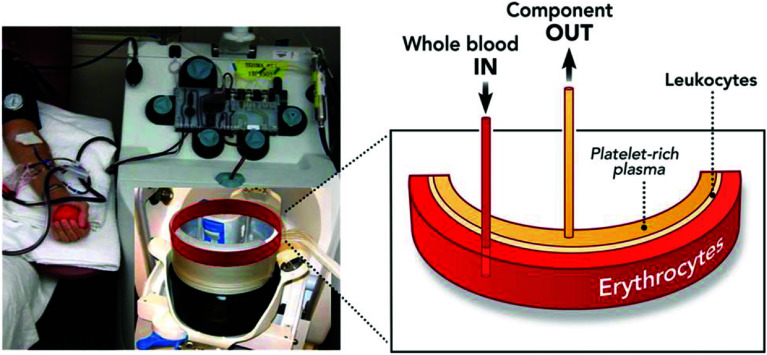 Figure 1
 Figure 1
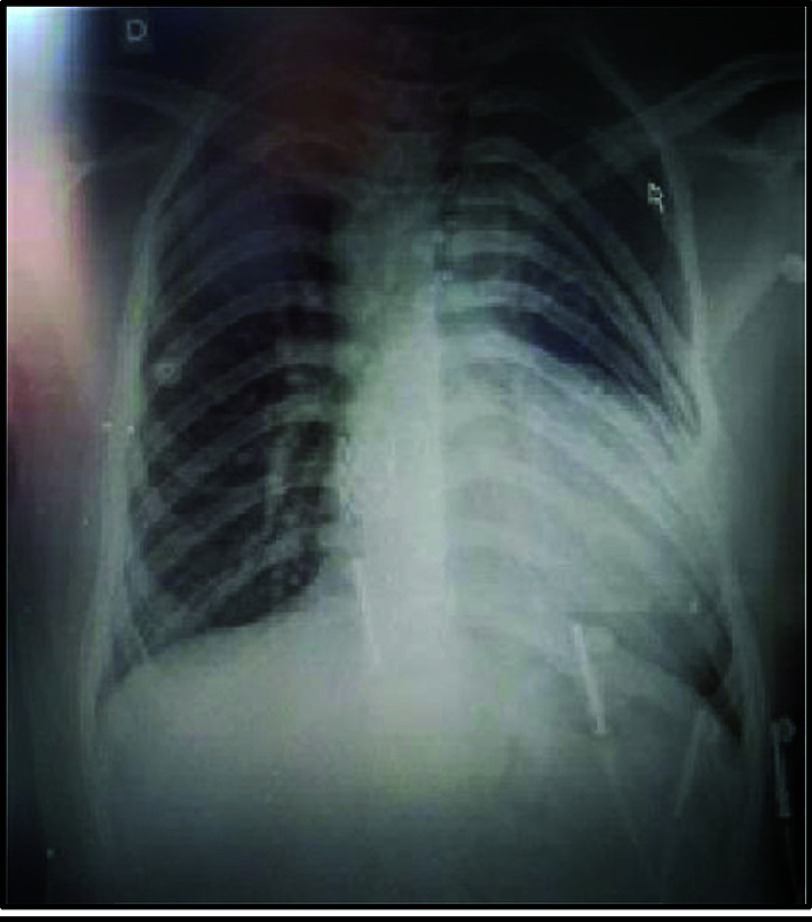 Figure 2
 Figure 2
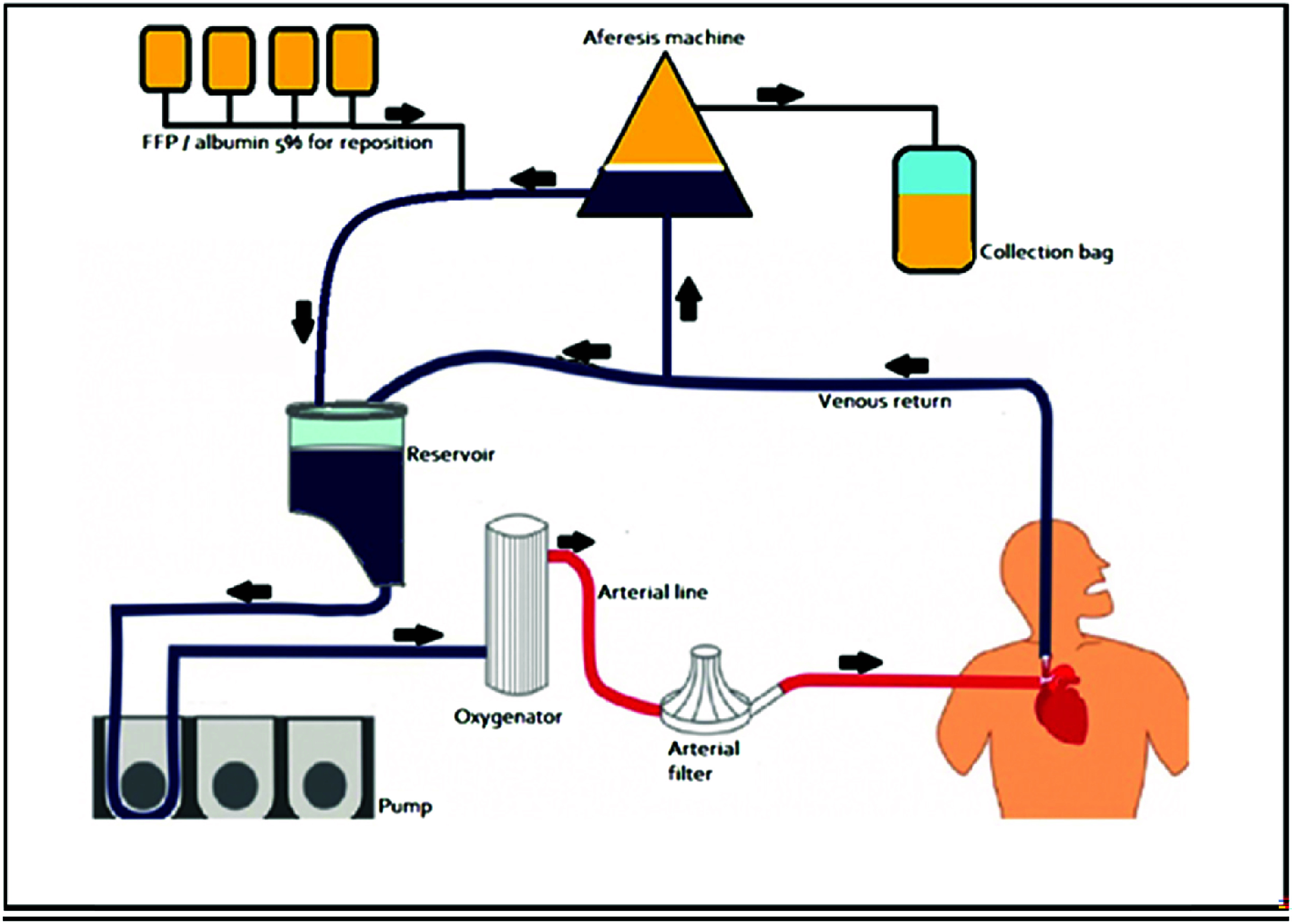 Figure 3
 Figure 3
Peer Reviews
No public reviews on file for this paper yet. If you reviewed it on a platform where reviews are public (OpenReview, ICLR, NeurIPS, ICML), you can paste yours below so the community can read it here.
Videos
No videos yet. Explain this paper in a talk, walkthrough, or lecture? Add one.
Taxonomy
TopicsPoisoning and overdose treatments · Pharmaceutical studies and practices · Antibiotics Pharmacokinetics and Efficacy