Is continuous in-line blood gas monitoring reliable during cardiopulmonary bypass when PaO2 and PaCO2 are calculated rather than measured?
Min-Ho Lee, Tami Rosenthal

TL;DR
This study evaluates the reliability of calculated blood gas monitoring during heart surgery, finding significant errors that vary with patient weight and temperature.
Contribution
The study identifies patterns of error in calculated PaO2 and PaCO2 during CPB and proposes a formula to adjust FiO2 based on patient weight.
Findings
Calculated PaO2 errors exceed acceptable targets during initial blood gas series and rewarming, linked to patient weight.
Calculated PaCO2 shows upward drift during rewarming, correlated with temperature changes.
A formula was derived to adjust FiO2 based on patient weight to achieve target PaO2 with the FX05 oxygenator.
Abstract
Background: The accuracy and precision of continuous in-line blood gas monitoring (CILBGM) are crucial for optimal blood gas management during cardiopulmonary bypass (CPB) and improved patient outcomes. CILBGM devices, such as the CDI 500/550 system, measure PaO2 and PaCO2, and B-Capta measures PaO2 through direct contact with arterial blood. However, the Quantum perfusion system with Quantum Ventilation2 (Quantum System) does not measure but calculates PaO2 and PaCO2 using several non-invasive sensors and proprietary formulas. We have observed that the calculated in-line PaO2 and PaCO2 values from Quantum System are frequently significantly higher than those obtained from iSTAT, a point-of-care blood analyzer, exceeding acceptable targets. Methods: We conducted a retrospective study involving 81 patients who underwent cardiac surgery using the Quantum System with its own CILBGM and the…
Genes, proteins, chemicals, diseases, species, mutations and cell lines named across the full text — each resolved to its canonical identifier and authoritative record.
Click any figure to enlarge with its caption.
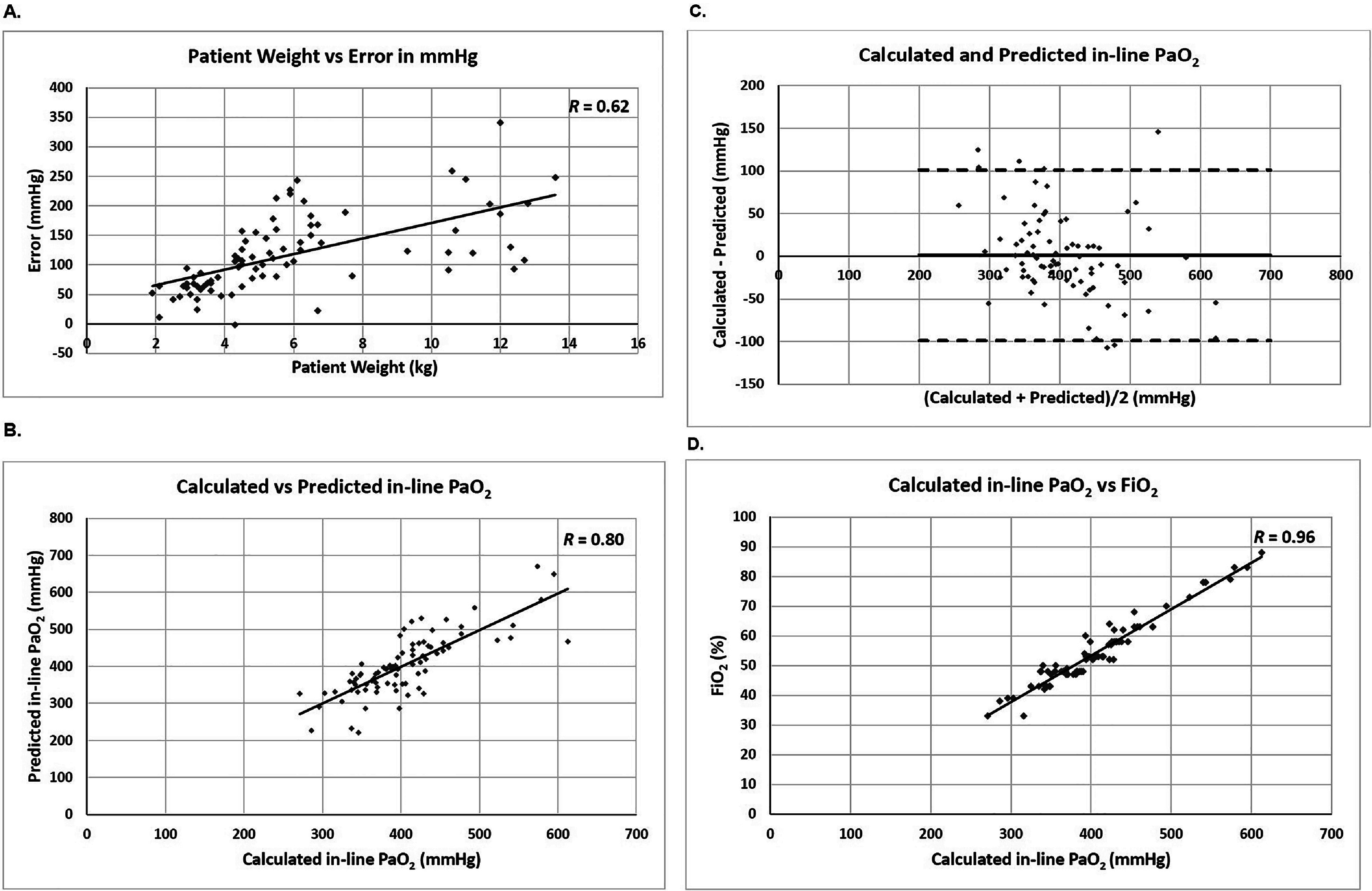 Figure 1
 Figure 1
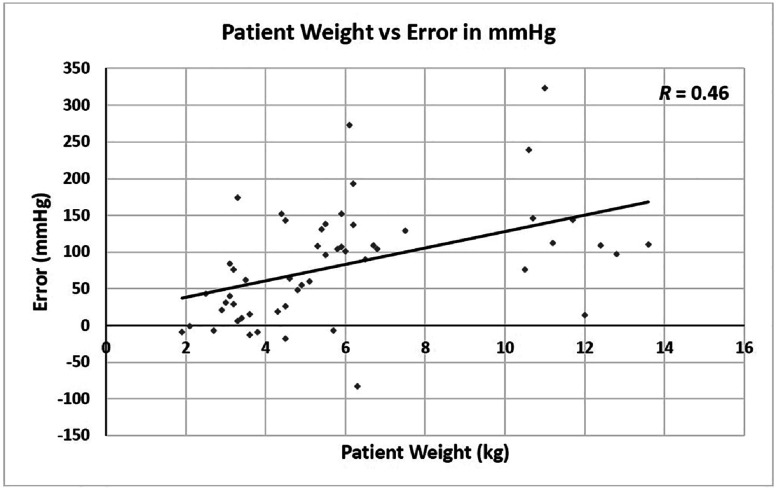 Figure 2
 Figure 2
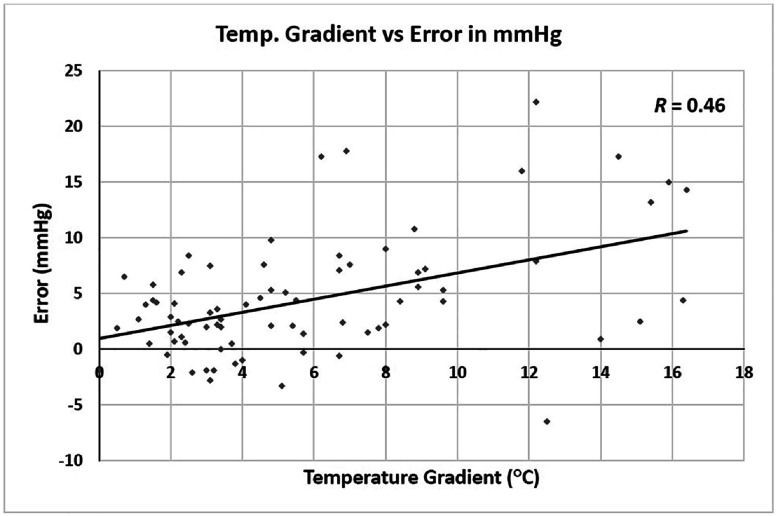 Figure 3
 Figure 3
Peer Reviews
No public reviews on file for this paper yet. If you reviewed it on a platform where reviews are public (OpenReview, ICLR, NeurIPS, ICML), you can paste yours below so the community can read it here.
Videos
No videos yet. Explain this paper in a talk, walkthrough, or lecture? Add one.
Taxonomy
TopicsHemodynamic Monitoring and Therapy · Renal function and acid-base balance · Non-Invasive Vital Sign Monitoring