Clinical Presentation and Diagnostic Challenges of Congenital Thoracoabdominal Wall Defects in Dogs: Insights from a Case Series and Literature Synthesis
José M. Cozar, Luis Avedillo, Nieves Martín-Alguacil

TL;DR
This study examines rare thoracoabdominal wall defects in dogs, finding that these conditions form a developmental continuum rather than distinct categories, and proposes a diagnostic decision tree to aid clinicians.
Contribution
The study introduces a new diagnostic framework and highlights the importance of embryonic disruption timing and umbilical cord morphology in classifying these defects.
Findings
Thoracoabdominal wall defects in dogs form a syndromic continuum rather than distinct entities.
Umbilical cord morphology is a key diagnostic feature distinguishing syndromic from nonsyndromic defects.
A developmental continuum model improves clinical classification and evaluation of these defects.
Abstract
Congenital defects of the thoracic and abdominal body wall are rare in dogs, yet they can be severe and difficult to classify. Veterinarians often use human medical terminology, such as Cantrell syndrome, amniotic band syndrome, and body stalk anomaly, to describe these conditions. However, many affected animals exhibit features that overlap with more than one syndrome. In this study, we examined three new cases of canine body wall defects and reviewed 17 published cases to better understand how these defects develop and how they should be diagnosed. Our findings suggest that these syndromes form a continuum rather than distinct categories. The timing of embryonic disruption and the appearance of the umbilical cord are especially important for distinguishing syndromic from nonsyndromic defects. Based on these insights, we created a practical diagnostic decision tree to help clinicians…
Genes, proteins, chemicals, diseases, species, mutations and cell lines named across the full text — each resolved to its canonical identifier and authoritative record.
Click any figure to enlarge with its caption.
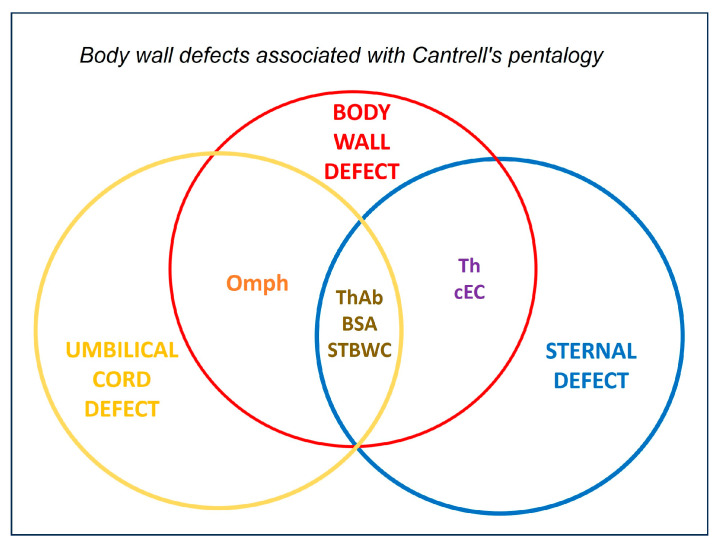 Figure 1
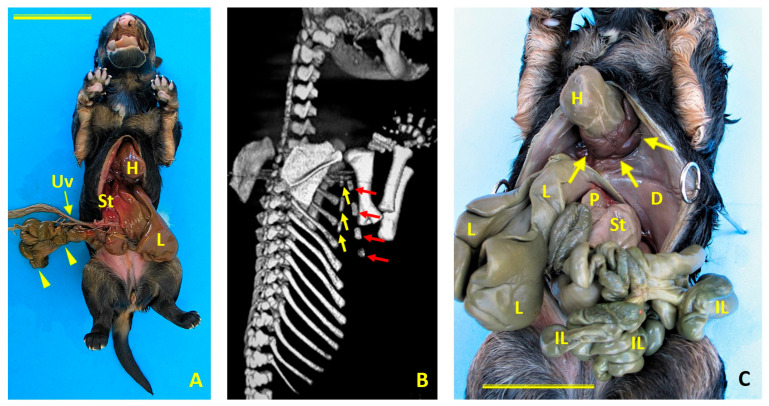 Figure 2
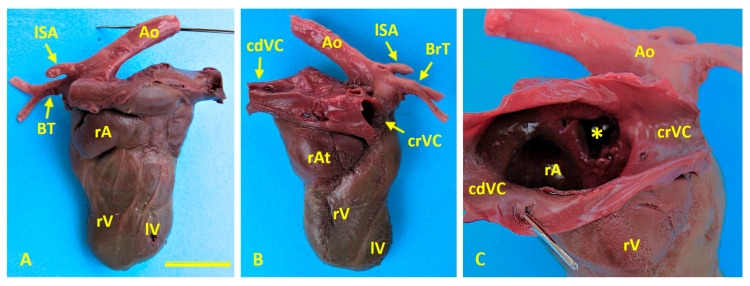 Figure 3
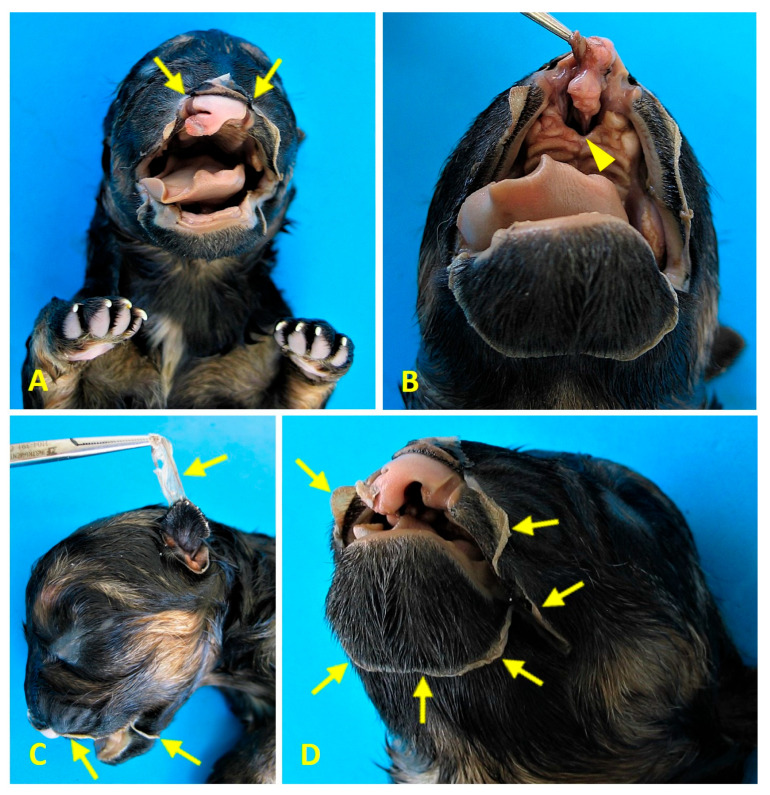 Figure 4
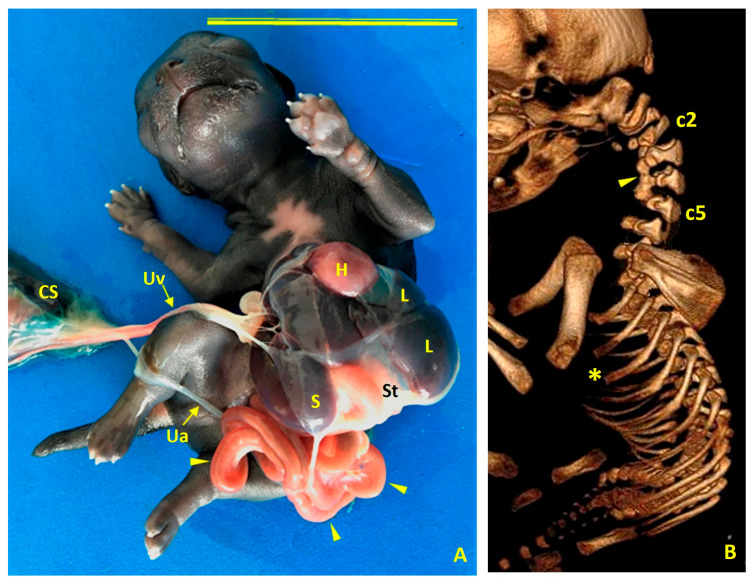 Figure 5
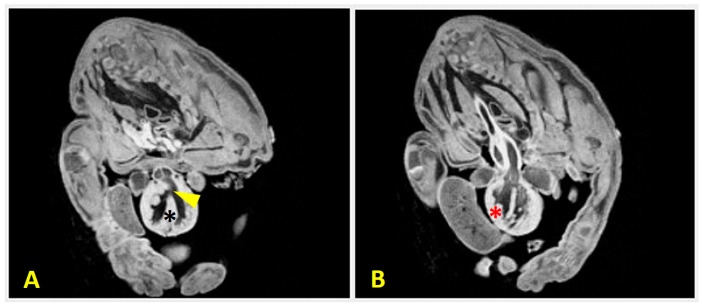 Figure 6
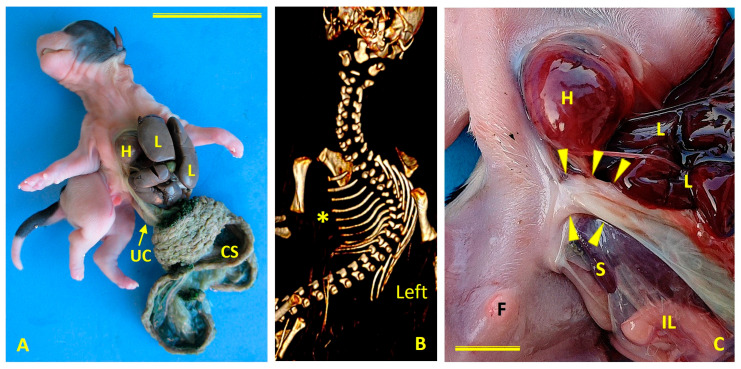 Figure 7
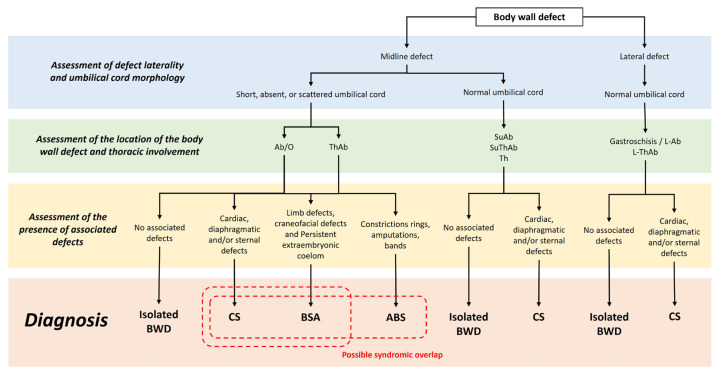 Figure 8
Peer Reviews
No public reviews on file for this paper yet. If you reviewed it on a platform where reviews are public (OpenReview, ICLR, NeurIPS, ICML), you can paste yours below so the community can read it here.
Videos
No videos yet. Explain this paper in a talk, walkthrough, or lecture? Add one.
Taxonomy
TopicsCongenital Anomalies and Fetal Surgery · Urological Disorders and Treatments · Veterinary Medicine and Surgery