Effect of a stepped-care trauma rehabilitation programme for migrants in Germany: the ‘NAT counselling intervention’ study protocol for a naturalistic parallel group trial with a regression discontinuity design for quasi-randomization
Liliana Abreu, Jule Beck, Anke Hoeffler, Brigitte Rockstroh, Johanna Sill, Maggie Schauer, Elisabeth Kaiser, Katalin Dohrmann, Anke Koebach

TL;DR
This study evaluates a trauma rehabilitation program for asylum seekers in Germany to improve mental health and integration outcomes.
Contribution
The study introduces a stepped-care trauma rehabilitation program using peer counselors and a regression discontinuity design for quasi-randomization.
Findings
The program includes watchful waiting, Narrative Trauma Work (NAT), and expert treatment based on symptom severity.
The study will assess mental health outcomes, integration, and program sustainability over 12 months.
Cost-effectiveness and counselor satisfaction will be evaluated using mixed methods.
Abstract
Asylum seekers who arrive in their host countries worldwide present with an alarming burden of trauma and distress. Related mental ill health is a matter of concern and hinders the mobilisation of resources necessary for successful social adaptation and integration into host communities, creating a vicious cycle. Although effective treatment is available, services are only accessible when conditions become chronic and/or life-threatening. To overcome the manifold barriers to care, we aim to implement a screen-to-counsel, stepped-care trauma rehabilitation programme for asylum seekers upon arrival in Germany. Individuals are invited to a personal interview at the end of which they are offered a specific intervention, depending on the severity of their symptoms and level of support needed: [s1] watchful waiting; [s2] Narrative Trauma Work (NAT), adapted from Narrative Exposure Therapy…
Genes, proteins, chemicals, diseases, species, mutations and cell lines named across the full text — each resolved to its canonical identifier and authoritative record.
Click any figure to enlarge with its caption.
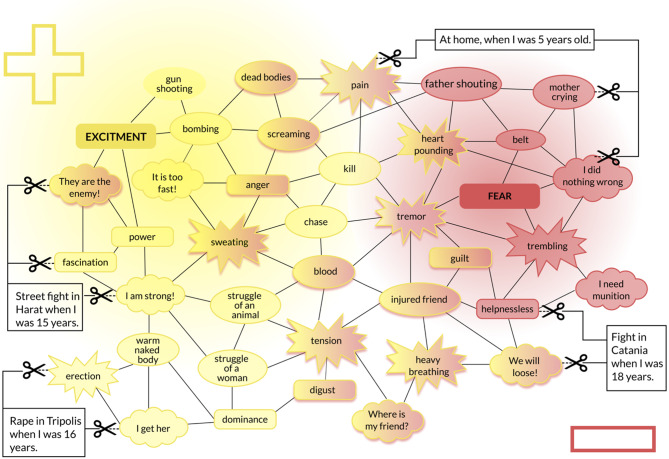 Figure 1
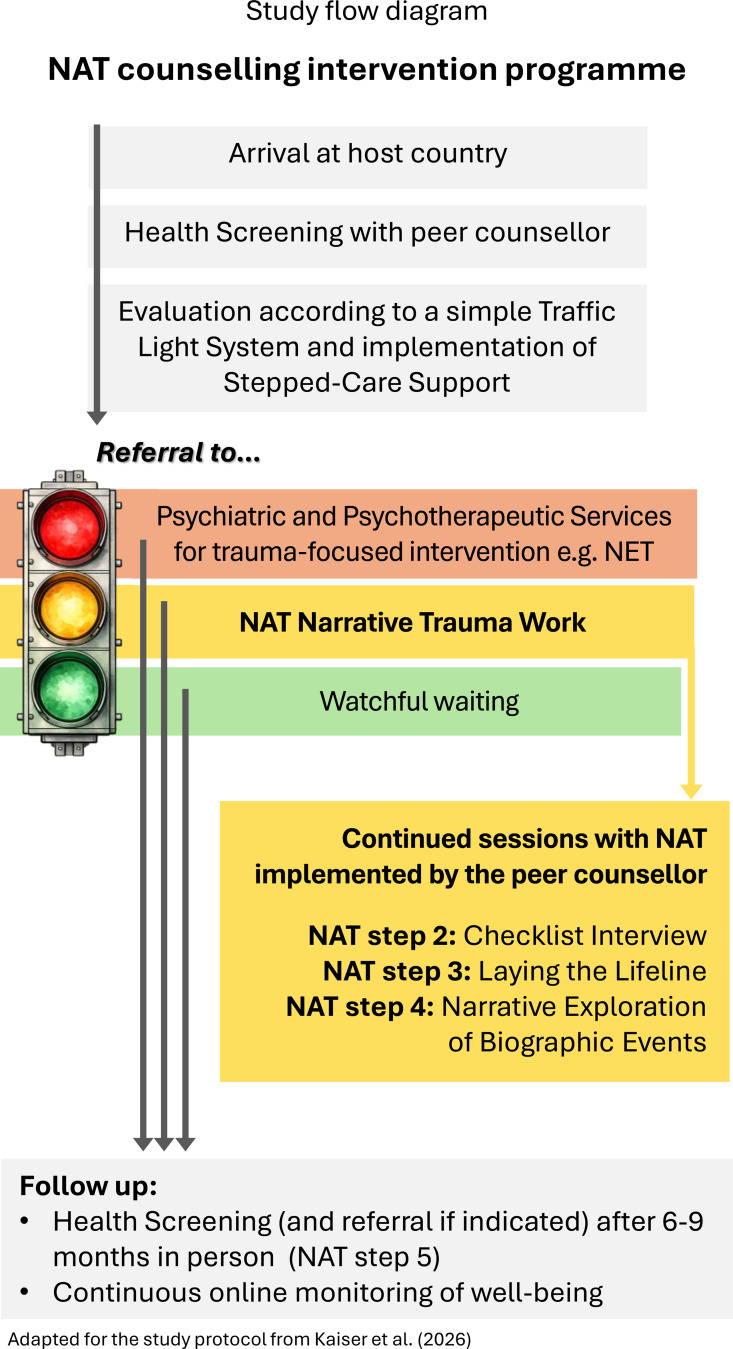 Figure 2
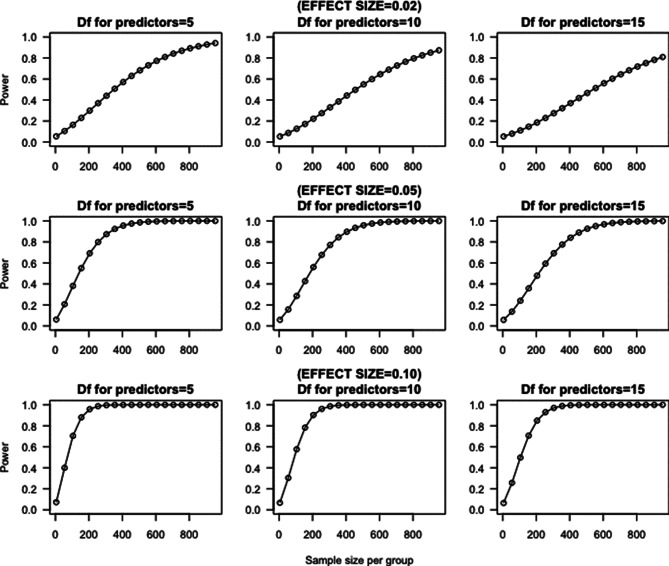 Figure 3
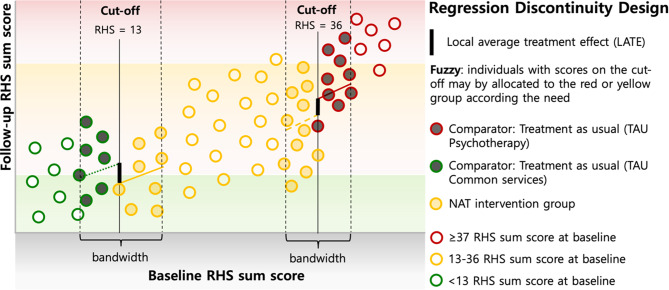 Figure 4
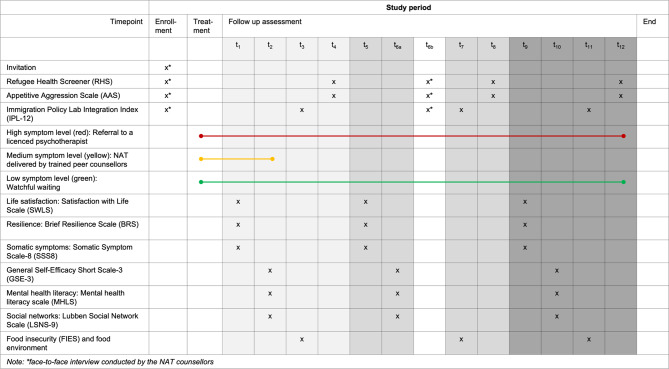 Figure 5
Peer Reviews
No public reviews on file for this paper yet. If you reviewed it on a platform where reviews are public (OpenReview, ICLR, NeurIPS, ICML), you can paste yours below so the community can read it here.
Videos
No videos yet. Explain this paper in a talk, walkthrough, or lecture? Add one.
Taxonomy
TopicsMigration, Health and Trauma · Posttraumatic Stress Disorder Research · Trauma and Emergency Care Studies