Reduced task adaptation and contextual awareness in autistic adults during facial emotion recognition: evidence from mixed-effects modeling and automated facial analysis
Simon Kirsch, Hanna Drimalla, William Saakyan, Bastian Elmar Alexander Sajonz, Justus Gritzmann, Simon Maier, Thomas Fangmeier, Muyu Lin, Simón Guendelman, Christian Kaufmann, Isabel Dziobek, Ludger Tebartz van Elst

TL;DR
Autistic adults show reduced task adaptation and use of contextual cues during facial emotion recognition compared to non-autistic adults, according to a study using mixed-effects modeling and automated facial analysis.
Contribution
The study introduces a novel integration of mixed-effects modeling and automated facial analysis to explore FER differences in autistic adults.
Findings
Autistic participants had lower accuracy and slower response times compared to non-autistic participants.
Autistic individuals showed reduced task adaptation and less use of contextual cues in FER.
Social-cognitive traits influenced how contextual ambiguity affected FER accuracy in autistic subjects.
Abstract
Despite significant advances in understanding facial emotion recognition (FER) in autistic adults in recent decades, the mechanisms underlying FER difficulties in individuals with autism remain unclear, with inconsistent findings across studies. A key limitation may be the reliance on aggregate accuracy scores, which overlook item- and subject-level variability. Here, we investigated the effects of task adaptation and stimulus properties on FER performance in autistic and non-autistic adults using mixed-effects modelling. A total of 120 autistic and 116 non-autistic participants completed the Berlin Emotion Recognition Test 2. Performance was analyzed on a trial-by-trial basis, considering trial number, stimulus properties—derived from automated facial analysis—and their interactions with diagnostic group. Response times were analyzed using mixed-effects linear regression models, while…
Genes, proteins, chemicals, diseases, species, mutations and cell lines named across the full text — each resolved to its canonical identifier and authoritative record.
Click any figure to enlarge with its caption.
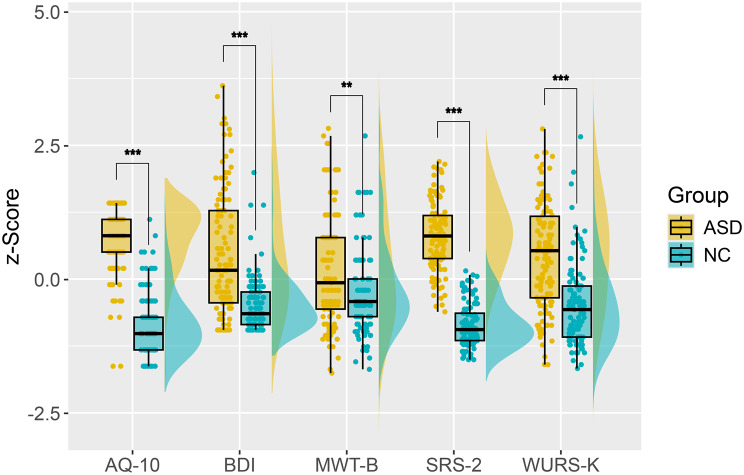 Figure 1
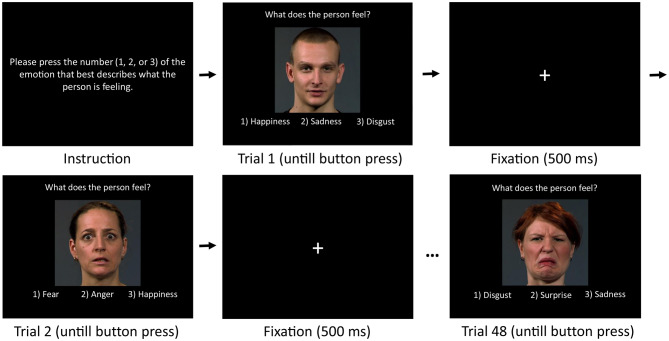 Figure 2
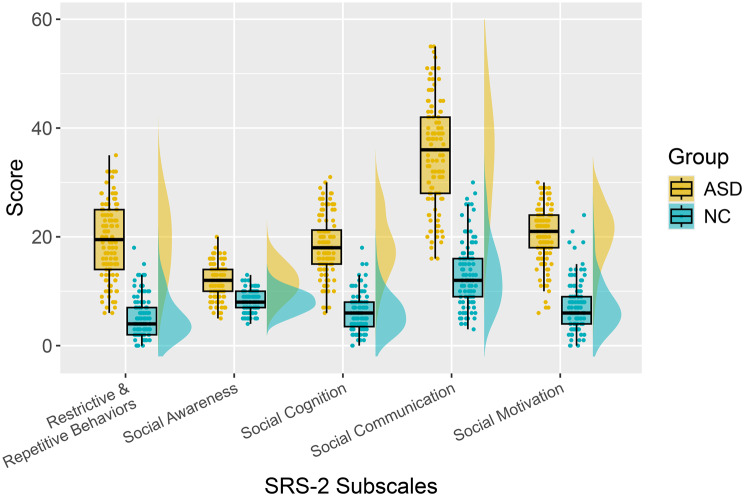 Figure 3
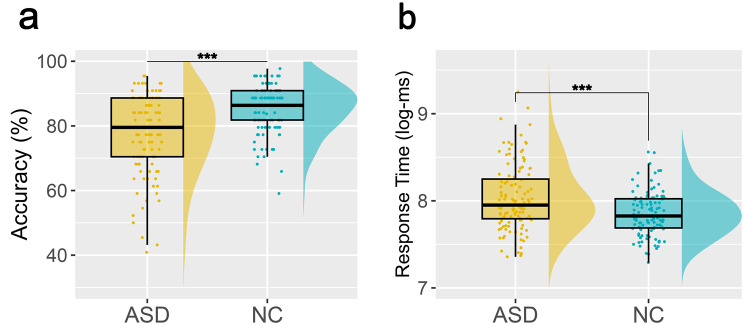 Figure 4
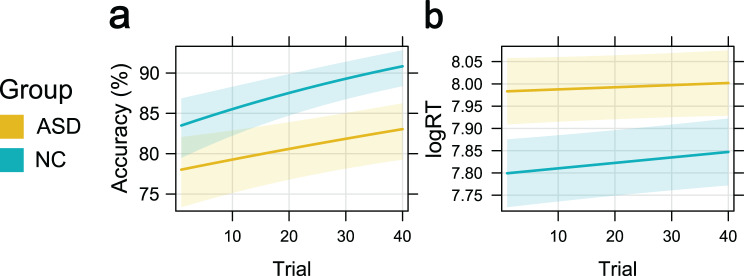 Figure 5
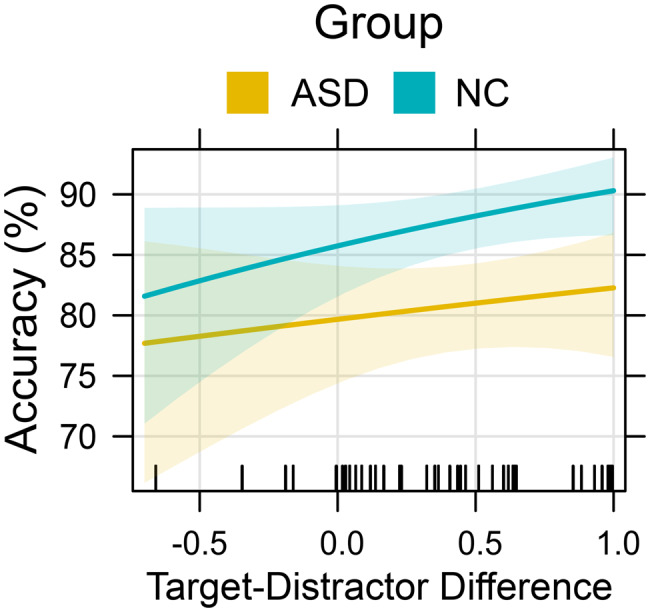 Figure 6
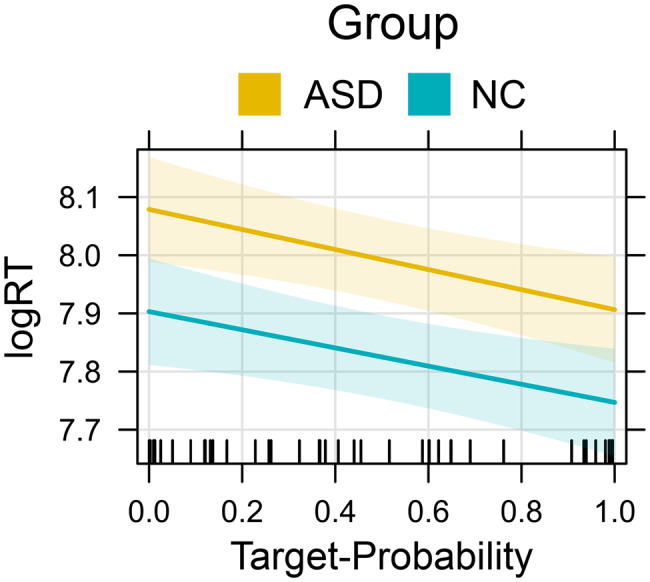 Figure 7
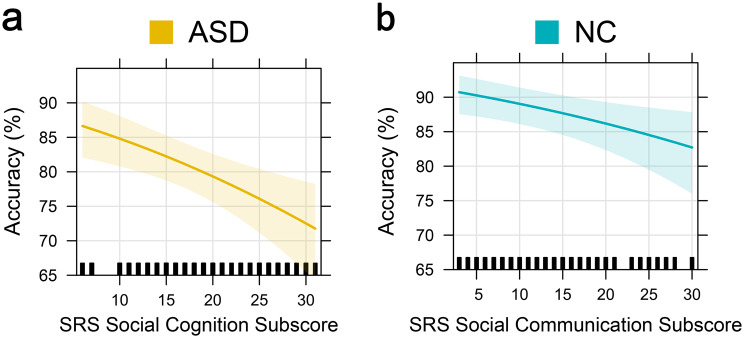 Figure 8
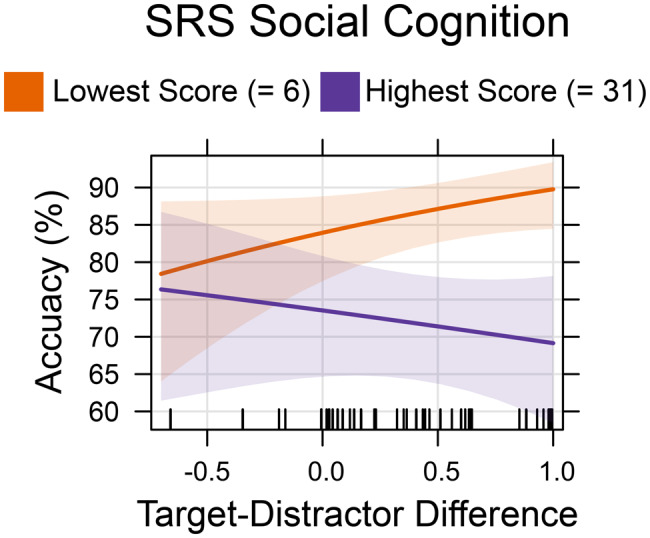 Figure 9
Peer Reviews
No public reviews on file for this paper yet. If you reviewed it on a platform where reviews are public (OpenReview, ICLR, NeurIPS, ICML), you can paste yours below so the community can read it here.
Videos
No videos yet. Explain this paper in a talk, walkthrough, or lecture? Add one.
Taxonomy
TopicsAutism Spectrum Disorder Research · Emotion and Mood Recognition · Face Recognition and Perception