Optimising Primary thErapy in pRimAry biliary cholangitis (OPERA): protocol for a randomised, double-blind, placebo-controlled trial of enhanced primary therapy with obeticholic acid
Sarah Dunn, Lysbeth Evans, Ciara Kennedy, Rebecca Wafer, Sam Moody, Faye Wolstenhulme, Emma Burton, Ann Breeze Konkoth, Holly Fisher, Thomas Chadwick, Annie Banham, Fiona Hale, Mo Christie, Stephen T Barclay, Jessica Dyson, Rachel Smith, Guruprasad Aithal, Emma Culver

TL;DR
This trial explores using obeticholic acid early in high-risk primary biliary cholangitis patients to improve treatment outcomes.
Contribution
The study introduces a new treatment paradigm by using obeticholic acid as first-line therapy for high-risk PBC patients.
Findings
The trial aims to assess if early use of obeticholic acid with UDCA achieves biochemical remission in high-risk PBC patients.
The OPERA trial will evaluate disease remission based on normalization of alkaline phosphatase and bilirubin levels after 26 weeks.
Abstract
Primary biliary cholangitis (PBC) is a rare chronic cholestatic disease that despite current therapy has significant ongoing unmet needs, including risks of cirrhosis and life-impairing symptoms. The current treatment approach is a step-up model, wherein first-line therapy, ursodeoxycholic acid (UDCA), is given for a minimum of 12 months before the addition of second-line therapy is considered for non-responding patients. This ‘waiting to fail’ approach, focused on the needs of low-risk patients, allows, we postulate, a key process of biliary epithelial cell (BEC) senescence to become established, driving accelerated bile duct loss and aggressive disease. Preclinical mouse modelling has shown that early use of the farnesoid X receptor agonist obeticholic acid (OCA), currently only used as second-line therapy following UDCA failure, reverses BEC senescence, changing the clinical course…
Genes, proteins, chemicals, diseases, species, mutations and cell lines named across the full text — each resolved to its canonical identifier and authoritative record.
Click any figure to enlarge with its caption.
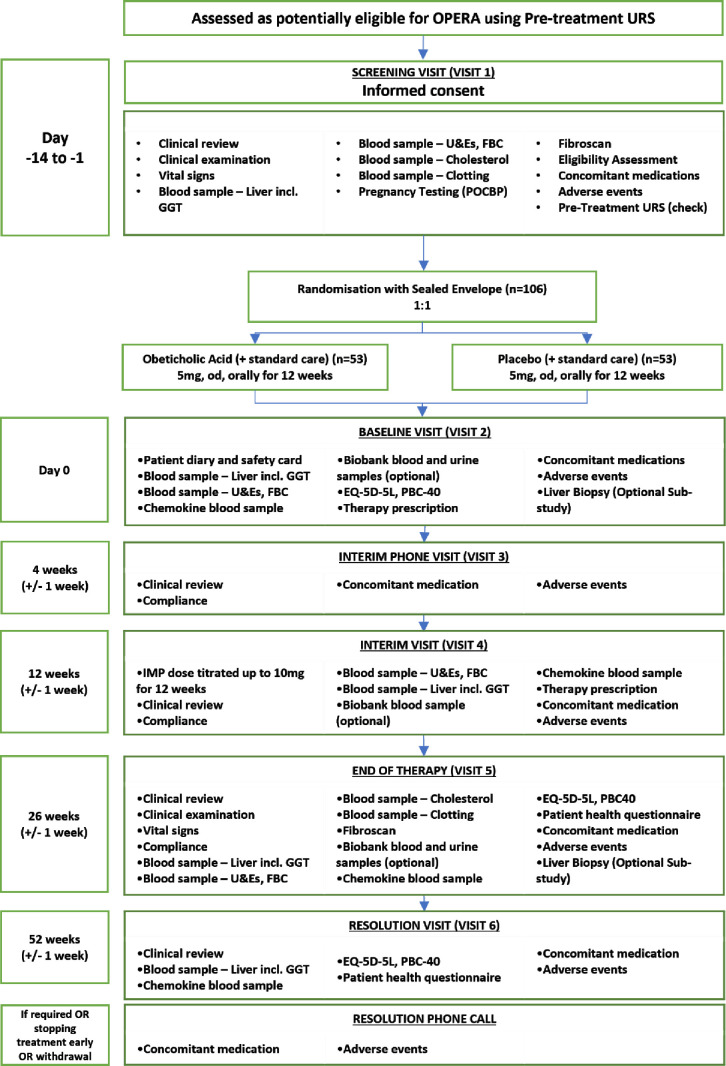 Figure 1
Peer Reviews
No public reviews on file for this paper yet. If you reviewed it on a platform where reviews are public (OpenReview, ICLR, NeurIPS, ICML), you can paste yours below so the community can read it here.
Videos
No videos yet. Explain this paper in a talk, walkthrough, or lecture? Add one.
Taxonomy
TopicsLiver Diseases and Immunity · Drug Transport and Resistance Mechanisms · Gallbladder and Bile Duct Disorders