Sex differences in familial risk and genetic components of suicide attempts: a register-based cohort study in Sweden
Thuy-Dung Nguyen, Tong Gong, Kejia Hu, Ralf Kuja-Halkola, Karen Borges, Agnieszka Butwicka, Isabell Brikell, James J Crowley, Zheng Chang, Brian M D’Onofrio, Henrik Larsson, Paul Lichtenstein, Christian Rück, Cynthia Bulik, Fang Fang, Patrick Sullivan, Yi Lu

TL;DR
This study finds that genetics play a significant role in suicide attempts, with similar genetic risks for males and females, but environmental factors may explain why females have higher rates.
Contribution
The study quantifies the heritability of suicide attempts and reveals a strong genetic overlap with psychiatric disorders, particularly substance use disorders.
Findings
Suicide attempts are more common in females than males, with stronger familial aggregation in females.
Genetic heritability of suicide attempts is moderate and largely overlaps between sexes and with psychiatric disorders like substance use disorders.
Same-sex relatives show stronger familial aggregation of suicide attempts compared to cross-sex relatives.
Abstract
Suicidal behaviour shows notable sex differences, and understanding whether genetic factors contribute to these differences is critical for identifying at-risk individuals and prevention. We aim to investigate the genetic contribution to suicide attempts and examine whether genetics account for sex differences in incidence. This population-based cohort study includes 3.1 million individuals born 1963–1998 and followed through Swedish National Registers, including hospitals and specialist outpatient diagnoses and cause of death data. Suicide attempts were identified using ICD codes, indicating intentional self-harm, self-harm using lethal methods or leading to hospitalisation, or resulting in death. Familial aggregation, coaggregation, pedigree heritability and genetic correlations were estimated using genealogical data. For sex-specific analyses, we examined mother–daughter, female…
Genes, proteins, chemicals, diseases, species, mutations and cell lines named across the full text — each resolved to its canonical identifier and authoritative record.
Click any figure to enlarge with its caption.
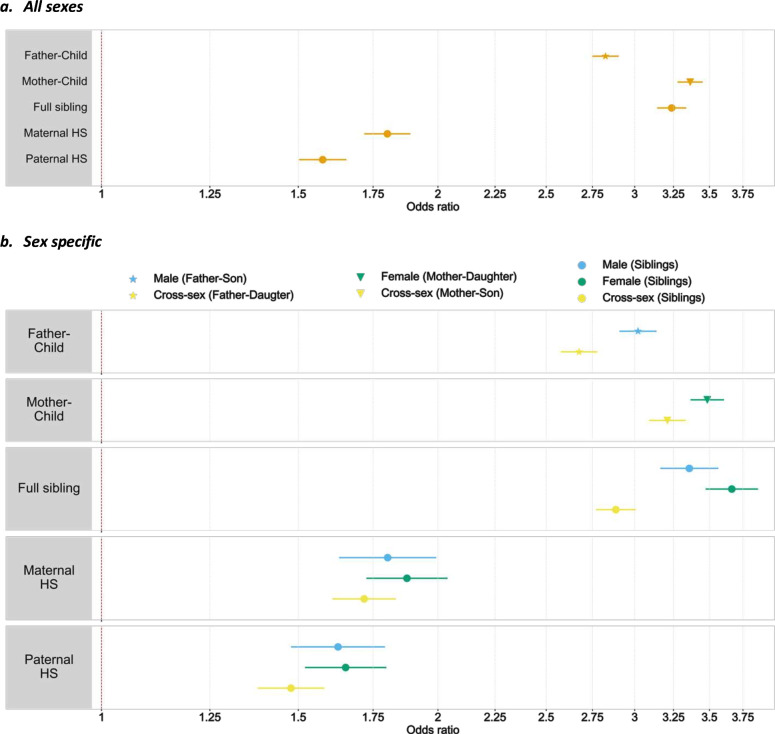 Figure 1
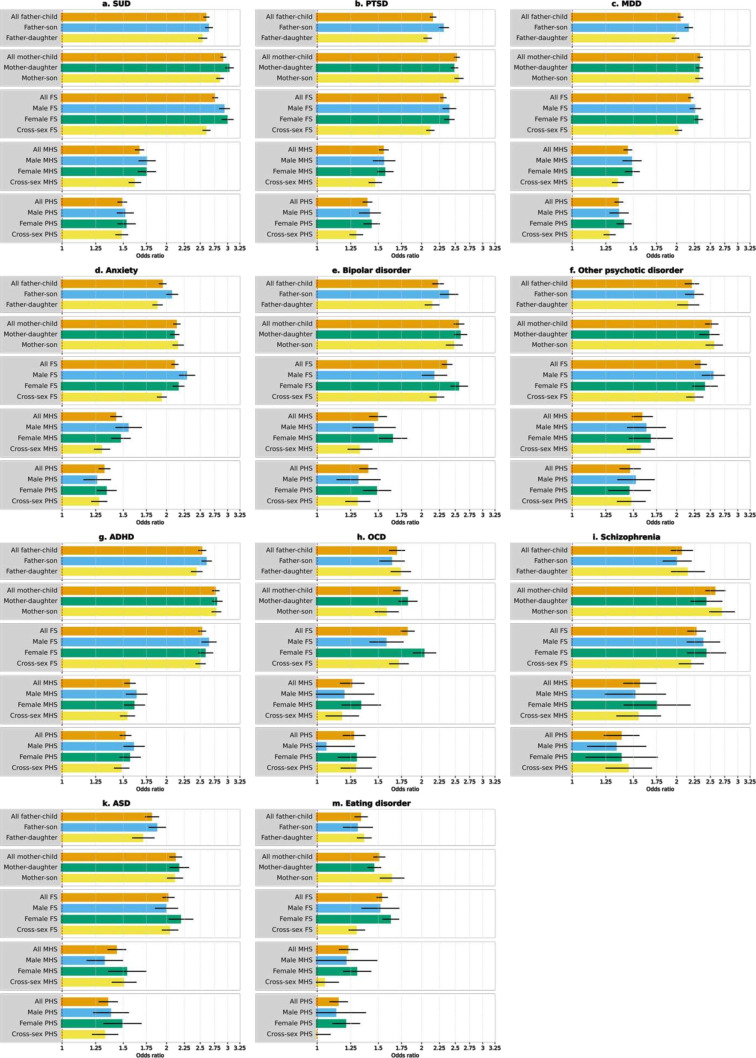 Figure 2
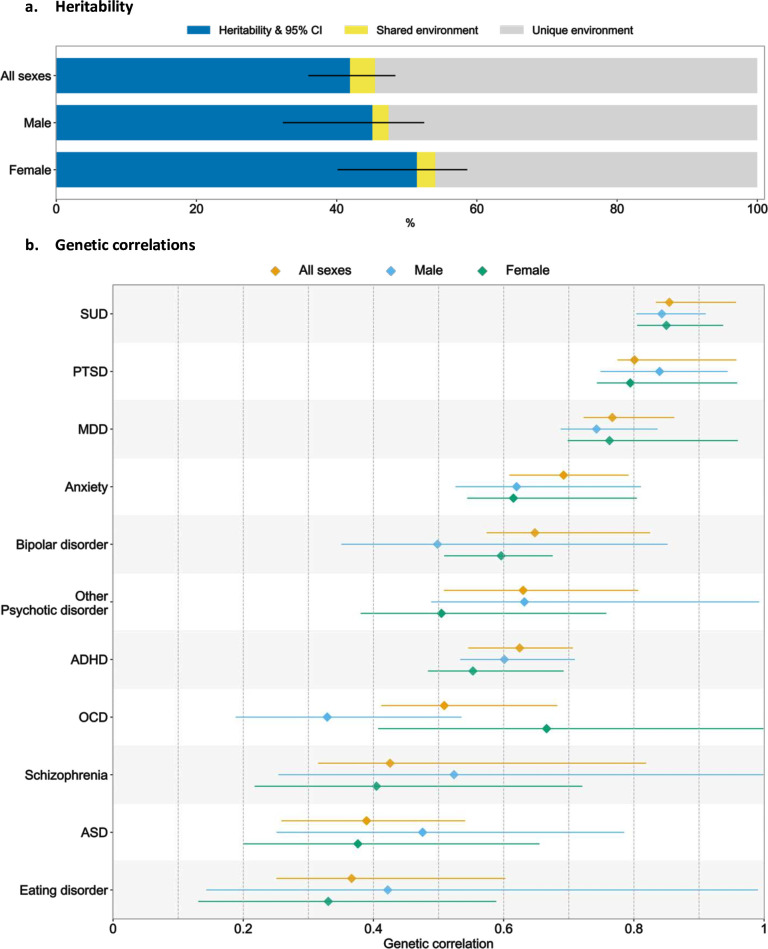 Figure 3
Peer Reviews
No public reviews on file for this paper yet. If you reviewed it on a platform where reviews are public (OpenReview, ICLR, NeurIPS, ICML), you can paste yours below so the community can read it here.
Videos
No videos yet. Explain this paper in a talk, walkthrough, or lecture? Add one.
Taxonomy
TopicsSuicide and Self-Harm Studies · Cognitive Abilities and Testing · Mental Health via Writing