Dynamic transcriptome analysis highlights collagen-integrin-mediated extracellular matrix remodeling underlying sexual dimorphism in the amplexus muscle of Bufo gargarizans
Zhiping Mi, Xinyu Liu, Yanmei Liu, Hui Ma, Chengzhi Yan

TL;DR
Male Asiatic toads develop stronger forelimb muscles for mating, and this happens early due to specific genes related to muscle structure and signaling.
Contribution
Identified collagen-integrin-mediated extracellular matrix remodeling as a novel mechanism driving sexual dimorphism in muscle development.
Findings
Males show significant FCR muscle hypertrophy starting at four months post-metamorphosis.
Eight genes, including seven collagen isoforms and ITGB6, are coordinately upregulated during dimorphism onset.
ITGB6 acts as a mechanotransduction hub linking ECM remodeling to intracellular signaling pathways.
Abstract
Sexual dimorphism in skeletal muscle is a well-recognized biological phenomenon of adaptive evolution, yet its developmental genetic basis remains poorly understood. In many anurans, males develop hypertrophied forelimb muscles to facilitate amplexus (mating embrace) during breeding season, offering an ideal model to dissect the ontogeny of sex-specific muscle growth. The aim of this study was to determine the developmental onset of sexual dimorphism in the flexor carpi radialis (FCR) muscle and to characterize the transcriptional landscape driving this phenotypic divergence. We first established the developmental timeline of sexual dimorphism in the FCRmuscle of Bufo gargarizans through morphological analysis. Based on the identified onset time, we performed comparative RNA sequencing at three critical post-metamorphic stages: pre-dimorphism (PD; 2 months post-metamorphosis), onset of…
Genes, proteins, chemicals, diseases, species, mutations and cell lines named across the full text — each resolved to its canonical identifier and authoritative record.
Click any figure to enlarge with its caption.
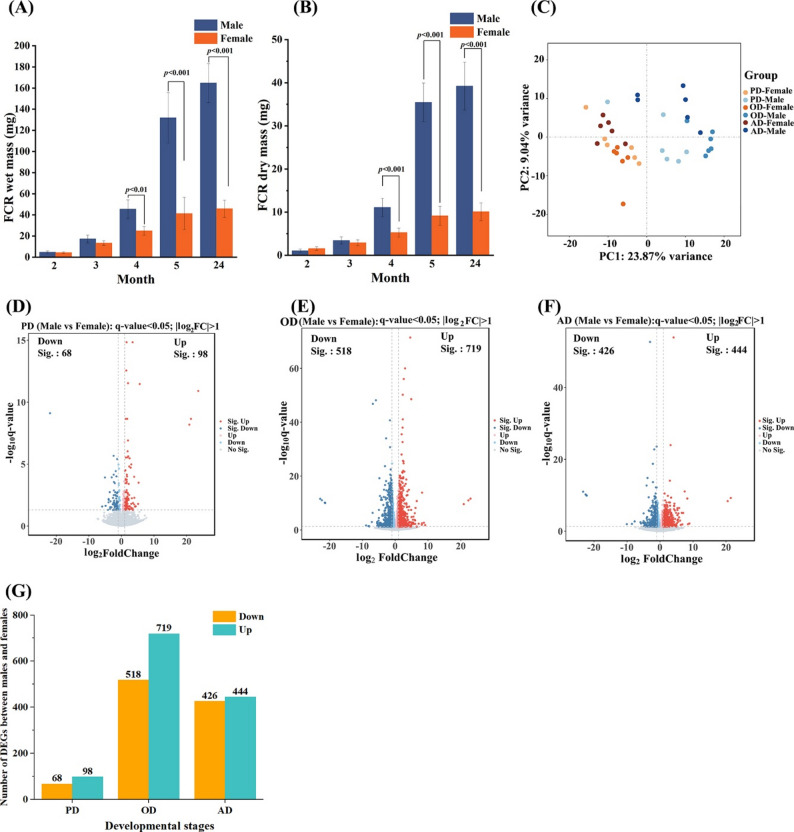 Figure 1
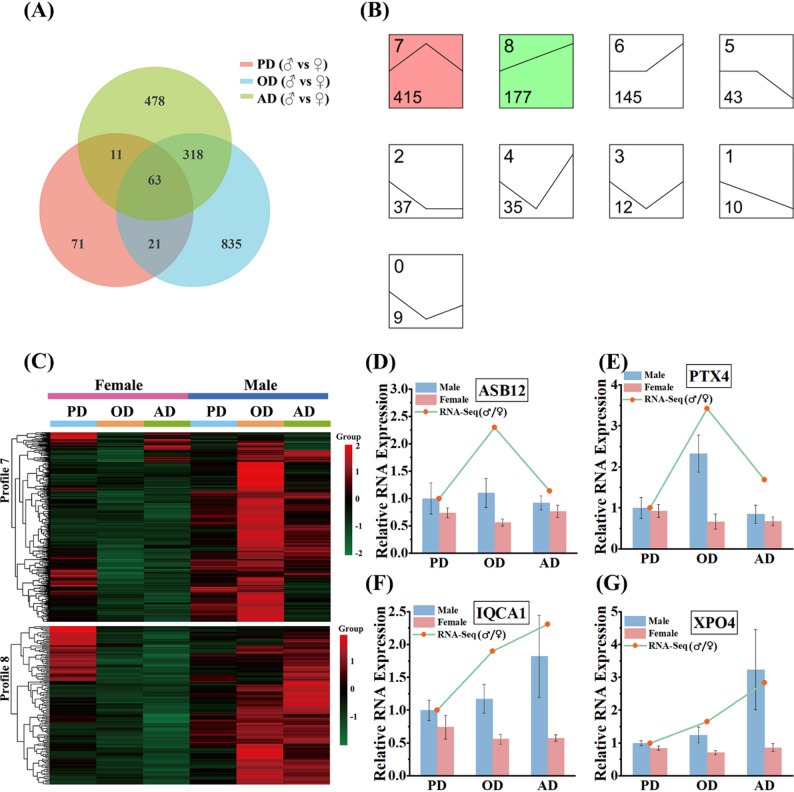 Figure 2
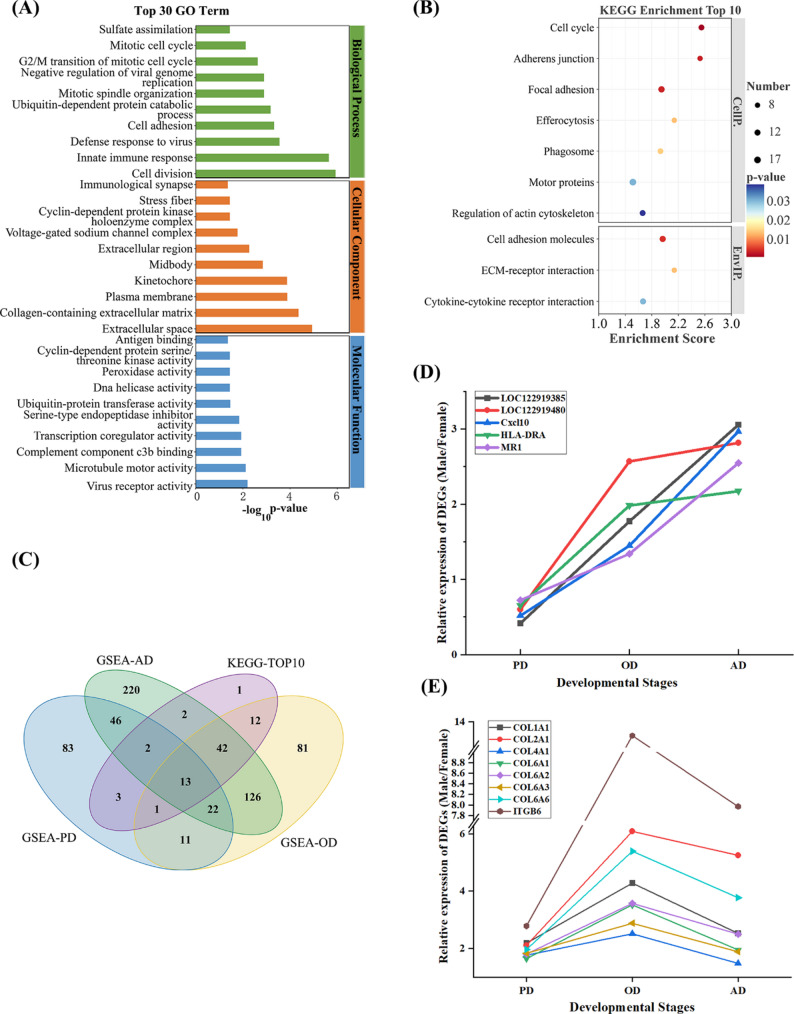 Figure 3
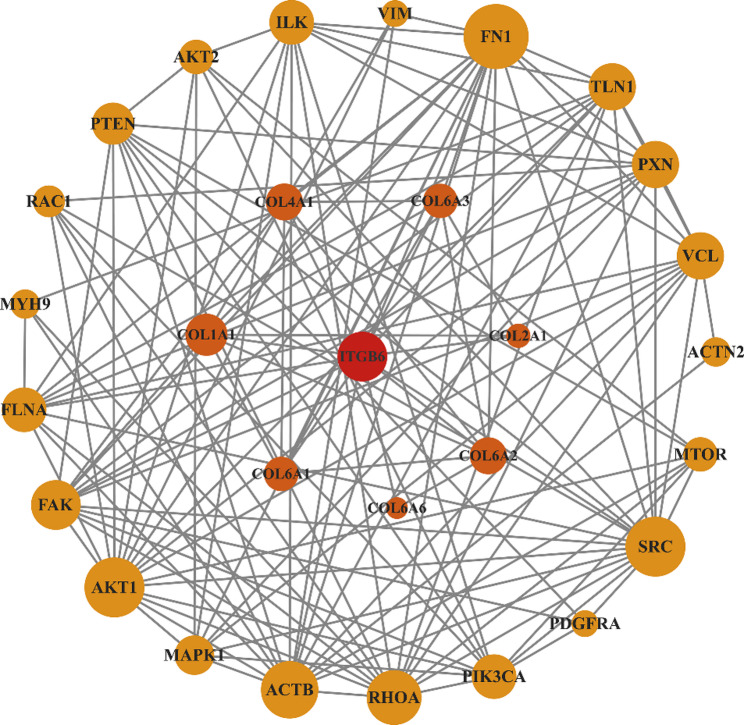 Figure 4
Peer Reviews
No public reviews on file for this paper yet. If you reviewed it on a platform where reviews are public (OpenReview, ICLR, NeurIPS, ICML), you can paste yours below so the community can read it here.
Videos
No videos yet. Explain this paper in a talk, walkthrough, or lecture? Add one.
Taxonomy
TopicsMuscle Physiology and Disorders · Developmental Biology and Gene Regulation · Amphibian and Reptile Biology