In vivo evaluation of a cytochrome P450 gene from poultry red mite, Dermanyssus gallinae, as a vaccine antigen for chicks
Jing Liu, Meng Wu, Shuo Yin, Zhonghao Wang, Zhengjie Wang, Junlong Liu, Jianhua Qin, Yicun Guo, Jianhua Zhang, Chuanwen Wang, Yuzhu Zuo

TL;DR
A cytochrome P450 gene from poultry red mites was tested as a vaccine for chicks, showing reduced mite survival and reproduction.
Contribution
The study evaluates a novel P450 gene from Dermanyssus gallinae as a potential vaccine antigen for mite control in poultry.
Findings
Immunization with rCYP-3 reduced nymph survival by 22.4% and mite fecundity by 22.0%.
The Deg-CYP-3 gene showed stable expression across mite life stages and feeding conditions.
Vaccine efficacy was calculated at 30.6% in immunized birds.
Abstract
Dermanyssus gallinae is a prevalent ectoparasite in the poultry farms, inflicting damage on chicken health through blood-sucking. Chemical acaricides commonly used for mite control often show reduced efficacy due to the development of resistance. Therefore, alternative control methods are needed, and vaccination is a promising strategy for controlling D. gallinae. The mRNA expression of Deg-CYP-3 in mites at various developmental stages, as well as under fed and starved conditions, was analyzed. Subsequently, recombinant protein rCYP-3 was induced, purified, and employed for immunization. Following immunization, antibodies were analyzed and mite challenge was then conducted. Following a 12 h period of blood-feeding on chicks, the mites were collected to evaluate the acaricidal efficacy of the rCYP-3 vaccine. The Deg-CYP-3 gene was expressed across all life stages and maintained stable…
Genes, proteins, chemicals, diseases, species, mutations and cell lines named across the full text — each resolved to its canonical identifier and authoritative record.
Click any figure to enlarge with its caption.
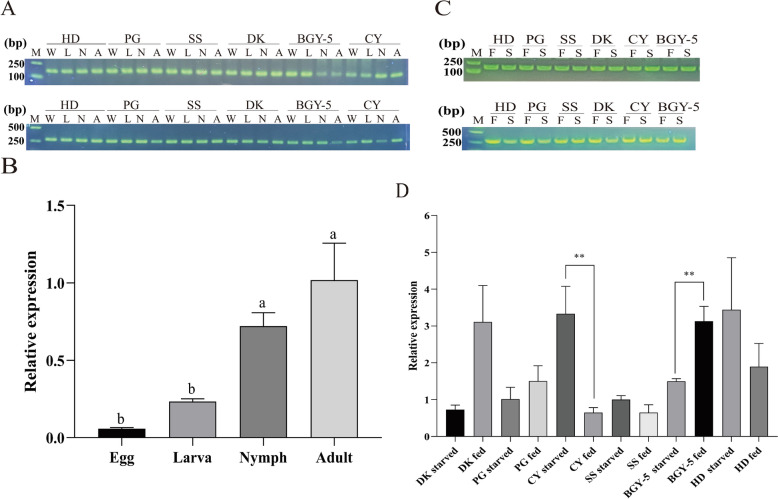 Figure 1
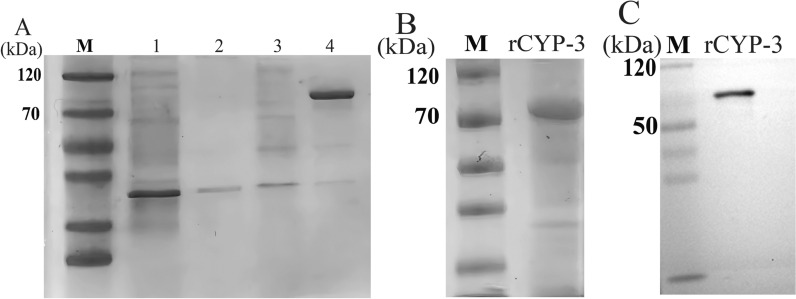 Figure 2
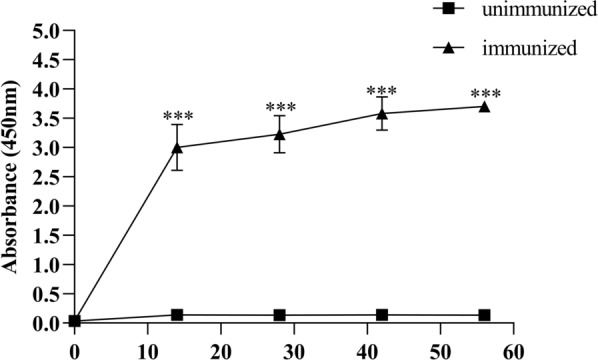 Figure 3
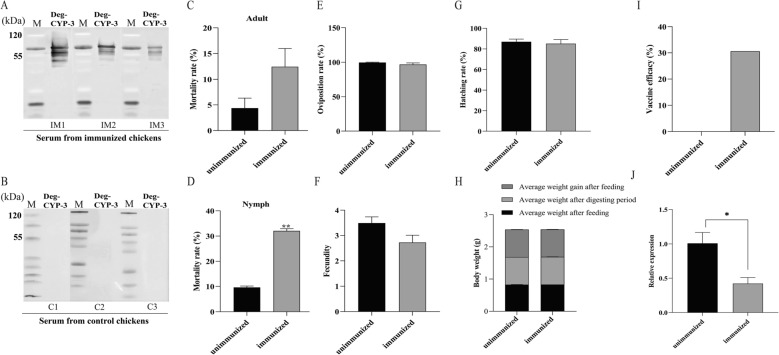 Figure 4
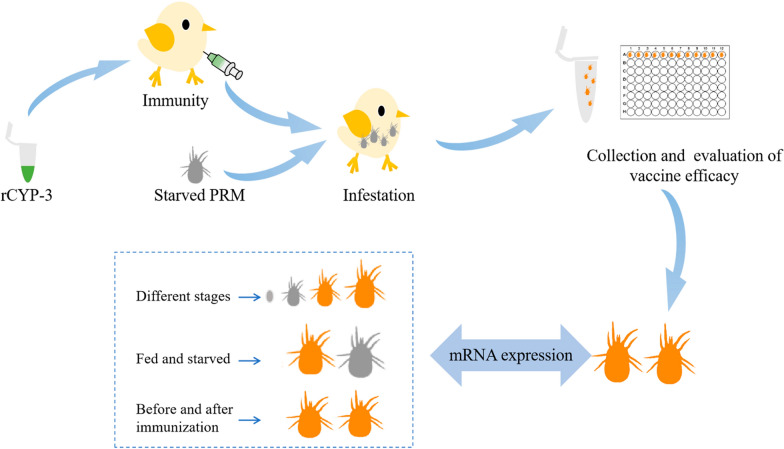 Figure 5
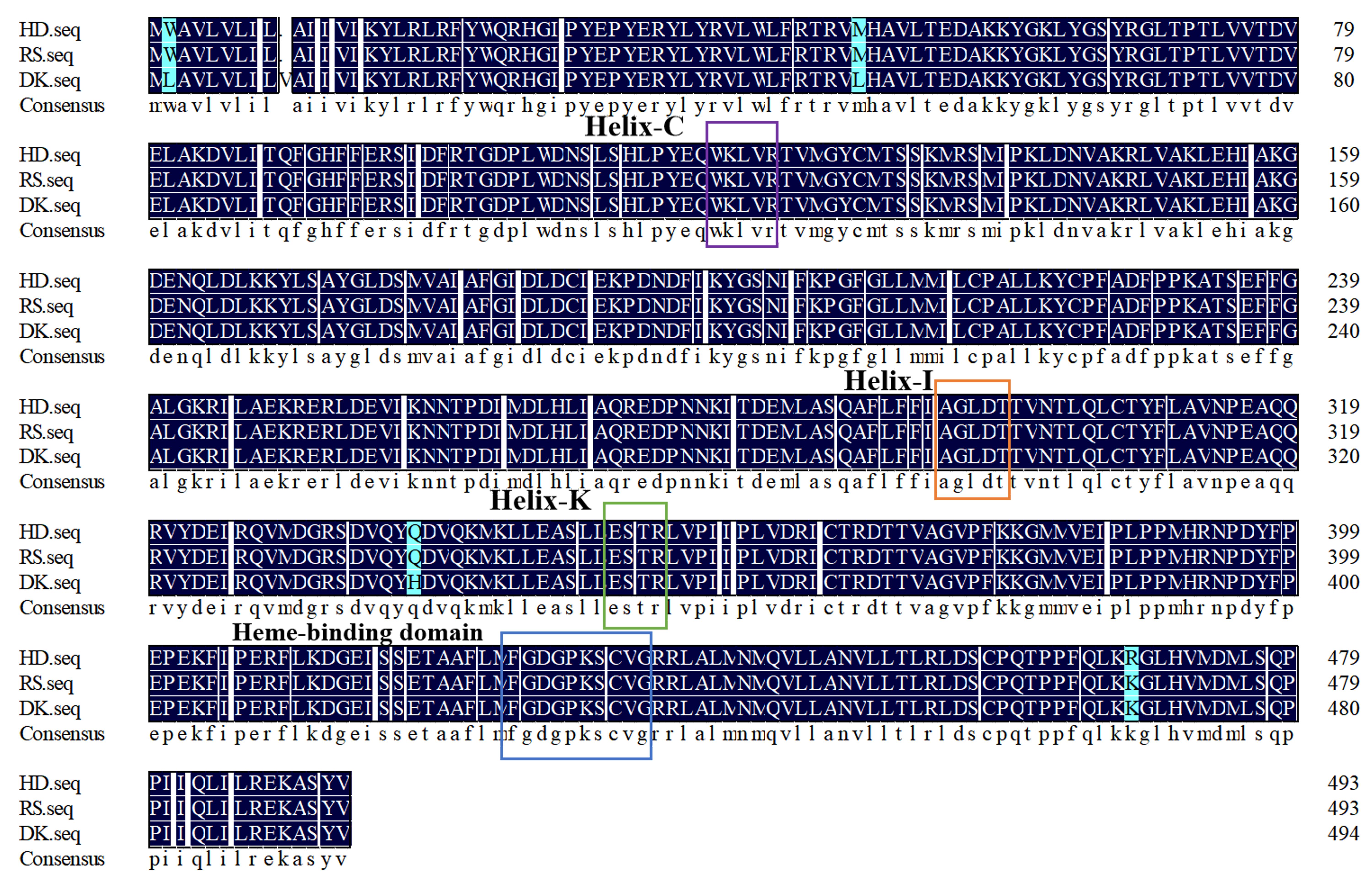 Figure 6
Peer Reviews
No public reviews on file for this paper yet. If you reviewed it on a platform where reviews are public (OpenReview, ICLR, NeurIPS, ICML), you can paste yours below so the community can read it here.
Videos
No videos yet. Explain this paper in a talk, walkthrough, or lecture? Add one.
Taxonomy
TopicsBird parasitology and diseases · Coccidia and coccidiosis research · Vector-borne infectious diseases