Prescriber adherence to treatment guidelines for monoclonal antibodies against Calcitonin Gene-Related Peptide in migraine prophylaxis – a register-based cohort study
Sofia Nordenmalm, Rickard E. Malmström, Sara Freyland, A. Ingela M Nilsson Remahl, Karin Wirdefeldt, Isabella Ekheden

TL;DR
This study examines how well doctors in Stockholm followed guidelines when prescribing migraine treatments called CGRP mAbs and finds that while guidelines were mostly followed, frequent drug switching led to lower treatment persistence.
Contribution
The study provides empirical evidence on prescriber adherence and treatment persistence patterns during the national rollout of CGRP mAbs for migraine prophylaxis in Sweden.
Findings
97% of CGRP mAb prescriptions were issued by neurology or headache specialists, indicating adherence to prescriber qualification guidelines.
Treatment persistence declined with each successive drug sequence, with a 12-month persistence rate of 58% in the first sequence and 46% in the third.
Switching between CGRP mAbs was common, suggesting a need for clearer guidance to avoid unnecessary switches and improve treatment outcomes.
Abstract
Calcitonin Gene-Related Peptide targeting monoclonal antibodies (CGRP mAbs) were introduced for migraine prophylaxis in Sweden through the National Joint Introduction process to ensure an equal, cost-effective, and appropriate national use. This study aimed to assess prescriber adherence to treatment guidelines and evaluate patient treatment persistence during the national introduction of CGRP mAbs. In this register-based cohort study, we followed individuals with a migraine diagnosis or dispensation of migraine drugs within Stockholm County from July 2018 to June 2022. We evaluated the guidelines for CGRP mAb treatment (erenumab, fremanezumab, or galcanezumab) according to four categories: 1) patient eligibility, 2) prescriber qualifications, 3) treatment evaluation, and 4) monitoring/reporting. We used a Sankey diagram to illustrate treatment switching and discontinuation patterns…
Genes, proteins, chemicals, diseases, species, mutations and cell lines named across the full text — each resolved to its canonical identifier and authoritative record.
Click any figure to enlarge with its caption.
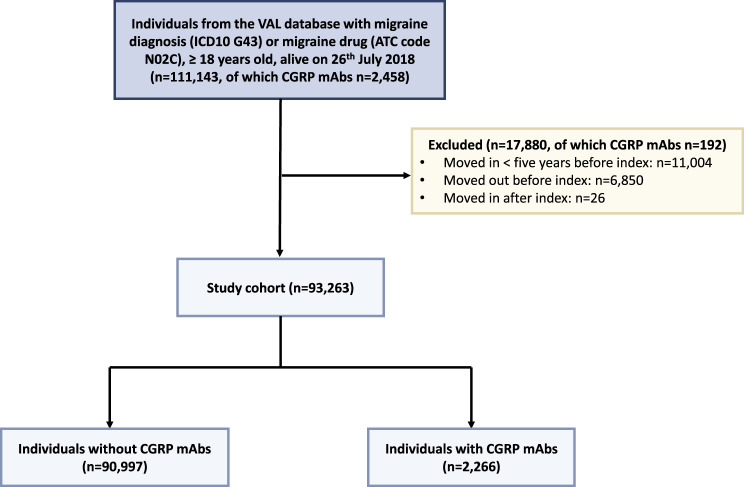 Figure 1
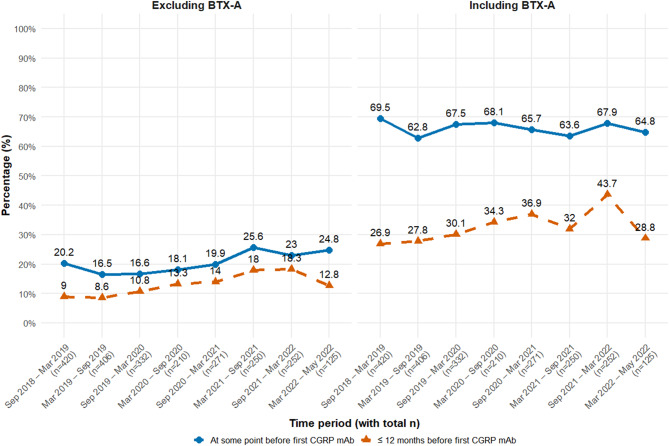 Figure 2
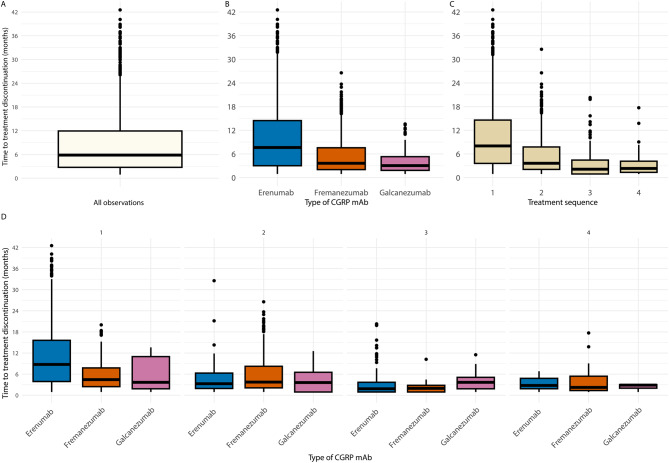 Figure 3
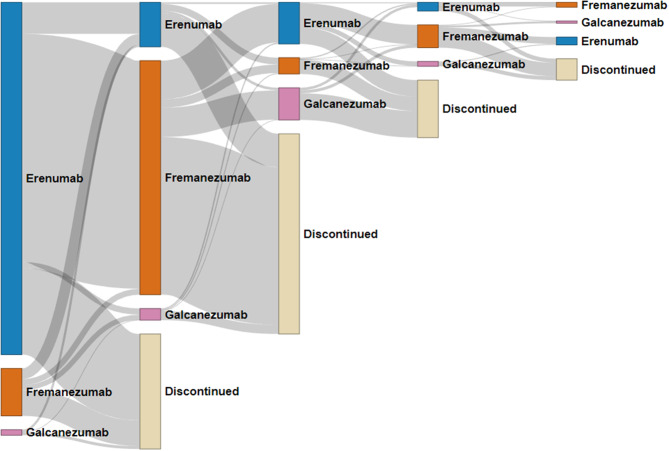 Figure 4
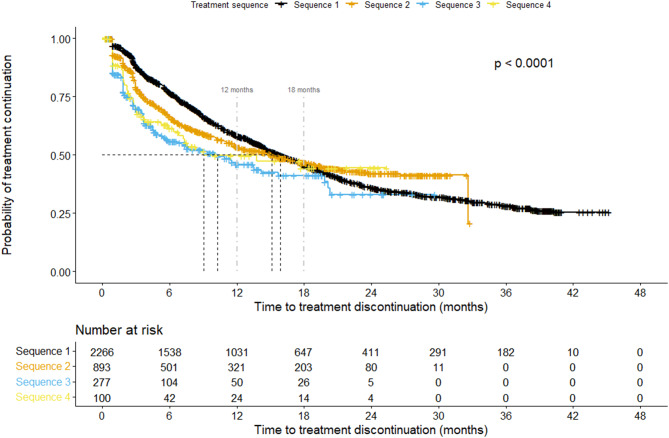 Figure 5
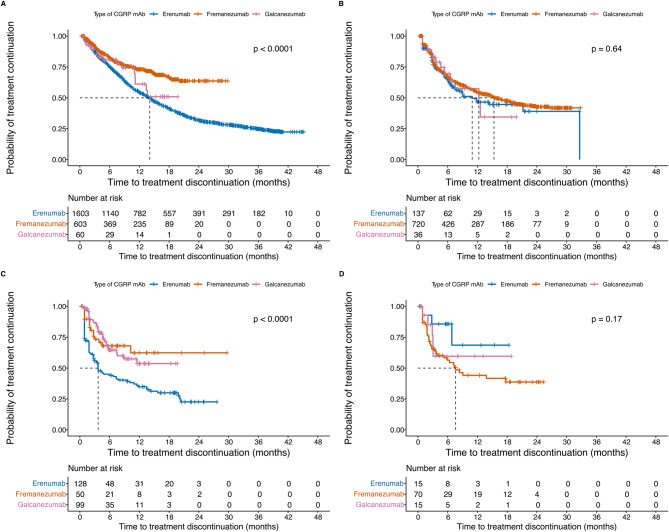 Figure 6
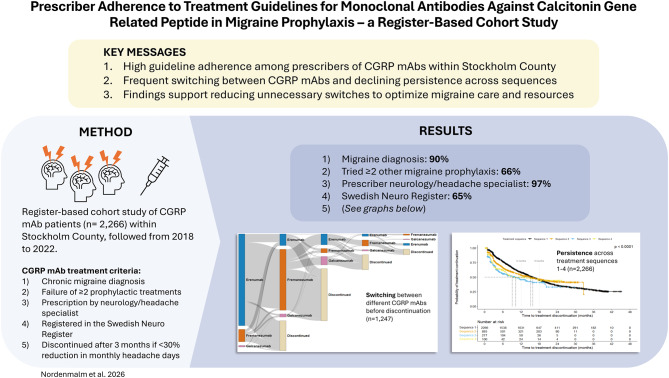 Figure 7
Peer Reviews
No public reviews on file for this paper yet. If you reviewed it on a platform where reviews are public (OpenReview, ICLR, NeurIPS, ICML), you can paste yours below so the community can read it here.
Videos
No videos yet. Explain this paper in a talk, walkthrough, or lecture? Add one.
Taxonomy
TopicsMigraine and Headache Studies · Neurological Complications and Syndromes · Sexual function and dysfunction studies