Computational study of the effect of Lewis base additives and molecular spin state in SmI2-chemistry
Song Yu, Ciro Romano, David J. Procter, Nikolas Kaltsoyannis

TL;DR
This paper uses computational methods to explore how Lewis base additives affect SmI2 chemistry, influencing reactivity and reaction pathways.
Contribution
The study reveals how Lewis base additives modulate SmI2's reducing power and reaction mechanisms through coordination and electronic effects.
Findings
Lewis base additives influence SmI2's reducing power via coordination geometry and basicity.
LB additives reshape reaction profiles by altering rate-determining steps in SmI2-catalyzed reactions.
A novel septet pathway was identified as more efficient than the conventional quintet route in coupling reactions.
Abstract
SmI2 has become a crucial reagent in organic chemistry due to its ability to facilitate single-electron transfer (SET) reactions under mild conditions, enabling the construction of complex molecular architectures. Its versatility can be further enhanced by the use of additives, particularly Lewis base (LB) additives. In this study, we provide a computational understanding of the multifaceted role of LB additives in SmI2 chemistry. We first identify the critical interplay between the basicity of the LB and the coordination geometry, which together dictate the reducing power of SmI2(LB)n complexes. For example, the relatively weak LB tetrahydrofuran (THF), a less bulky ligand than analogous ethers such as tetrahydropyran (THP), can achieve tight coordination to Sm, thereby enhancing electron donation and the reducing power of SmI2. Additionally, we investigate the SET reduction of various…
Genes, proteins, chemicals, diseases, species, mutations and cell lines named across the full text — each resolved to its canonical identifier and authoritative record.
Click any figure to enlarge with its caption.
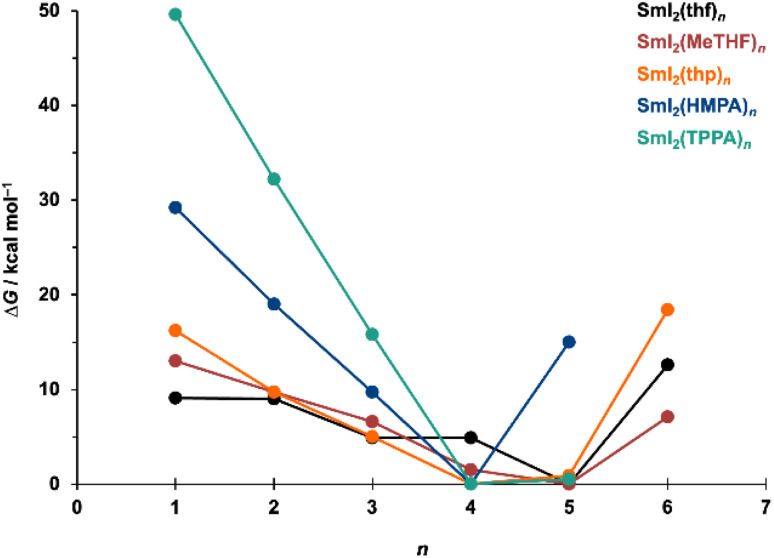 Figure 1
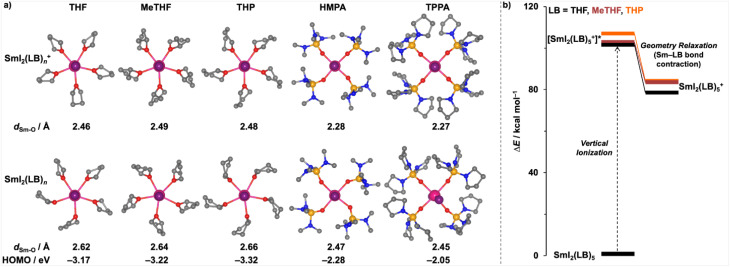 Figure 2
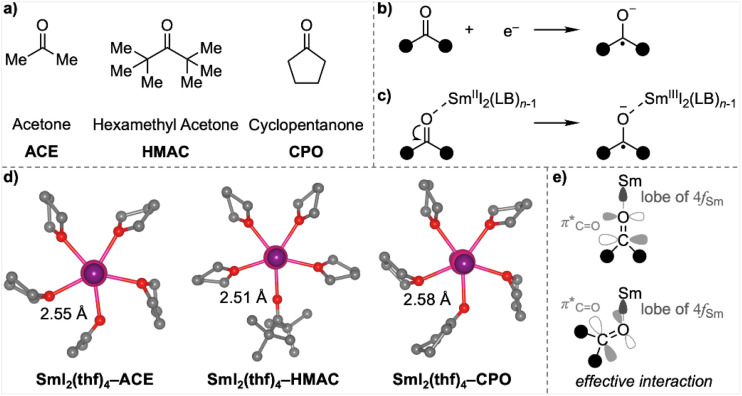 Figure 3
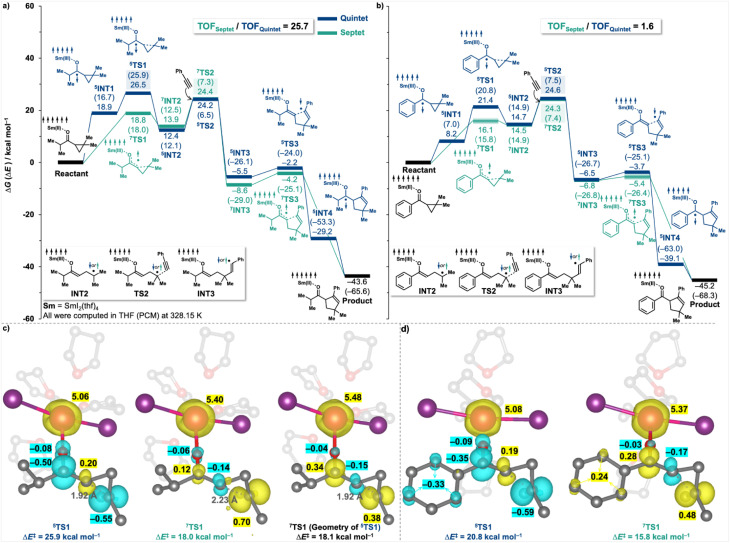 Figure 4
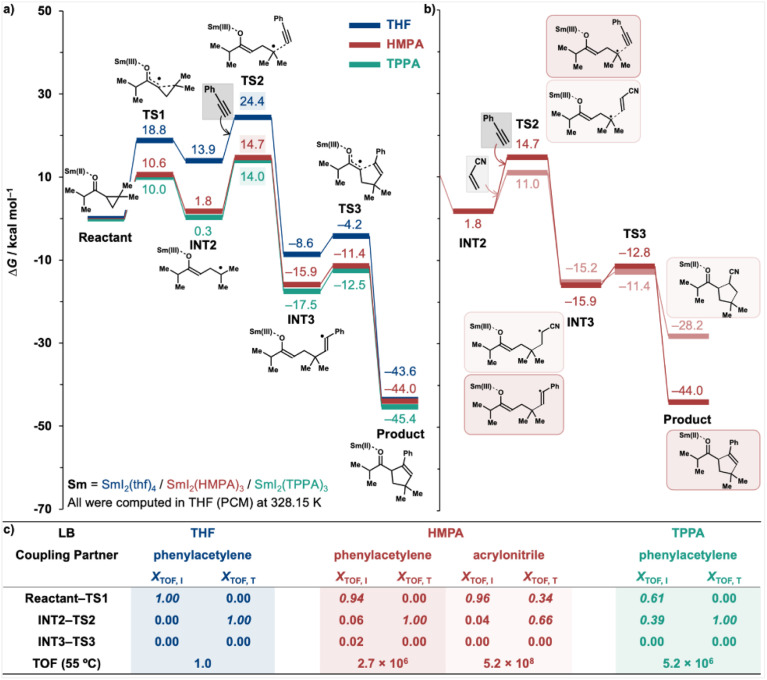 Figure 5
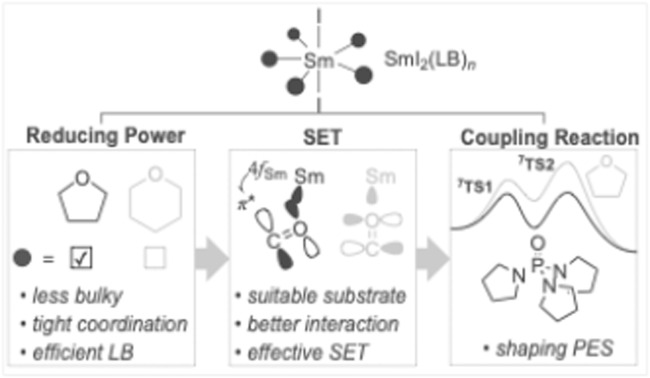 Figure 6
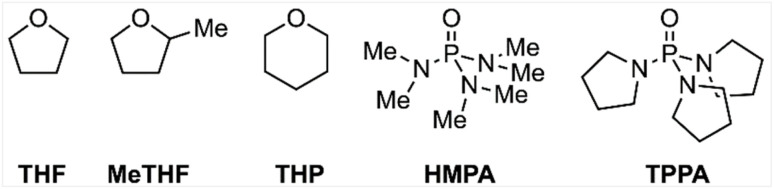 Figure 7
Peer Reviews
No public reviews on file for this paper yet. If you reviewed it on a platform where reviews are public (OpenReview, ICLR, NeurIPS, ICML), you can paste yours below so the community can read it here.
Videos
No videos yet. Explain this paper in a talk, walkthrough, or lecture? Add one.
Taxonomy
TopicsMetal-Catalyzed Oxygenation Mechanisms · Organometallic Complex Synthesis and Catalysis · Magnetism in coordination complexes