Immediate implant using an inverted body-shift design versus a conventional conical implant: A randomized clinical trial with 1 year follow-up
Andrea Galve-Huertas, Susana García-González, Louis Decadt, Octavi Ortíz-Puigpelat, Federico Hernández-Alfaro, Samir Aboul-Hosn Centenero

TL;DR
This study compares two types of dental implants placed immediately after tooth extraction, finding both effective with similar success rates and aesthetics after one year.
Contribution
The study introduces a novel implant design with an inverted body-shift and evaluates its clinical performance against conventional implants in immediate post-extraction placement.
Findings
Both implant types showed 100% survival and comparable aesthetic outcomes.
The test group had higher insertion torque but lower success rates (73.3%) compared to the control (93.3%).
Vertical bone loss varied by implant type, with no significant difference in horizontal bone loss.
Abstract
Immediate implant placement is a technique-sensitive procedure, requiring precise positioning on the palatal aspect to ensure ideal prosthetic emergence and contour. Achieving primary stability is essential for the placement of an immediate provisional crown. The Inverted Co-Axis implant is uniquely designed for this purpose, featuring a 12-degree angled neck and a widened middle third, allowing central positioning within the alveolar socket while maintaining primary stability. Given its uncommon use, this study aimed to compare the performance of the Inverted Co-Axis implant with that of a conventional conical implant. A randomized controlled trial was conducted with 30 patients, equally divided into two groups (n=15). Immediate implants were placed in the anterior maxilla, each restored with an immediate provisional crown and accompanied by connective tissue grafting during surgery.…
Genes, proteins, chemicals, diseases, species, mutations and cell lines named across the full text — each resolved to its canonical identifier and authoritative record.
Click any figure to enlarge with its caption.
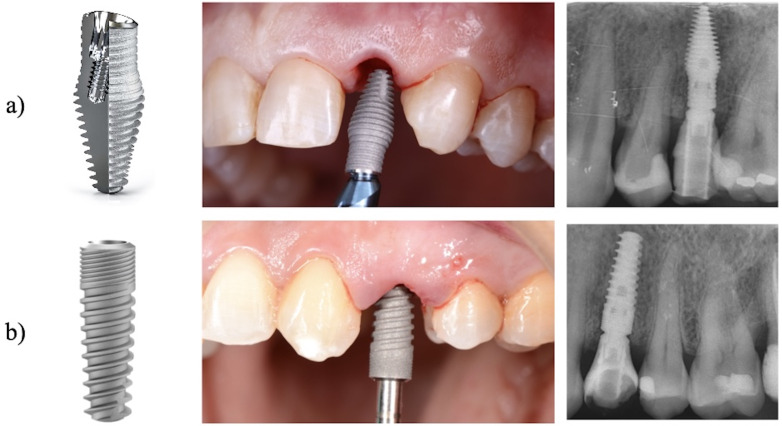 Figure 1
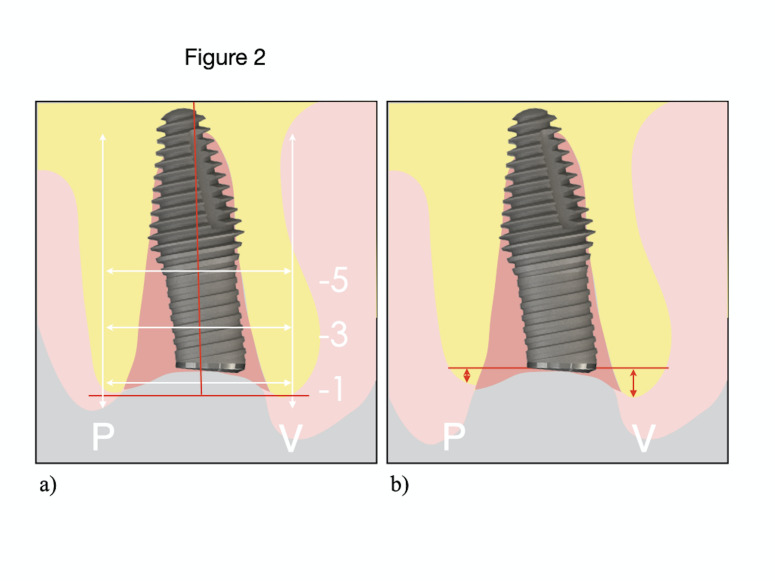 Figure 2
Peer Reviews
No public reviews on file for this paper yet. If you reviewed it on a platform where reviews are public (OpenReview, ICLR, NeurIPS, ICML), you can paste yours below so the community can read it here.
Videos
No videos yet. Explain this paper in a talk, walkthrough, or lecture? Add one.
Taxonomy
TopicsDental Implant Techniques and Outcomes · Bone health and osteoporosis research · Breast Implant and Reconstruction