Mapping Optical Chirality with Single Fluorescent Molecules
Daniel Marx, Ivan Gligonov, David Malsbenden, Dominik Wöll, Oleksii Nevskyi, Jörg Enderlein

TL;DR
Researchers used single fluorescent molecules to map the structure of chiral light fields at the nanoscale, revealing how light interacts with matter.
Contribution
This work introduces single fluorescent molecules as quantitative nanoprobes for mapping optical chirality and polarization.
Findings
Single molecules can visualize the handedness of circularly polarized light at the nanoscale.
Measured fluorescence patterns align with vectorial diffraction models, revealing molecular orientations and field structures.
The method enables accurate characterization of complex light fields in nanophotonic and plasmonic systems.
Abstract
Single fluorescent molecules, acting as ideal point dipoles, offer a unique means to probe light–matter interactions at the nanoscale. Here, we exploit this property to map the chiral and vectorial structure of tightly focused optical fields using individual, immobilized terrylene diimide molecules. By scanning the excitation focus under linear and circular polarization, we obtain three-dimensional fluorescence excitation maps that directly visualize the handedness and symmetry breaking inherent to circularly polarized light. The measured patterns show excellent quantitative agreement with a full vectorial diffraction model, enabling the accurate determination of both molecular orientations and the local field structure. This approach establishes single molecules as quantitative nanoprobes of optical chirality, offering new strategies for characterizing complex light fields and…
Genes, proteins, chemicals, diseases, species, mutations and cell lines named across the full text — each resolved to its canonical identifier and authoritative record.
Click any figure to enlarge with its caption.
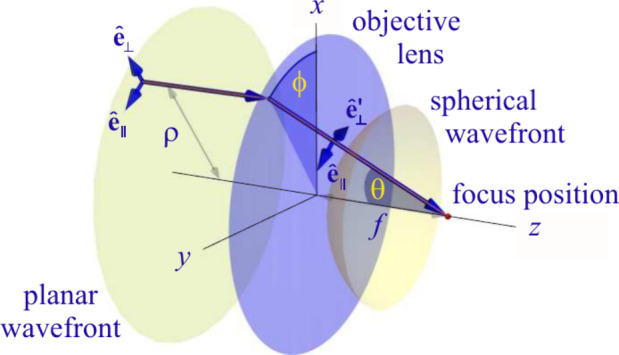 Figure 1
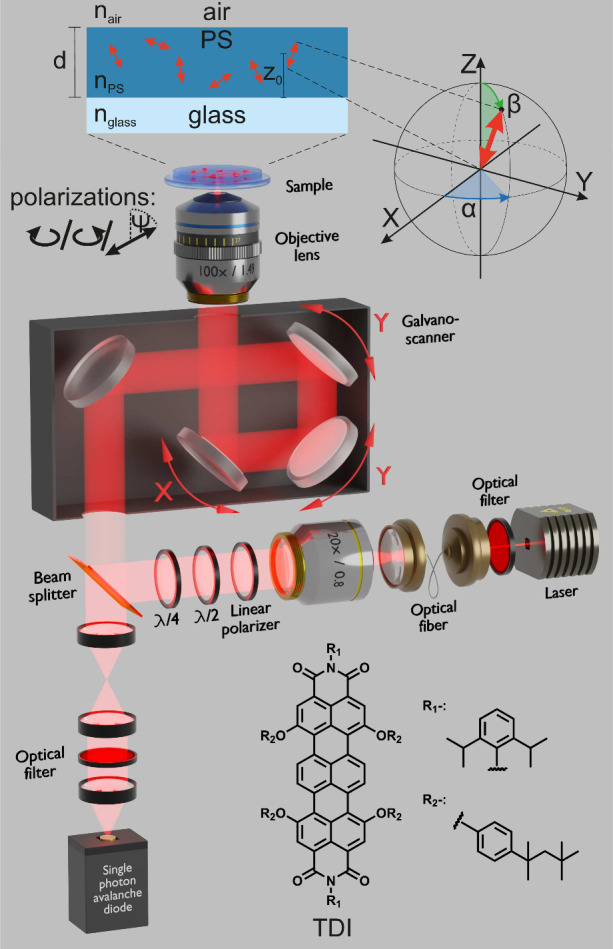 Figure 2
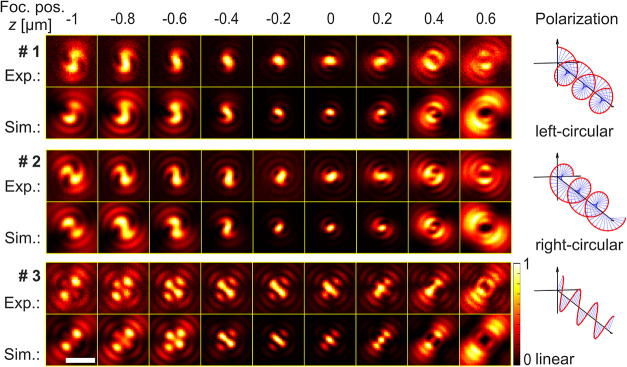 Figure 3
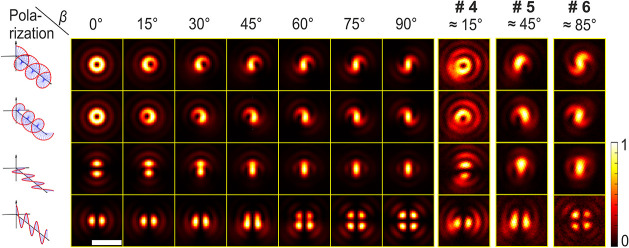 Figure 4
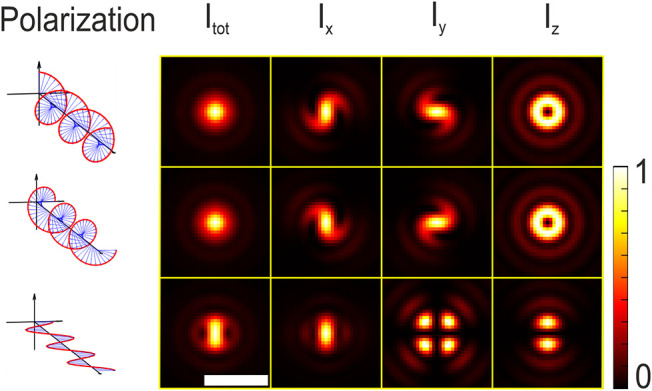 Figure 5
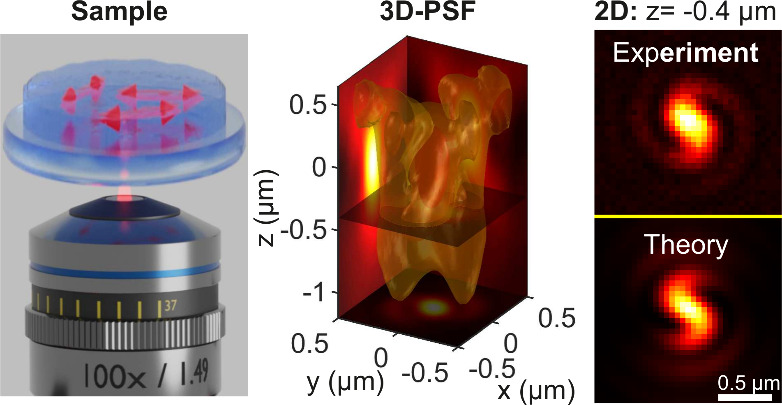 Figure 6
 Figure 7
 Figure 8
 Figure 9
 Figure 10
Peer Reviews
No public reviews on file for this paper yet. If you reviewed it on a platform where reviews are public (OpenReview, ICLR, NeurIPS, ICML), you can paste yours below so the community can read it here.
Videos
No videos yet. Explain this paper in a talk, walkthrough, or lecture? Add one.
Taxonomy
TopicsMetamaterials and Metasurfaces Applications · Strong Light-Matter Interactions · Plasmonic and Surface Plasmon Research