Machine learning-based prediction of PASI100 response to secukinumab in patients with psoriasis: a real-world study with SHAP interpretability analysis
Fengming Hu, Jian Gong, Yuxin Li, Xiaohua Tao, Lihua Zhang

TL;DR
This study uses machine learning to predict which psoriasis patients will achieve complete skin clearance with secukinumab, highlighting baseline disease severity as a key factor.
Contribution
Development of Random Forest and LightGBM models with SHAP interpretability for predicting PASI100 response to secukinumab in real-world psoriasis patients.
Findings
41.25% of patients achieved PASI100 response after 3 months of secukinumab treatment.
Baseline disease severity indicators (bIGA, bBSA, bPASI, bDLQI) were the most important predictors of PASI100 response.
Random Forest and LightGBM models showed moderate discriminative ability with testing AUCs of 0.757 and 0.761, respectively.
Abstract
Secukinumab, an interleukin-17A (IL-17A) inhibitor, has demonstrated significant efficacy in treating moderate-to-severe plaque psoriasis. Achieving complete skin clearance (PASI 100) is the ideal therapeutic goal. However, individual responses vary, and tools to accurately predict PASI 100 response in real-world settings are lacking. In this retrospective study, we analyzed data from 11,134 psoriasis patients who were treated with secukinumab for 3 months. The dataset was randomly split into training (70%) and testing (30%) sets. Univariate analysis and LASSO regression were used for feature selection. Eight machine learning algorithms, including Random Forest, LightGBM, and Logistic Regression, were developed to predict treatment response. Model performance was evaluated using the Area Under the Receiver Operating Characteristic Curve (AUC). SHapley Additive exPlanations (SHAP)…
Genes, proteins, chemicals, diseases, species, mutations and cell lines named across the full text — each resolved to its canonical identifier and authoritative record.
Click any figure to enlarge with its caption.
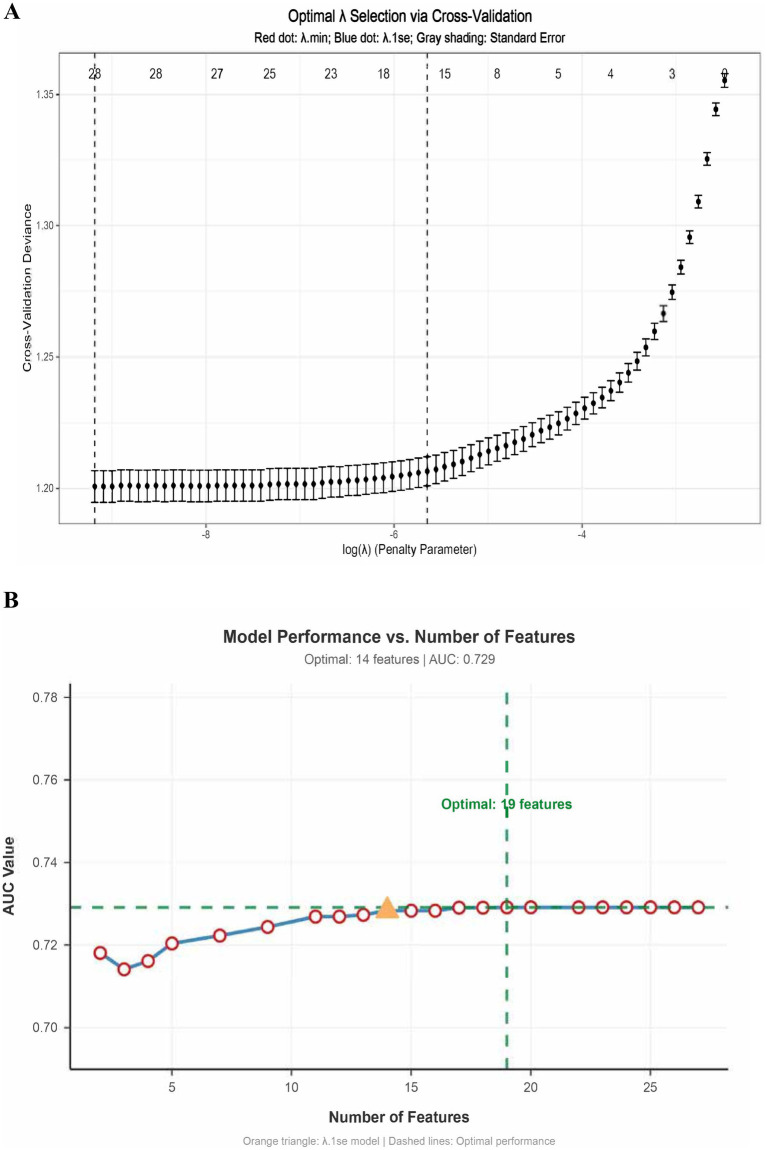 Figure 1
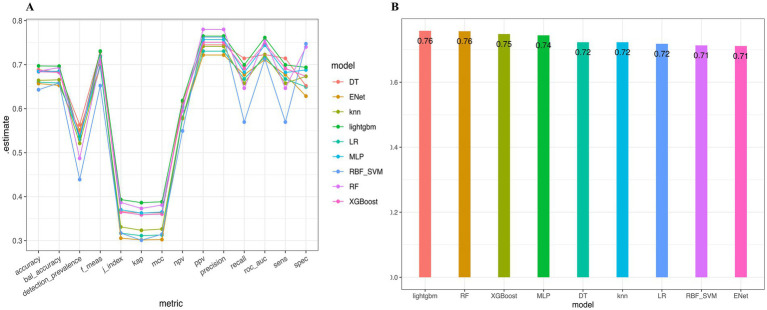 Figure 2
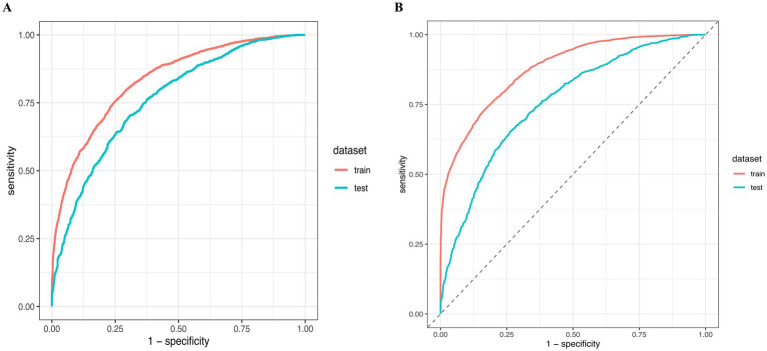 Figure 3
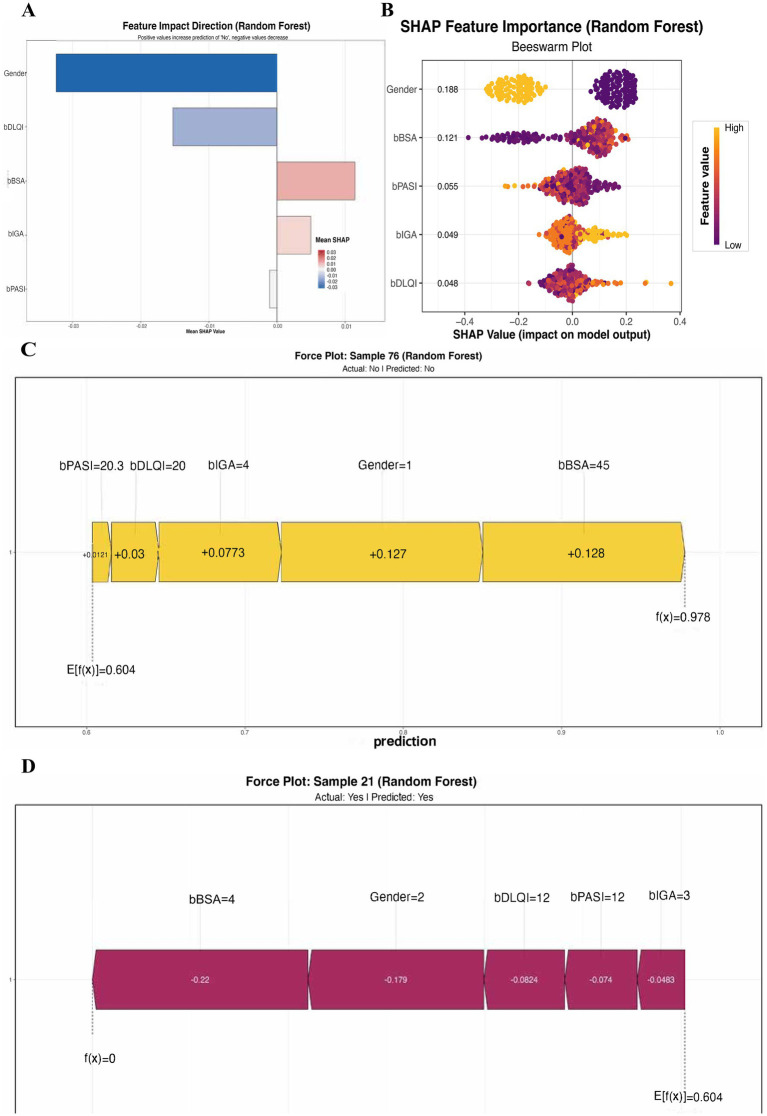 Figure 4
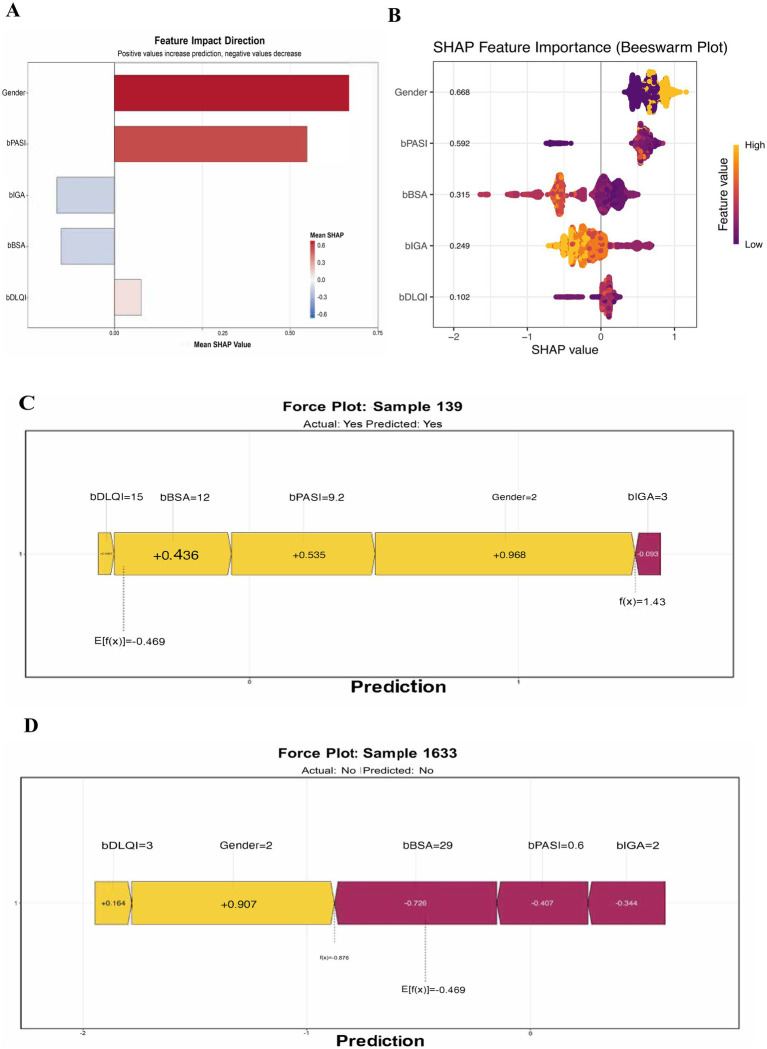 Figure 5
Peer Reviews
No public reviews on file for this paper yet. If you reviewed it on a platform where reviews are public (OpenReview, ICLR, NeurIPS, ICML), you can paste yours below so the community can read it here.
Videos
No videos yet. Explain this paper in a talk, walkthrough, or lecture? Add one.
Taxonomy
TopicsPsoriasis: Treatment and Pathogenesis · Spondyloarthritis Studies and Treatments · Dermatology and Skin Diseases