Dynamic Covalent Boronate Chemistry for In Situ Formation, Interfacial Stabilization, and Cytomimetic Optimization of Coacervates
Bruno Delgado Gonzalez, Lucas Garcia-Abuin, Celia Jimenez-Lopez, Eduardo Fernandez-Megia

TL;DR
This paper introduces a new method using dynamic covalent chemistry to create and optimize synthetic cell models with tunable properties.
Contribution
The novel use of dynamic covalent boronate chemistry enables in situ formation and optimization of cytomimetic microdroplets.
Findings
Dynamic zwitterionic polyboronates spontaneously form microdroplets when cationic and anionic catechols are added to polymeric boronic acid.
Material properties of membranized coacervate microdroplets can be modulated in situ without synthesizing new polymers.
The approach allows for adaptive cytomimetic optimization and potential application to diverse synthetic cell architectures.
Abstract
Bioinspired synthetic cells are rapidly transforming the way we interrogate the principles of cellular life and the development of bioengineering and medical applications. However, despite significant progress in modeling cell-like behavior, material engineering remains a time-consuming and often behind-the-scenes endeavor when optimizing cytomimetic functions. Here, we describe how dynamic covalent chemistry can be used to bypass this bottleneck using membranized coacervate microdroplets (MCM) as synthetic cell models. Specifically, the potential of dynamic covalent boronate chemistry for the in situ formation, interfacial stabilization, and adaptive cytomimetic optimization of MCM is presented. Simultaneous addition of cationic and anionic catechols to a polymeric boronic acid (BA) generates dynamic zwitterionic polyboronates that spontaneously phase separate into microdroplets, which…
Genes, proteins, chemicals, diseases, species, mutations and cell lines named across the full text — each resolved to its canonical identifier and authoritative record.
Click any figure to enlarge with its caption.
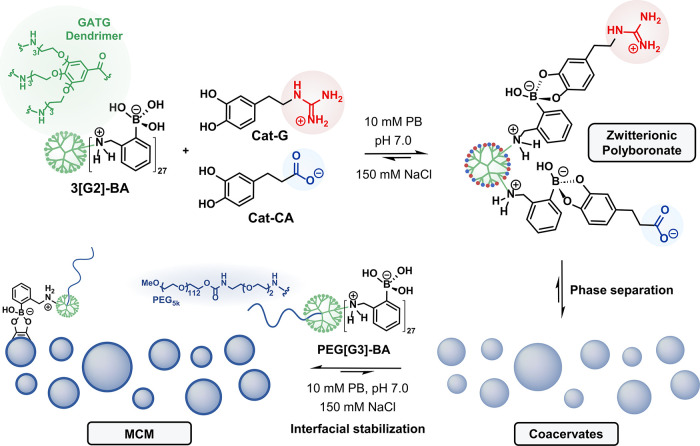 Figure 1
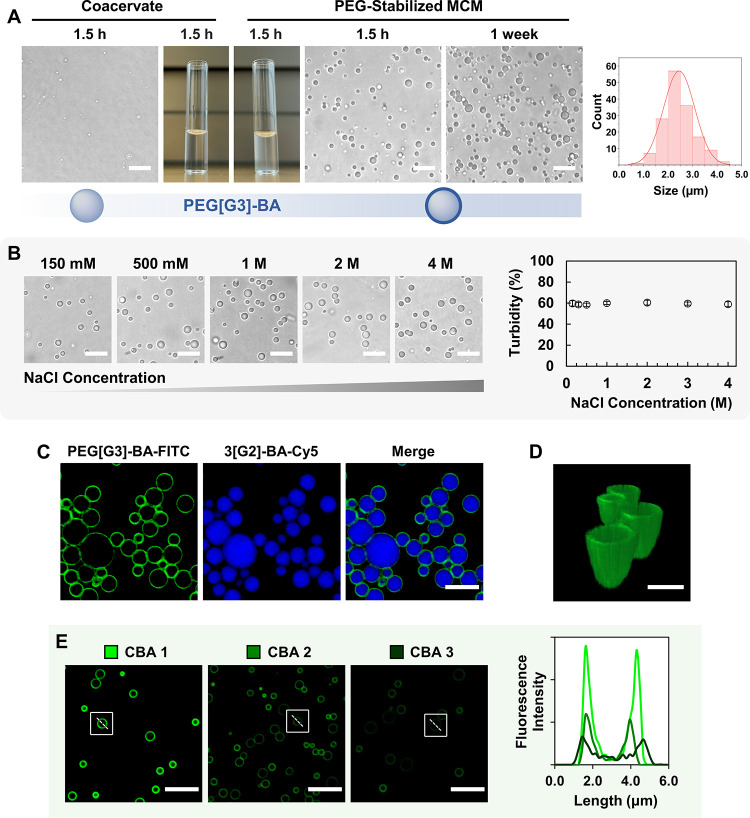 Figure 2
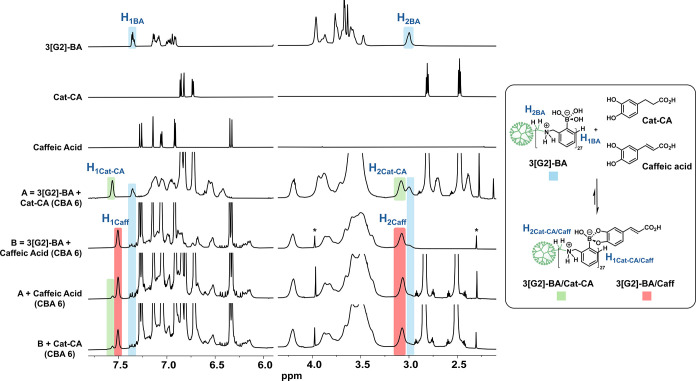 Figure 3
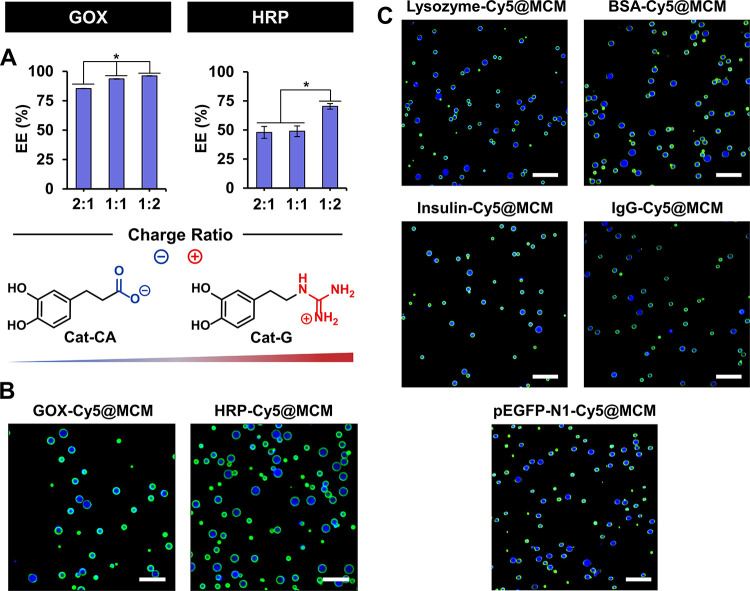 Figure 4
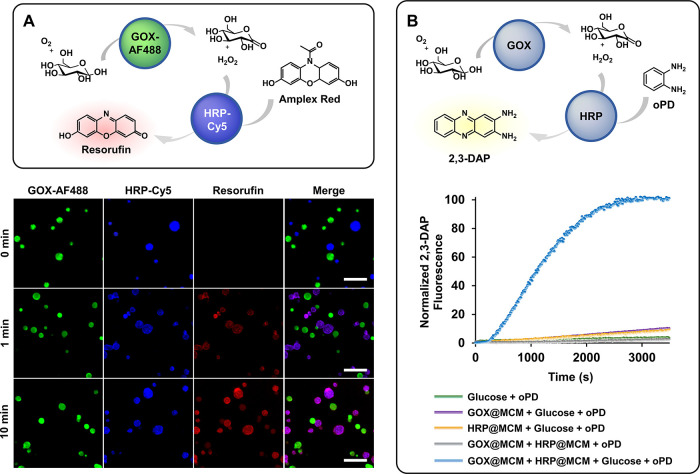 Figure 5
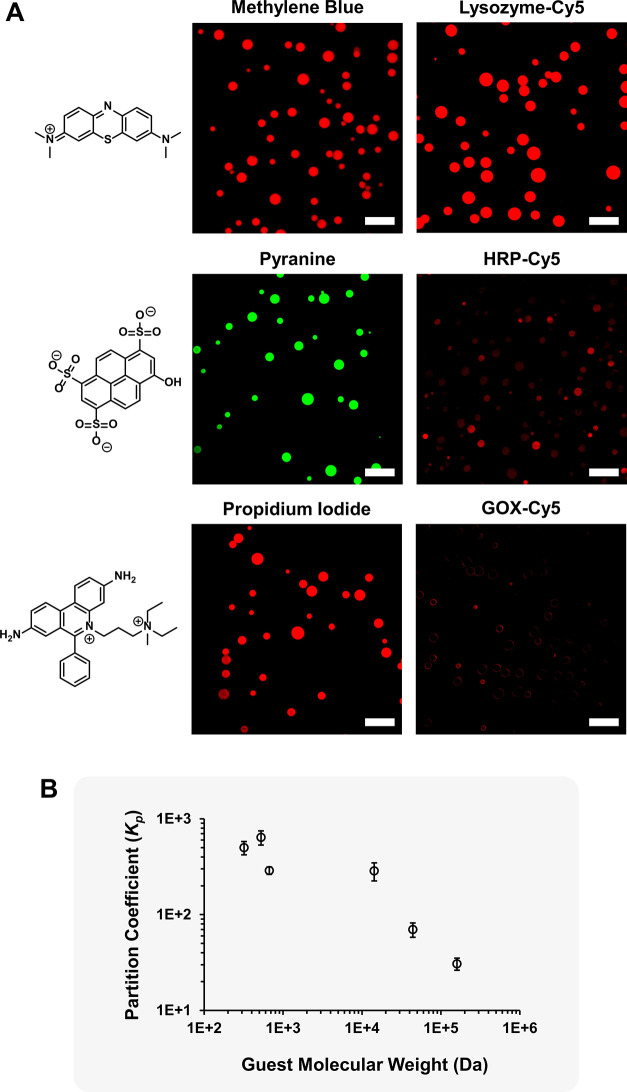 Figure 6
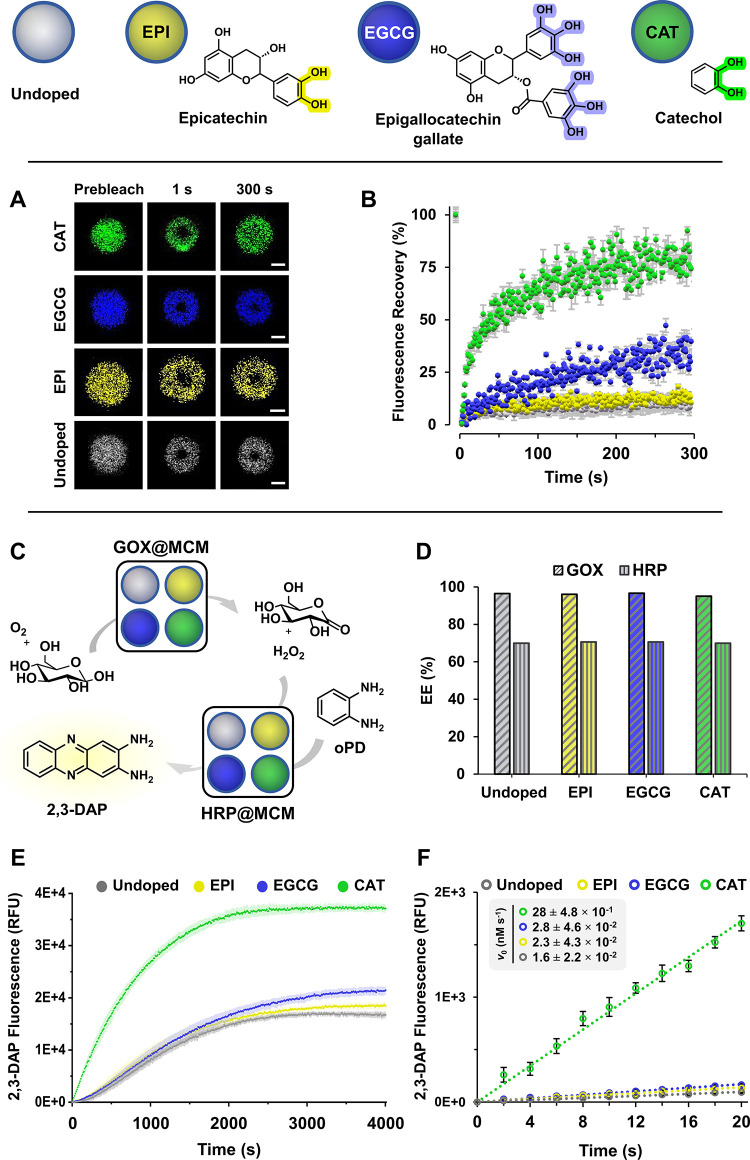 Figure 7
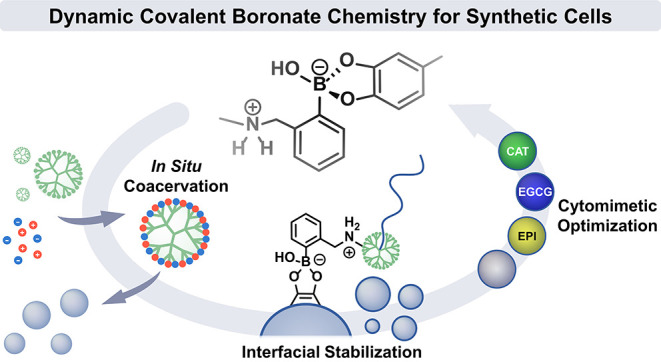 Figure 8
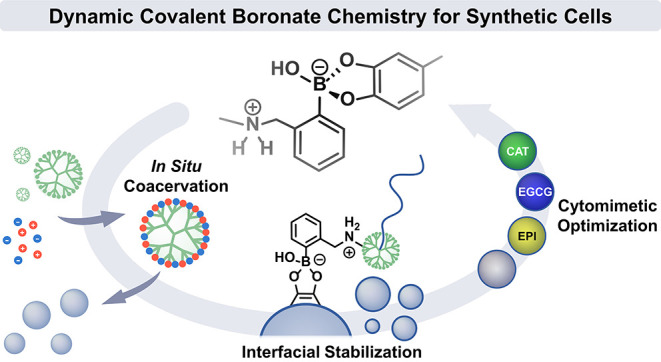 Figure 9
Peer Reviews
No public reviews on file for this paper yet. If you reviewed it on a platform where reviews are public (OpenReview, ICLR, NeurIPS, ICML), you can paste yours below so the community can read it here.
Videos
No videos yet. Explain this paper in a talk, walkthrough, or lecture? Add one.
Taxonomy
TopicsHydrogels: synthesis, properties, applications · Electrospun Nanofibers in Biomedical Applications · Advanced Polymer Synthesis and Characterization