Identification of IV fluid contamination in complete blood counts and subsequent unnecessary red blood cell transfusions using artificial intelligence
Carly Maucione, Nathan McLamb, Mark A. Zaydman, Lauren N. Pearson, Ryan A. Metcalf, Nicholas C. Spies

TL;DR
This paper shows how artificial intelligence can detect IV fluid contamination in blood tests, which helps prevent unnecessary blood transfusions.
Contribution
The study introduces machine learning models to retrospectively identify IV fluid contamination in CBCs, enabling large-scale detection and evaluation of transfusion appropriateness.
Findings
Machine learning models achieved high accuracy (AUC 0.972 and 0.957) in identifying IV fluid contamination in CBC results.
Approximately 2% of inpatient CBC trios were predicted as contaminated, and 6–9% of transfusions were potentially unnecessary.
The models demonstrated real-world applicability across two institutions with strong discrimination performance.
Abstract
Specimens contaminated with intravenous (IV) fluids can lead to considerable measurement errors in complete blood counts (CBCs), posing challenges for laboratory operations and clinical decision‐making. There is no gold‐standard method for retrospectively identifying these events, making it difficult to target quality improvement initiatives or optimize laboratory detection protocols. This study aimed to develop and validate machine learning (ML) models to retrospectively identify IV fluid contamination in CBC results at scale across two institutions. The models were trained on simulated contamination in CBCs using prior, current, and post hemoglobin concentrations, platelet counts, and white blood cell counts, then validated against expert‐reviewed datasets. Real‐world applicability was assessed using 1 year's worth of CBC results from each institution. The models effectively…
Genes, proteins, chemicals, diseases, species, mutations and cell lines named across the full text — each resolved to its canonical identifier and authoritative record.
Click any figure to enlarge with its caption.
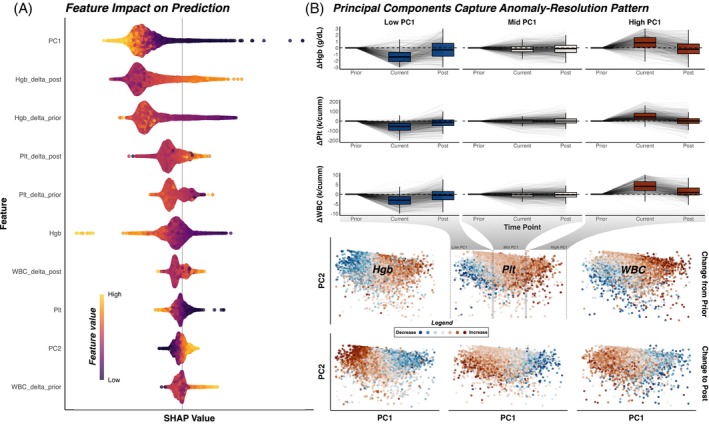 Figure 1
 Figure 2
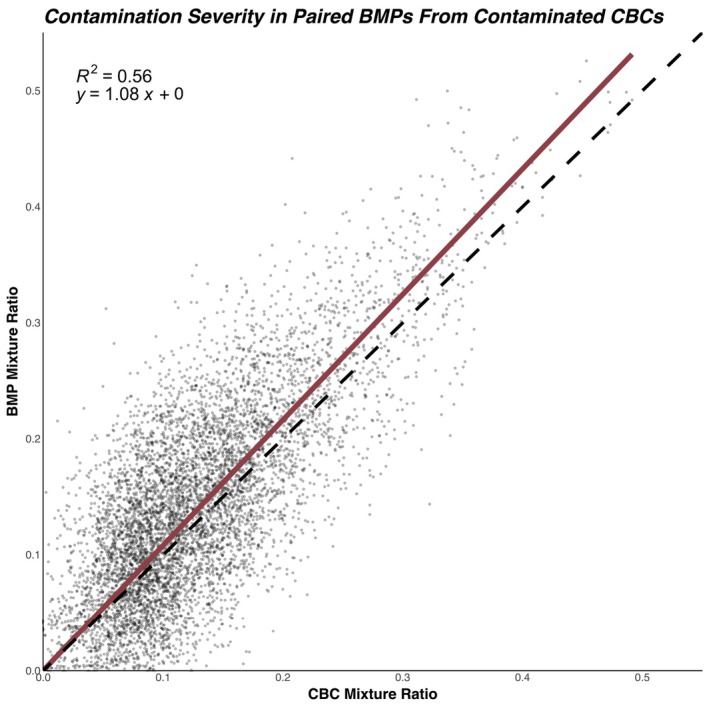 Figure 3
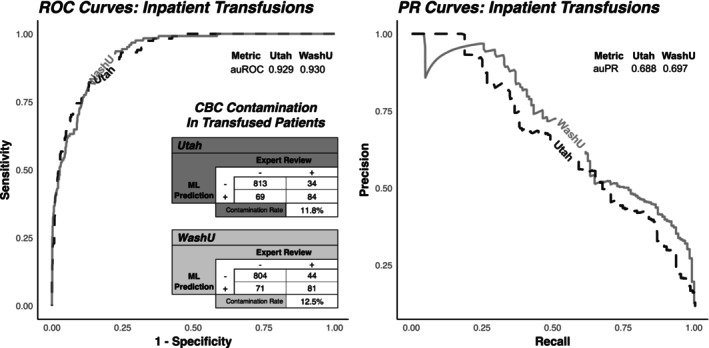 Figure 4
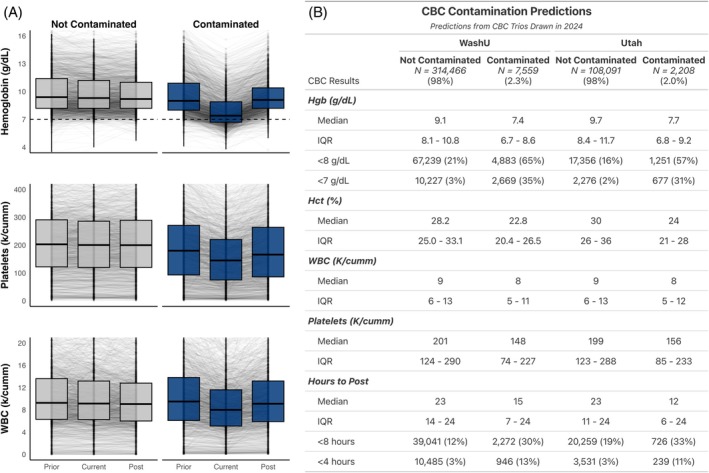 Figure 5
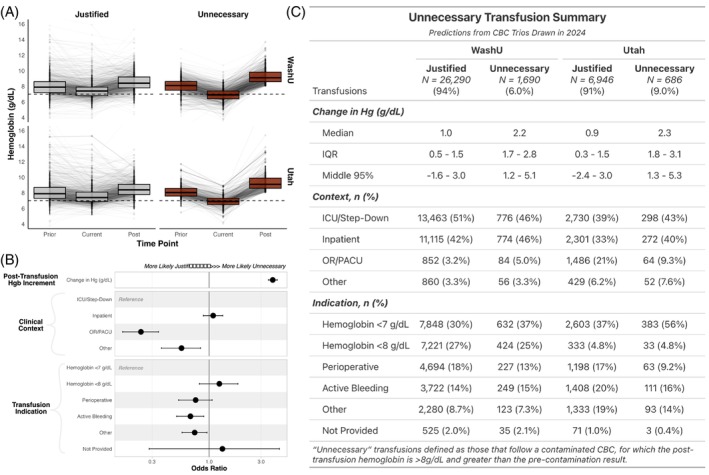 Figure 6
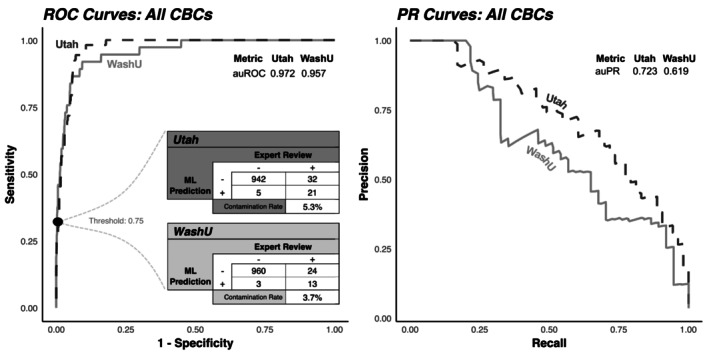 Figure 7
 Figure 8
Peer Reviews
No public reviews on file for this paper yet. If you reviewed it on a platform where reviews are public (OpenReview, ICLR, NeurIPS, ICML), you can paste yours below so the community can read it here.
Videos
No videos yet. Explain this paper in a talk, walkthrough, or lecture? Add one.
Taxonomy
TopicsClinical Laboratory Practices and Quality Control · Blood transfusion and management · Bacterial Identification and Susceptibility Testing