Temperature Effects on the Structural Stability of EF4K Peptide Membranes: Insights into Mono- and Multilayer Architectures
Karinna Mendanha, Douglas Xavier de Andrade, Guilherme Colherinhas

TL;DR
This study explores how temperature affects the stability of EF4K peptide membranes, showing that multilayer structures are more resilient than monolayers.
Contribution
The paper reveals how multilayer EF4K assemblies maintain stability under thermal stress through supramolecular reinforcement.
Findings
Hydrogen bond lifetimes in EF4K membranes decrease by nearly 79% with increasing temperature.
Multilayer configurations reinforce peptide–peptide interactions and stabilize electrostatic contributions.
Confined water in multilayers shows longer hydrogen bond lifetimes compared to monolayers at higher temperatures.
Abstract
Peptide nanostructures are versatile supramolecular systems with potential applications in biomaterials and nanotechnology, where stability emerges from the cooperative action of noncovalent interactions. In this study, we investigated the bola-amphiphilic peptide EF4K assembled into nanomembranes, focusing on the combined effects of temperature and multilayer organization. Molecular dynamics simulations were conducted at 250, 270, 300, 320, and 350 K in monolayer and multilayer configurations, allowing direct evaluation of peptide–peptide and peptide–solvent interactions. The results demonstrate that while the number of hydrogen bonds increases with temperature, their lifetimes decrease markedly, with reductions of nearly 79%. Peptide–solvent interactions weaken significantly, with losses of up to 90%, whereas multilayer assemblies partially compensate this destabilization by…
Genes, proteins, chemicals, diseases, species, mutations and cell lines named across the full text — each resolved to its canonical identifier and authoritative record.
Click any figure to enlarge with its caption.
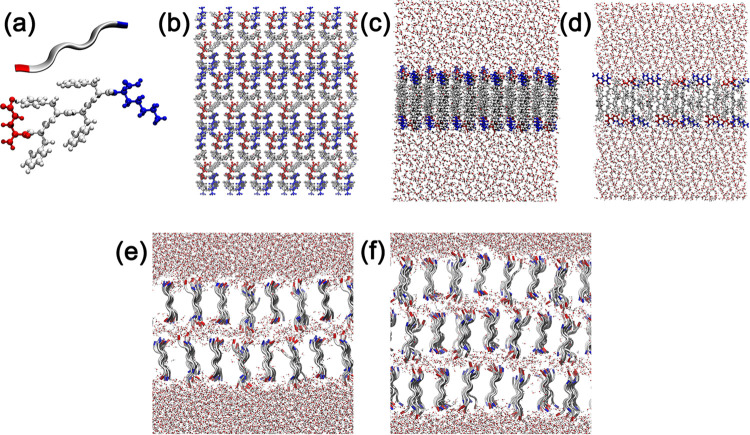 Figure 1
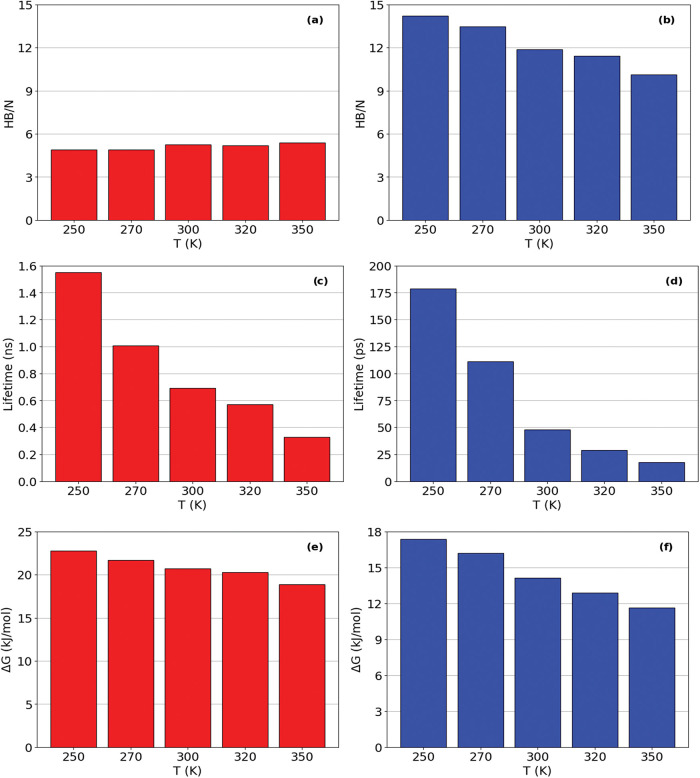 Figure 2
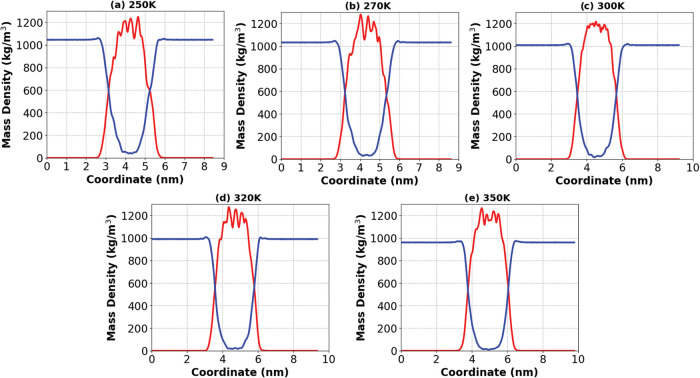 Figure 3
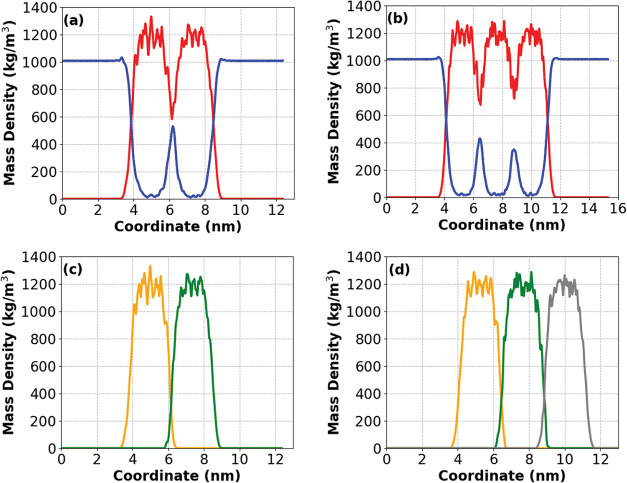 Figure 4
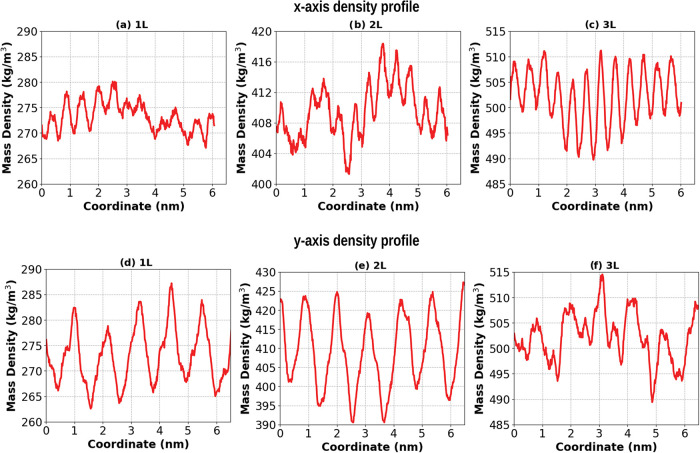 Figure 5
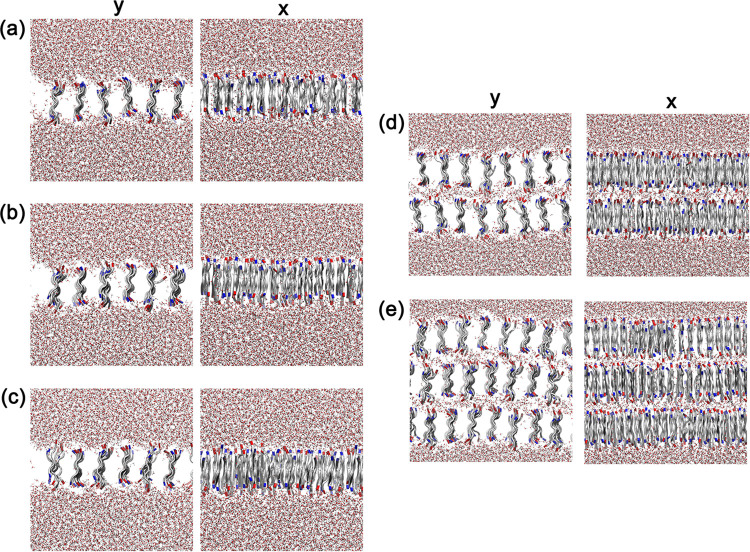 Figure 6
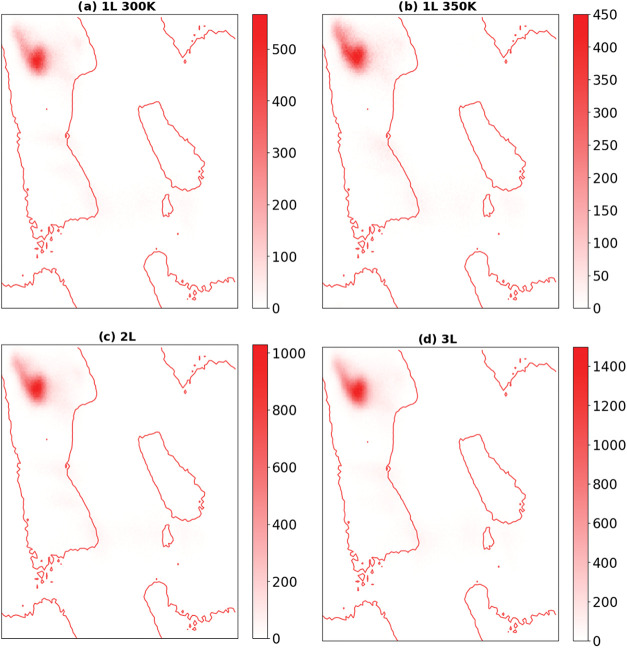 Figure 7
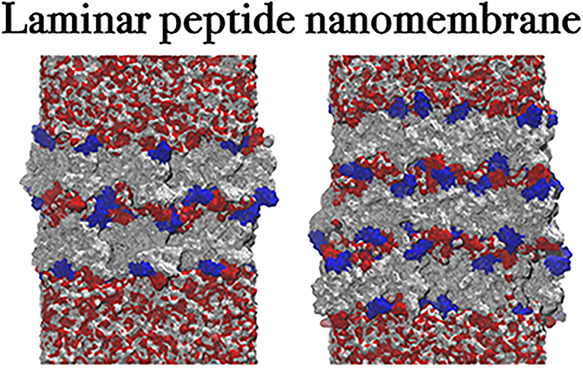 Figure 8
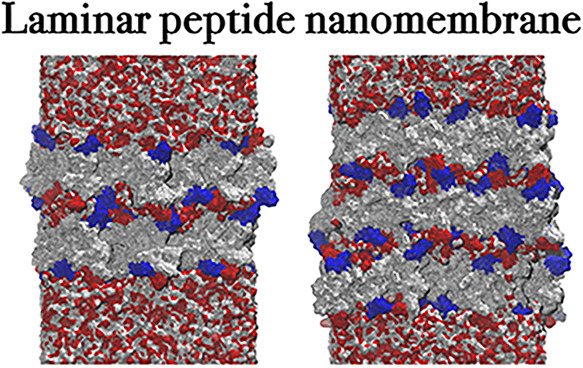 Figure 9
Peer Reviews
No public reviews on file for this paper yet. If you reviewed it on a platform where reviews are public (OpenReview, ICLR, NeurIPS, ICML), you can paste yours below so the community can read it here.
Videos
No videos yet. Explain this paper in a talk, walkthrough, or lecture? Add one.
Taxonomy
TopicsSupramolecular Self-Assembly in Materials · Diatoms and Algae Research · Molecular Junctions and Nanostructures