Forms of spirituality and their associations with conspiratorial thinking in Polish young adults
Patryk Główczyński, Paweł Dębski, Karina Badura-Brzoza

TL;DR
This study explores how different forms of spirituality in Polish young adults relate to their tendency to believe in conspiracy theories.
Contribution
The paper introduces a novel classification of spirituality types and examines their associations with conspiratorial thinking in a young adult population.
Findings
Participants engaging in nonreligious forms of spiritual practice showed higher levels of conspiratorial thinking.
Syncretic spirituality (Catholics engaging in nonreligious practices) was associated with the highest conspiracy belief scores.
Spirituality domains like asceticism correlated negatively with conspiratorial thinking among Catholics but positively among non-religious groups.
Abstract
Conspiracy beliefs are increasingly recognized as relevant to mental health, treatment adherence, and health-related behaviors, particularly among young adults. At the same time, patterns of spirituality in this group are shifting from institutional religiosity toward more individualized forms of spiritual practice. While spirituality is often considered a protective resource, less is known about how different forms of spirituality - religious, non-religious, and syncretic - are associated with conspiratorial thinking in young adults living in rapidly changing sociocultural contexts. We conducted a cross-sectional study among 1,100 young adults (aged 18–25 years) in Poland who were not undergoing psychiatric or psychological treatment. Based on self-declared worldview and engagement in Nonreligious Forms of Spiritual Practice (NFSP)—defined as spiritual practices pursued outside…
Genes, proteins, chemicals, diseases, species, mutations and cell lines named across the full text — each resolved to its canonical identifier and authoritative record.
Click any figure to enlarge with its caption.
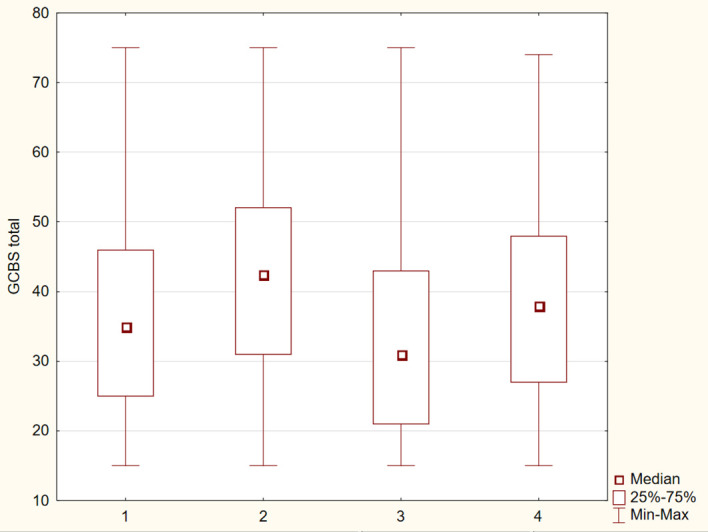 Figure 1
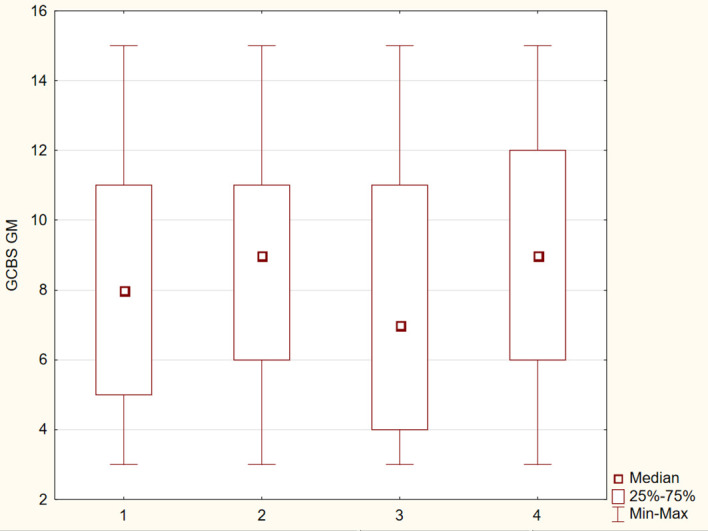 Figure 2
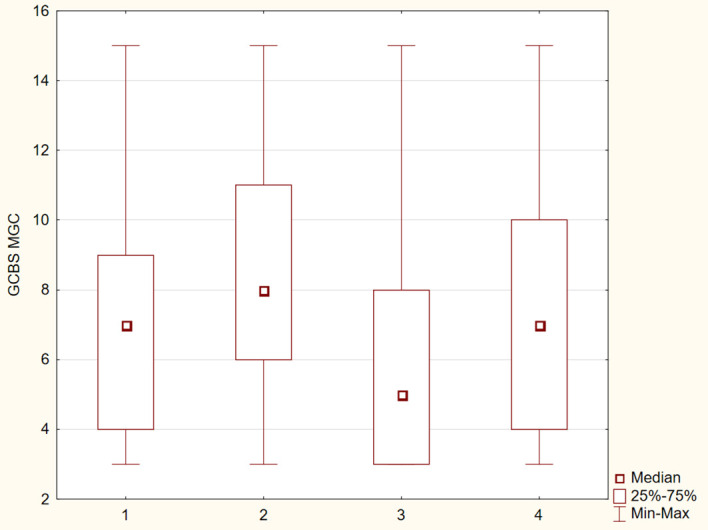 Figure 3
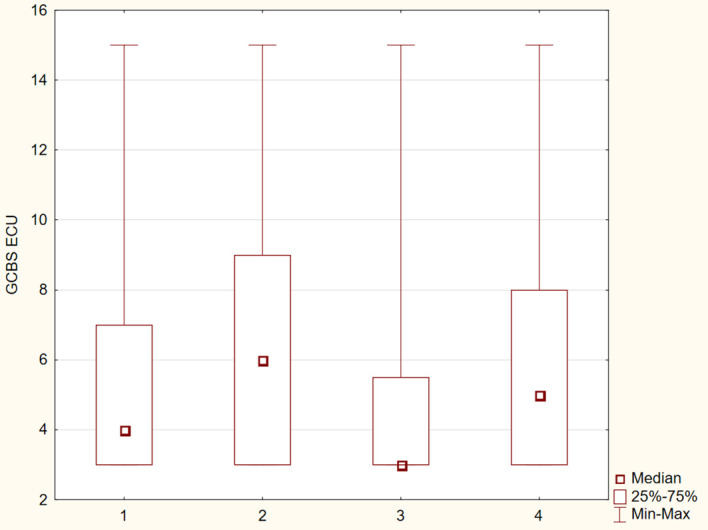 Figure 4
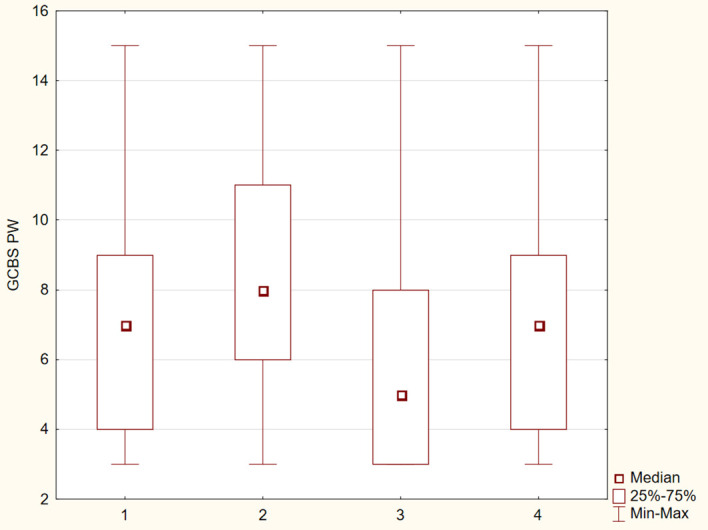 Figure 5
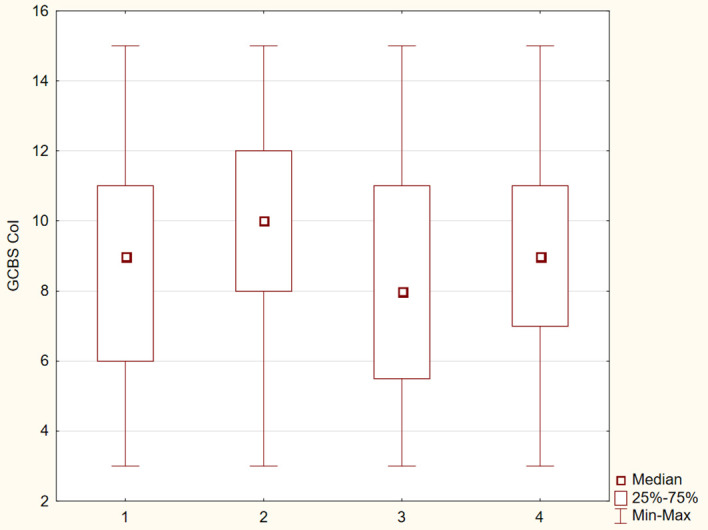 Figure 6
Peer Reviews
No public reviews on file for this paper yet. If you reviewed it on a platform where reviews are public (OpenReview, ICLR, NeurIPS, ICML), you can paste yours below so the community can read it here.
Videos
No videos yet. Explain this paper in a talk, walkthrough, or lecture? Add one.
Taxonomy
TopicsMisinformation and Its Impacts · Religion, Spirituality, and Psychology · Media, Religion, Digital Communication