Galgeun-tang modulates lipid, glucose, and energy metabolism in diet-induced obesity across cellular, nematode, and murine models
Song-Yi Han, Seo-Hyun Park, Chanuk Heo, Hojun Kim

TL;DR
Galgeun-tang, a traditional Korean herbal formula, shows anti-obesity effects by improving glucose and lipid metabolism in multiple models, suggesting it could be a multi-targeted treatment for obesity and metabolic disorders.
Contribution
This study demonstrates Galgeun-tang's multi-targeted metabolic benefits across cellular, nematode, and mouse models, offering preclinical support for its use in obesity.
Findings
Galgeun-tang improved glucose uptake and insulin signaling in muscle cells.
In mice, it reduced body weight gain, improved glucose tolerance, and decreased liver fat.
In nematodes, it reduced lipid accumulation, prolonged lifespan, and modulated insulin signaling genes.
Abstract
Galgeun-tang (GGT) is a traditional Korean multi-component formulation composed of several botanical drugs and has long been prescribed for febrile and musculoskeletal disorders. With the global rise in obesity and obesity-related metabolic diseases, there is increasing demand for safer and multi-targeted therapeutic strategies. However, the systemic metabolic effects and anti-obesity potential of GGT remain incompletely understood. The anti-obesity effects of GGT were evaluated using a tiered experimental approach comprising C2C12 myotubes, high-fat diet (HFD)-induced obese C57BL/6J mice, and Caenorhabditis elegans (C. elegans) exposed to high-glucose conditions. In vitro analyses assessed glucose uptake, gene expression, and protein signaling pathways. In mice, body weight, glucose tolerance, serum biochemical parameters, histological changes, and hepatic and adipose gene expression…
Genes, proteins, chemicals, diseases, species, mutations and cell lines named across the full text — each resolved to its canonical identifier and authoritative record.
Click any figure to enlarge with its caption.
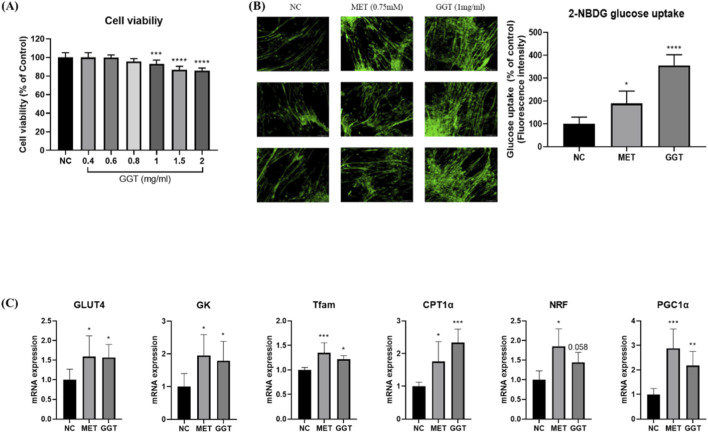 Figure 1
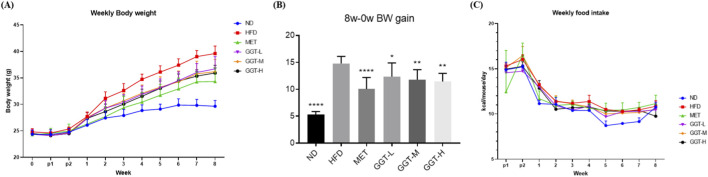 Figure 2
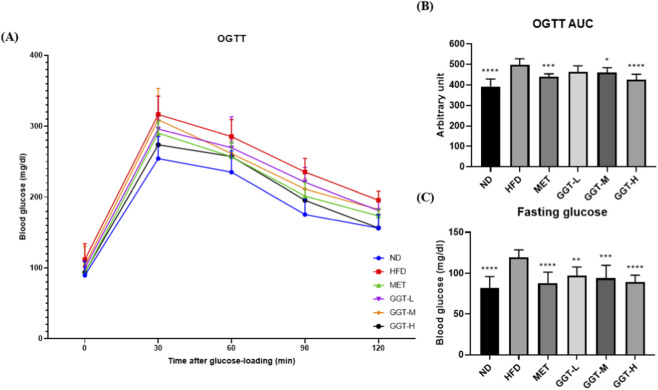 Figure 3
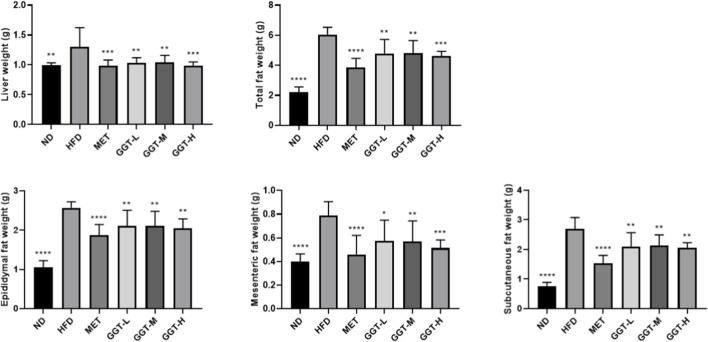 Figure 4
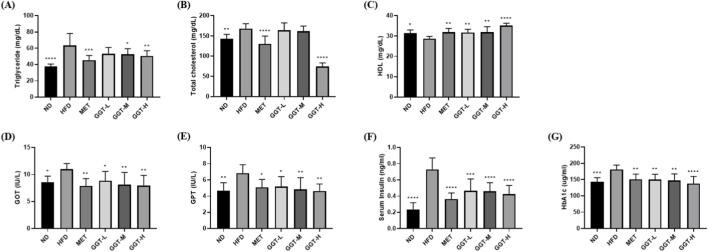 Figure 5
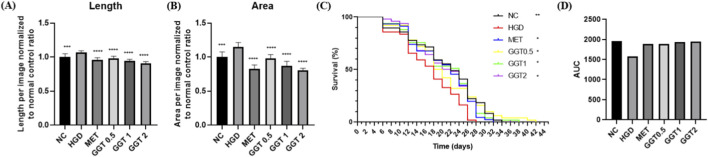 Figure 6
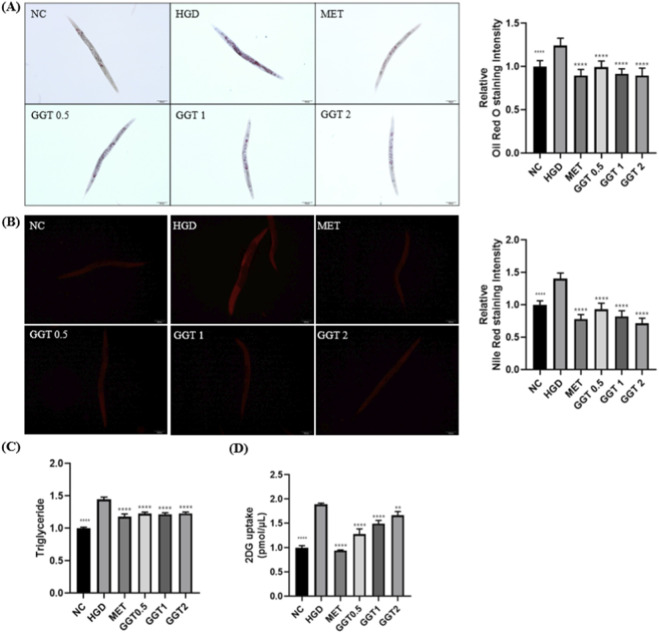 Figure 7
Peer Reviews
No public reviews on file for this paper yet. If you reviewed it on a platform where reviews are public (OpenReview, ICLR, NeurIPS, ICML), you can paste yours below so the community can read it here.
Videos
No videos yet. Explain this paper in a talk, walkthrough, or lecture? Add one.
Taxonomy
TopicsGenetics, Aging, and Longevity in Model Organisms · Antioxidants, Aging, Portulaca oleracea · Adipokines, Inflammation, and Metabolic Diseases