Smartphone-Based Interpretable Machine Learning for Classifying Single-Leg Squat Performance Using Trunk, Pelvic, and Knee Kinematics: Cross-Sectional Study
Sihyun Kim, Kyuenam Park

TL;DR
This paper introduces a smartphone-based machine learning system to classify single-leg squat performance into three levels using interpretable models and kinematic features.
Contribution
The novelty lies in using interpretable machine learning with coordination-informed features from smartphone videos to classify movement quality.
Findings
Adaptive boosting achieved 84% accuracy in classifying single-leg squat performance.
Coordination-related features like knee-to-trunk ratio and knee-trunk interaction were key predictors.
SHAP and LIME provided global and local explanations for model decisions.
Abstract
Single-leg squat (SLS) performance is widely used to screen functional movement quality, but practical assessment often relies on expert visual grading or laboratory-based motion capture. In addition, conventional SLS criteria mainly focus on isolated joint deviations and may overlook coordination-related, multisegment movement patterns that characterize impaired performance. This study aimed to examine the feasibility of an interpretable machine learning framework for classifying SLS performance into 3 levels (good, moderate, and poor) from single-smartphone, frontal-view videos based on trunk, pelvic, and knee kinematics, and to evaluate coordination-informed features and model explainability using Shapley additive explanations (SHAP) and local interpretable model-agnostic explanations (LIME). A dataset of frontal-view SLS videos was labeled by physiotherapists into 3 functional…
Genes, proteins, chemicals, diseases, species, mutations and cell lines named across the full text — each resolved to its canonical identifier and authoritative record.
Click any figure to enlarge with its caption.
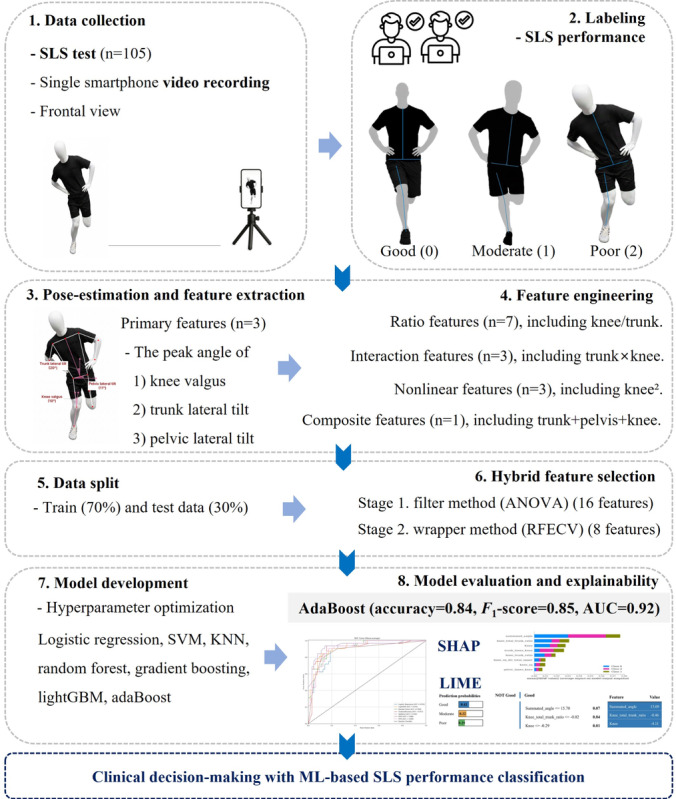 Figure 1
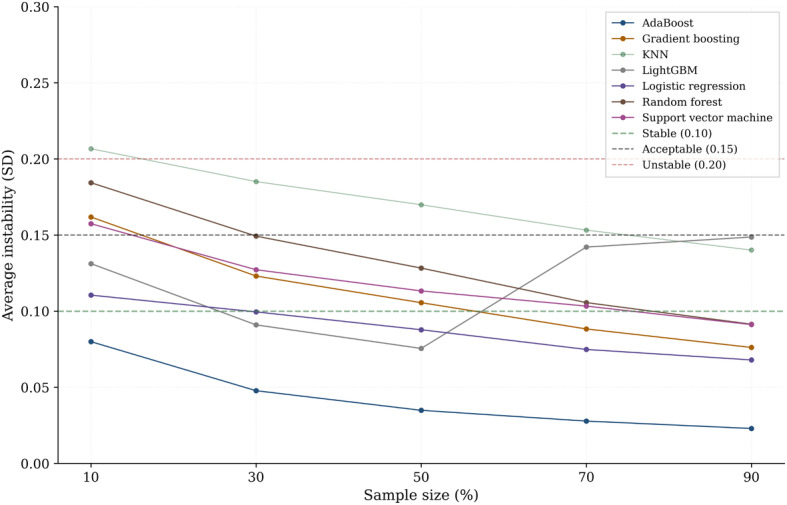 Figure 2
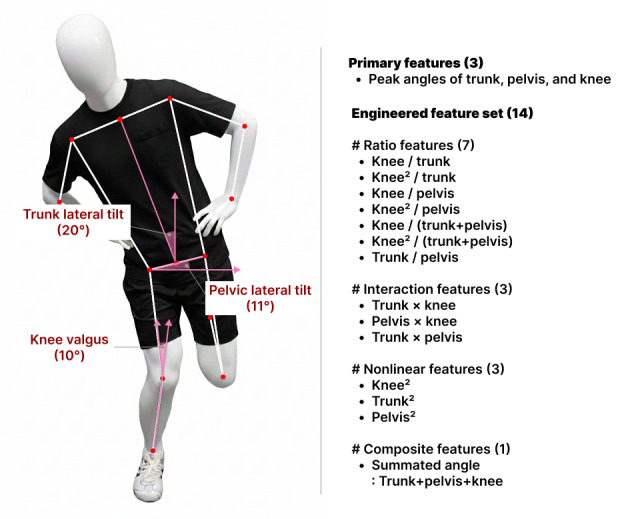 Figure 3
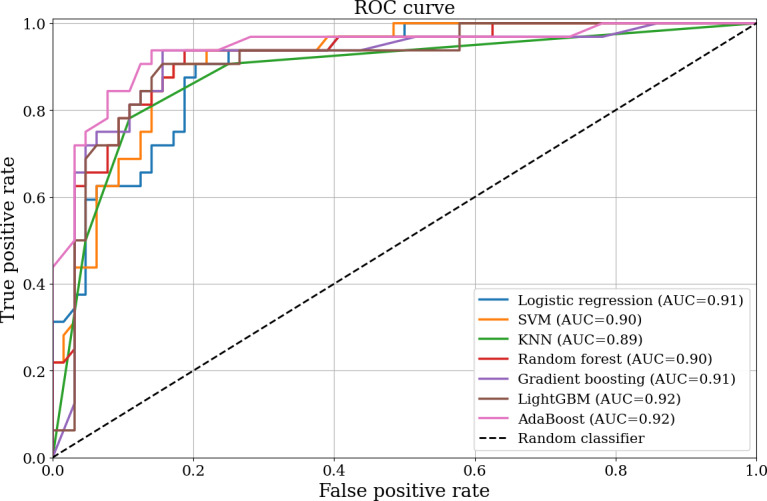 Figure 4
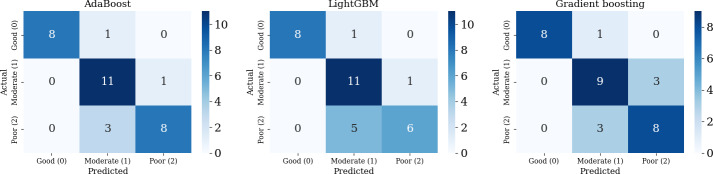 Figure 5
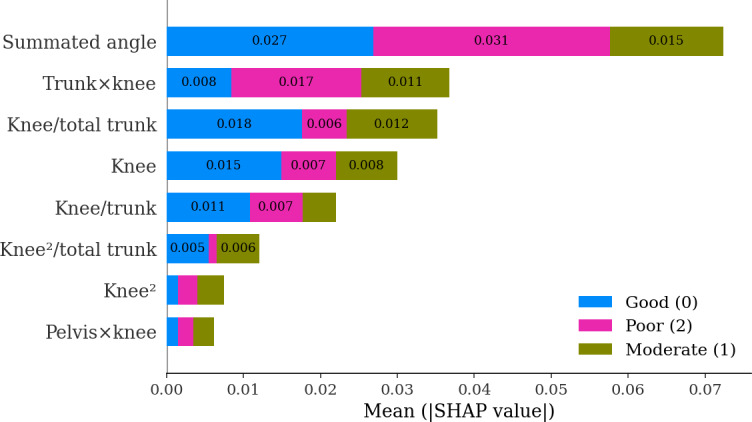 Figure 6
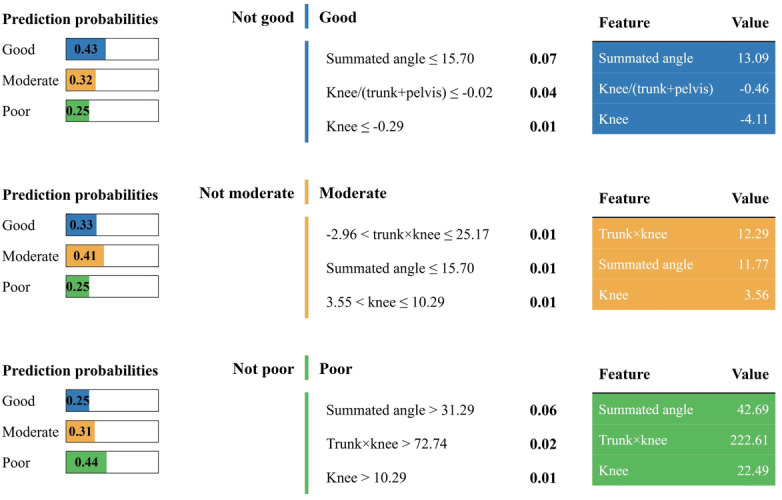 Figure 7
Peer Reviews
No public reviews on file for this paper yet. If you reviewed it on a platform where reviews are public (OpenReview, ICLR, NeurIPS, ICML), you can paste yours below so the community can read it here.
Videos
No videos yet. Explain this paper in a talk, walkthrough, or lecture? Add one.
Taxonomy
TopicsKnee injuries and reconstruction techniques · Sports Performance and Training · Sports injuries and prevention