Bionic Nanoparticle Hydrogel for Astrocyte-Targeted Estradiol Delivery Ameliorates Perimenopausal Depression via P2X7 Receptor Inhibition
Ketan Chu, Peiqiong Chen, Wenxian Xu, Chengya Zhu, Li Xu, Chunming Li, Fan Wu, Huiyu Fan, Xiaoling Zheng, Jianhong Zhou

TL;DR
A new hydrogel system delivers estradiol to brain astrocytes, reducing depression in perimenopausal mice by inhibiting a specific receptor pathway.
Contribution
A biomimetic nanoliposome hydrogel for targeted estradiol delivery to astrocytes, improving perimenopausal depression via P2X7 receptor inhibition.
Findings
AEC@CP delivery system effectively targets astrocytes and reduces hippocampal pyroptosis in perimenopausal mice.
Estradiol inhibits the P2X7R/NLRP3/caspase-1/GSDMD pathway, reducing inflammatory markers like IL-18 and IL-1β.
AEC@CP showed stronger antidepressant and anti-pyroptotic effects compared to free estradiol.
Abstract
Estrogen (E2) therapy has shown efficacy in alleviating perimenopausal depression but is often accompanied by adverse effects when administered systemically. In this study, we developed a biomimetic nanoliposome hydrogel nasal delivery system for targeted E2 delivery and investigated its mechanisms. The system was constructed using aminated mesoporous silica as a carrier to load E2, followed by coating with astrocyte cell membranes to achieve targeting capability. The resulting nanoparticles were then embedded in a thermosensitive hydrogel composed of carboxymethyl chitosan and Pluronic F127, forming a nasal delivery platform (AEC@CP) for efficient brain targeting. A perimenopausal depression mouse model (OVX-CUMS) was established to evaluate E2’s effects on depressive behavior, hippocampal pyroptosis, and the P2X7 receptor (P2X7R)/NLRP3/caspase-1/gasdermin (GSDMD) pathway. In vitro,…
Genes, proteins, chemicals, diseases, species, mutations and cell lines named across the full text — each resolved to its canonical identifier and authoritative record.
Click any figure to enlarge with its caption.
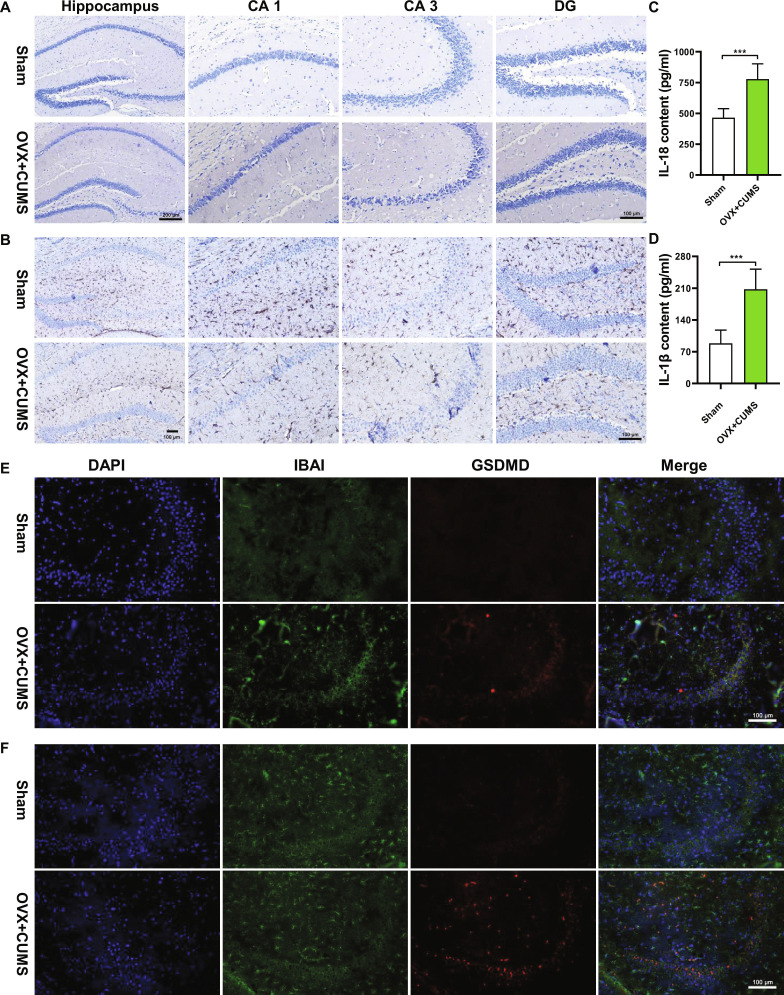 Figure 1
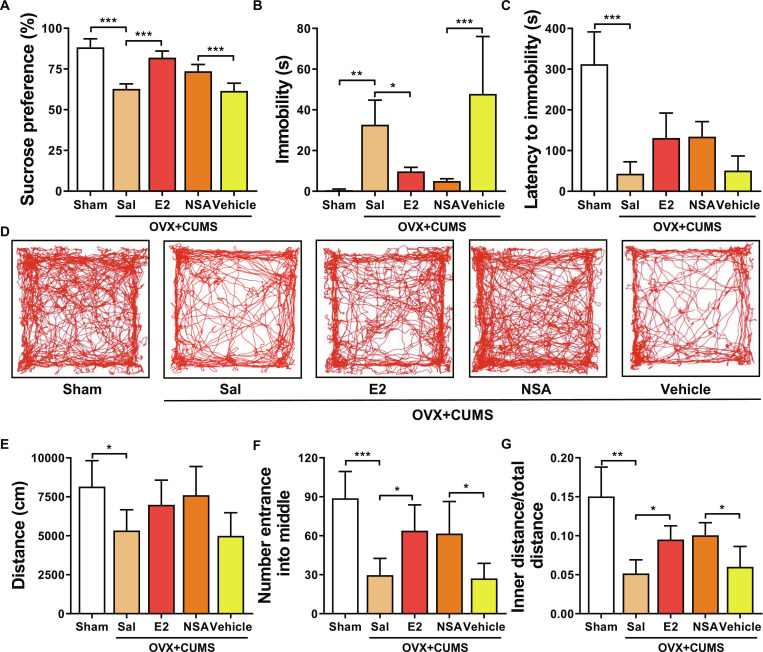 Figure 2
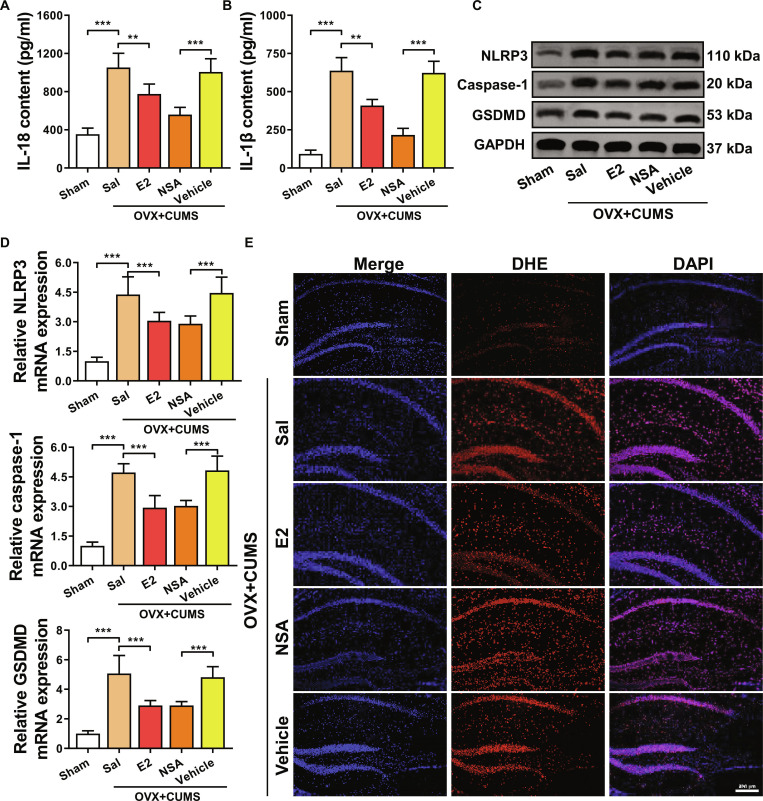 Figure 3
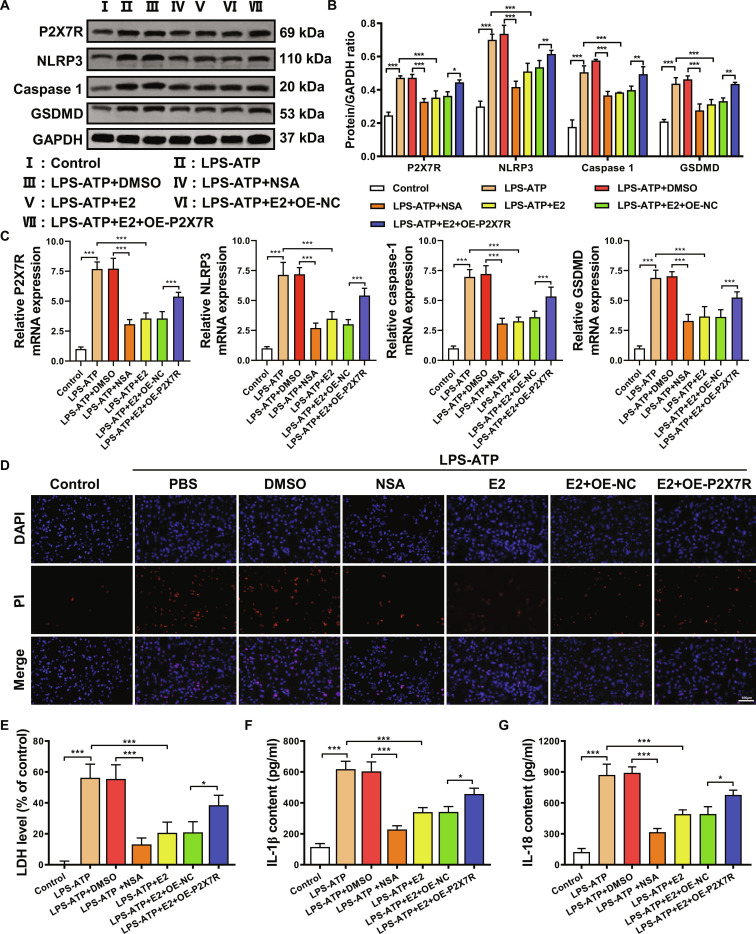 Figure 4
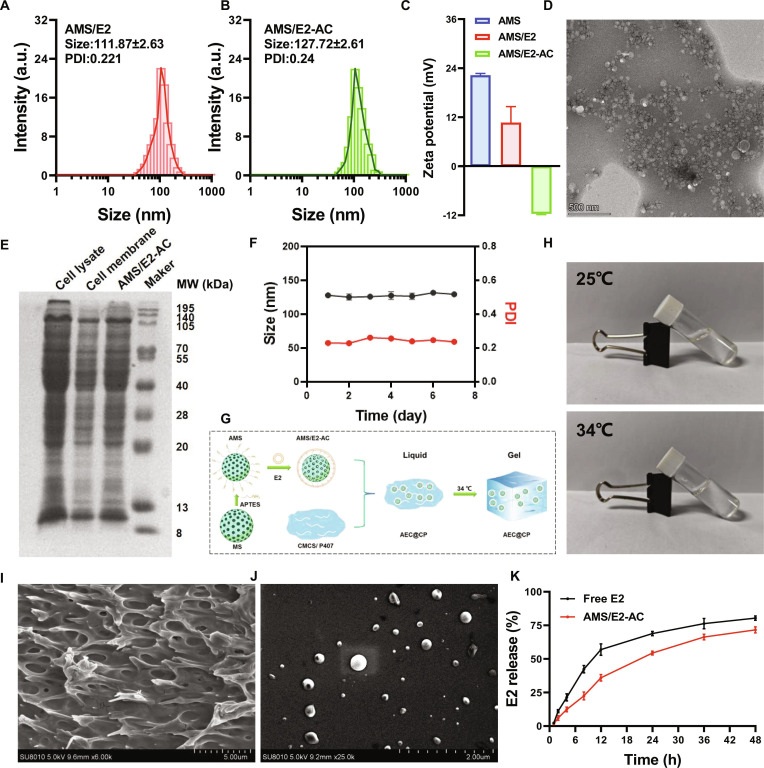 Figure 5
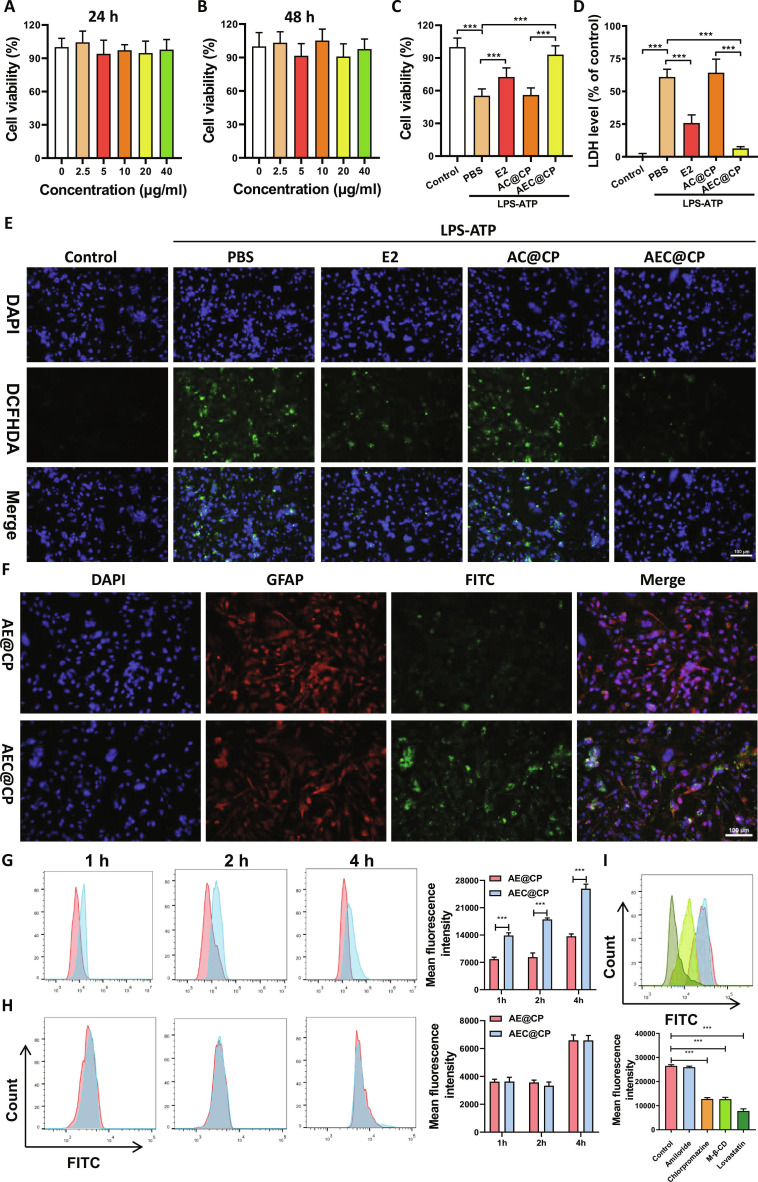 Figure 6
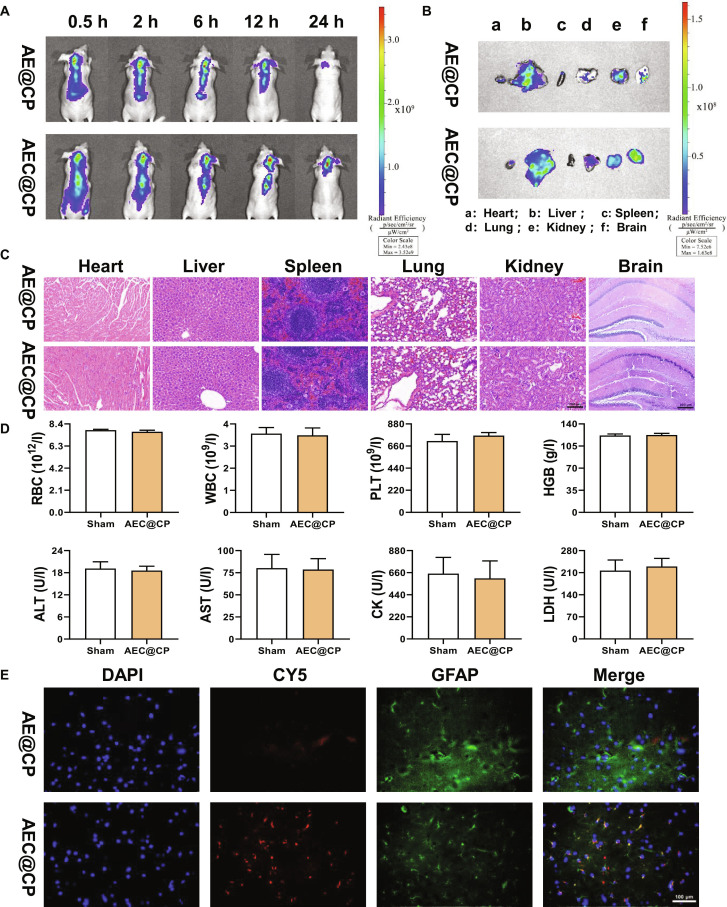 Figure 7
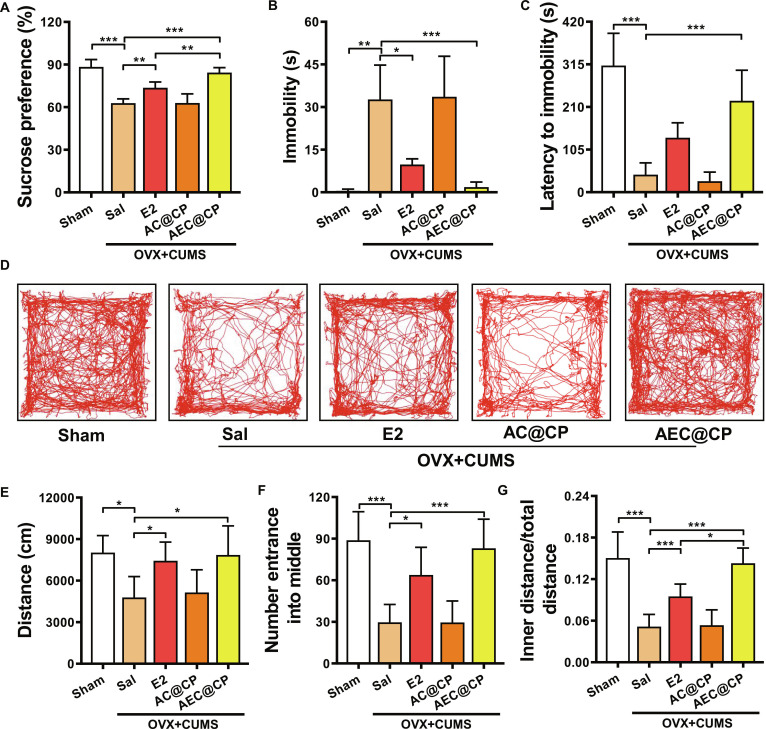 Figure 8
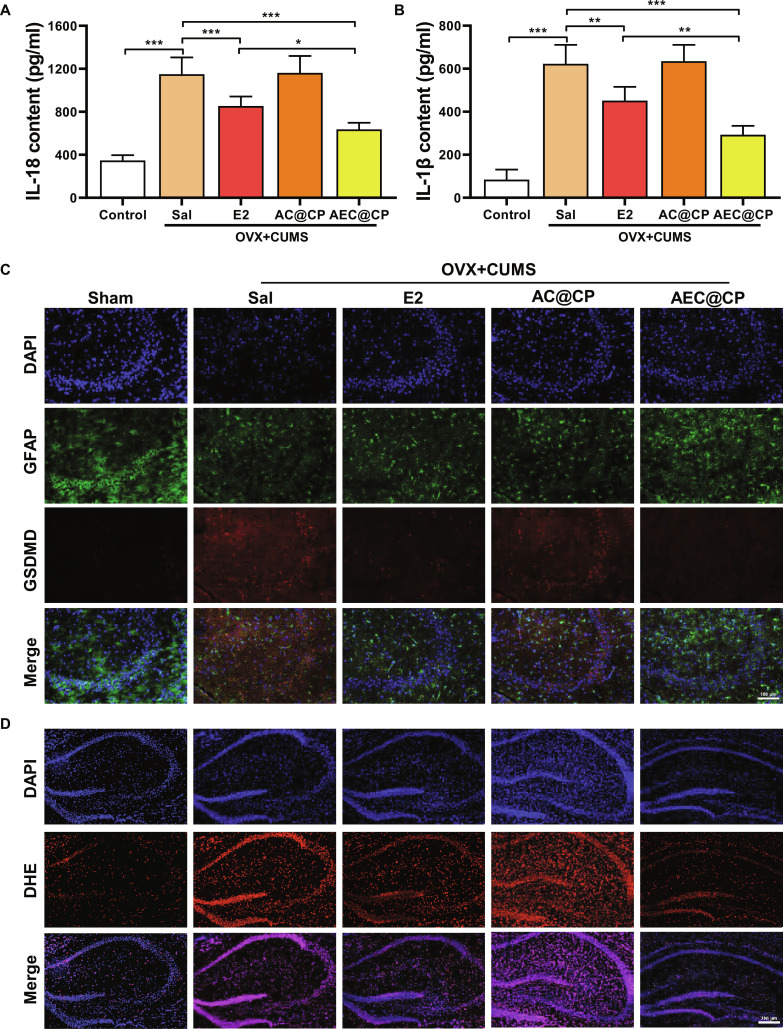 Figure 9
Peer Reviews
No public reviews on file for this paper yet. If you reviewed it on a platform where reviews are public (OpenReview, ICLR, NeurIPS, ICML), you can paste yours below so the community can read it here.
Videos
No videos yet. Explain this paper in a talk, walkthrough, or lecture? Add one.
Taxonomy
TopicsAdenosine and Purinergic Signaling · Nanoplatforms for cancer theranostics · Sulfur Compounds in Biology