Genomic consequences of residual recombination in a hybrid apomictic hickory complex
Wei-Ping Zhang, Sylvain Glémin, Xiao-Xu Pang, Ming Kang, Da-Yong Zhang, Martin Lascoux, Wei-Ning Bai

TL;DR
This study explores how rare sexual events in asexual hickory plants affect their genomes, revealing that recombination helps expose harmful mutations and supports clonality.
Contribution
The study provides a genomic snapshot of residual sex in apomictic hickories and its role in mutation load and clonal maintenance.
Findings
Apomictic species show genomic signatures of clonality, including loss of heterozygosity from rare sexual events.
Apomictic adults have lower realized mutation loads despite more heterozygous deleterious variants.
Recombination in embryos exposes harmful mutations to selection, aiding clonal maintenance.
Abstract
Apomixis, a form of clonal asexual reproduction in plants, is often accompanied by residual sex, yet its genomic consequences remain poorly understood. Here, we assembled a haplotype-resolved genome of Carya hunanensis and analyzed whole-genome resequencing data from 195 adults and 180 mature embryos across four hickory species, representing a hybrid apomictic complex with both sexual and asexual lineages. We find apomictic species exhibited genomic signatures of clonality, notably loss of heterozygosity (LOH), suggesting recombination induced by rare sexual events. Despite harboring more heterozygous deleterious variants, apomictic adults showed lower realized mutation loads, particularly in hybrid C. hunanensis, whose apomictic haplotype disproportionately carried deleterious alleles. Remarkably, rare embryos from apomicts underwent recombination-mediated LOH, exposing deleterious…
Genes, proteins, chemicals, diseases, species, mutations and cell lines named across the full text — each resolved to its canonical identifier and authoritative record.
Click any figure to enlarge with its caption.
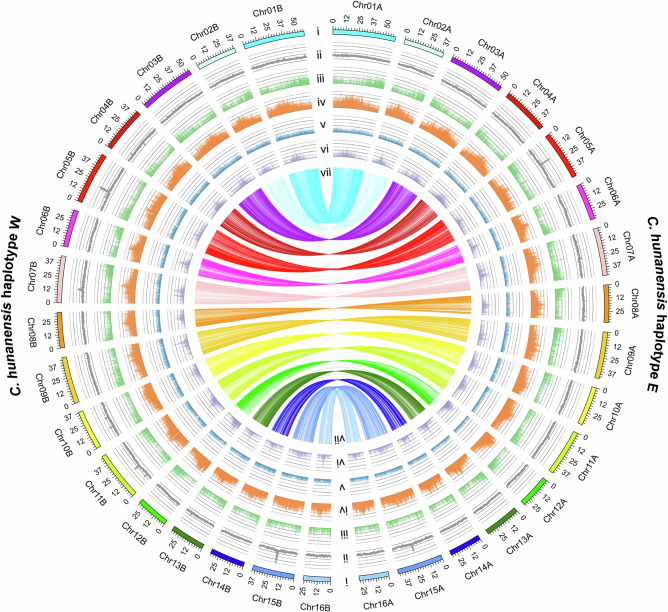 Figure 1
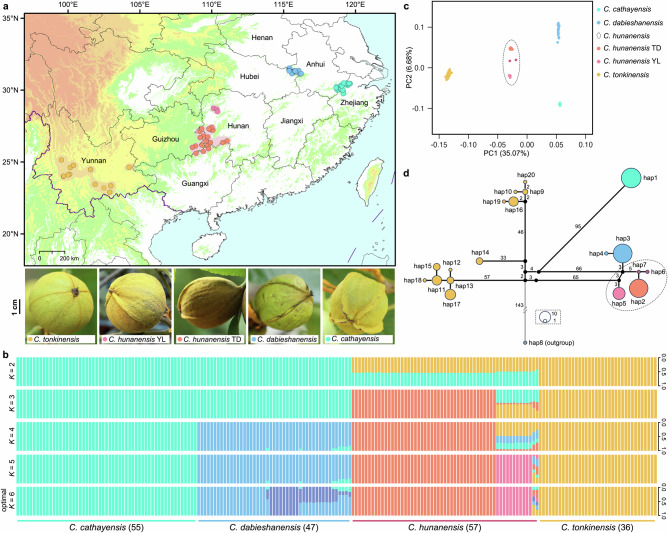 Figure 2
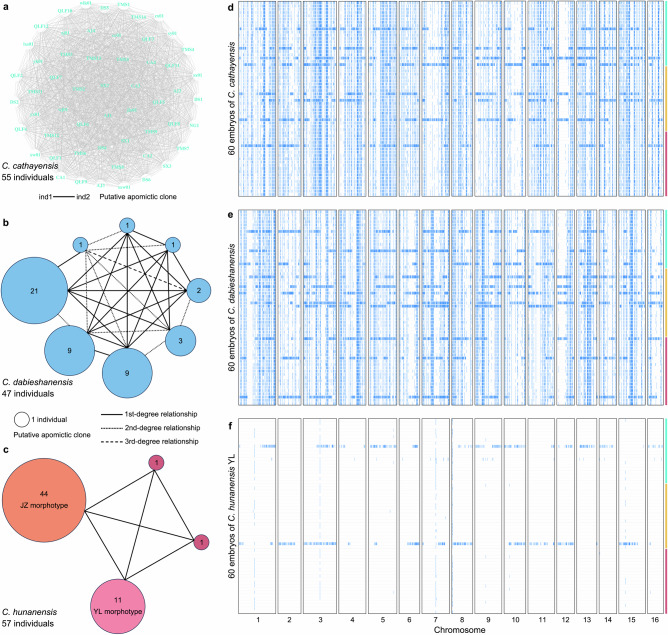 Figure 3
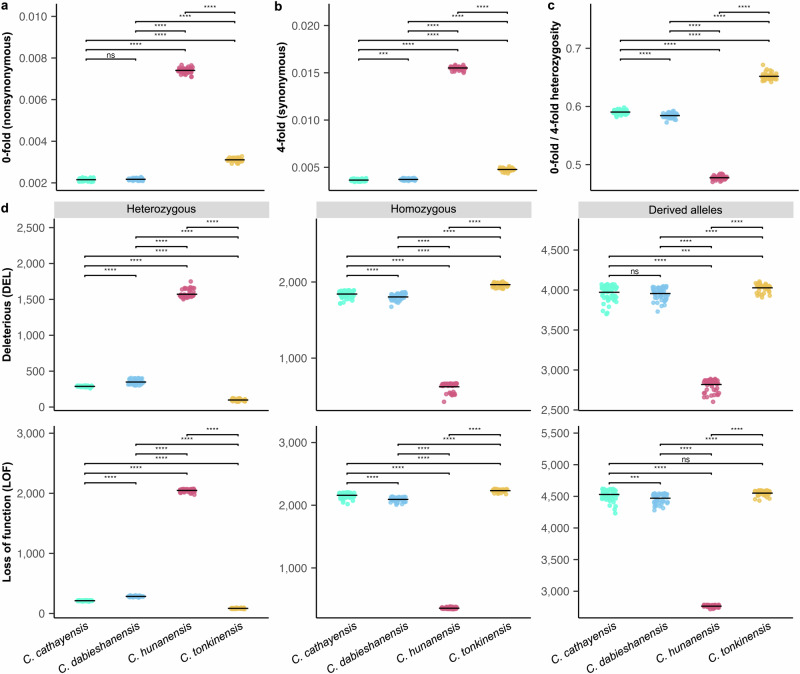 Figure 4
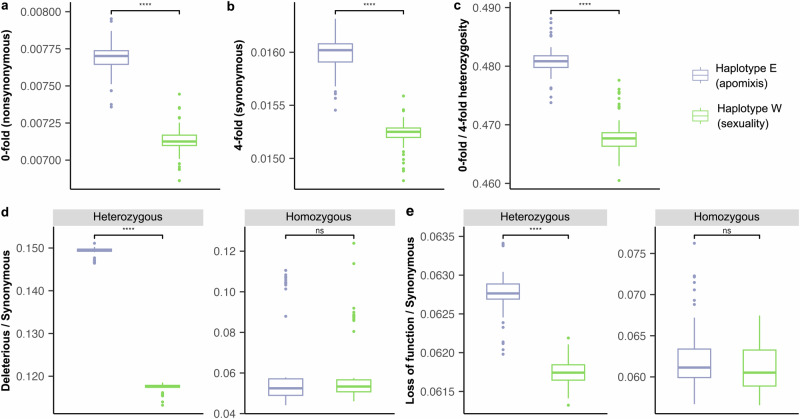 Figure 5
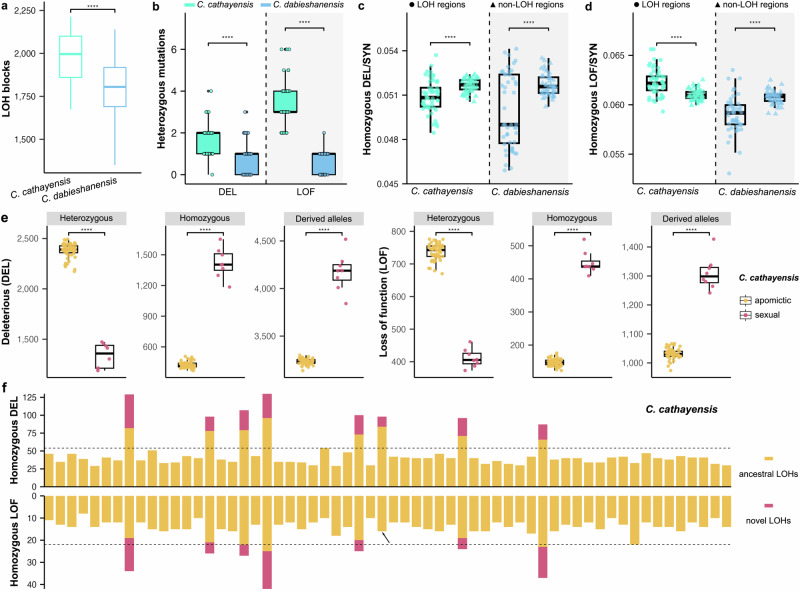 Figure 6
Peer Reviews
No public reviews on file for this paper yet. If you reviewed it on a platform where reviews are public (OpenReview, ICLR, NeurIPS, ICML), you can paste yours below so the community can read it here.
Videos
No videos yet. Explain this paper in a talk, walkthrough, or lecture? Add one.
Taxonomy
TopicsPlant Taxonomy and Phylogenetics · Botany, Ecology, and Taxonomy Studies · Botanical Studies and Applications