Explainable multimodal feature fusion networks for Parkinson's disease prediction
Abishek Ravichandran, Tamilarasi Kathirvel Murugan, Logeswari Govindaraj, Vishal M

TL;DR
This paper introduces a multimodal AI system that combines handwriting, gait, and speech data to improve Parkinson's disease detection with high accuracy and interpretability.
Contribution
A novel explainable multimodal deep learning framework for Parkinson's disease prediction with interpretable feature fusion and clinical transparency.
Findings
The trimodal fusion model achieves 92% accuracy, outperforming unimodal models.
Key contributors to PD prediction include handwriting tremors, gait asymmetries, and speech instabilities.
The model shows strong performance with an AUC of 0.95 and AP of 0.96.
Abstract
Parkinson's disease (PD) is a progressive neurodegenerative disorder characterized by motor and non-motor impairments, where early diagnosis remains challenging due to reliance on subjective clinical assessments. Recent artificial intelligence (AI)-based approaches have demonstrated promise in identifying subtle PD biomarkers from individual modalities such as speech, gait, and handwriting; however, unimodal systems often fail to capture the heterogeneity of the disease and provide limited interpretability. To address these limitations, this study proposes a multimodal deep learning framework that integrates handwriting, gait, and speech modalities using an early feature fusion strategy for robust and interpretable PD detection. Each modality is processed through a dedicated feature extraction pipeline using deep neural networks, followed by static feature concatenation and…
Genes, proteins, chemicals, diseases, species, mutations and cell lines named across the full text — each resolved to its canonical identifier and authoritative record.
Click any figure to enlarge with its caption.
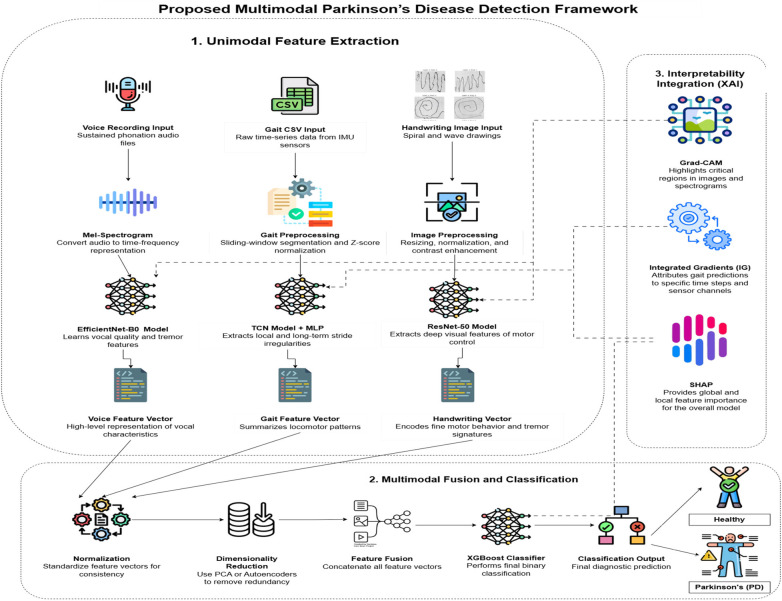 Figure 1
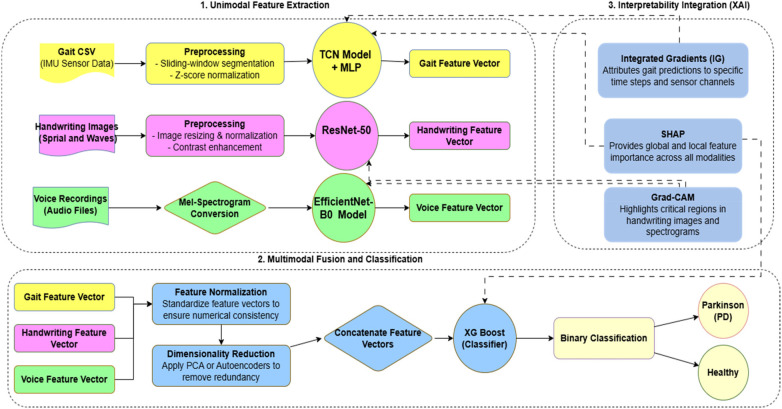 Figure 2
 Figure 3
 Figure 4
 Figure 5
 Figure 6
 Figure 7
 Figure 8
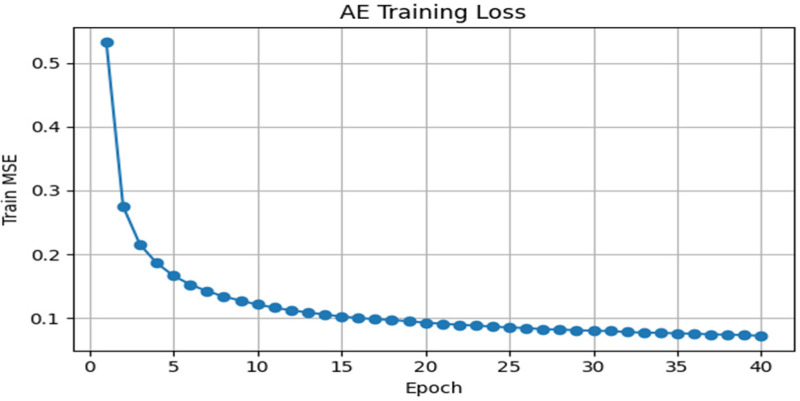 Figure 9
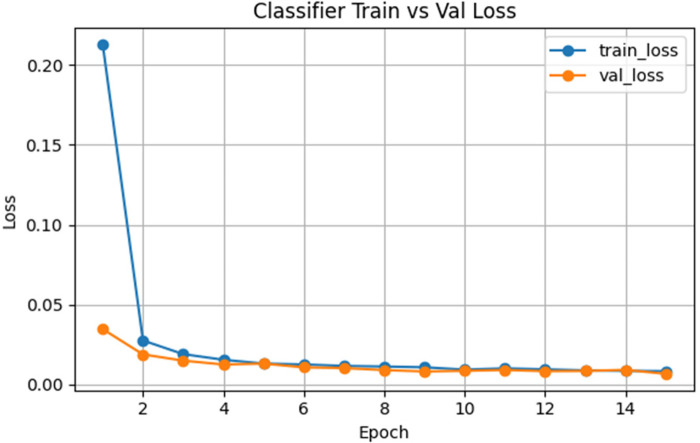 Figure 10
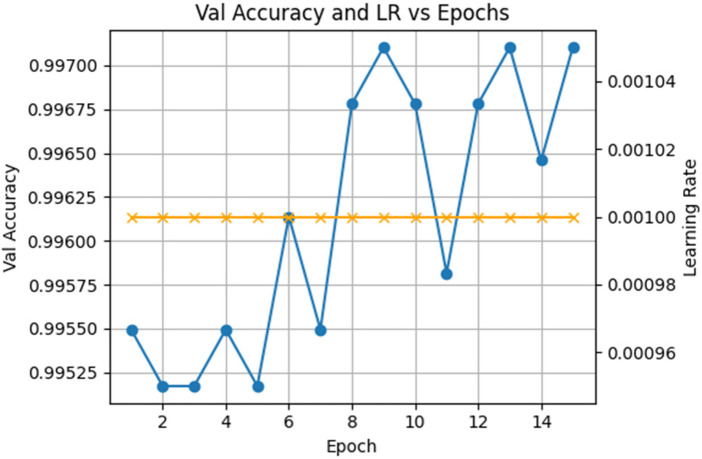 Figure 11
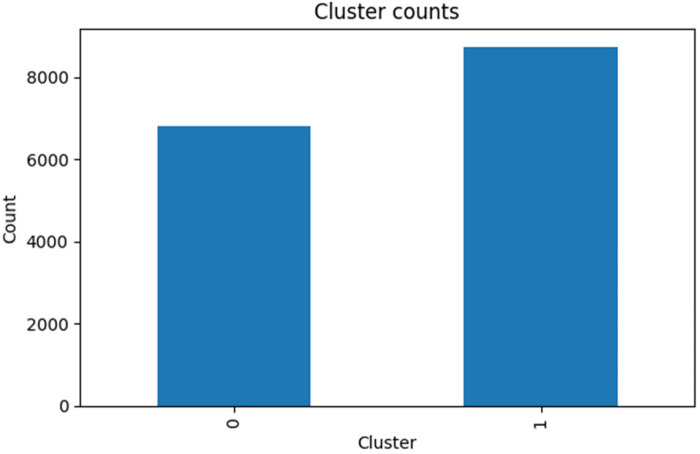 Figure 12
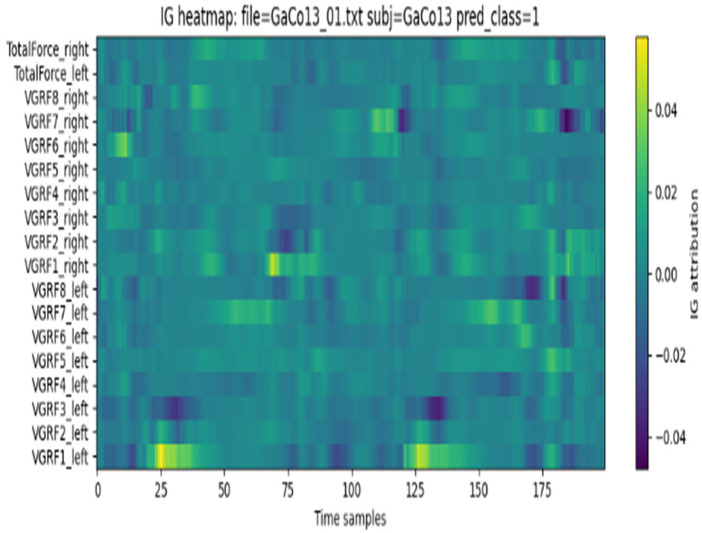 Figure 13
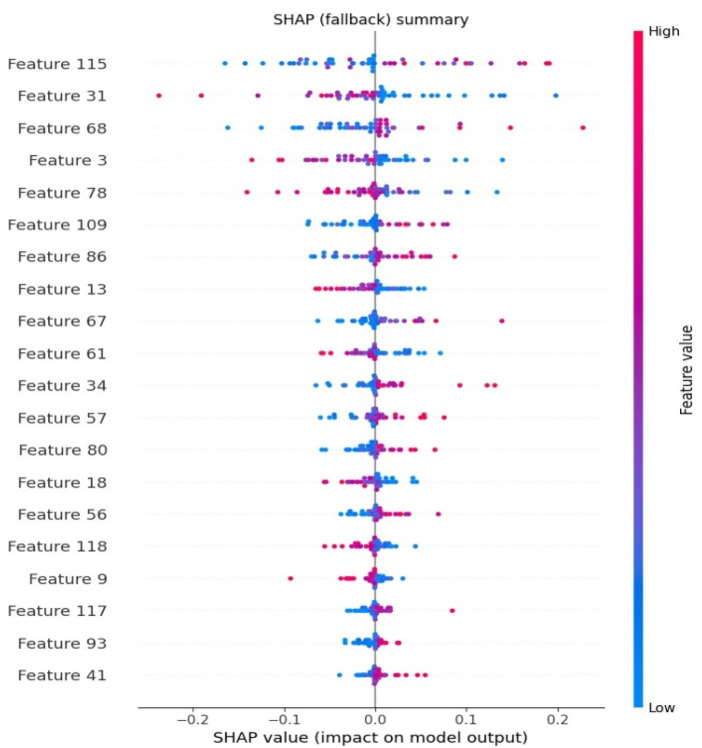 Figure 14
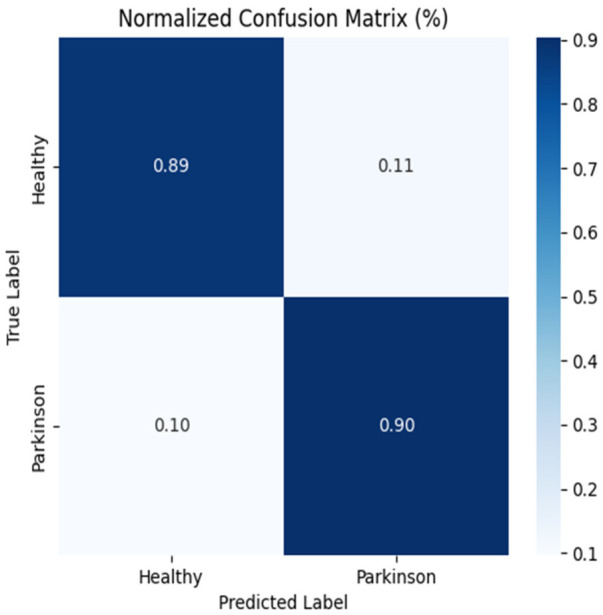 Figure 15
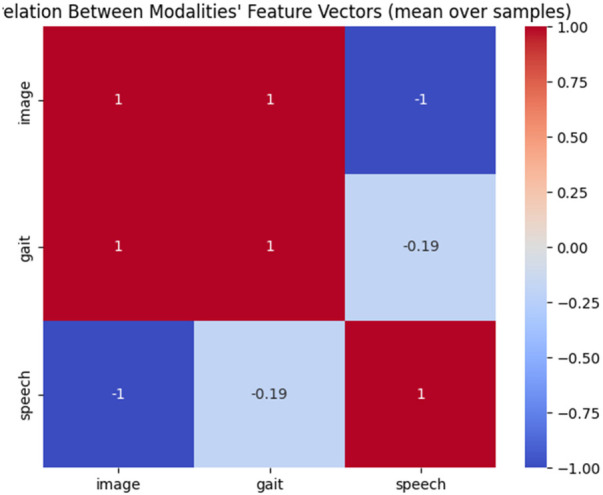 Figure 16
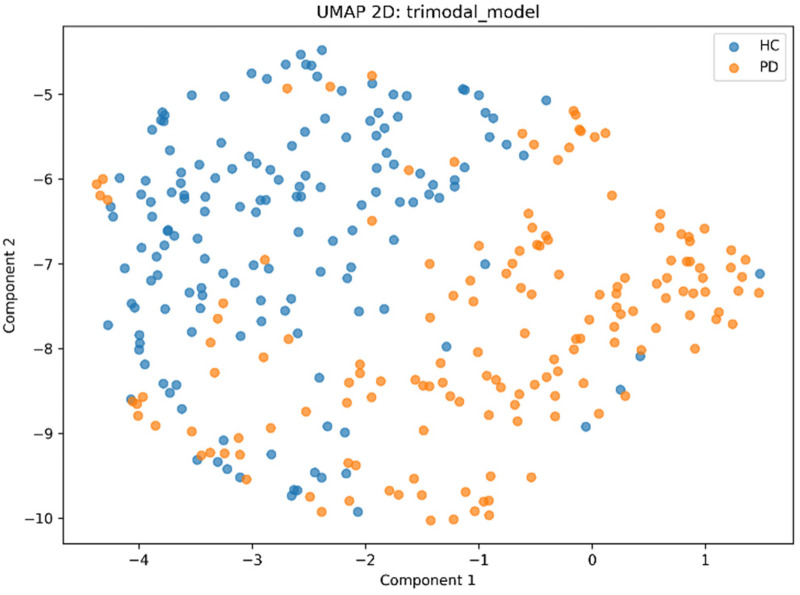 Figure 17
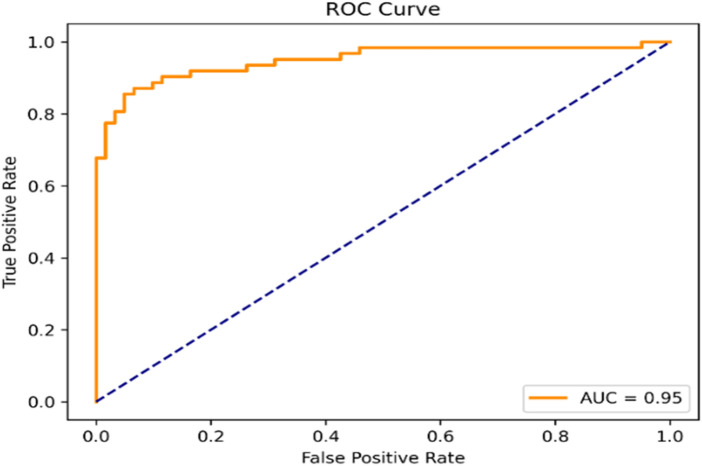 Figure 18
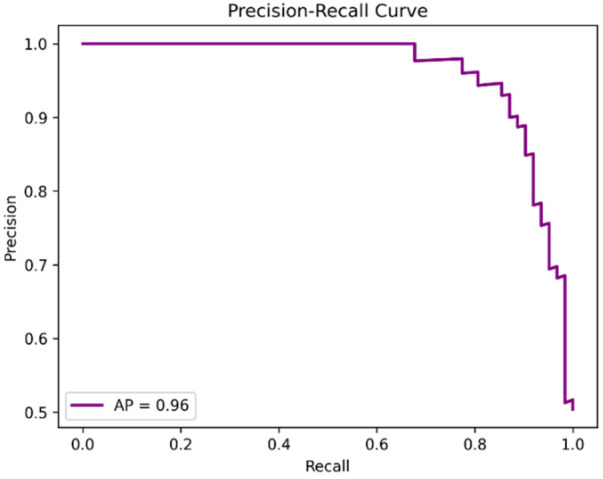 Figure 19
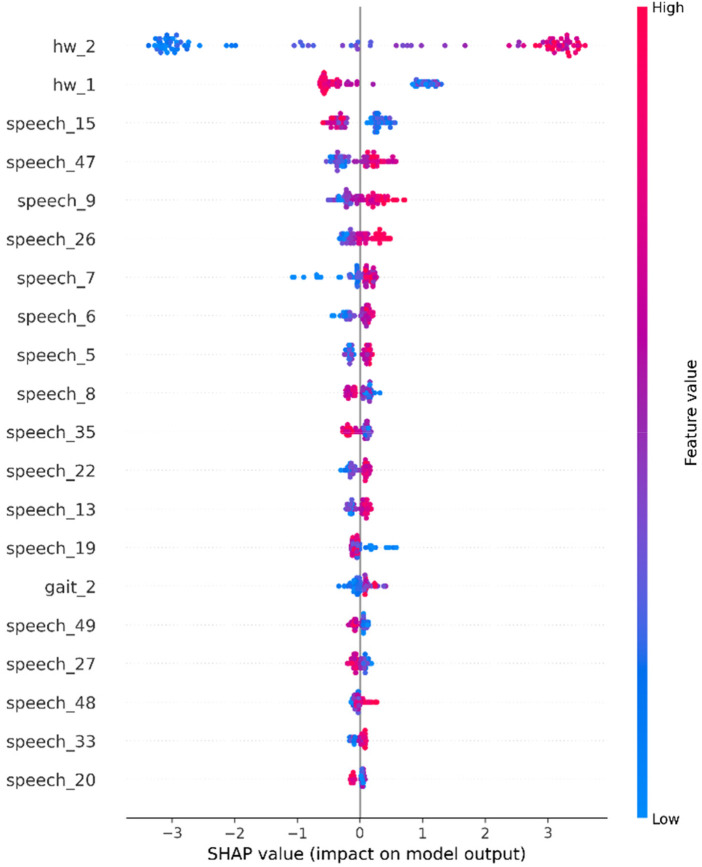 Figure 20
Peer Reviews
No public reviews on file for this paper yet. If you reviewed it on a platform where reviews are public (OpenReview, ICLR, NeurIPS, ICML), you can paste yours below so the community can read it here.
Videos
No videos yet. Explain this paper in a talk, walkthrough, or lecture? Add one.
Taxonomy
TopicsVoice and Speech Disorders · Parkinson's Disease Mechanisms and Treatments · Neurological disorders and treatments