Efficacy of chemical sanitizers against E. coli O157:H7 in single- and multi-species biofilms under wet and dry conditions
Kavitha Koti, Anna Macdonald, Argenis Rodas-Gonzalez, Tim McAllister, Claudia Narváez-Bravo

TL;DR
This study examines how different sanitizers affect E. coli O157:H7 and spoilage bacteria in biofilms under various conditions.
Contribution
The study introduces a comprehensive evaluation of sanitizer efficacy in single- and multi-species biofilms under different environmental and mechanical conditions.
Findings
BioDestroy® was the most effective sanitizer, achieving up to 7 log reductions on stainless steel.
Scrubbing significantly reduced organic residues, lowering ATP readings from >14,000 to ~100–180.
Mature or dry biofilms and hydrogen peroxide treatment allowed E. coli O157:H7 survival due to biofilm resilience and pathogen tolerance.
Abstract
Effective sanitation of food-contact surfaces is essential for controlling E. coli O157:H7 in beef processing environments. This study evaluated how environmental conditions (temperature, humidity, and biofilm age), surface materials [stainless steel (SS) and thermoplastic polyurethane (TPU)], mechanical action, and sanitizer type influence the survival of E. coli O157:H7 and spoilage bacteria within single- and mixed-species biofilms. Biofilms were formed on TPU and SS coupons at 10 °C or 25 °C, stored under wet 60–90% relative humidity (RH) and dry (20–50% RH) conditions at 10 °C and 25 °C for up to 60 days, and then exposed to detergents, a group was scrubbed other was not, then exposed to sanitizers quaternary ammonium compounds (Quats), sodium hypochlorite (Shypo), sodium hydroxide (SHyd), hydrogen peroxide (Hyp), peroxyacetic acid (PeroA) or BioDestroy®. Results showed that…
Genes, proteins, chemicals, diseases, species, mutations and cell lines named across the full text — each resolved to its canonical identifier and authoritative record.
Click any figure to enlarge with its caption.
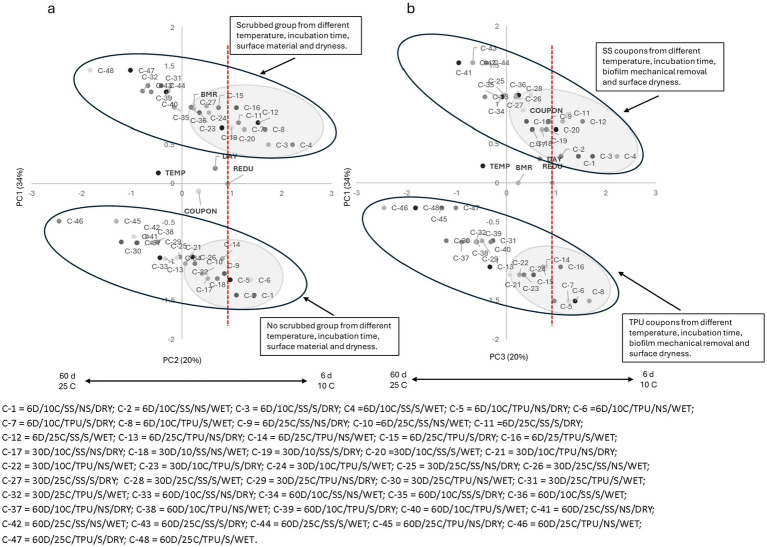 Figure 1
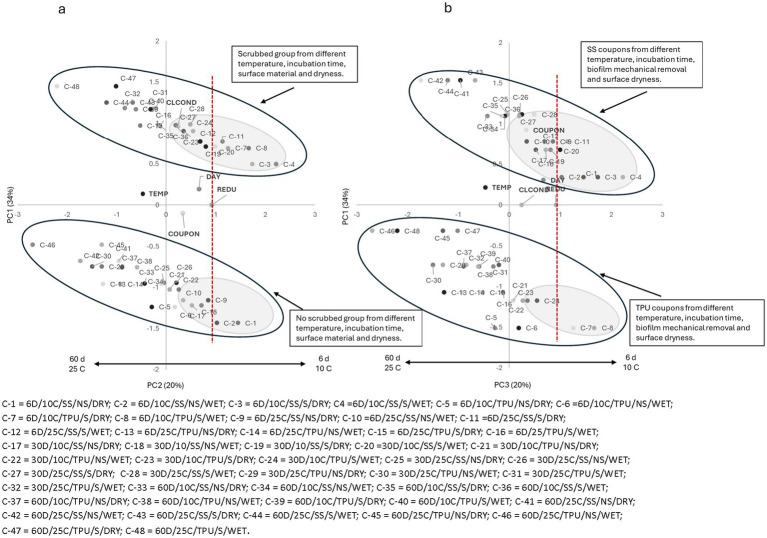 Figure 2
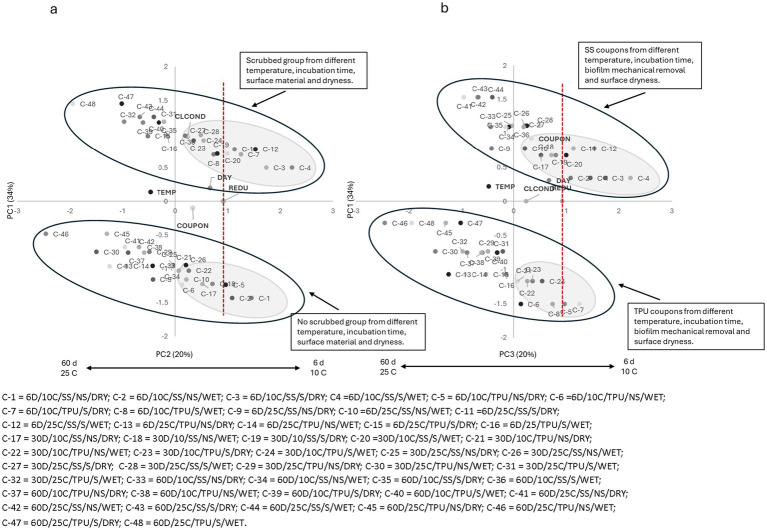 Figure 3
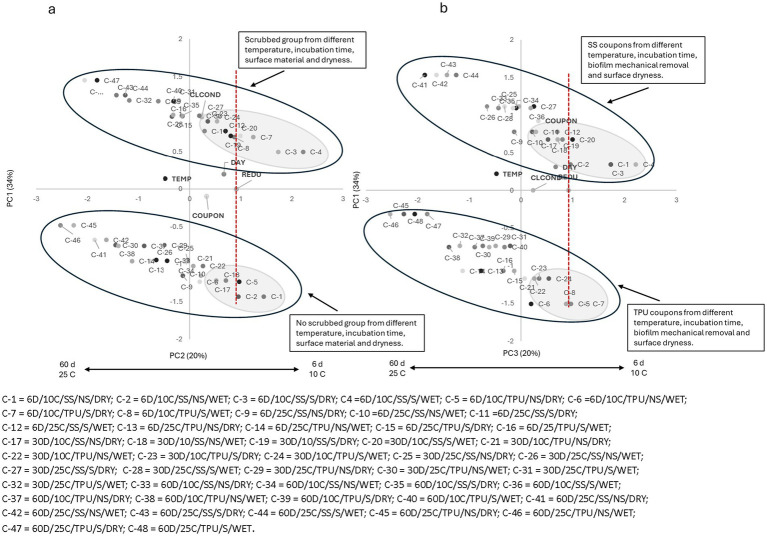 Figure 4
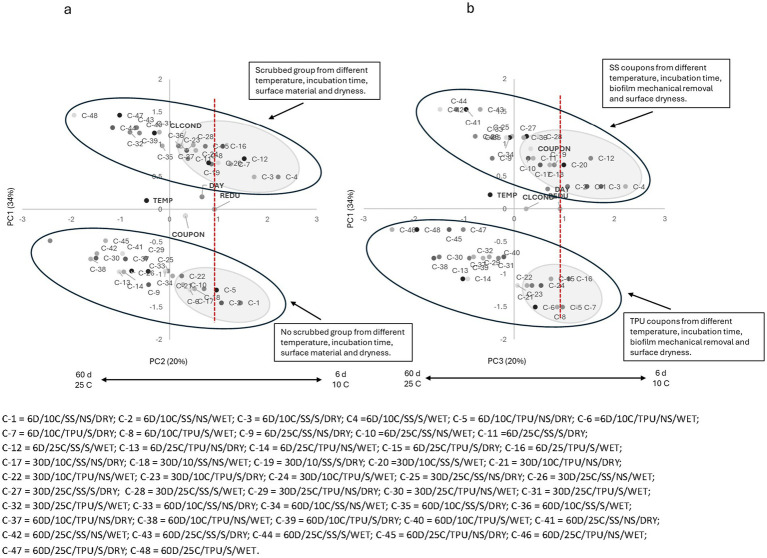 Figure 5
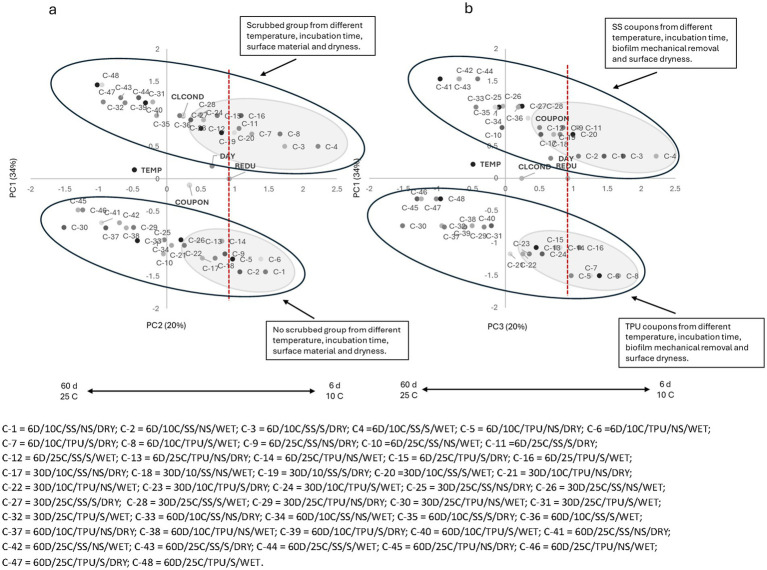 Figure 6
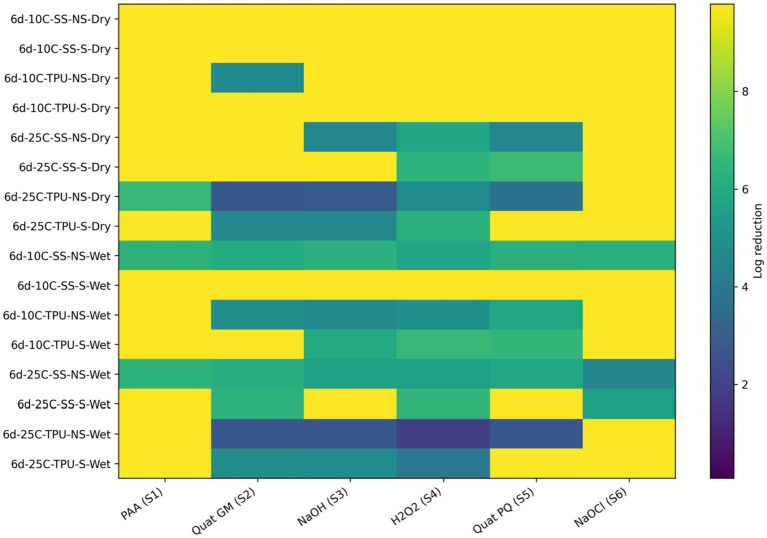 Figure 7
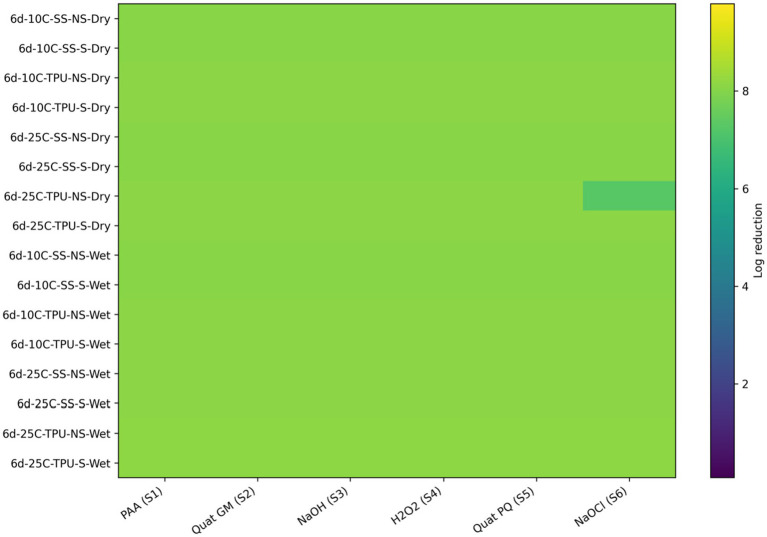 Figure 8
 Figure 9
 Figure 10
 Figure 11
 Figure 12
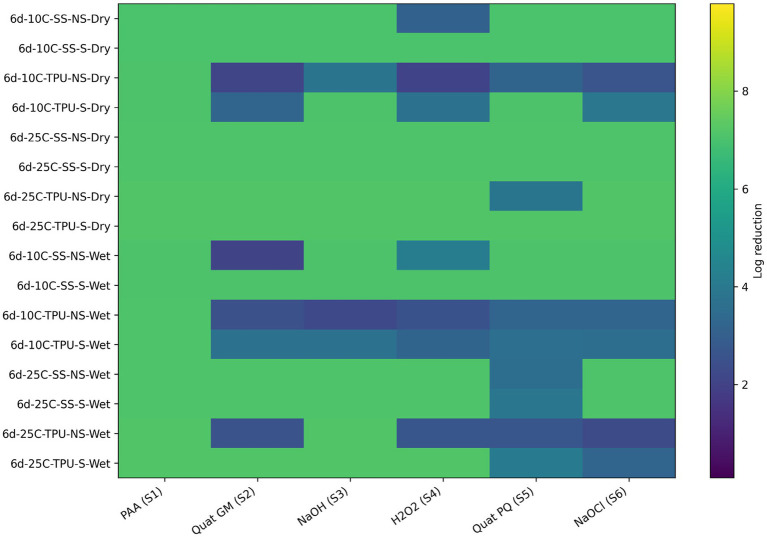 Figure 13
Peer Reviews
No public reviews on file for this paper yet. If you reviewed it on a platform where reviews are public (OpenReview, ICLR, NeurIPS, ICML), you can paste yours below so the community can read it here.
Videos
No videos yet. Explain this paper in a talk, walkthrough, or lecture? Add one.
Taxonomy
TopicsBacterial biofilms and quorum sensing · Antimicrobial agents and applications · Listeria monocytogenes in Food Safety