Effects of active action observation on cognitive, emotional, motor, and somatosensory outcomes in adolescents with juvenile idiopathic arthritis: a prospective exploratory case series
Enrique Carrasco-González, Guillermo Ceniza-Bordallo, Daniel Clemente Garulo, Clara Udaondo Gascón, Sergio Lerma-Lara, Roy La Touche

TL;DR
A home-based action observation program may help reduce pain and stress in teens with juvenile arthritis, offering a promising new rehabilitation approach.
Contribution
This is the first study to explore the feasibility and effects of active action observation in adolescents with juvenile idiopathic arthritis.
Findings
AAO was feasible and well accepted with no dropouts and mild adverse effects.
Significant reductions in pain interference, stress, and fear of pain were observed.
Improvements in self-efficacy and functional mobility suggest potential psychological and motor benefits.
Abstract
Juvenile Idiopathic Arthritis (JIA) is a heterogeneous pediatric rheumatic disease characterized by persistent pain, functional limitations, and psychosocial difficulties that frequently persist despite optimized pharmacological treatment. Active Action Observation (AAO), which involves observing and then executing goal-directed movements, has been shown to engage mirror-neuron and visuomotor networks. This approach has shown promise in neurological and orthopedic rehabilitation, but has not been studied in adolescents with JIA. To assess the feasibility, acceptability, and preliminary clinical effects of an eight-week home-based AAO telerehabilitation program in adolescents with JIA. A prospective exploratory case series included 10 adolescents with JIA (11–17 years). The participants completed an eight-week AAO protocol delivered via weekly pre-recorded YouTube videos and brief…
Genes, proteins, chemicals, diseases, species, mutations and cell lines named across the full text — each resolved to its canonical identifier and authoritative record.
Click any figure to enlarge with its caption.
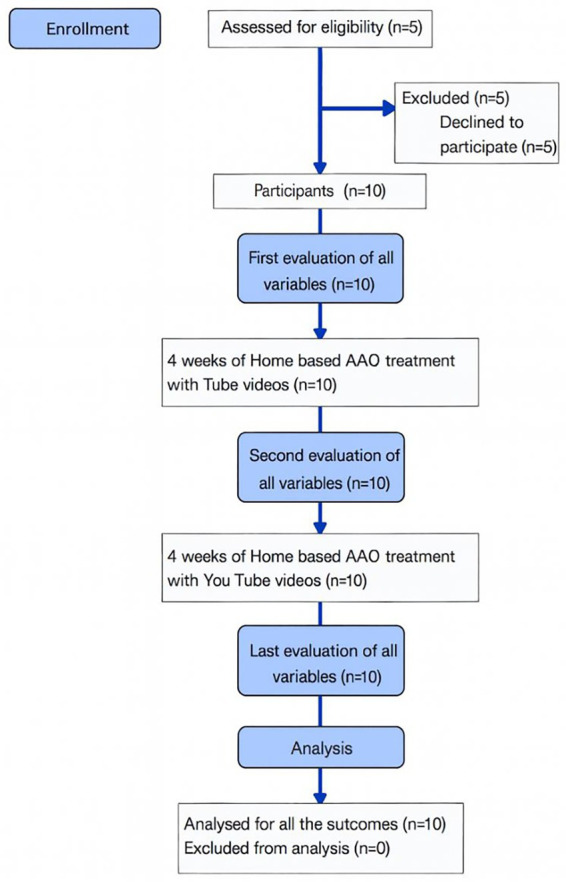 Figure 1
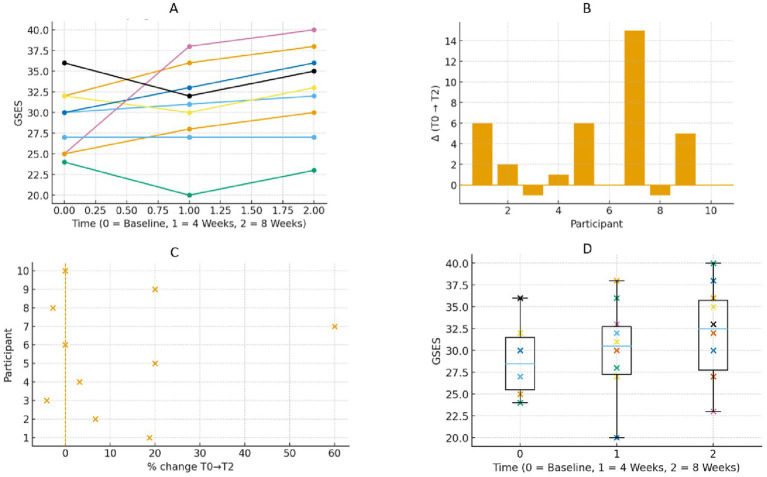 Figure 2
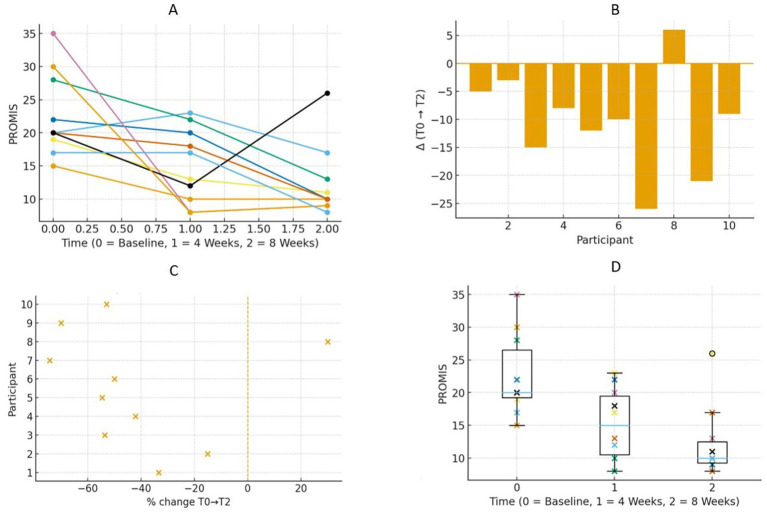 Figure 3
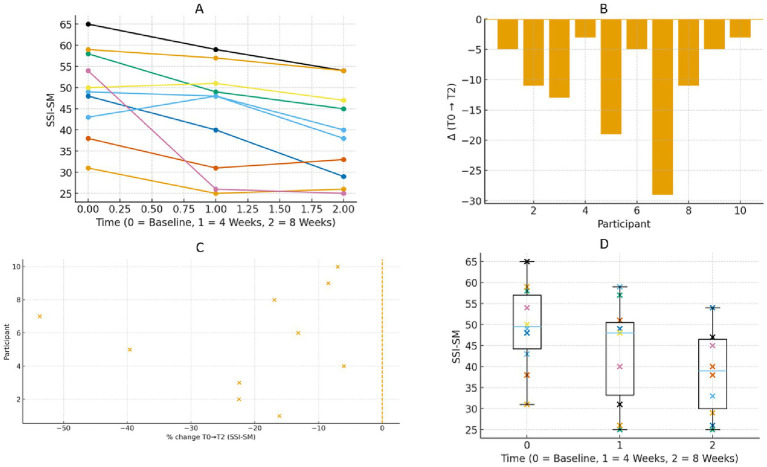 Figure 4
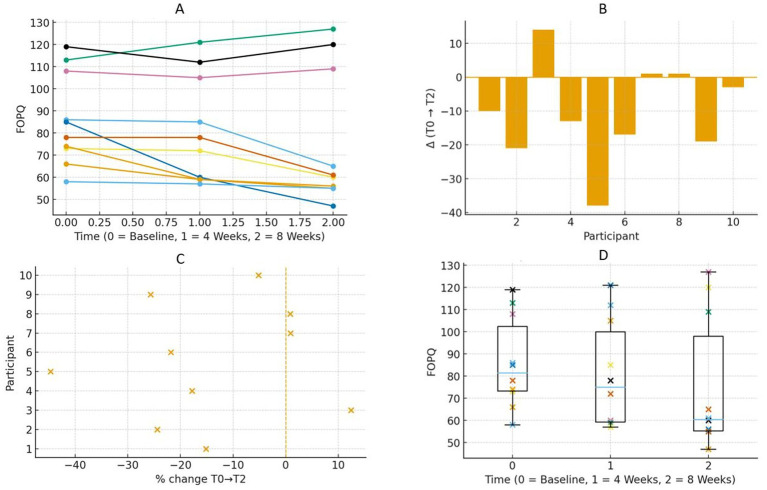 Figure 5
Peer Reviews
No public reviews on file for this paper yet. If you reviewed it on a platform where reviews are public (OpenReview, ICLR, NeurIPS, ICML), you can paste yours below so the community can read it here.
Videos
No videos yet. Explain this paper in a talk, walkthrough, or lecture? Add one.
Taxonomy
TopicsChildren's Physical and Motor Development · Action Observation and Synchronization · Cerebral Palsy and Movement Disorders