A functional cell model using basophil activation test to study molecular mechanisms and biomarkers of response to omalizumab treatment in patients with asthma
Boris Gole, Larisa Goričan, Gregor Jezernik, Mario Gorenjak, Anja Bizjak, Vojko Berce, Maja Skerbinjek Kavalar, Michael Kabesch, Erik Melén, Korneliusz Golebski, Cornelius M. van Drunen, Anke Hilse Maitland-van der Zee, Susanne Reinartz, Susanne J. H. Vijverberg, Uroš Potočnik

TL;DR
This paper introduces a new lab test using basophils to study how asthma patients respond to omalizumab treatment and identifies a potential biomarker for treatment response.
Contribution
A novel in vitro model using basophil activation and RNA sequencing to assess omalizumab response and identify biomarkers in asthma patients.
Findings
The in vitro basophil activation and degradation test can assess differential responses to omalizumab in asthma patients.
Differentially expressed genes in better responders are linked to antiviral defense mechanisms.
Low RSAD2 expression is associated with poor response to omalizumab in vitro.
Abstract
Patients with severe asthma may benefit from targeted biological therapies. However, personalized therapy in children and adolescents with asthma, based on individual susceptibility to molecular mechanisms addressed by different biologicals is underdeveloped. Here, we established a functional in vitro model, to study the differential responses of asthma patients to omalizumab (an IgE targeting biological) therapy. White blood cells isolated from asthmatic children and adolescents were pre-treated with omalizumab. Next, basophil activation and degradation were used to assess the in vitro patient’s response to omalizumab after exposure to patient-specific allergens. In parallel, basophils-specific whole RNA sequencing was used to screen for differentially expressed genes associated with an in vitro response to omalizumab. The results of the screen were first confirmed in an independent…
Genes, proteins, chemicals, diseases, species, mutations and cell lines named across the full text — each resolved to its canonical identifier and authoritative record.
Click any figure to enlarge with its caption.
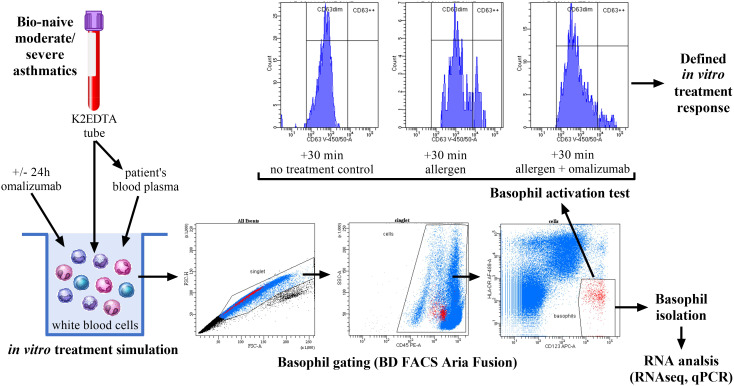 Figure 1
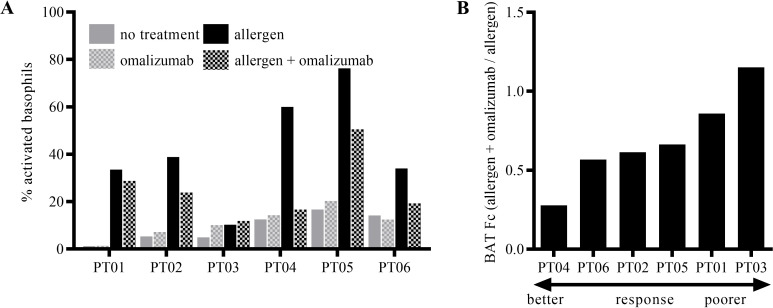 Figure 2
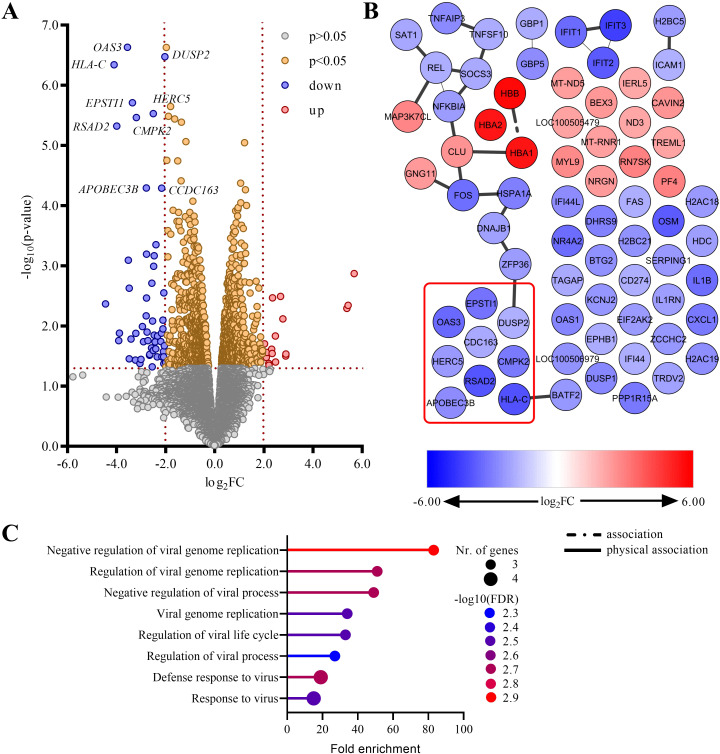 Figure 3
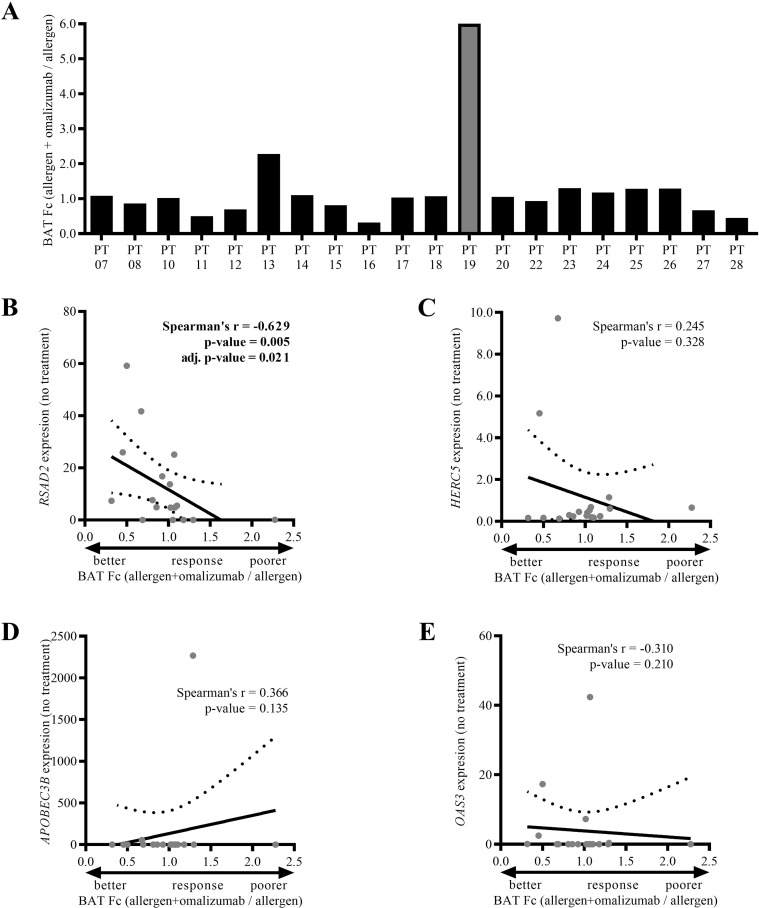 Figure 4
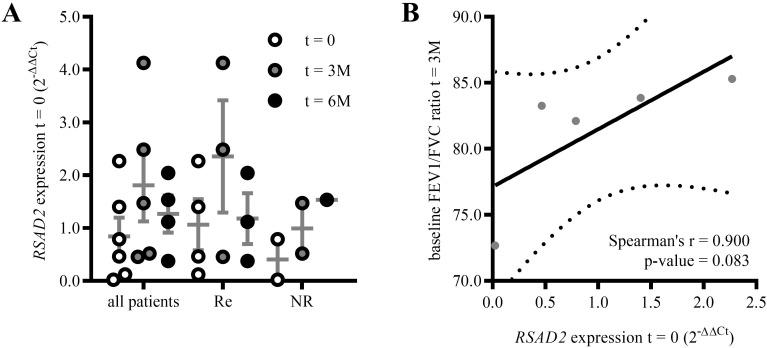 Figure 5
Peer Reviews
No public reviews on file for this paper yet. If you reviewed it on a platform where reviews are public (OpenReview, ICLR, NeurIPS, ICML), you can paste yours below so the community can read it here.
Videos
No videos yet. Explain this paper in a talk, walkthrough, or lecture? Add one.
Taxonomy
TopicsAsthma and respiratory diseases · Mast cells and histamine · Allergic Rhinitis and Sensitization