PDE1B and PDE10A as novel targets for schizophrenia: from molecular design and synthesis to therapeutic promise
Jaya Rautela, Anand Gaurav, Veeranoot Nissapatorn, Chung Keat Tan, Ana Paula Girol, Maria De Lourdes Pereira, Vannajan Sanghiran Lee

TL;DR
This paper explores PDE1B and PDE10A as new targets for schizophrenia treatment, focusing on their role in dopamine signaling and the development of inhibitors to manage symptoms.
Contribution
The paper highlights recent advancements in designing PDE1B and PDE10A inhibitors and emphasizes the potential of dual inhibitors for schizophrenia treatment.
Findings
PDE1B inhibition enhances D1-receptor signaling, potentially improving negative symptoms and cognitive deficits in schizophrenia.
PDE10A inhibition modulates D2-receptor activity, which may alleviate positive symptoms of schizophrenia.
Dual PDE1B/10A inhibitors remain underexplored but show promise for comprehensive symptom management.
Abstract
Phosphodiesterase 1B (PDE1B) and phosphodiesterase 10A (PDE10A), members of the phosphodiesterase superfamily, are responsible for cyclic nucleotide hydrolysis, thereby regulating key intracellular signaling pathways such as cAMP response element-binding protein (CREB) activation and brain-derived neurotrophic factor (BDNF) gene transcription. Both enzymes are predominantly expressed in the brain and co-localize with dopamine receptors, positioning them as potential targets for addressing schizophrenia, a disorder characterized by dopamine system dysfunction. PDE1B inhibition enhances D1-receptor signaling, ameliorating negative symptoms and cognitive deficits, while PDE10A inhibition modulates D2-receptor activity, potentially alleviating positive symptoms. Together, these mechanisms suggest that targeting PDE1B and PDE10A could offer an innovative avenue for the comprehensive…
Genes, proteins, chemicals, diseases, species, mutations and cell lines named across the full text — each resolved to its canonical identifier and authoritative record.
Click any figure to enlarge with its caption.
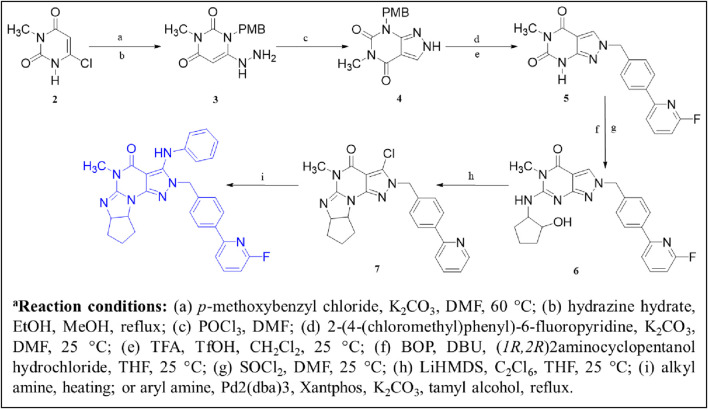 Figure 1
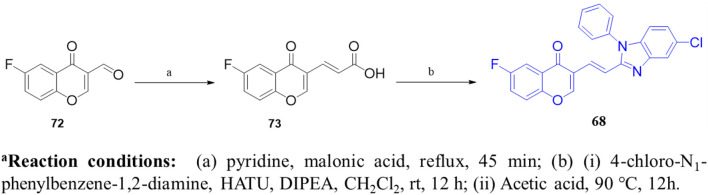 Figure 2
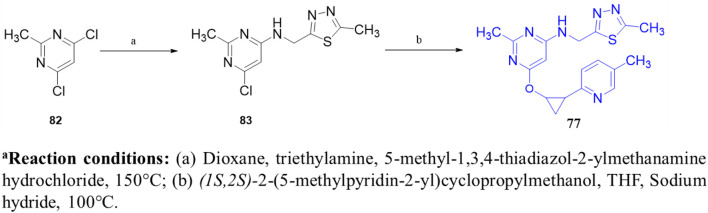 Figure 3
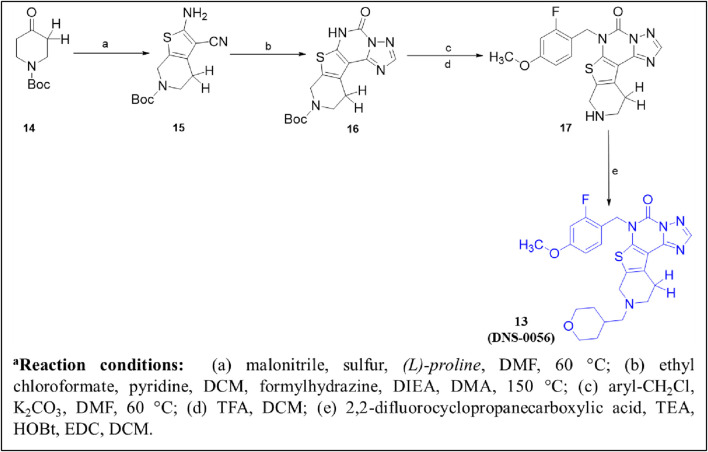 Figure 4
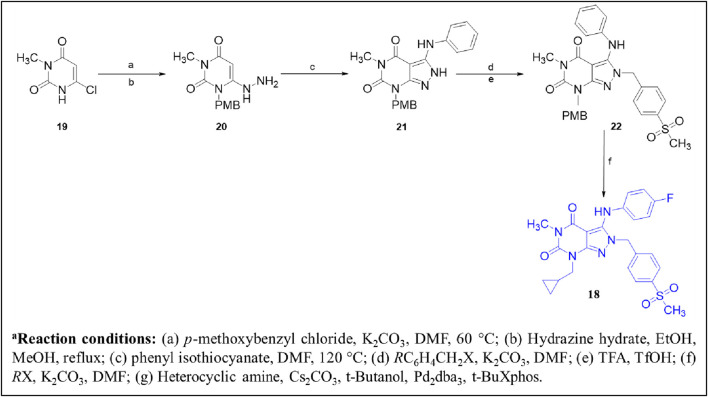 Figure 5
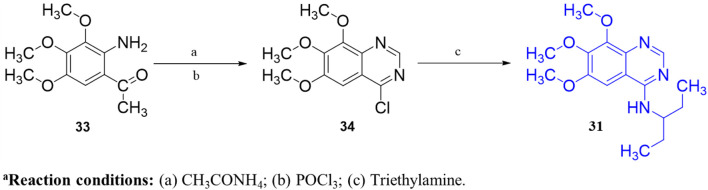 Figure 6
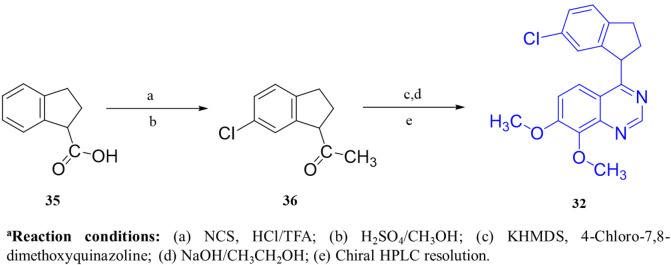 Figure 7
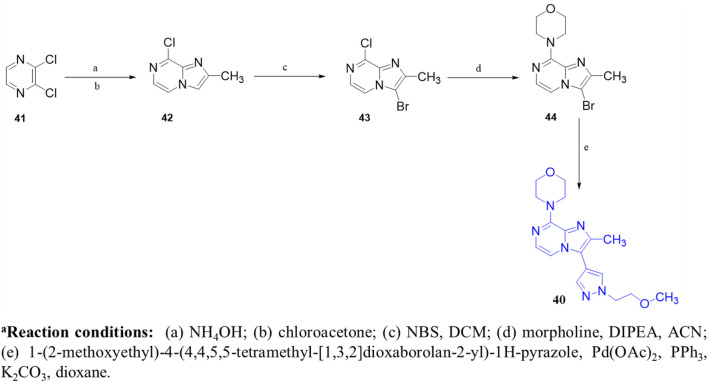 Figure 8
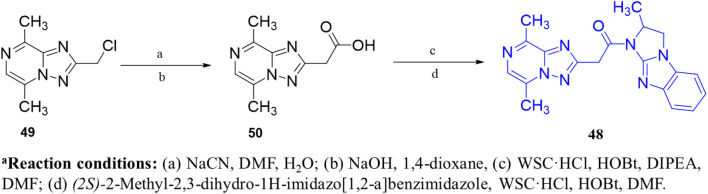 Figure 9
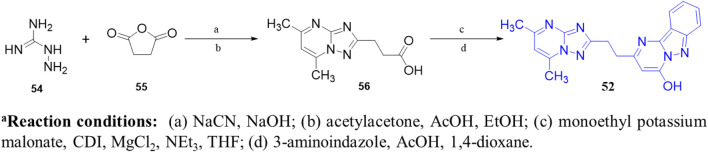 Figure 10
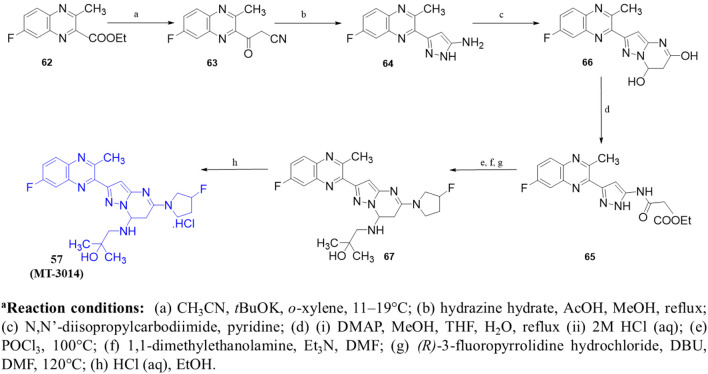 Figure 11
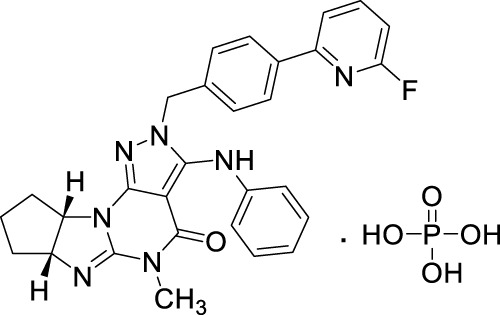 Figure 12
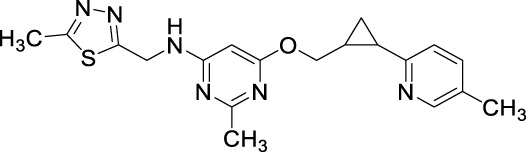 Figure 13
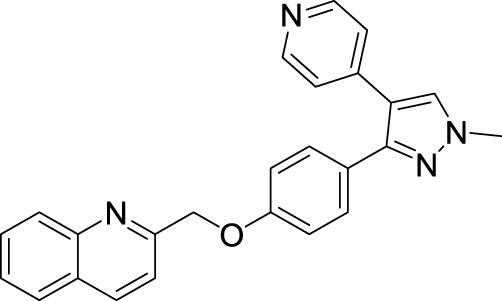 Figure 14
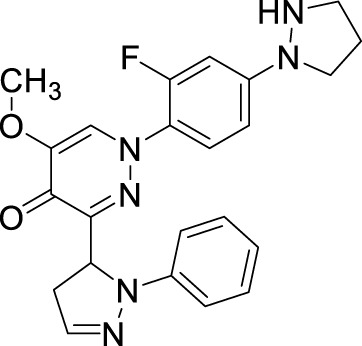 Figure 15
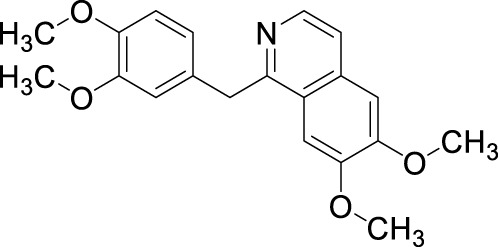 Figure 16
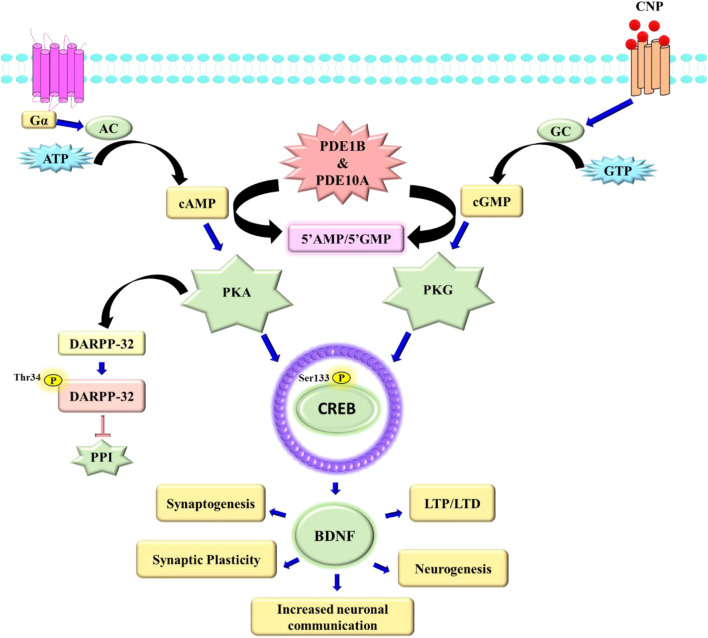 Figure 17
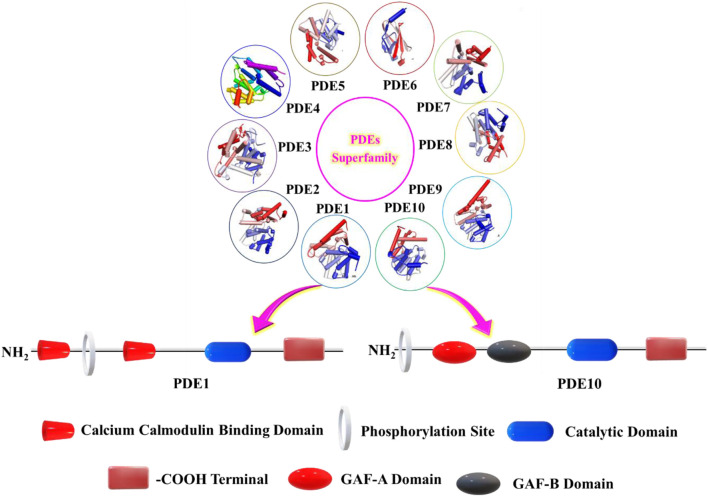 Figure 18
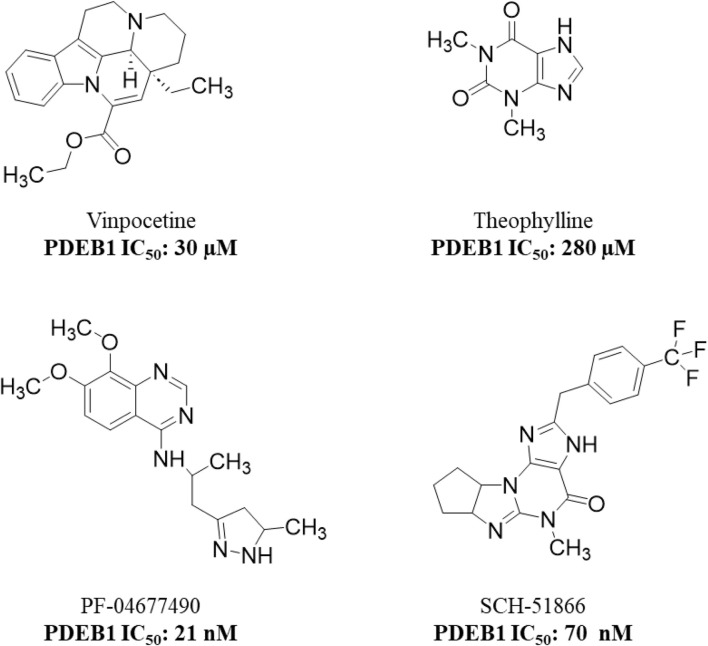 Figure 19
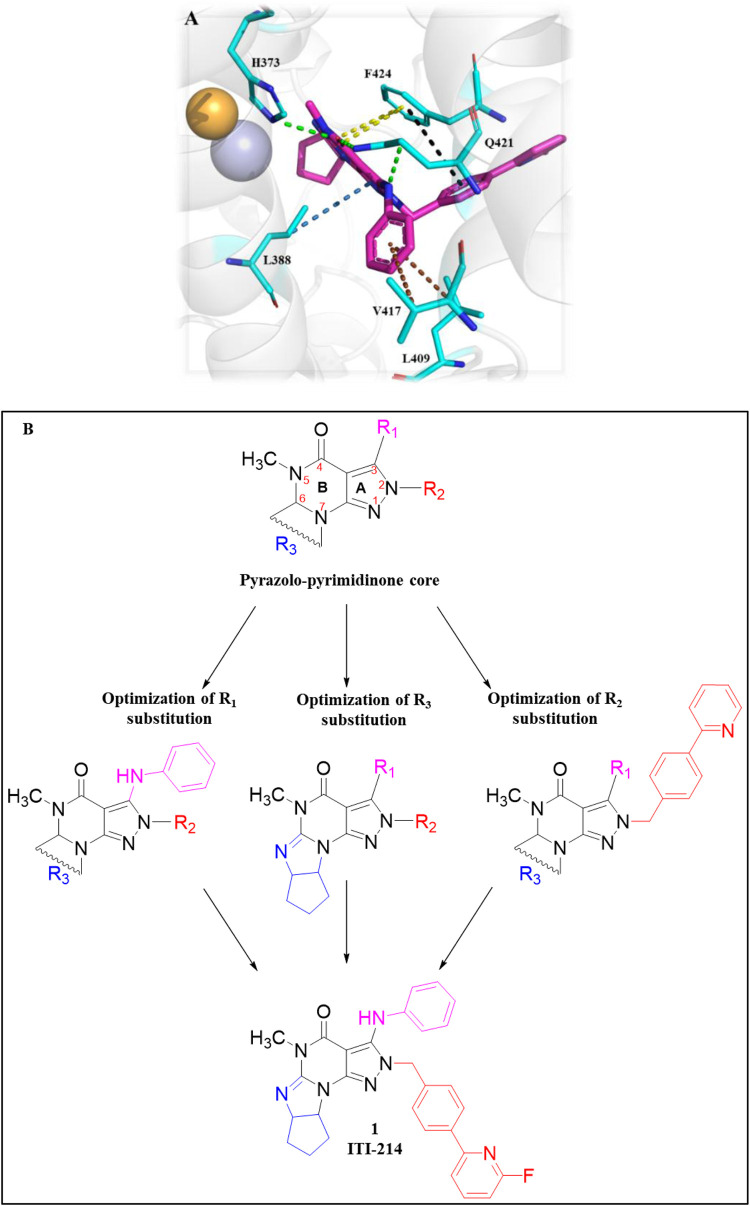 Figure 20
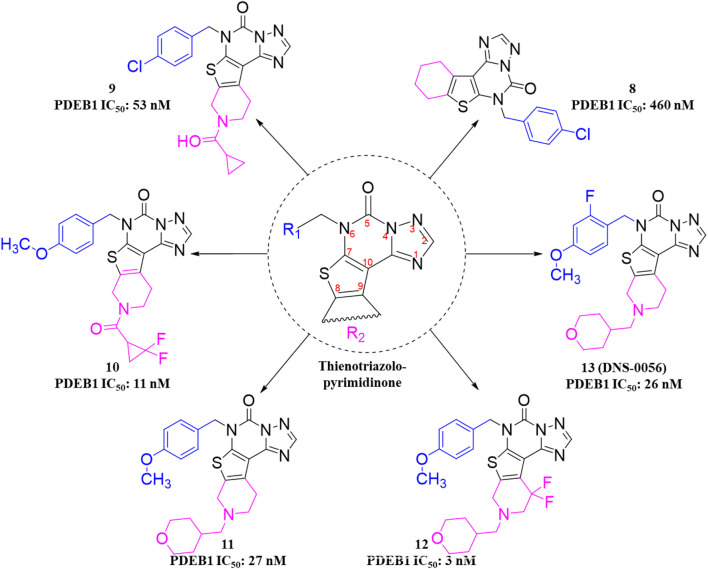 Figure 21
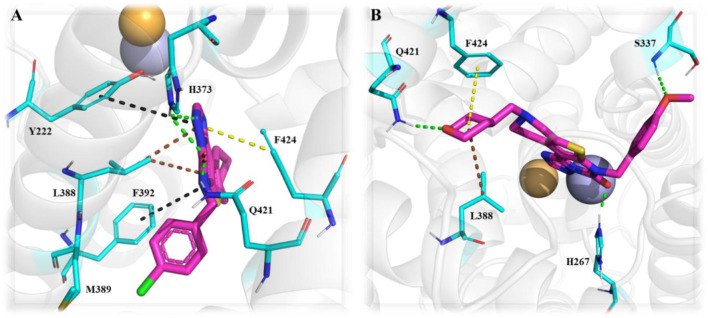 Figure 22
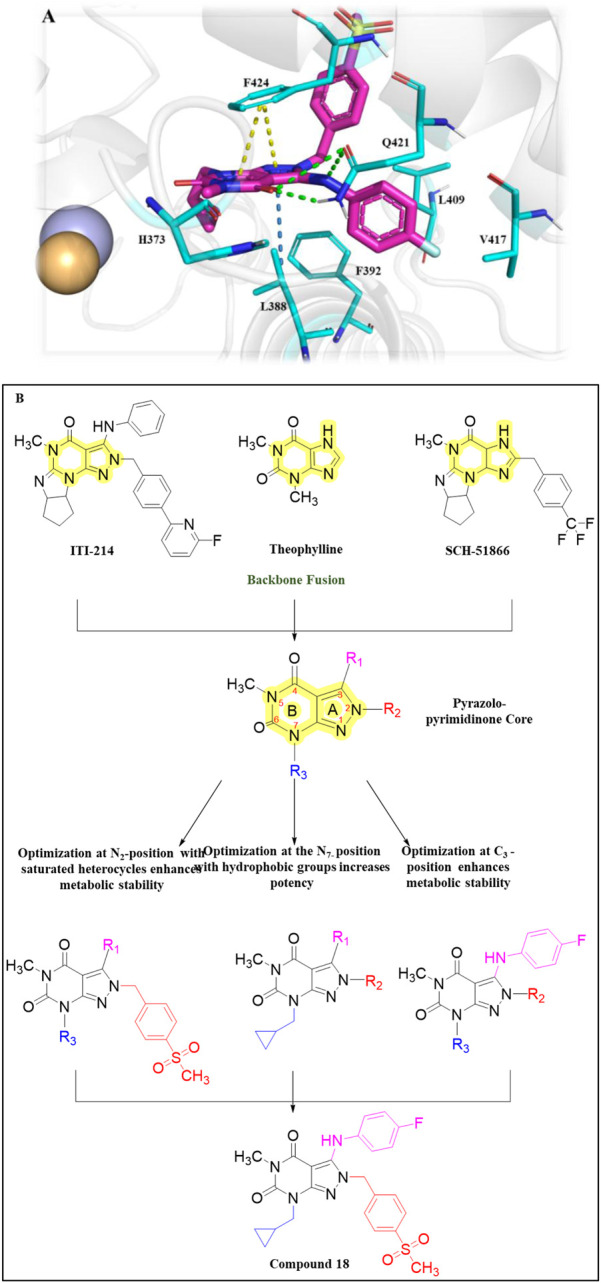 Figure 23
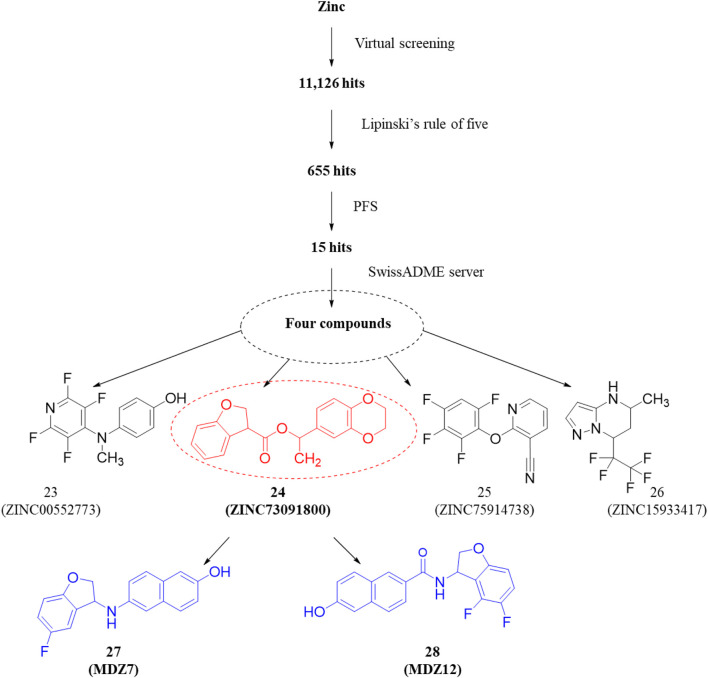 Figure 24
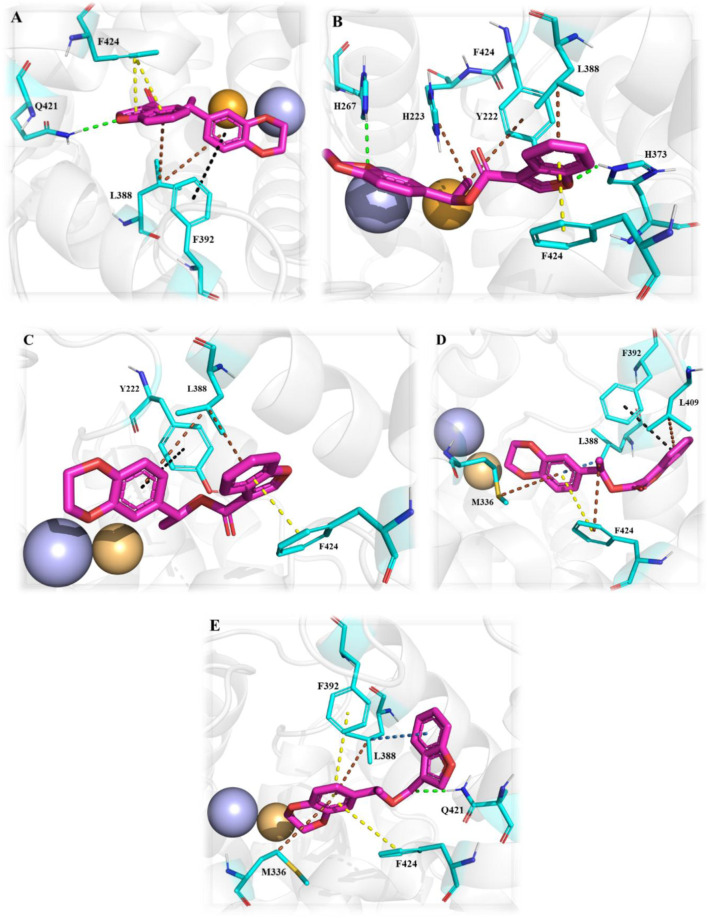 Figure 25
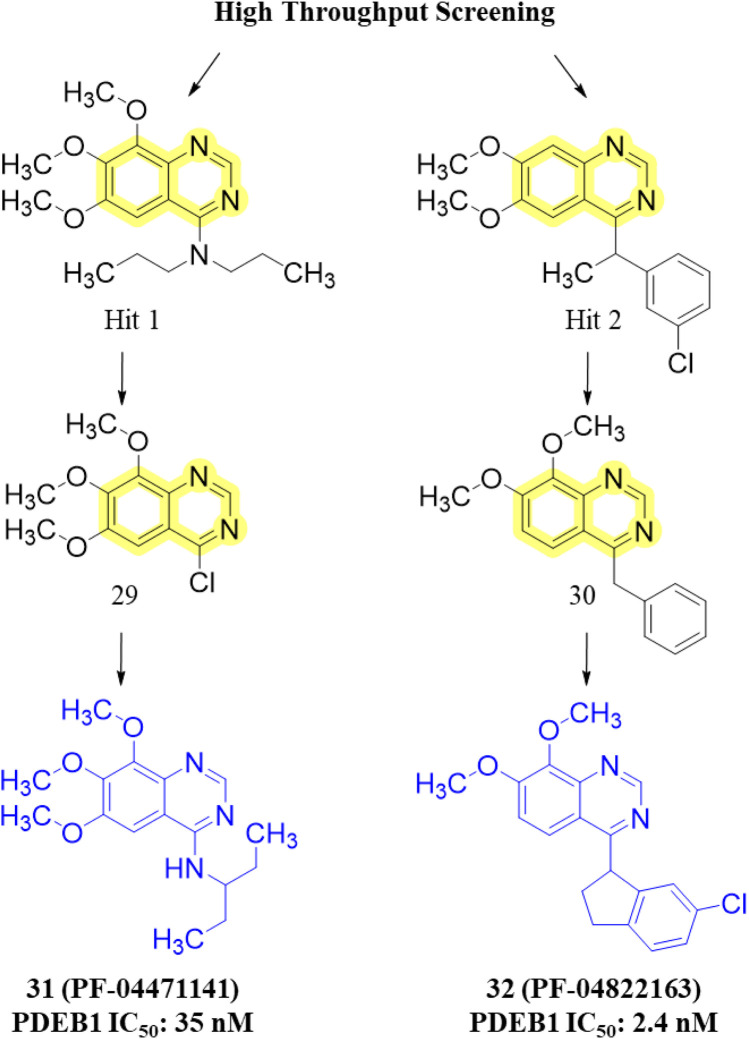 Figure 26
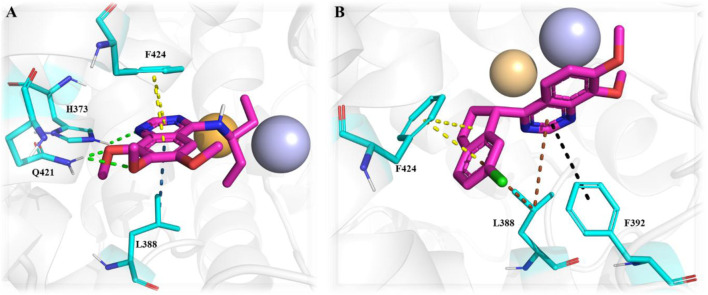 Figure 27
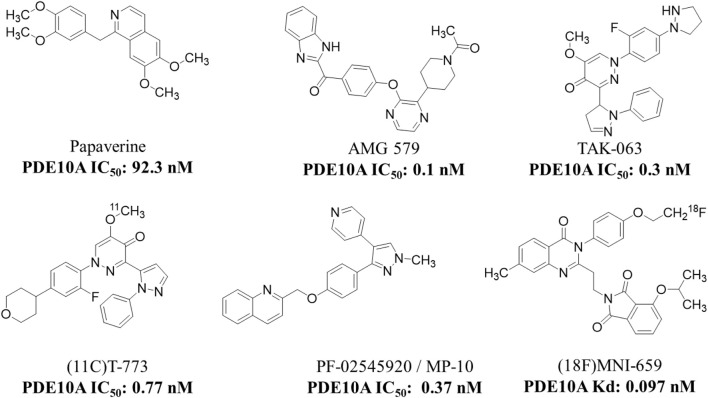 Figure 28
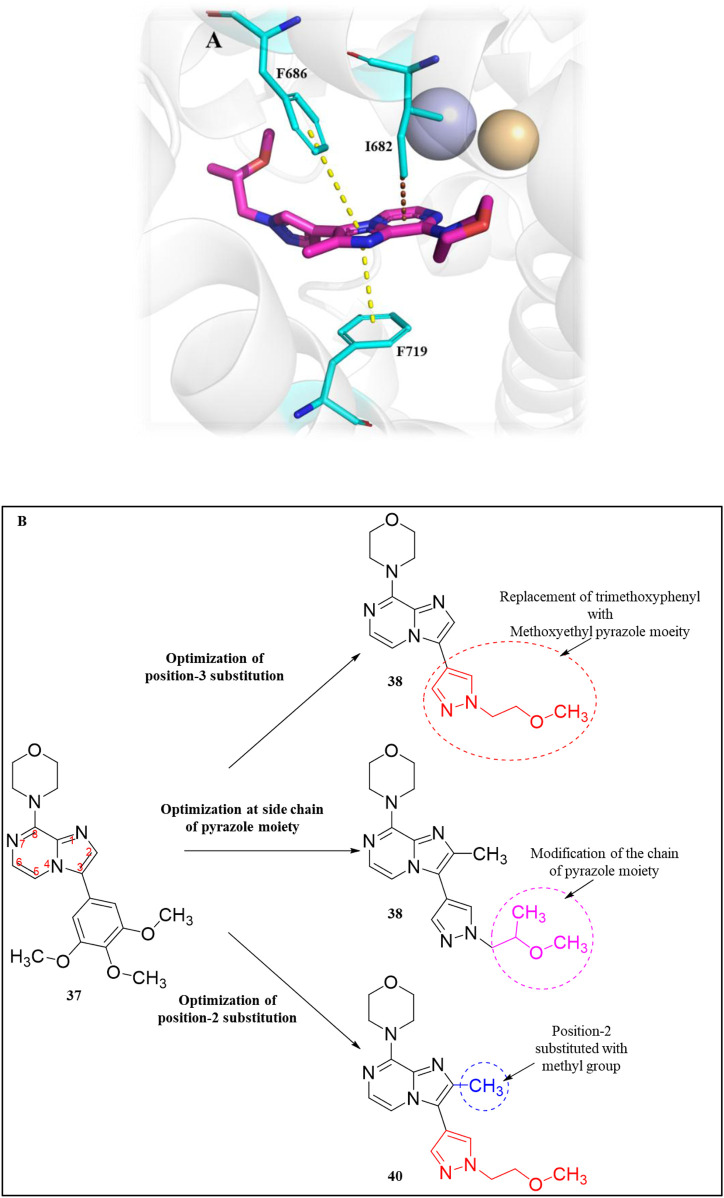 Figure 29
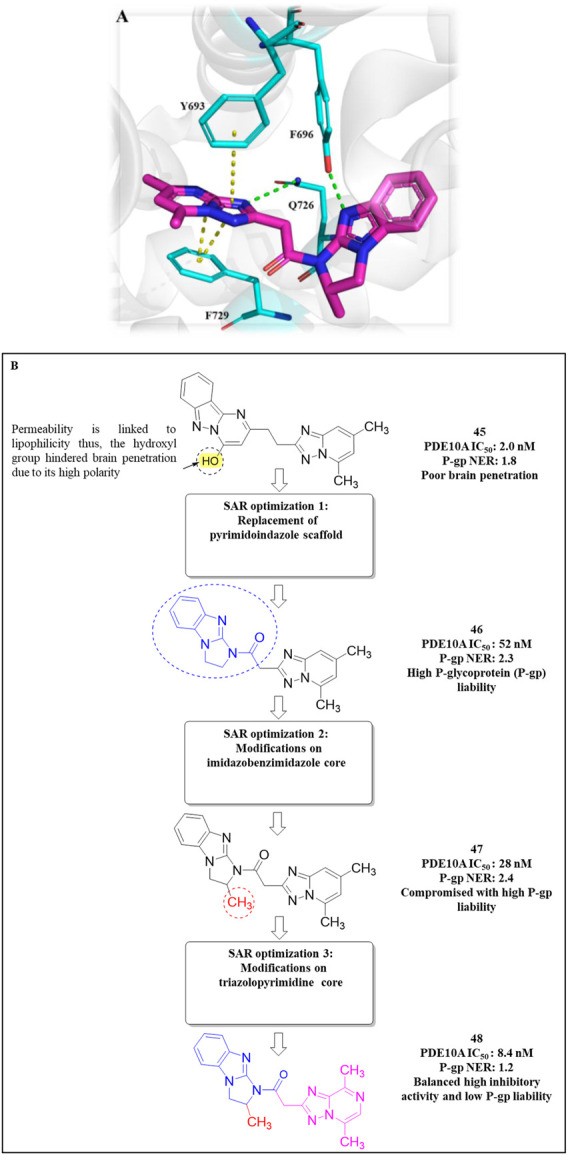 Figure 30
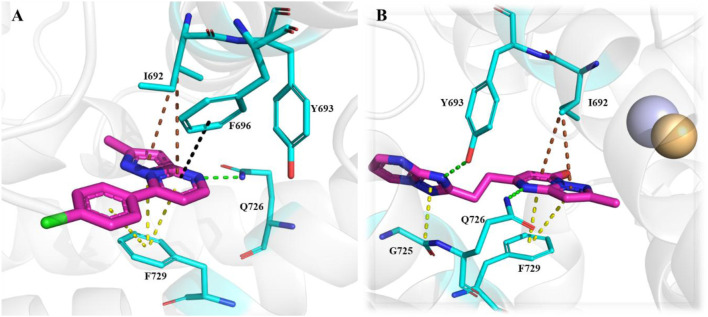 Figure 31
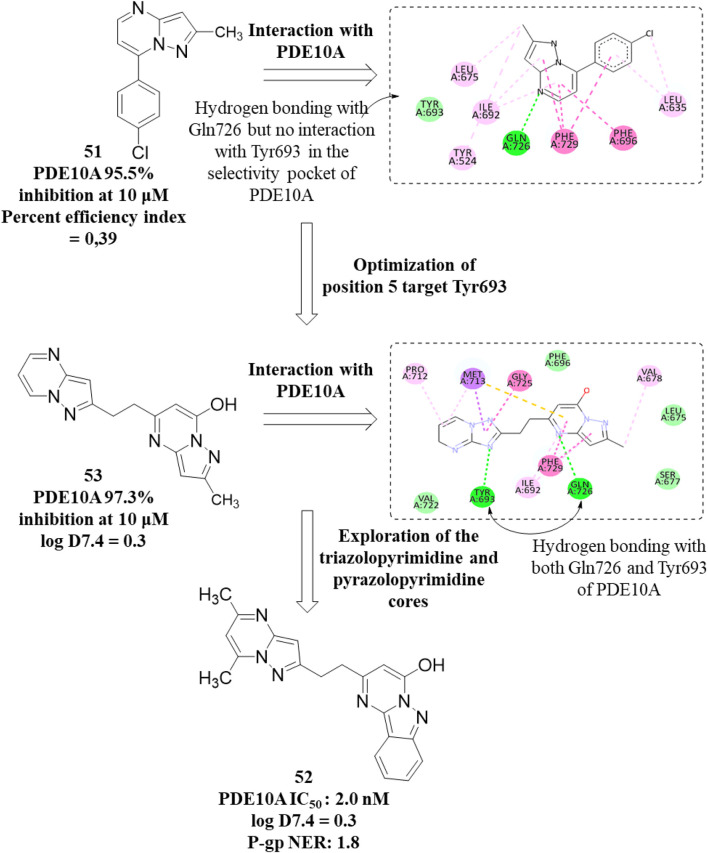 Figure 32
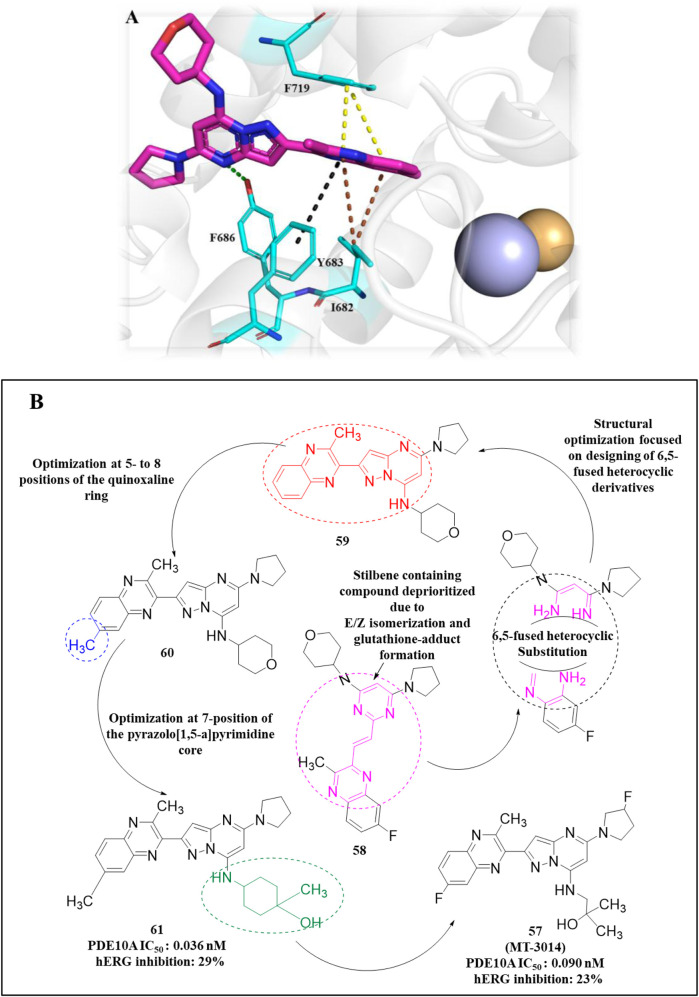 Figure 33
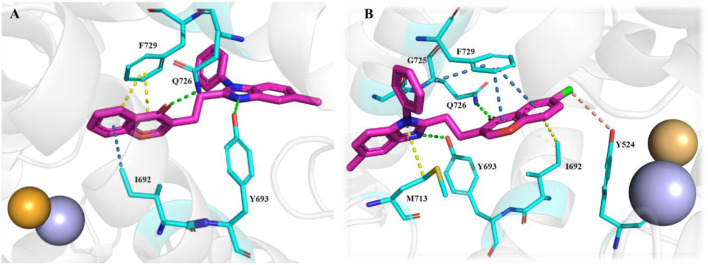 Figure 34
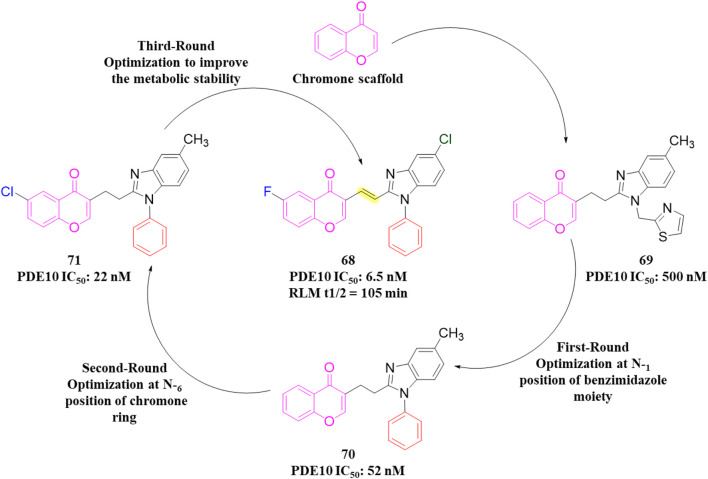 Figure 35
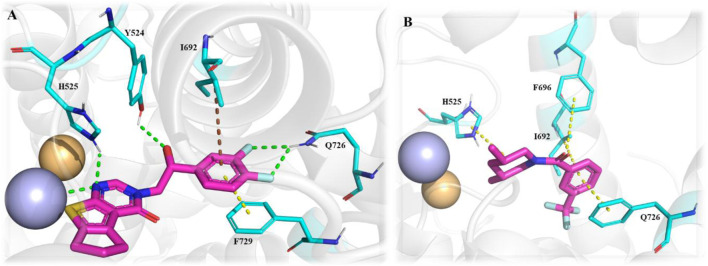 Figure 36
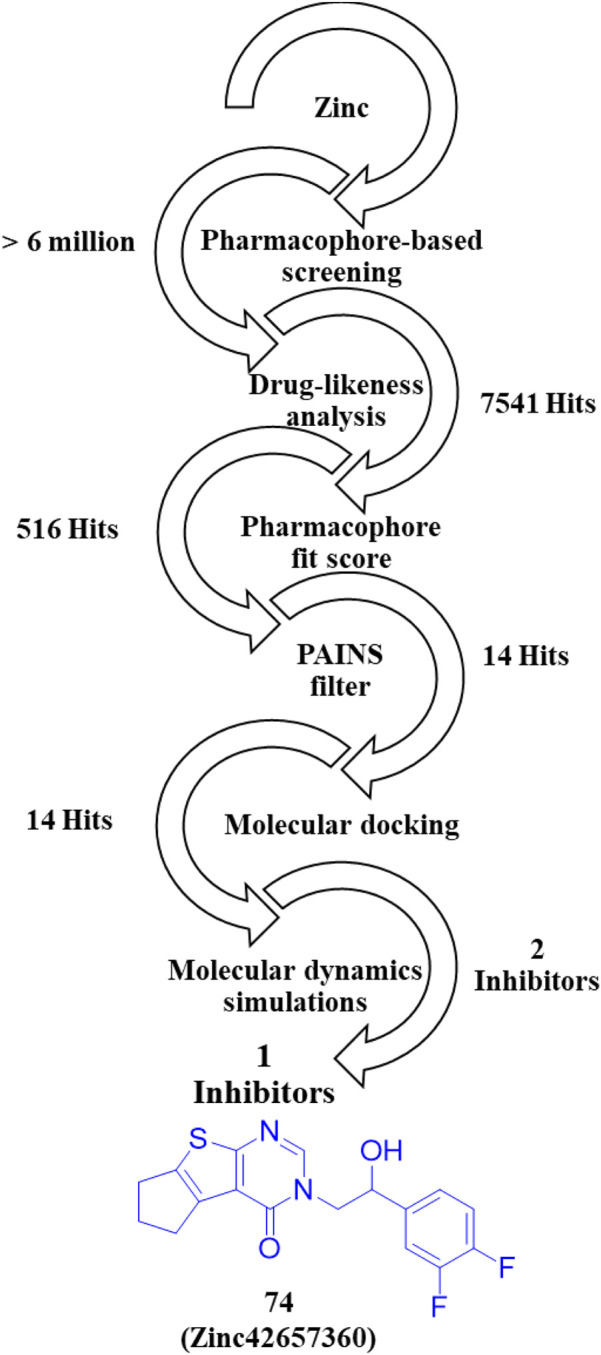 Figure 37
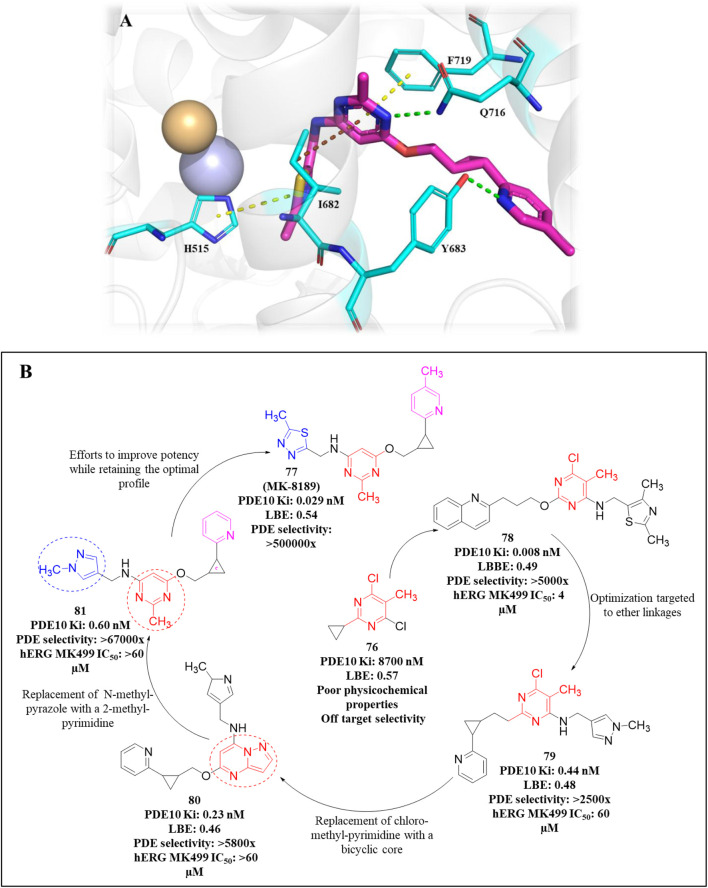 Figure 38
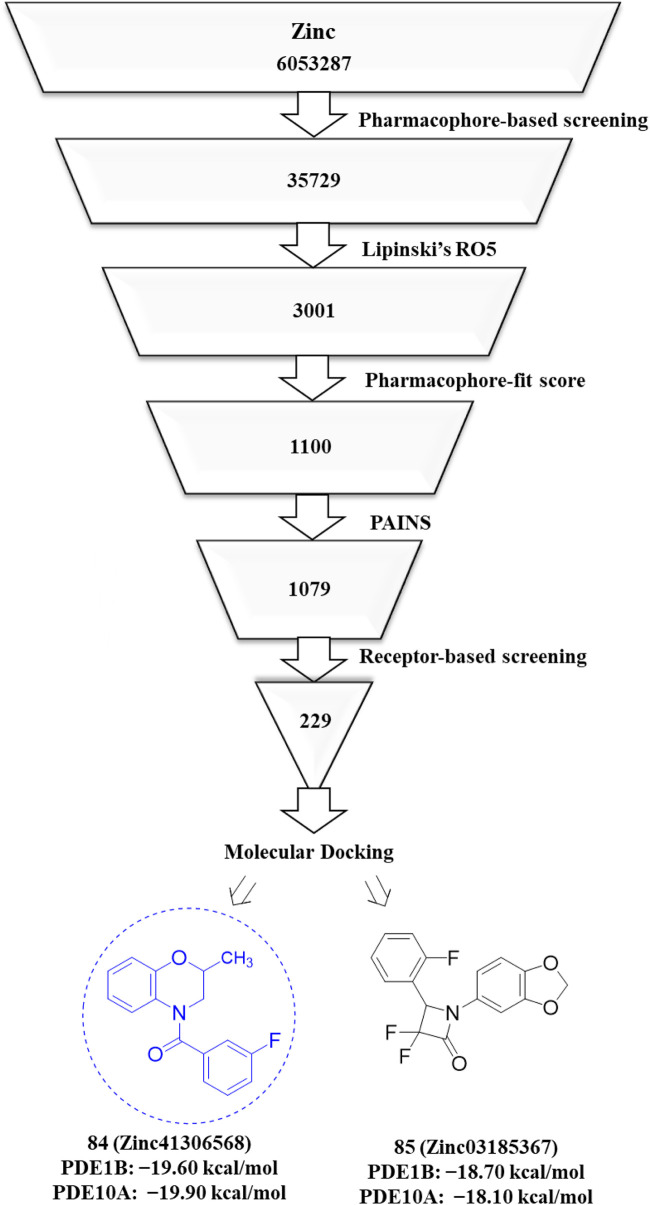 Figure 39
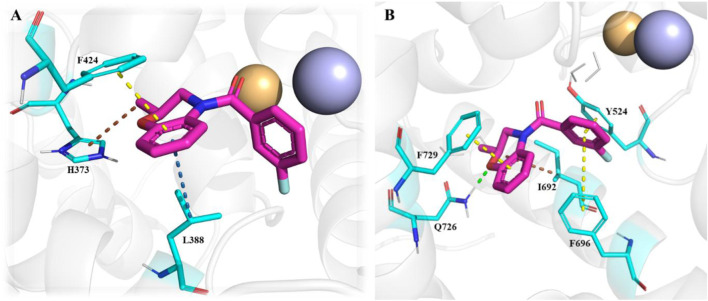 Figure 40
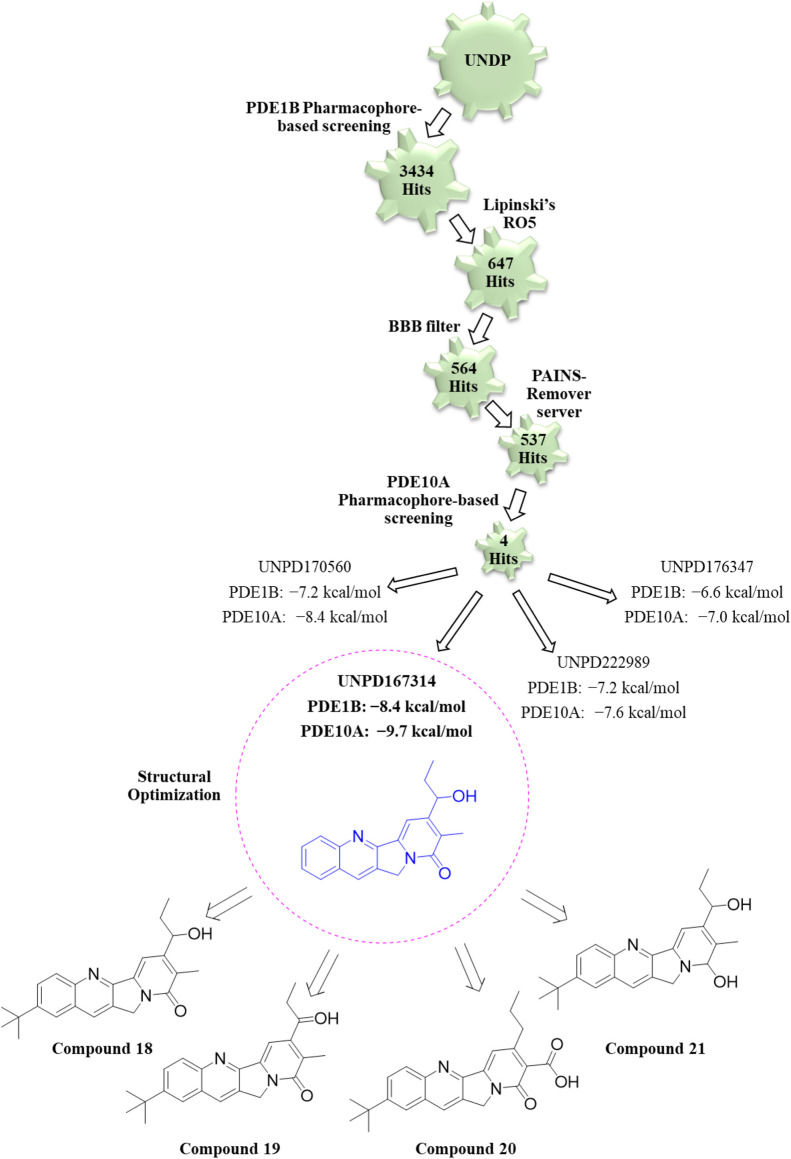 Figure 41
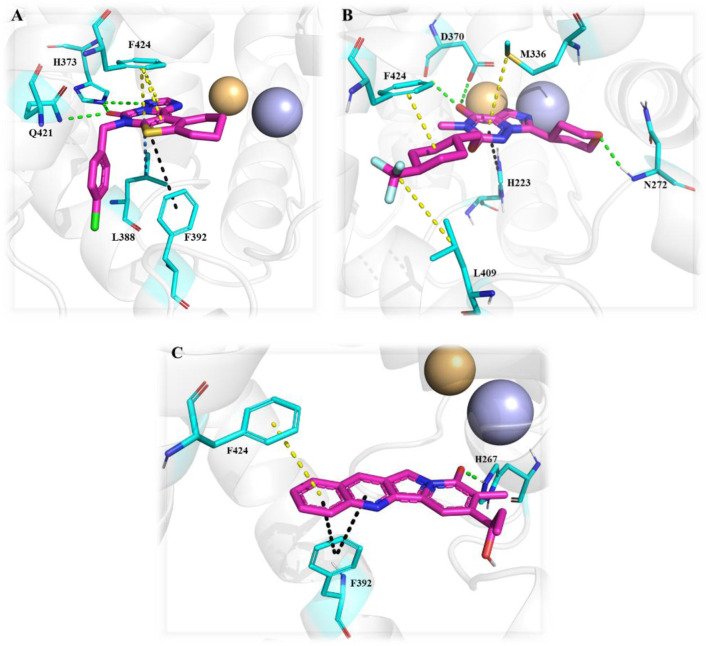 Figure 42
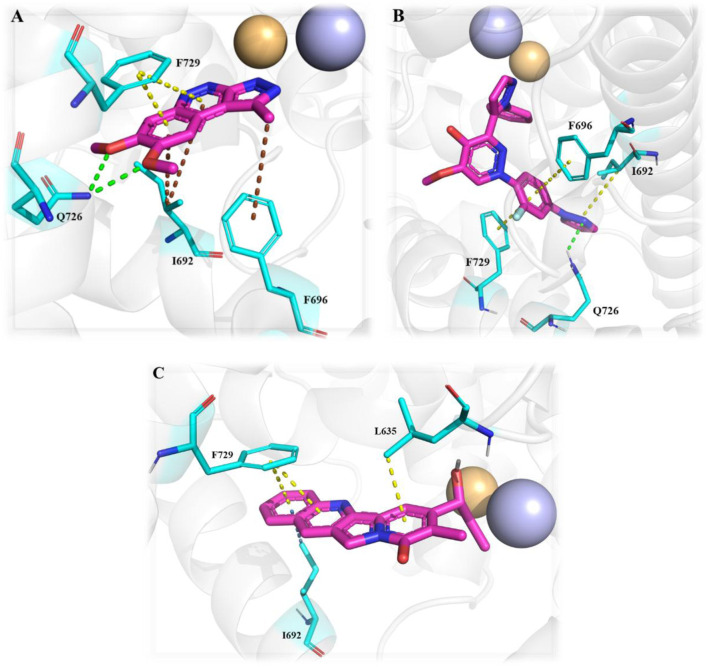 Figure 43
Peer Reviews
No public reviews on file for this paper yet. If you reviewed it on a platform where reviews are public (OpenReview, ICLR, NeurIPS, ICML), you can paste yours below so the community can read it here.
Videos
No videos yet. Explain this paper in a talk, walkthrough, or lecture? Add one.
Taxonomy
TopicsPhosphodiesterase function and regulation · Protein Kinase Regulation and GTPase Signaling · Histone Deacetylase Inhibitors Research