A high-throughput screening platform for acetylcholinesterase inhibitors using a genetically encoded acetylcholine fluorescent sensor
Xinxin Li, Yueming Yu, Siyu Li, Xueyang Lin, Chen Yang, Yufeng Yang, Shengran Wang, Mengwei Zhou, Zhenghao Bao, Xin Sui, Wenya Feng, Jun Yang, Daiying Zuo, Yuan Luo, Yongan Wang, Xianli Du

TL;DR
The paper introduces a new high-throughput method for screening acetylcholinesterase inhibitors using a genetically encoded sensor, offering a faster and cheaper alternative to traditional methods.
Contribution
A novel high-throughput screening platform for AChE inhibitors using a genetically encoded acetylcholine sensor is developed.
Findings
The method detects AChE inhibitors at micromole levels.
It eliminates the need for purified enzymes and toxic reagents like DTNB.
The platform reduces costs by approximately two orders of magnitude.
Abstract
Acetylcholinesterase (AChE) is a crucial hydrolytic enzyme in the central nervous system, responsible for the rapid degradation of the neurotransmitter acetylcholine (ACh) in the synaptic cleft, thereby maintaining the balance between neuronal excitation and inhibition. AChE is not only the primary target of neurotoxic agents and organophosphorus pesticides but its aberrant activity is also closely associated with various neurodegenerative diseases such as Alzheimer’s disease (AD) and myasthenia gravis. The efficient and rapid discovery and screening of AChE inhibitors hold urgent and significant value for chemical toxin detection, toxicological research, and drug development for neurodegenerative diseases. Addressing the limitations of existing methods, such as low biocompatibility, low detection throughput, relative operational complexity, and high cost, this study innovatively…
Genes, proteins, chemicals, diseases, species, mutations and cell lines named across the full text — each resolved to its canonical identifier and authoritative record.
Click any figure to enlarge with its caption.
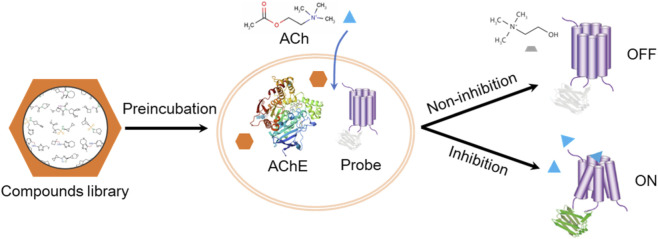 Figure 1
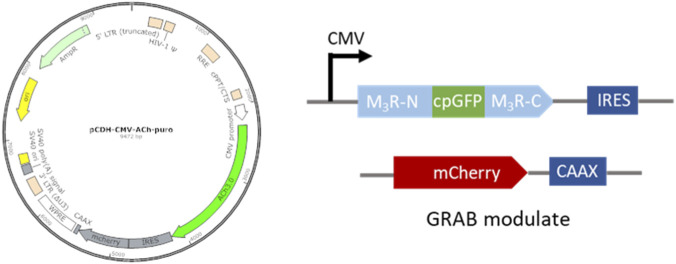 Figure 2
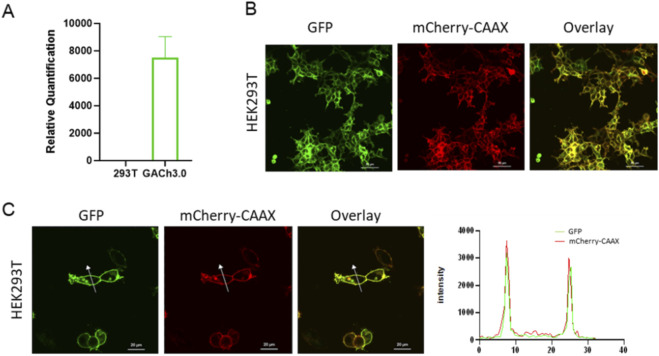 Figure 3
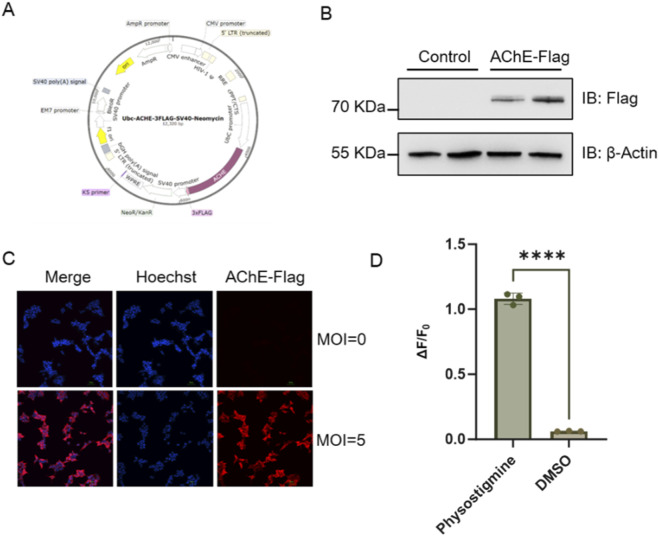 Figure 4
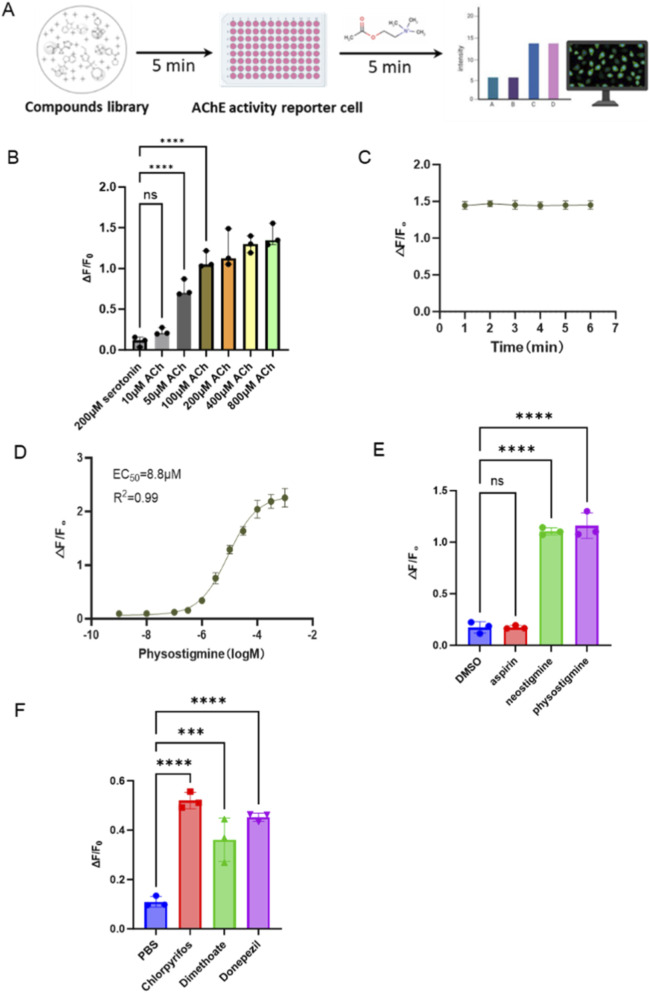 Figure 5
Peer Reviews
No public reviews on file for this paper yet. If you reviewed it on a platform where reviews are public (OpenReview, ICLR, NeurIPS, ICML), you can paste yours below so the community can read it here.
Videos
No videos yet. Explain this paper in a talk, walkthrough, or lecture? Add one.
Taxonomy
TopicsCholinesterase and Neurodegenerative Diseases · Pesticide Exposure and Toxicity · Electrochemical sensors and biosensors