2025 Update to the Female Athlete Triad Coalition Consensus Statement Part 2: Clinical Guidelines for Screening, Diagnosis, Treatment, and Return to Play for Adolescents and Adults
Nancy I. Williams, Mary Jane De Souza, Madhusmita Misra, Aurelia Nattiv, Elizabeth Joy, Michelle Barrack, Emily A. Ricker, Sasha Gorrell, Kristen J. Koltun, Emma O’Donnell, Rebecca J. Mallinson, Ana Carla C. Salamunes, Kary Woodruff, Michael Fredericson, Franziska Plessow

TL;DR
This paper updates clinical guidelines for managing the Female Athlete Triad in adolescents and adults, focusing on screening, diagnosis, treatment, and return to play.
Contribution
The paper introduces revised clinical guidelines for the Female Athlete Triad, including new adolescent-specific approaches and updated treatment criteria.
Findings
Energy deficiency can be reversed with increased food intake and modest weight gain, but ovulation may not resume until multiple normal menstrual cycles occur.
Adolescents with the Triad require unique clinical guidelines distinct from those for adults.
Bone stress injuries are now included in the bone health spectrum of the Triad.
Abstract
This is the second of two publications comprising the 2025 update to the 2014 Consensus Statement on treatment and return to play guidelines on the Female Athlete Triad (Triad). This paper pairs with the 2025 Update to the Female Athlete Triad Coalition Consensus Statement Part 1: State of the Science and Introduction of a New Adolescent Model (Sports Medicine, 2025), to focus on evidence-based revisions for screening, diagnosis, treatment, and clearance and return to play. Revised recommendations for managing eating disorders (ED)/disordered eating (DE) and non-pharmacological and pharmacological treatment of bone loss and abnormal menstrual cycles are included, as are the most recent clearance and return to play recommendations, inclusive of adolescent athletes. Recent research supports the adoption of revised criteria for defining and treating energy deficiency, moving away from the…
Genes, proteins, chemicals, diseases, species, mutations and cell lines named across the full text — each resolved to its canonical identifier and authoritative record.
Click any figure to enlarge with its caption.
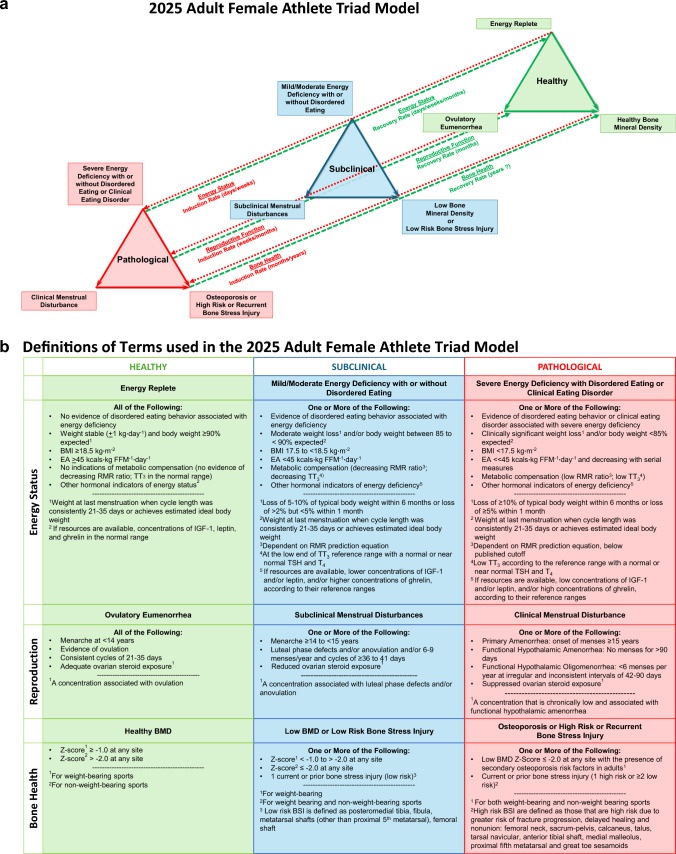 Figure 1
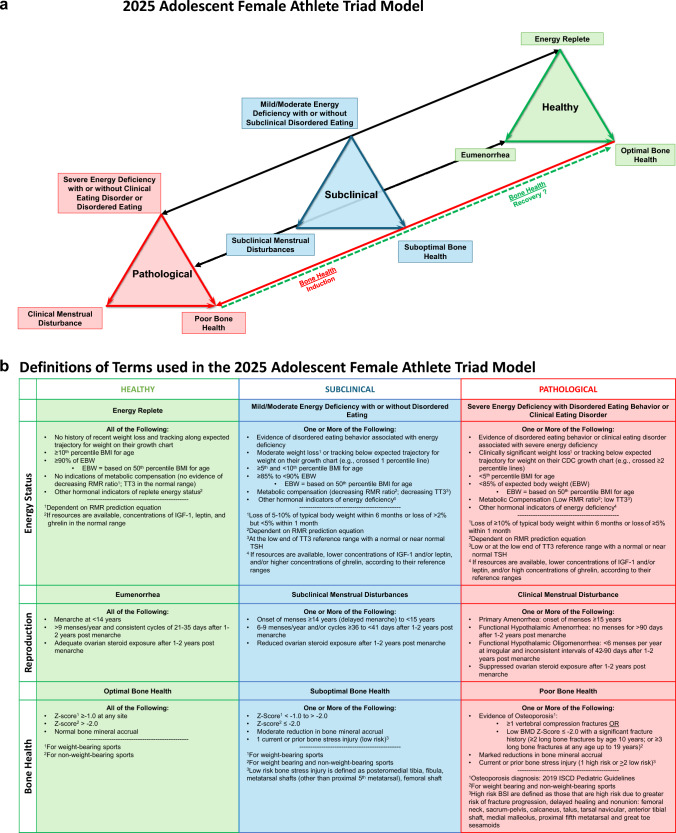 Figure 2
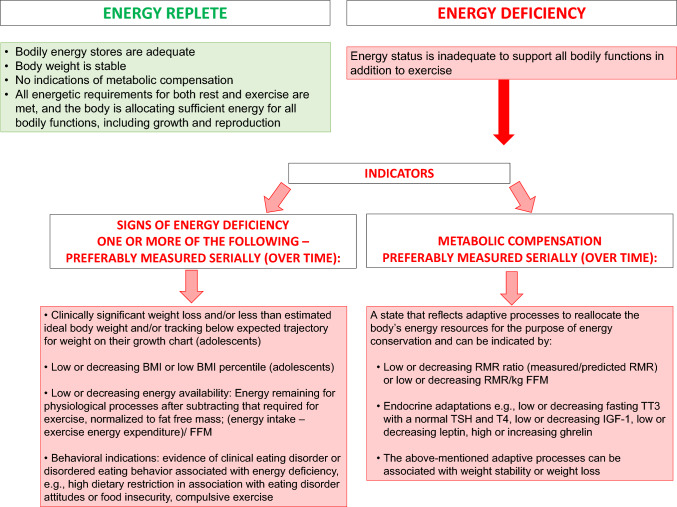 Figure 3
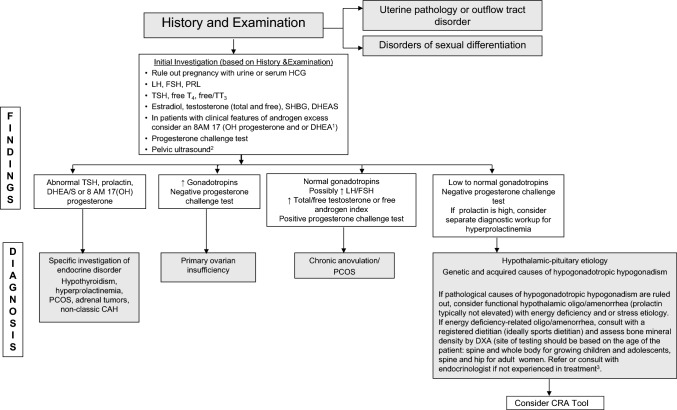 Figure 4
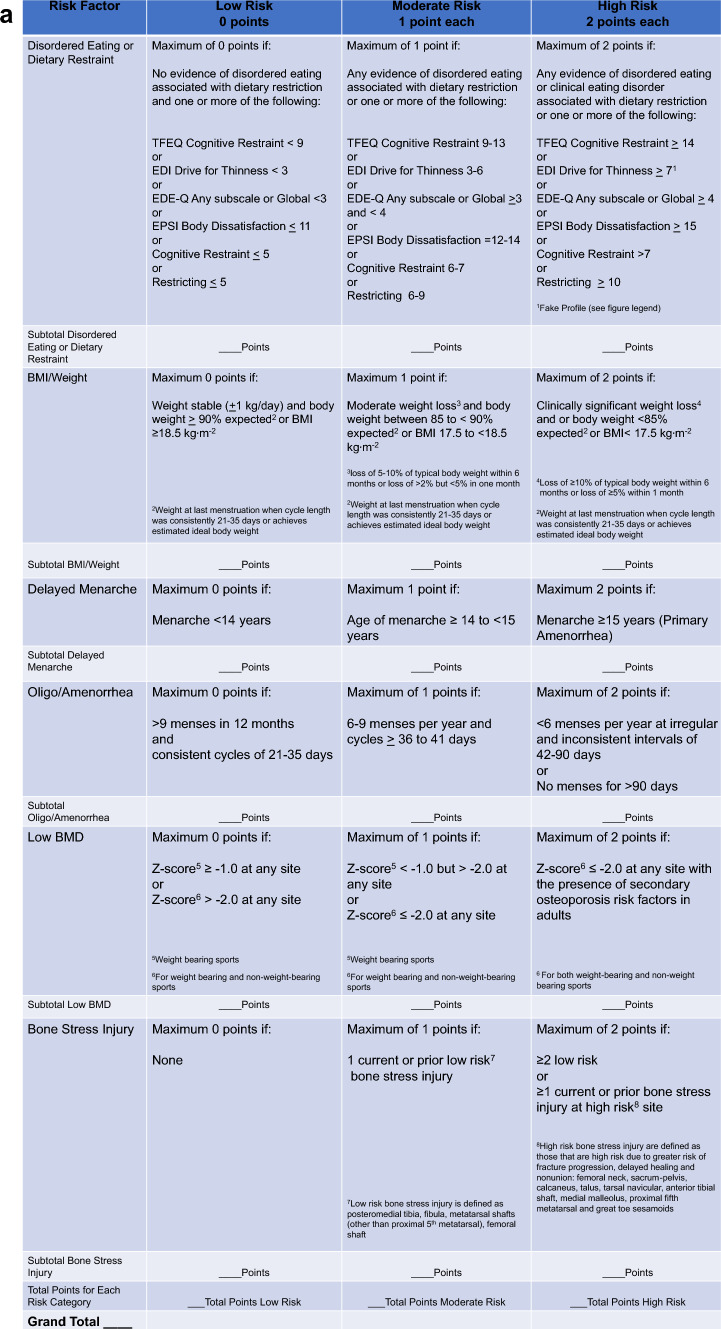 Figure 5
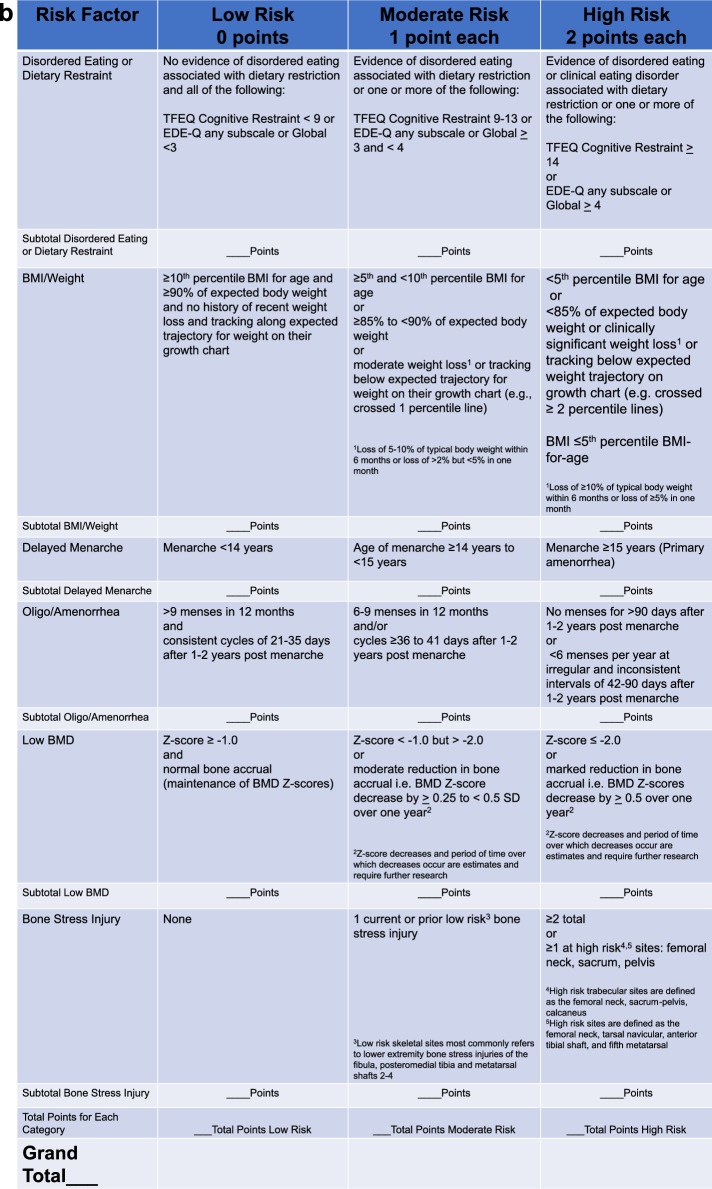 Figure 5
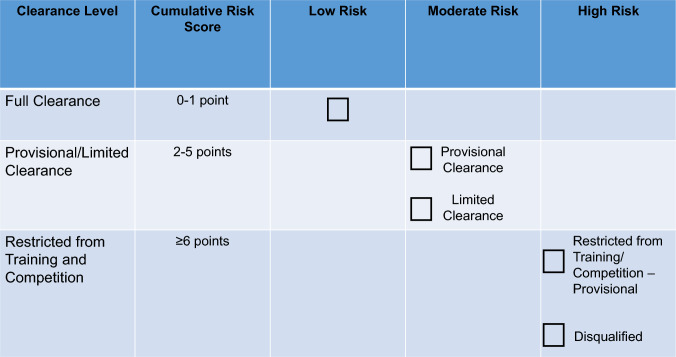 Figure 6
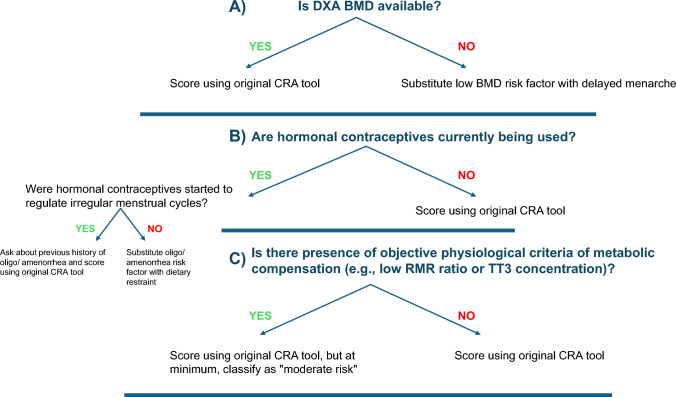 Figure 7
Peer Reviews
No public reviews on file for this paper yet. If you reviewed it on a platform where reviews are public (OpenReview, ICLR, NeurIPS, ICML), you can paste yours below so the community can read it here.
Videos
No videos yet. Explain this paper in a talk, walkthrough, or lecture? Add one.
Taxonomy
TopicsEating Disorders and Behaviors · Bone health and osteoporosis research · Menstrual Health and Disorders