Comparative study of SSVEP characteristics in mixed versus virtual reality across varying depths
Qian Zhang, Zehui Cao, Songling Tian, Zhuoke Cai, Liwen Shi, Xiaoqian Qi

TL;DR
This study compares how mixed and virtual reality affect brain signals used in brain-computer interfaces, finding that mixed reality performs better for visual comfort and signal stability.
Contribution
The study experimentally validates optimization strategies for SSVEP-based BCIs in neurorehabilitation by comparing MR and VR environments.
Findings
Mixed reality (MR) environments showed higher signal-to-noise ratio (SNR) than virtual reality (VR), especially at 1.8 m depth.
FBCCA achieved the highest SSVEP classification accuracy at 0.4 m depth in MR environments.
11.25 Hz flicker frequency elicited the highest SSVEP amplitude and SNR, making it optimal for BCI applications.
Abstract
Steady-state visually evoked potentials (SSVEP), owing to their high signal-to-noise ratio and low training cost, are widely regarded as an effective approach for constructing visually driven brain-computer interfaces (BCI), particularly in neurorehabilitation applications. However, the accommodation-vergence conflict (VAC) commonly present in mixed reality (MR) and virtual reality (VR) head-mounted displays may attenuate neural responses in the visual cortex, thereby compromising the long-term usability of such systems. This study aims to systematically evaluate the effects of MR and VR environments under different virtual depth conditions on SSVEP signal quality, classification performance, and visual comfort, providing parameter guidelines for the design of immersive visual BCIs in rehabilitation contexts. Green flickering stimuli at 7.5, 11.25, and 18 Hz were presented at three…
Genes, proteins, chemicals, diseases, species, mutations and cell lines named across the full text — each resolved to its canonical identifier and authoritative record.
Click any figure to enlarge with its caption.
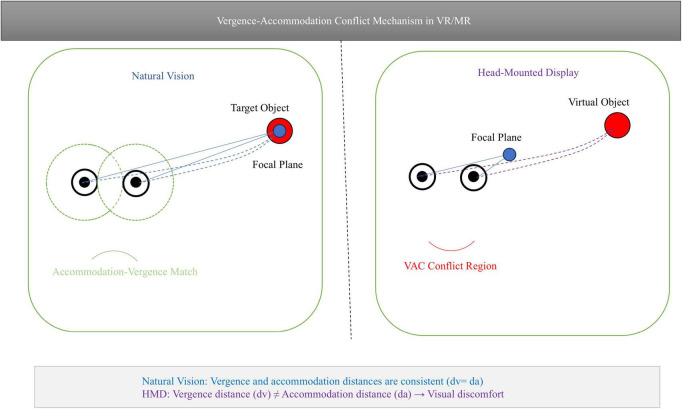 Figure 1
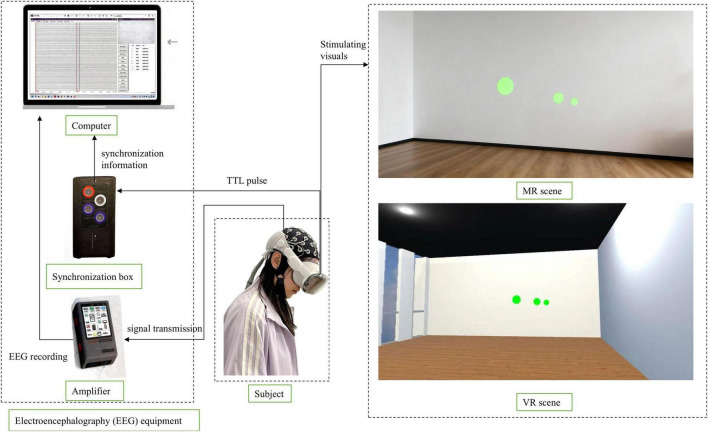 Figure 2
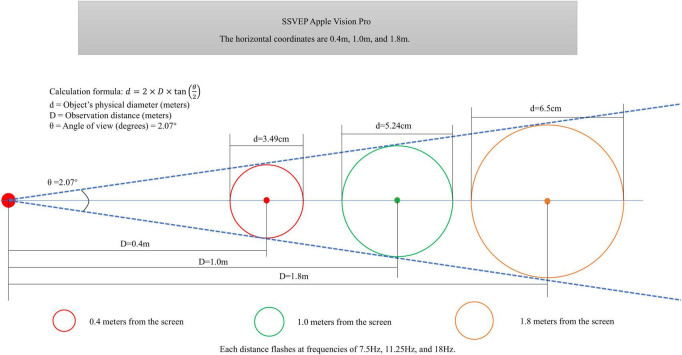 Figure 3
 Figure 4
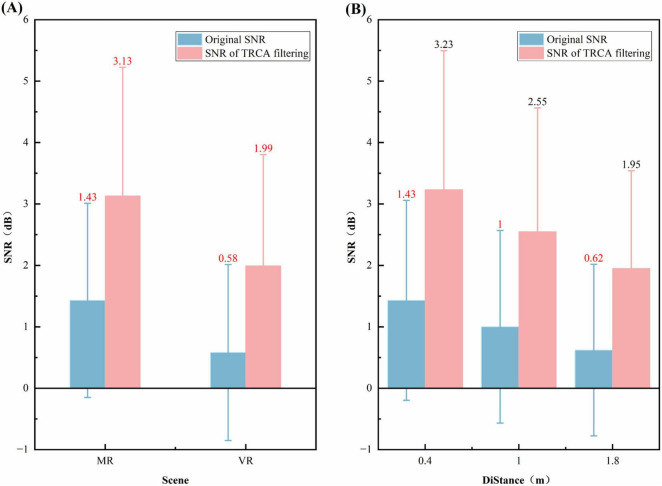 Figure 5
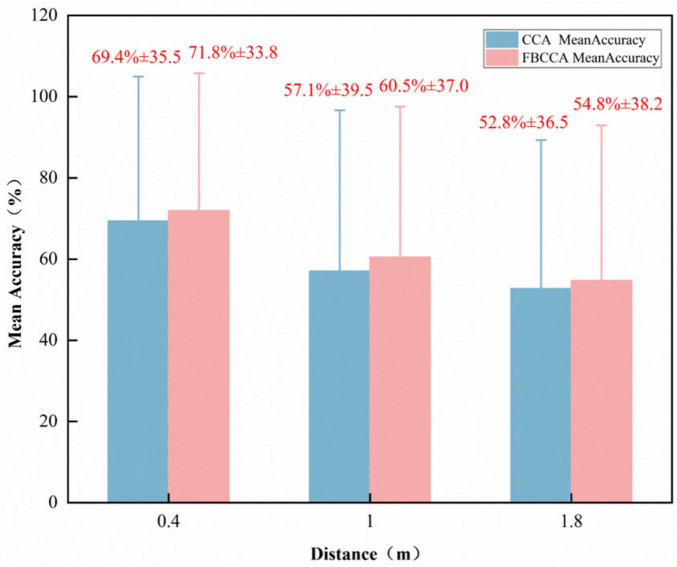 Figure 6
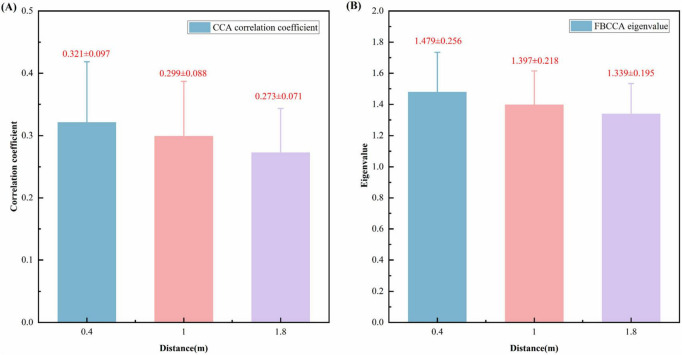 Figure 7
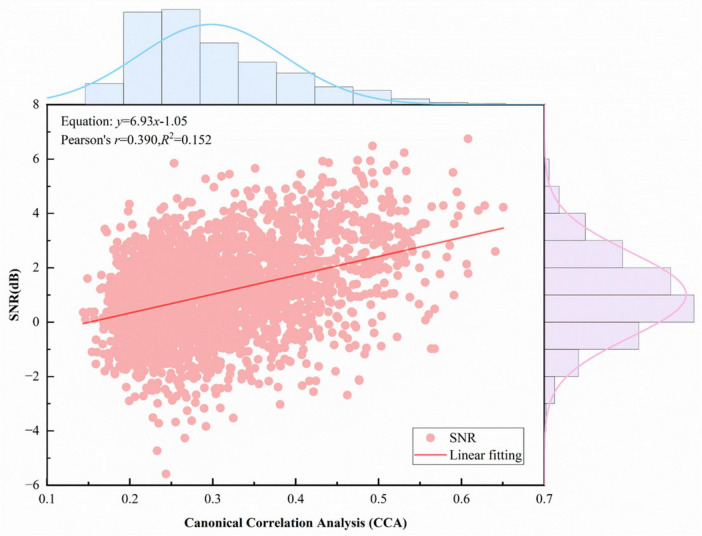 Figure 8
 Figure 9
 Figure 10
 Figure 11
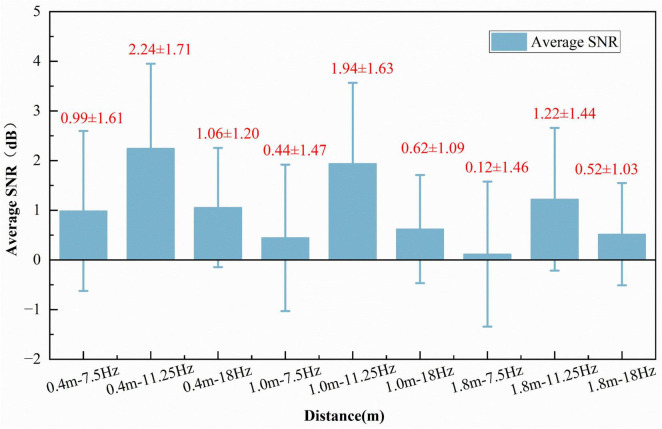 Figure 12
Peer Reviews
No public reviews on file for this paper yet. If you reviewed it on a platform where reviews are public (OpenReview, ICLR, NeurIPS, ICML), you can paste yours below so the community can read it here.
Videos
No videos yet. Explain this paper in a talk, walkthrough, or lecture? Add one.
Taxonomy
TopicsEEG and Brain-Computer Interfaces · Functional Brain Connectivity Studies · Tactile and Sensory Interactions