Fungal-fermented corn straw as an organic amendment: balancing tomato nutrition, soil functions and antibiotic resistance
Tianhao Song, Xiaoyan Zhou, Yongsheng Ma, Longfei Chen, Xiulian Duan, Yueting Dai

TL;DR
Fungal-fermented corn straw improves tomato yield and fruit quality while enhancing soil health and managing antibiotic resistance risks.
Contribution
The study identifies optimal application rates and depths for fungal-fermented corn straw to balance crop nutrition, soil function, and antibiotic resistance.
Findings
FSP at 2% (w/w) increased tomato yield by 30% and improved fruit lycopene and vitamin C by 20–40%.
FSP at 2% (w/w) enhanced soil organic carbon, available nutrients, and beneficial microbes like Streptomyces and Sphingomonas.
A high surface dose (5% at 3 cm) increased antibiotic resistance genes, but 2% at 10 cm maintained ARG levels comparable to the control.
Abstract
Tomato growers need strategies that improve fruit nutritional quality and soil health while reducing dependence on synthetic fertilizers and wasting less crop straw. Fungal-fermented straw products (FSP) are a candidate amendment, but their suitable application rate, placement depth and side effects on soil microbes and antibiotic resistance genes (ARGs) remain unclear. An FSP was produced from corn straw via solid-state fermentation for 30 d using Auricularia cornea cv. Yumuer. A single-season greenhouse pot experiment was conducted with an unamended control (no FSP) and six FSP treatments combining different rates (0.5–5% w/w) and soil incorporation depths (3 and 10 cm). Measurements included tomato yield (growth and fruit yield), fruit quality, soil health, biochemical responses, and molecular responses. FSP at 2% (w/w) incorporated to 10 cm increased yield by about 30% and raised…
Genes, proteins, chemicals, diseases, species, mutations and cell lines named across the full text — each resolved to its canonical identifier and authoritative record.
Click any figure to enlarge with its caption.
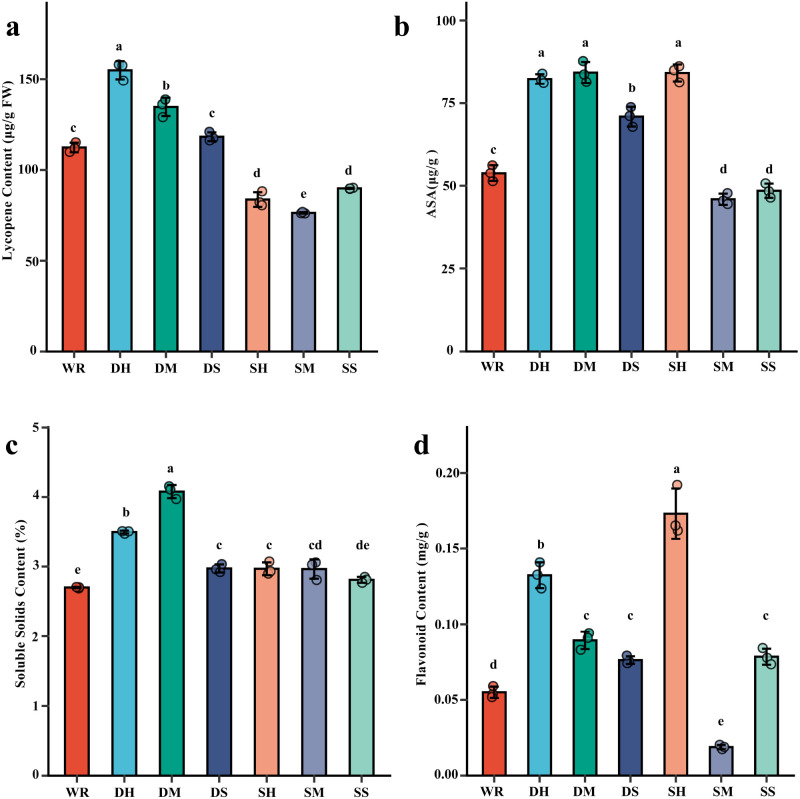 Figure 1
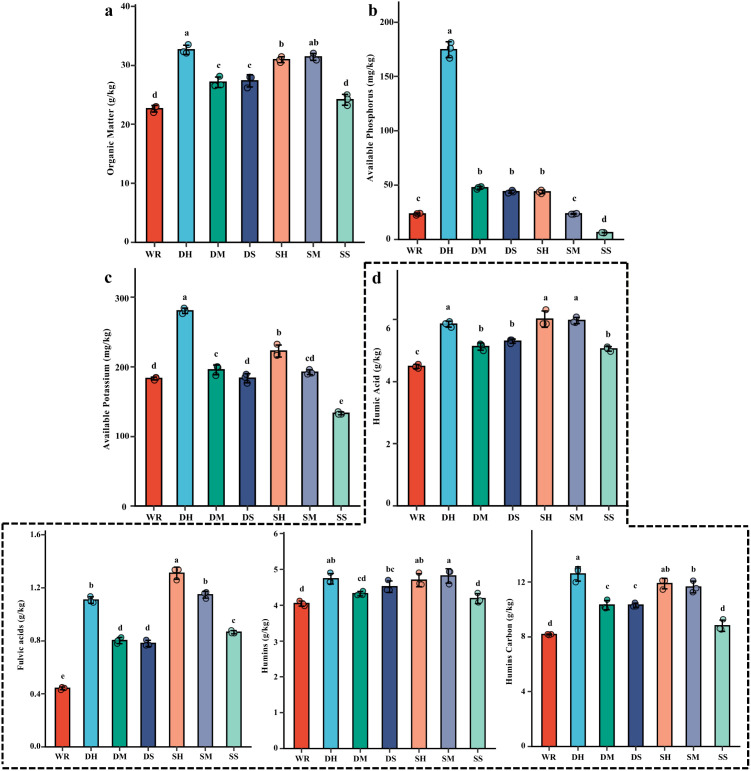 Figure 2
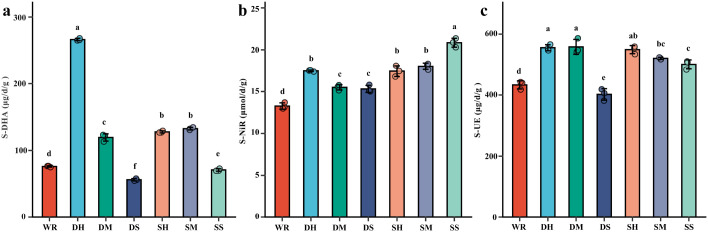 Figure 3
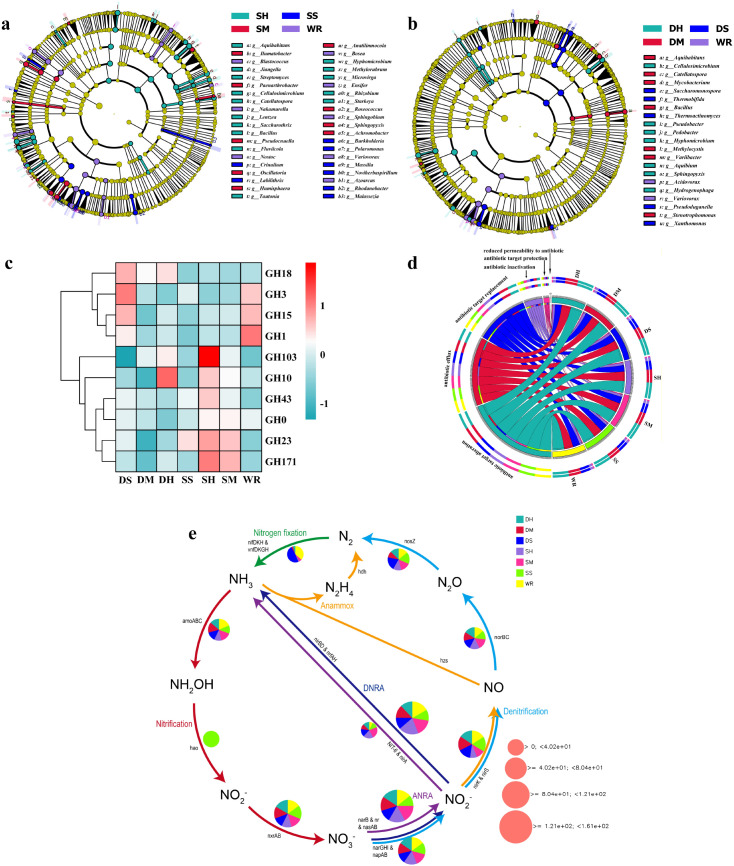 Figure 4
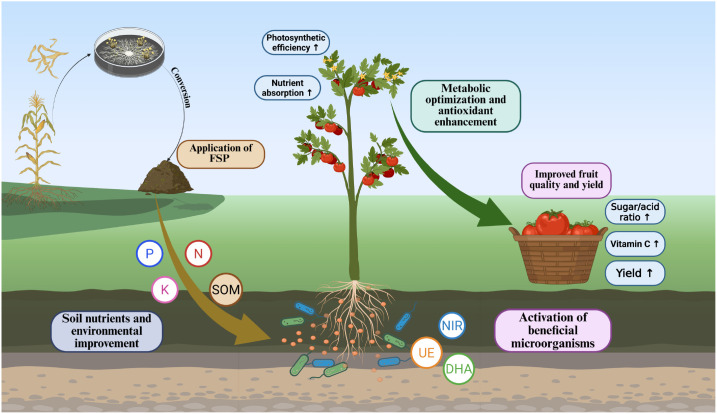 Figure 5
Peer Reviews
No public reviews on file for this paper yet. If you reviewed it on a platform where reviews are public (OpenReview, ICLR, NeurIPS, ICML), you can paste yours below so the community can read it here.
Videos
No videos yet. Explain this paper in a talk, walkthrough, or lecture? Add one.
Taxonomy
TopicsPlant-Microbe Interactions and Immunity · Plant Growth Enhancement Techniques · Composting and Vermicomposting Techniques