Automated AI fracture detection in initial presentation pediatric wrist X-rays: effects and benefits of adding follow-up examinations
Mario Scherkl, Nikolaus Stranger, Andreea Ciornei-Hoffman, Georg Singer, Tristan Till, Holger Till, Franko Hržić, Sebastian Tschauner

TL;DR
This study explores how adding follow-up X-rays affects AI's ability to detect fractures in children's wrist X-rays, finding benefits mainly in object detection models.
Contribution
The study is the first to investigate the impact of follow-up X-rays on AI performance for pediatric wrist fracture detection.
Findings
EfficientNet models showed no significant improvement with follow-up X-rays in classification performance.
YOLOv8 models showed improved object detection metrics (AP50 and F1 score) when follow-up X-rays were included.
Including both cast and non-cast follow-up X-rays led to the most significant improvements in object detection.
Abstract
Artificial Intelligence (AI) in radiology has shown promise in detecting fractures on initial X-rays. However, the role of follow-up examinations in enhancing AI performance remains unexplored. This study evaluates the impact of including follow-up X-rays on the performance of neural networks in detecting pediatric wrist fractures. Using the publicly available GRAZPEDWRI-DX dataset of 20,327 pediatric wrist X-rays, we created four training datasets: initial X-rays alone and combinations with follow-up X-rays (with and without casts). Two neural networks, EfficientNet (image classification) and YOLOv8 (object detection), were trained and evaluated using precision, recall, F1 score, and AP metrics. The dataset was divided into training, validation, and test sets, with 500 initial X-rays separated and reserved for testing. EfficientNet models showed no statistically significant…
Genes, proteins, chemicals, diseases, species, mutations and cell lines named across the full text — each resolved to its canonical identifier and authoritative record.
Click any figure to enlarge with its caption.
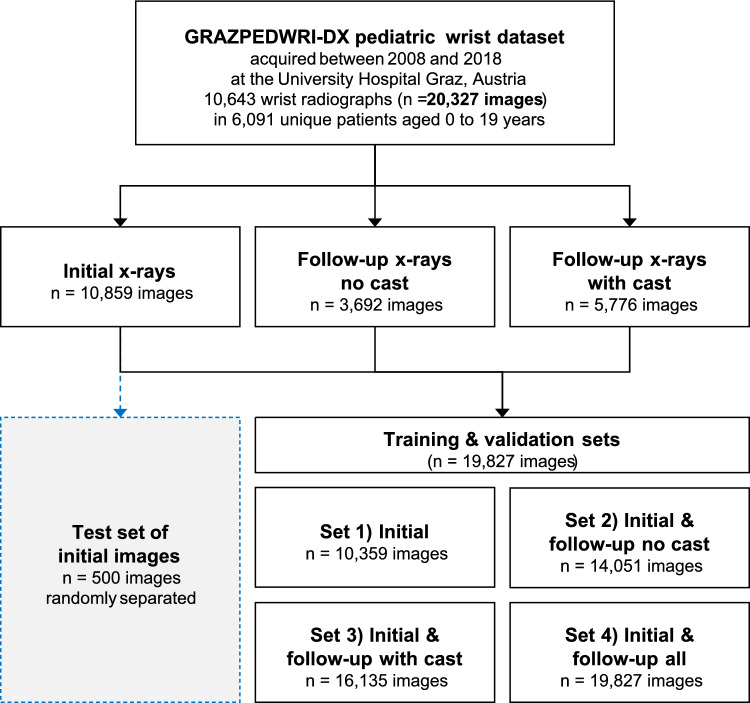 Figure 1
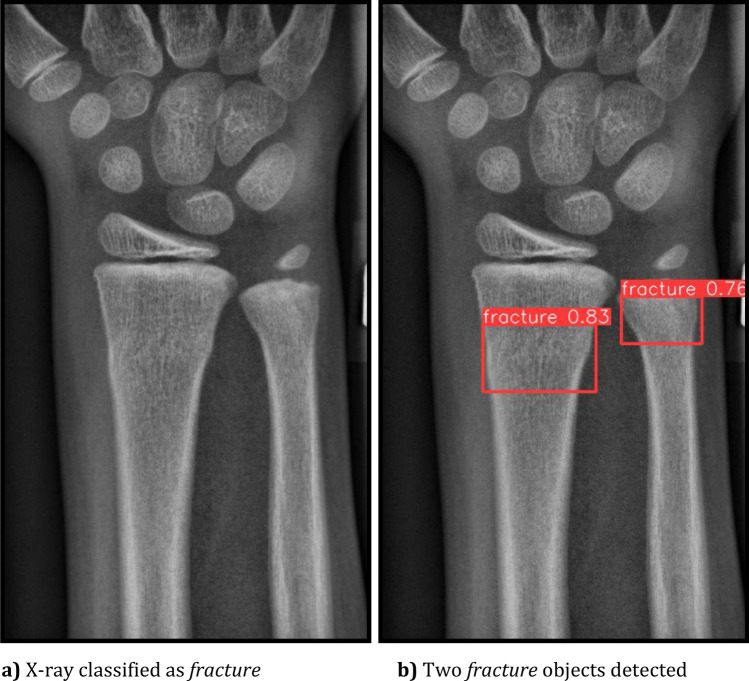 Figure 2
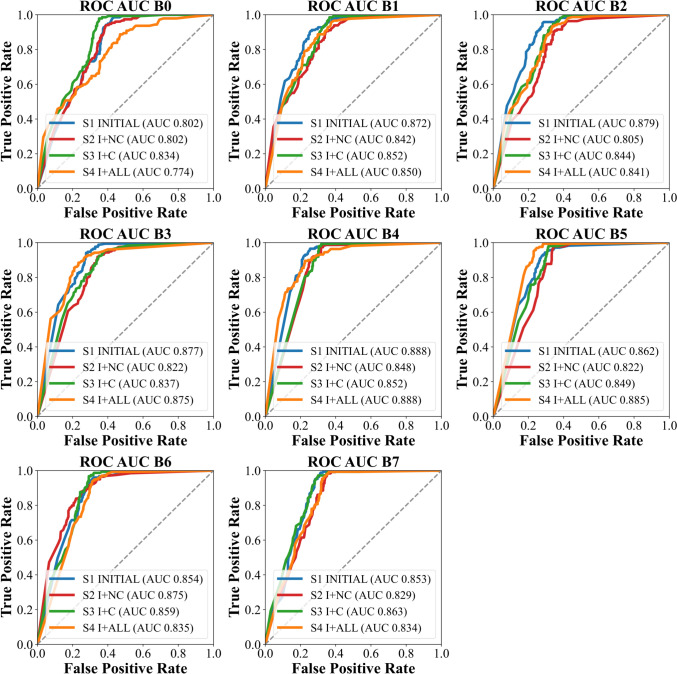 Figure 3
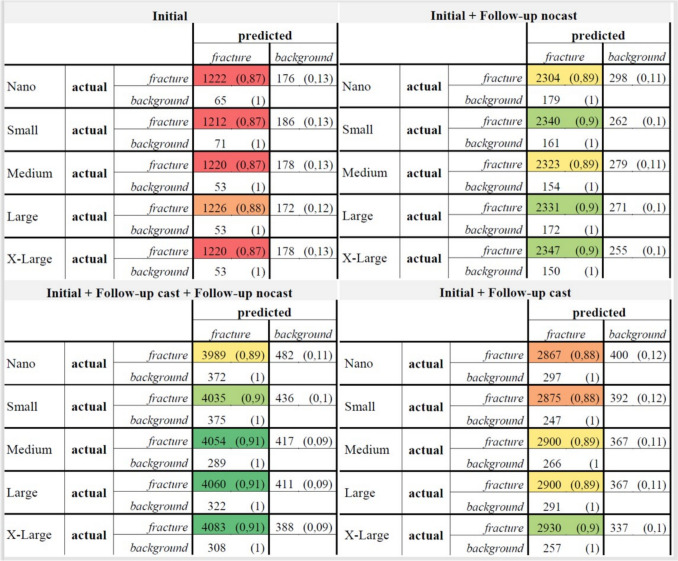 Figure 4
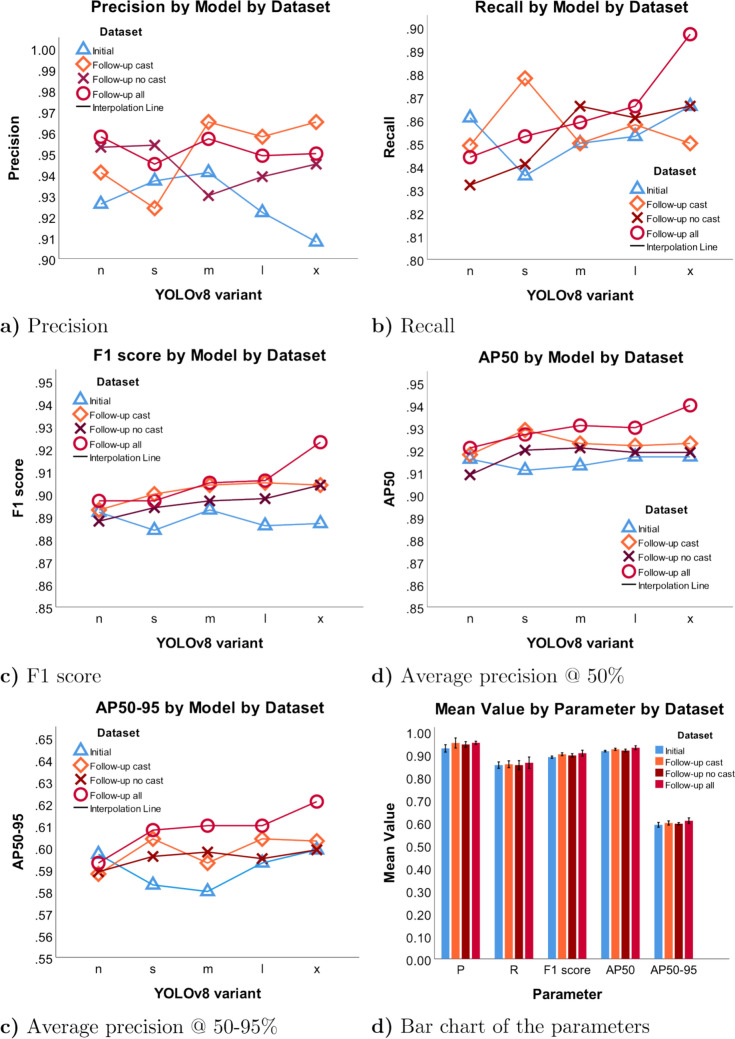 Figure 5
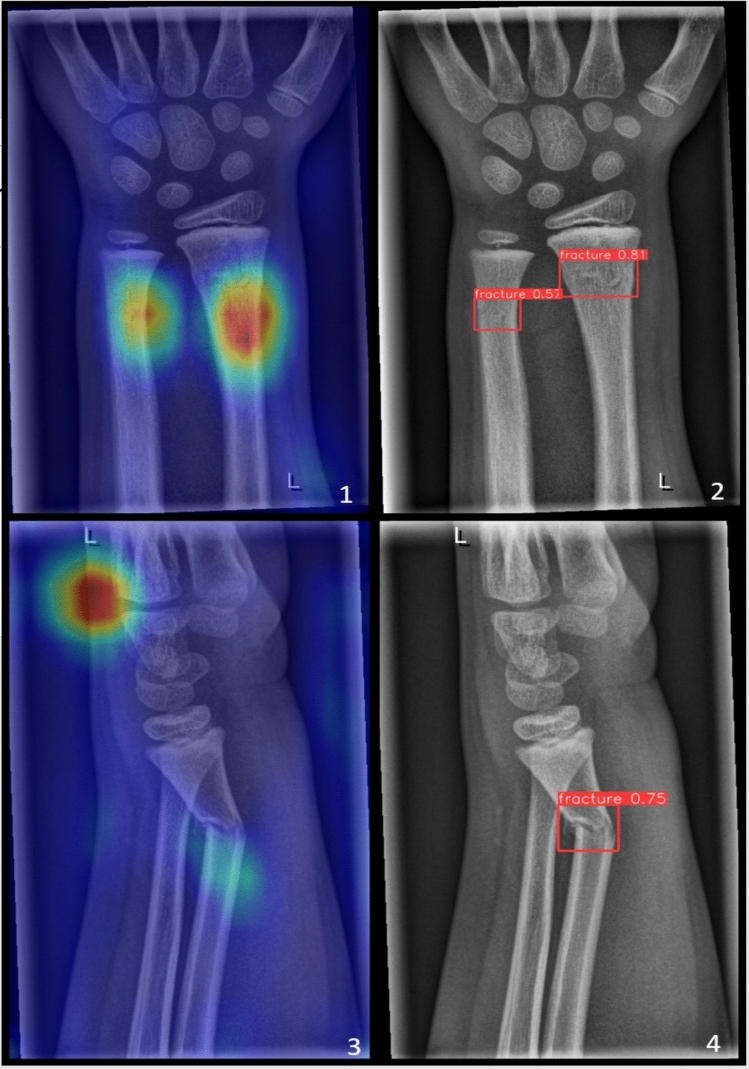 Figure 6
Peer Reviews
No public reviews on file for this paper yet. If you reviewed it on a platform where reviews are public (OpenReview, ICLR, NeurIPS, ICML), you can paste yours below so the community can read it here.
Videos
No videos yet. Explain this paper in a talk, walkthrough, or lecture? Add one.
Taxonomy
TopicsArtificial Intelligence in Healthcare and Education · Child Abuse and Related Trauma · Bone fractures and treatments