Patient perspectives on exercise among adults with postural orthostatic tachycardia syndrome: a mixed methods study
Elizabeth G. Walsh, Gurjeet S. Birdee, Kemberlee Bonnet, David G. Schlundt, Chandler Broadbent, Erin C. Kelly, Kayleigh Rogalski, Kristin R. Archer, Alfredo Gamboa

TL;DR
This study explores how adults with POTS experience and perceive exercise, identifying barriers and facilitators to help improve treatment recommendations.
Contribution
The study is the first to investigate patient perspectives on exercise in POTS using mixed methods, offering insights to optimize exercise interventions.
Findings
Participants reported lower exercise engagement after developing POTS symptoms.
Symptom burden was identified as the most significant barrier to exercise.
Patients expressed a belief in the importance of exercise for managing POTS.
Abstract
Despite the central role of exercise in treating postural orthostatic tachycardia syndrome (POTS) there have been no studies on the subjective experience of exercise interventions and/or recommendations among this patient population. The purpose of this mixed-methods study was to provide greater understanding of the perceived barriers, preferences, perceptions of exercise, and experiences implementing exercise recommendations for adults with POTS in order to optimize treatment recommendations and intervention design. This study consisted of a series of focus groups (n = 29) and an online survey of adults with POTS (n = 255) focusing on exercise engagement, beliefs, barriers, and facilitators. Qualitative data were analyzed using an iterative inductive-deductive approach, informed by social cognitive theory, which resulted in a conceptual framework and a series of themes. Survey…
Genes, proteins, chemicals, diseases, species, mutations and cell lines named across the full text — each resolved to its canonical identifier and authoritative record.
Click any figure to enlarge with its caption.
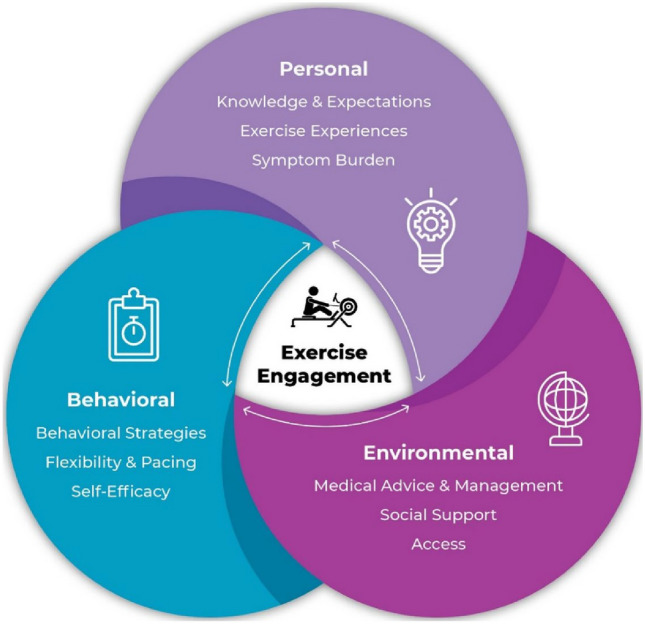 Figure 1
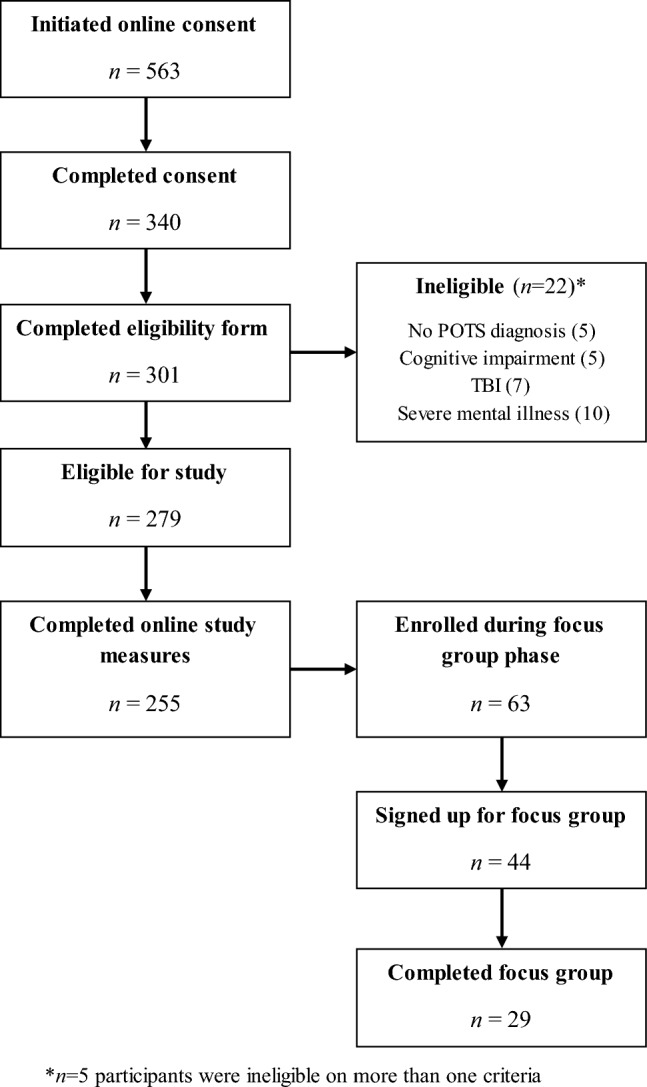 Figure 2
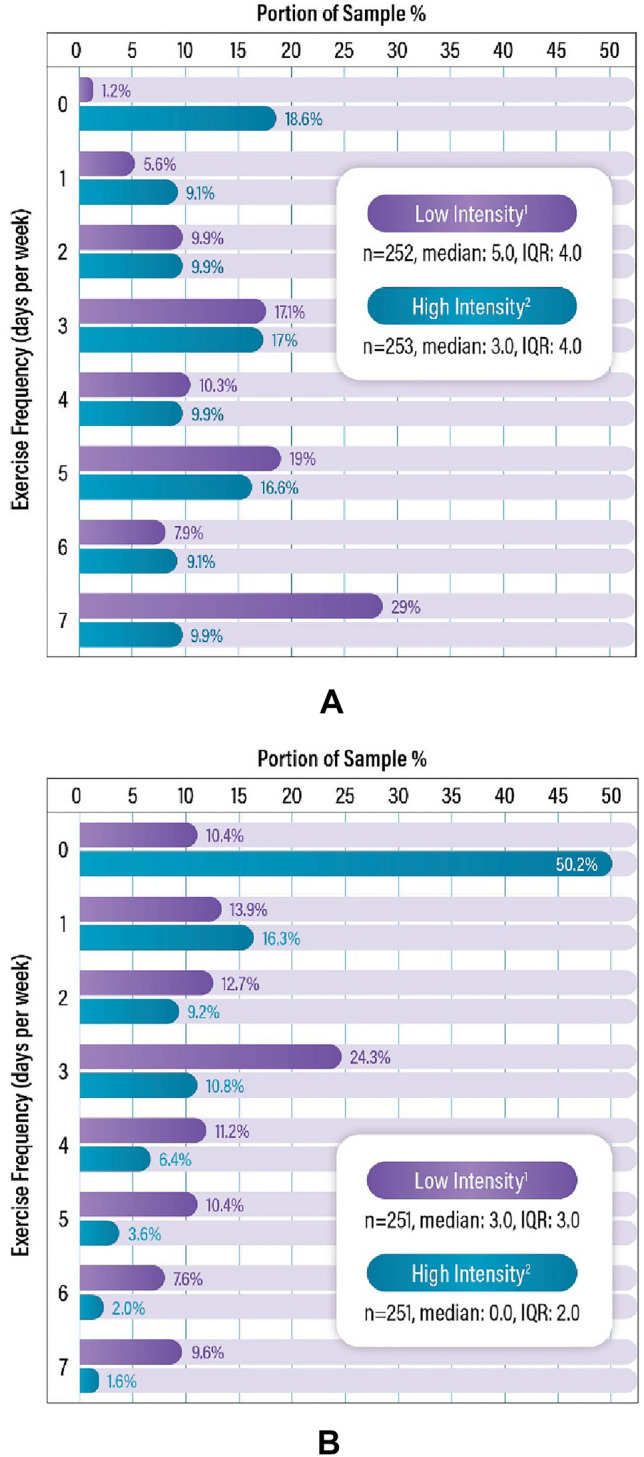 Figure 3
Peer Reviews
No public reviews on file for this paper yet. If you reviewed it on a platform where reviews are public (OpenReview, ICLR, NeurIPS, ICML), you can paste yours below so the community can read it here.
Videos
No videos yet. Explain this paper in a talk, walkthrough, or lecture? Add one.
Taxonomy
TopicsCardiovascular Syncope and Autonomic Disorders · Heart Rate Variability and Autonomic Control · Stroke Rehabilitation and Recovery