Bone from Healthy Individuals and Patients with CKD Expresses the Sodium-Glucose Co-transporter-2 (SGLT2)
Lauter Eston Pelepenko, Luciene Machado dos Reis, Luzia Naoko Shinohara Furukawa, Rodrigo Bueno de Oliveira

TL;DR
This study shows that bone tissue from healthy people and those with chronic kidney disease expresses SGLT2, a transporter targeted by diabetes drugs, suggesting these drugs may directly affect bone health.
Contribution
The study provides the first evidence that SGLT2 is expressed in human bone and osteoblast-like cells, challenging prior assumptions.
Findings
SLC5A2 gene expression was detected in osteoblast-like cells and bone samples from healthy individuals and CKD patients.
SGLT2 protein was identified in osteoblast-like cells and osteocytes in bone samples from both healthy and CKD subjects.
These findings suggest SGLT2 inhibitors may have direct effects on bone tissue in patients with metabolic bone diseases.
Abstract
Sodium-glucose co-transporter 2 (SGLT2) inhibitors are used in type 2 diabetes mellitus management, reducing the risk of cardiovascular and renal complications. It has been stated that bone cells do not express the SGLT2 co-transporter; however, the establishment of a direct SGLT2 expression in bone and osteoblast-like cells would provide a significant advance in our understanding of direct SGLT2i effects on bone tissue from patients with metabolic bone diseases, such as chronic kidney disease or osteoporosis. SLC5A2 gene expression was investigated in osteoblast-like and renal HK-2 cells, and in human iliac crest bone samples from healthy individuals and patients with diverse stages of CKD from total RNA by real-time PCR. Additionally, SGLT2 protein qualitative expression was evaluated by Western blot in osteoblast-like cell lysates and by immunohistochemistry in bone samples from…
Genes, proteins, chemicals, diseases, species, mutations and cell lines named across the full text — each resolved to its canonical identifier and authoritative record.
Click any figure to enlarge with its caption.
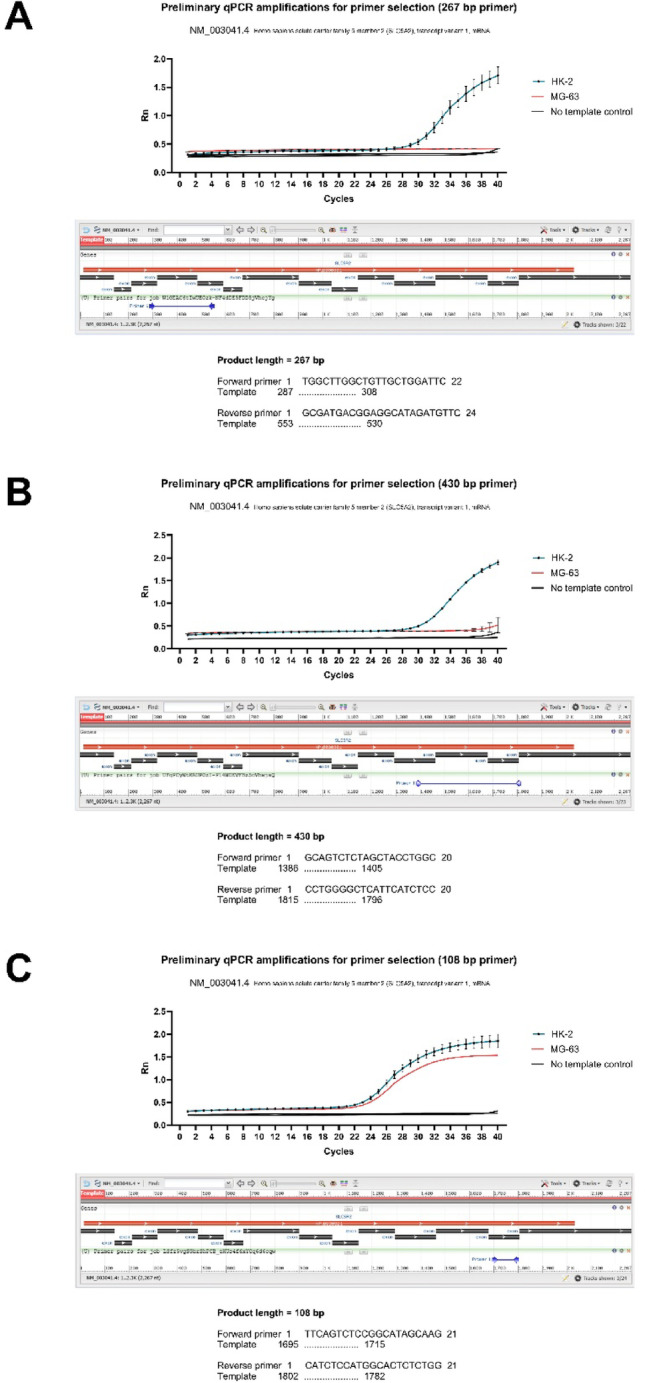 Figure 1
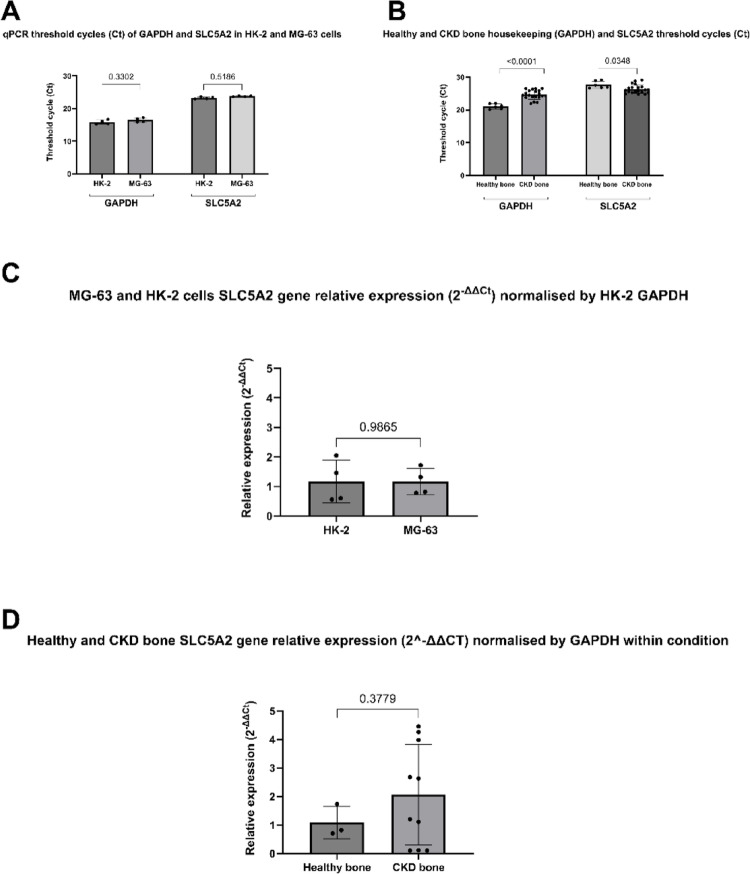 Figure 2
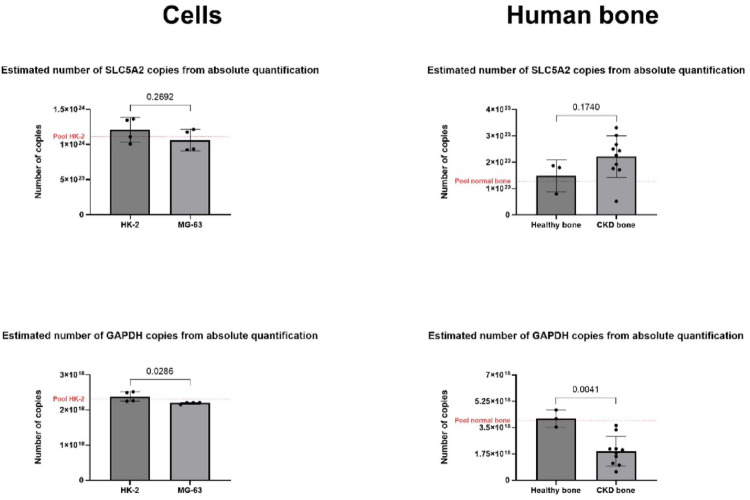 Figure 3
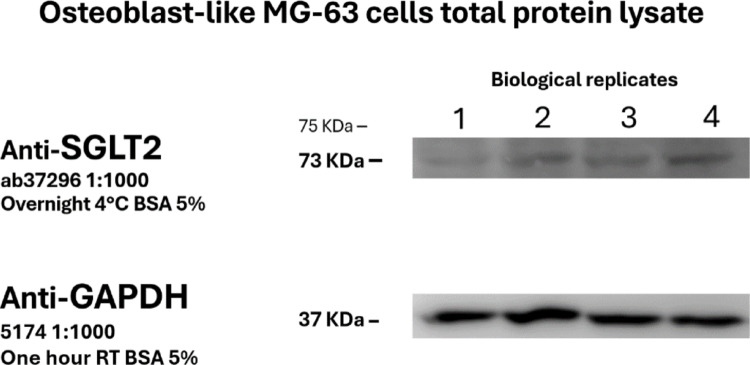 Figure 4
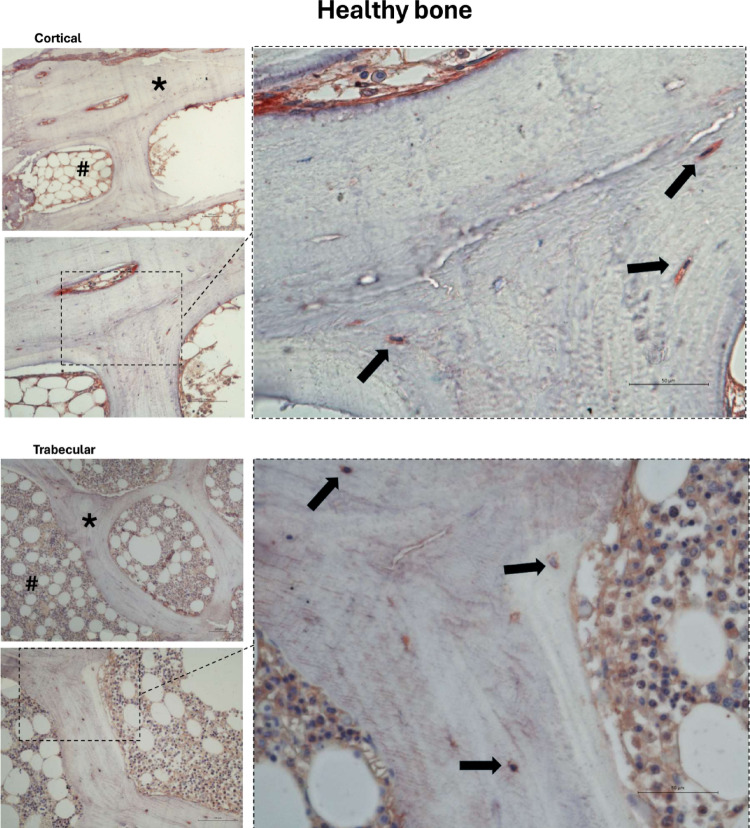 Figure 5
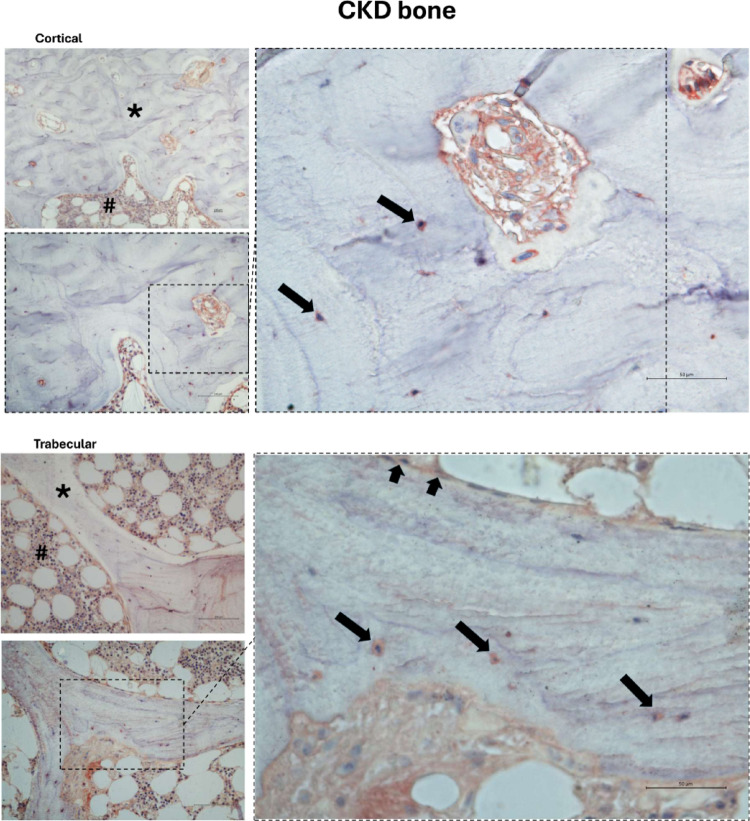 Figure 6
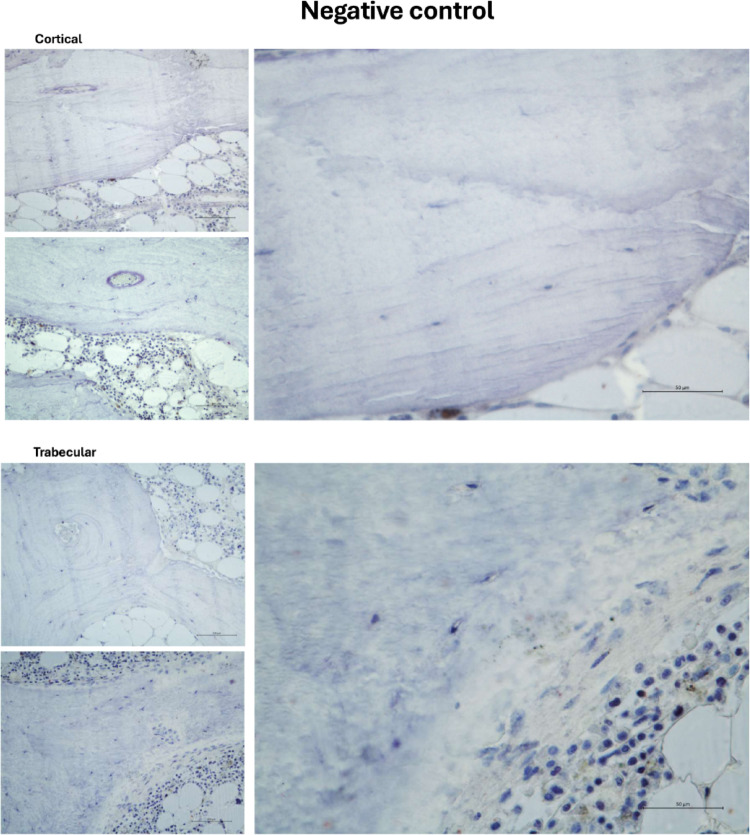 Figure 7
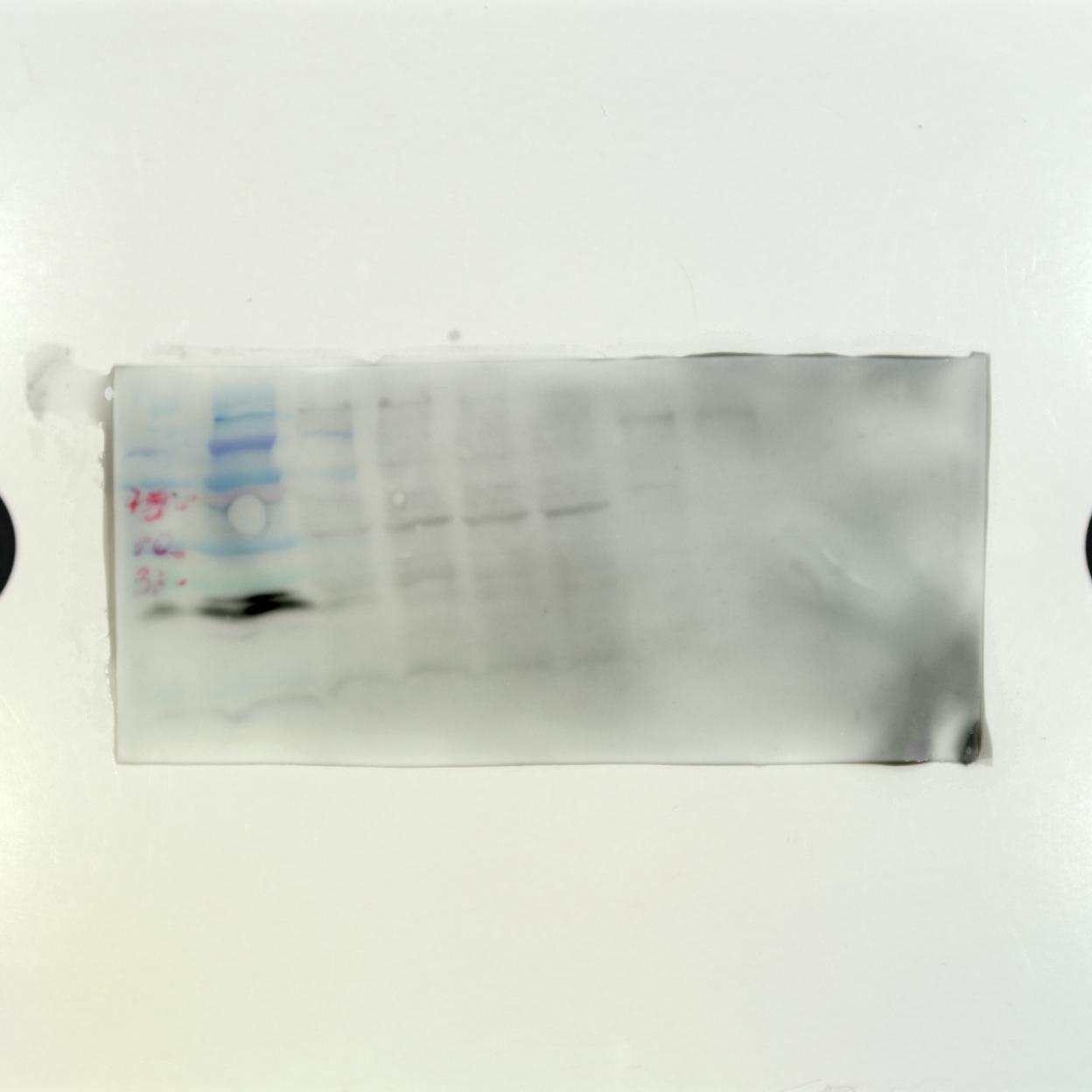 Figure 8
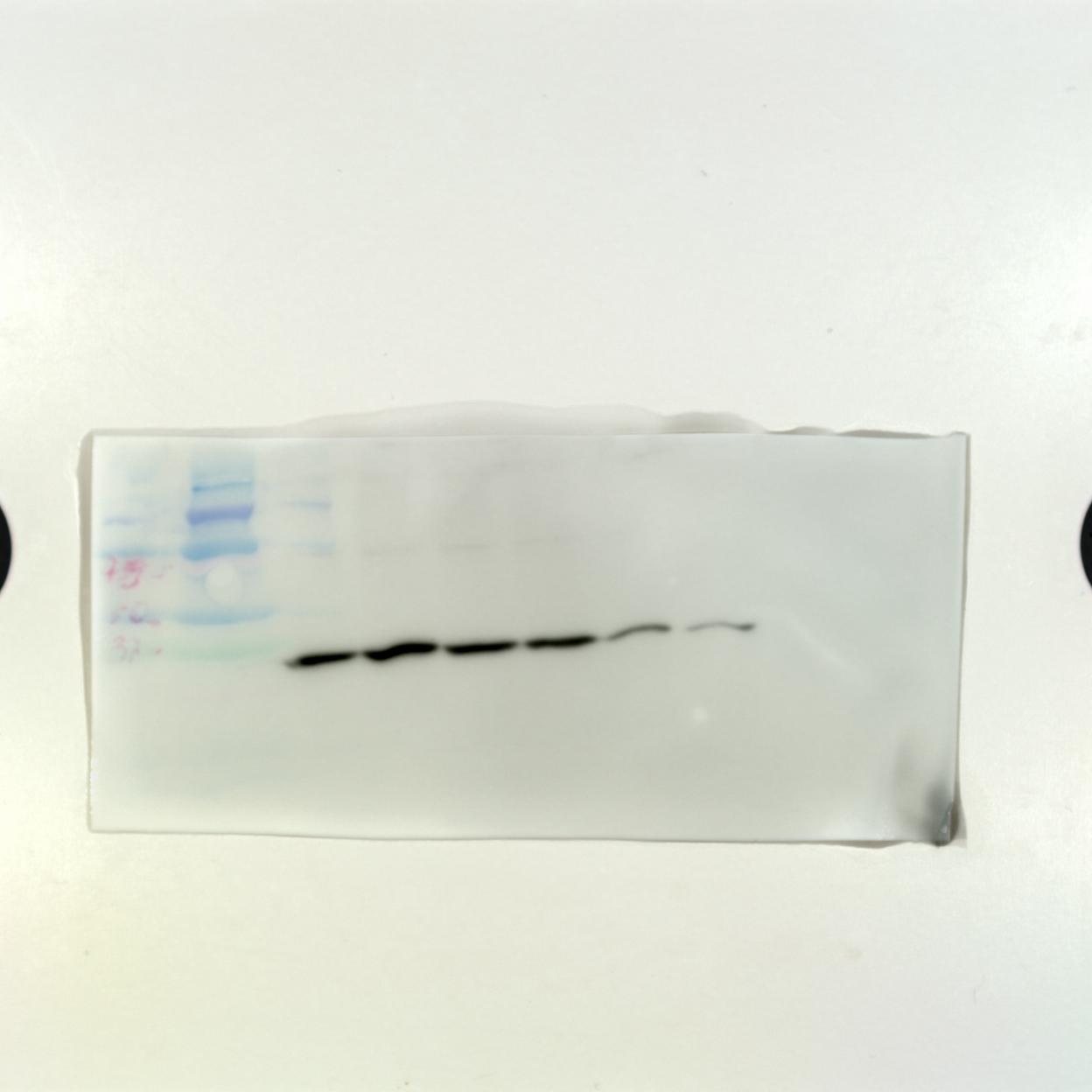 Figure 9
Peer Reviews
No public reviews on file for this paper yet. If you reviewed it on a platform where reviews are public (OpenReview, ICLR, NeurIPS, ICML), you can paste yours below so the community can read it here.
Videos
No videos yet. Explain this paper in a talk, walkthrough, or lecture? Add one.
Taxonomy
TopicsParathyroid Disorders and Treatments · Diabetes Treatment and Management · Ion Transport and Channel Regulation