Climatic, environmental factors and agricultural practices favoring dynamics of the spread of African cassava mosaic disease in Côte d’Ivoire
Bekanvié S. M. Kouakou, John Steven S. Seka, Justin S. Pita, Aya Ange Naté Yoboué, Israël Tankam Chedjou, Guy Roland Eboulem, Nazaire K. Kouassi, Fidèle Tiendrébéogo, Fatogoma Sorho

TL;DR
The study explores how climate, farming practices, and cassava varieties influence the spread of cassava mosaic disease in Côte d’Ivoire.
Contribution
The paper identifies key environmental and agricultural factors that strongly influence the spread of cassava mosaic disease in Côte d’Ivoire.
Findings
Altitude, field density, and cropping system had the strongest influence on cassava mosaic disease spread.
CMD incidence was higher in intercropping systems and dense fields, with whiteflies thriving in monocultures.
Local susceptible cassava varieties are more commonly grown than resistant ones, contributing to high CMD incidence.
Abstract
Cassava mosaic disease (CMD), caused by begomoviruses, poses a major threat to cassava leading to huge yield losses. We analyzed climatic (temperature, humidity, rainfall), non-climatic (altitude, field density, cropping system) variables and also the susceptibility of cassava varieties grown in each agroecological zone, to understand their joint influence on CMD’s spatiotemporal spread in Côte d’Ivoire. Results indicated that all factors interacted to shape CMD epidemiology, but altitude, field density and cropping system showed the strongest effects (P < 0.05). Whitefly [Bemisia tabaci] abundance declined with elevation. CMD incidence and symptom severity increased significantly with field density and were higher in intercropping systems, whereas whiteflies thrived in cassava monocultures. Of the climatic parameters analyzed, the most significant correlation was found between…
Genes, proteins, chemicals, diseases, species, mutations and cell lines named across the full text — each resolved to its canonical identifier and authoritative record.
Click any figure to enlarge with its caption.
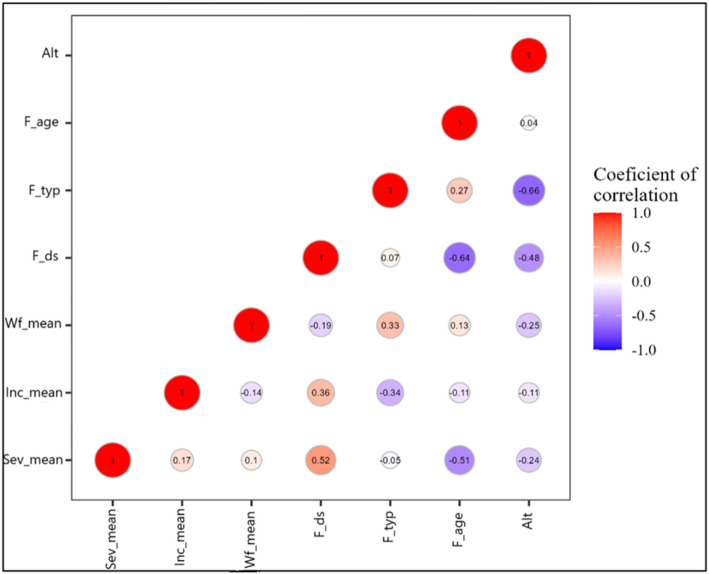 Figure 10
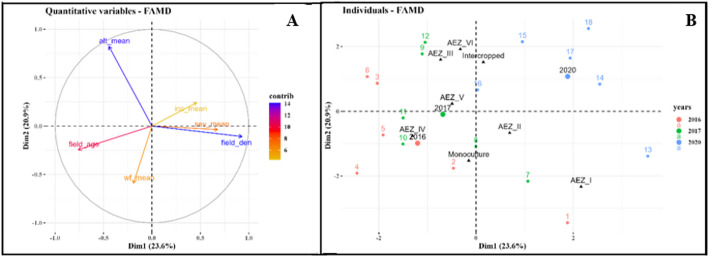 Figure 11
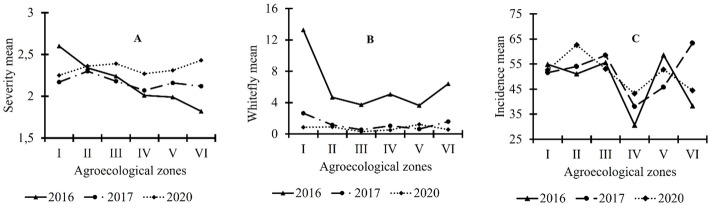 Figure 1
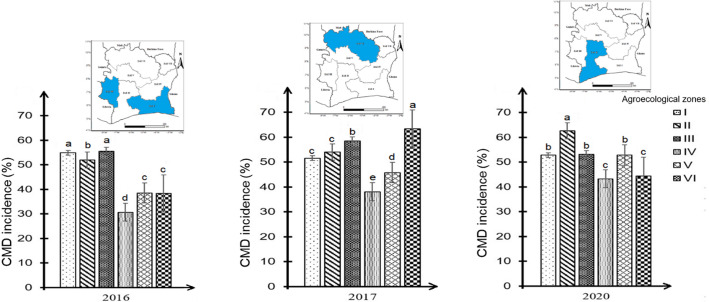 Figure 2
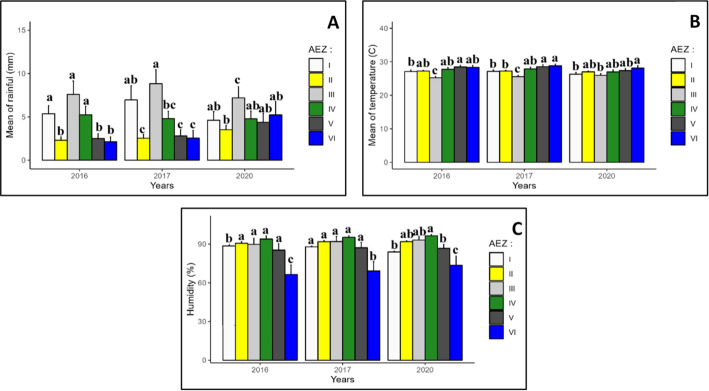 Figure 3
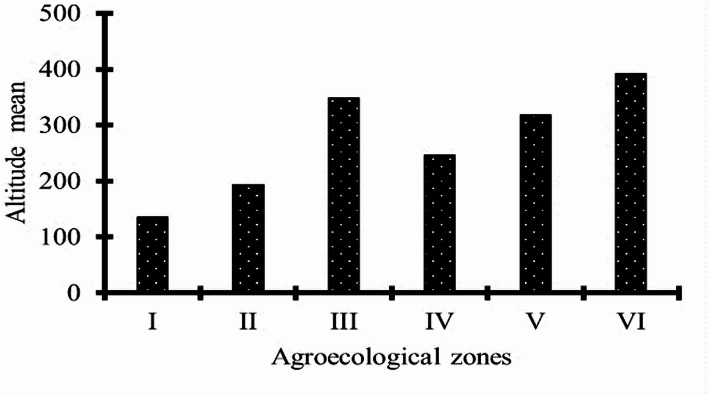 Figure 4
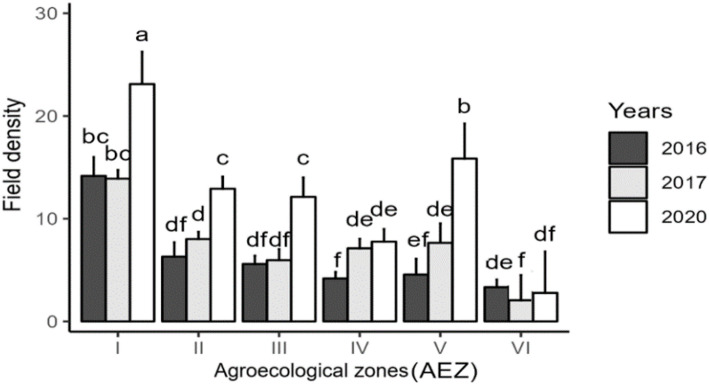 Figure 5
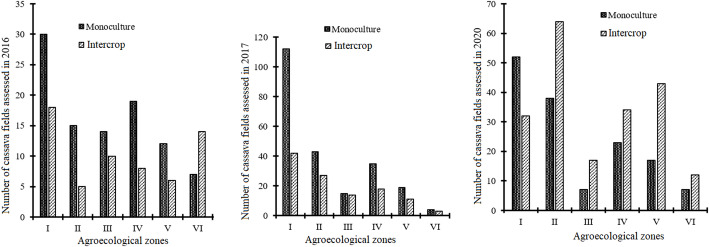 Figure 6
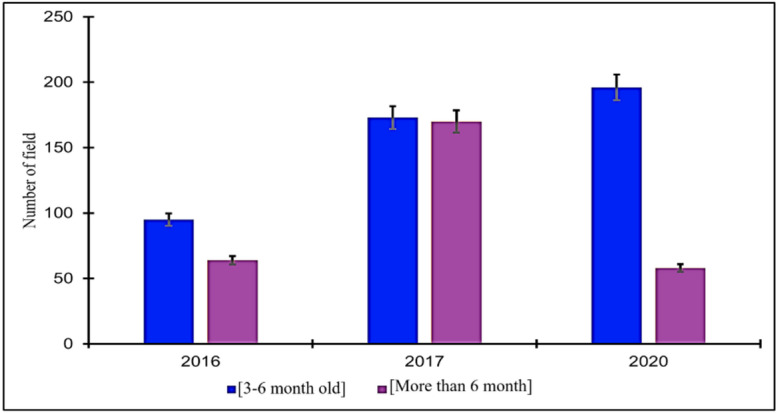 Figure 7
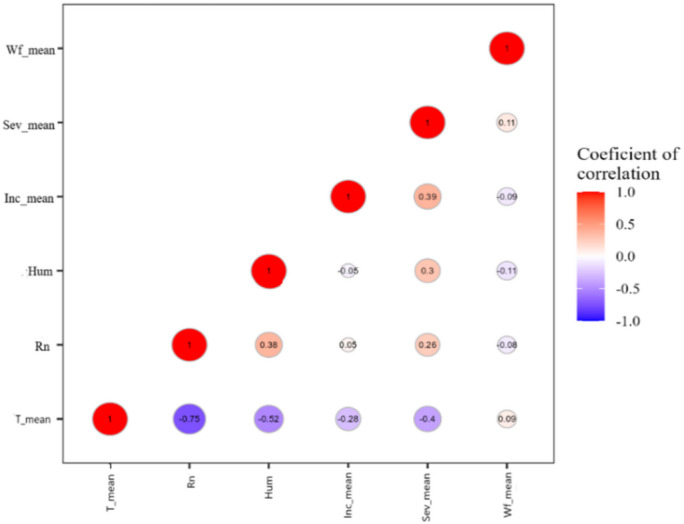 Figure 8
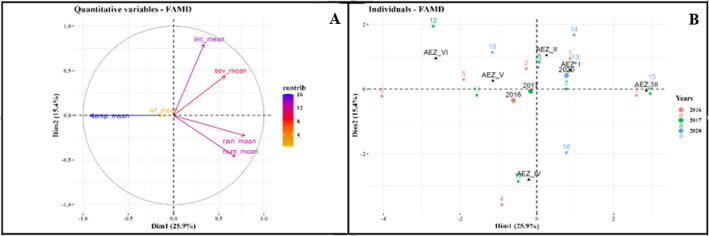 Figure 9
Peer Reviews
No public reviews on file for this paper yet. If you reviewed it on a platform where reviews are public (OpenReview, ICLR, NeurIPS, ICML), you can paste yours below so the community can read it here.
Videos
No videos yet. Explain this paper in a talk, walkthrough, or lecture? Add one.
Taxonomy
TopicsCassava research and cyanide · Insect-Plant Interactions and Control · Plant Virus Research Studies