Guar bean (Cyamopsis tetragonoloba): evaluation as an alternative forage source in ruminants
Arzu Erol Tunç, Engin Ünay, Pınar Özdemir, Gülşen Yıldırım Şenyer, Abdulkadir Erişek, Barış Kılıç, Muhammed İkbal Coşkun, Özgür Güven, Halil Maraş, Yusuf Cufadar

TL;DR
Guar bean is a high-protein forage option for ruminants in hot climates, but its saponin content needs further testing for safety.
Contribution
The study evaluates guar bean as a novel forage source for ruminants in arid regions, focusing on its nutritional and fermentation properties.
Findings
Guar bean hay and silage showed high protein and low fiber, making them high-quality forage.
Adding molasses did not improve fermentation and had some negative effects.
Guar bean products had high saponin levels, which may affect animal performance.
Abstract
This study aimed to determine the nutritional values, fermentation characteristics, saponin content, and in situ ruminal digestibility of guar bean (Cyamopsis tetragonoloba) dry matter and various silages adapted to hot climates. Harvesting was performed at the 75-day maturity stage, and the materials were categorized into five groups: guar bean hay (GH), guar bean silage without additives (GS), guar bean silage with 5% molasses (GM), silage containing 2/3 guar bean and 1/3 barley straw (GB), and silage containing 2/3 guar bean, 5% molasses, and 1/3 barley straw (GMB). The silages were fermented in vacuum bags for 60 days. Nutritional composition analyses included dry matter (DM), organic matter (OM), crude protein (CP), fiber fractions (NDF, ADF, ADL), water-soluble carbohydrates (WSC), organic acids (lactic acid, acetic acid, propionic acid, butyric acid, isobutyric acid, isovaleric…
Genes, proteins, chemicals, diseases, species, mutations and cell lines named across the full text — each resolved to its canonical identifier and authoritative record.
Click any figure to enlarge with its caption.
 Figure 10
 Figure 11
 Figure 12
 Figure 13
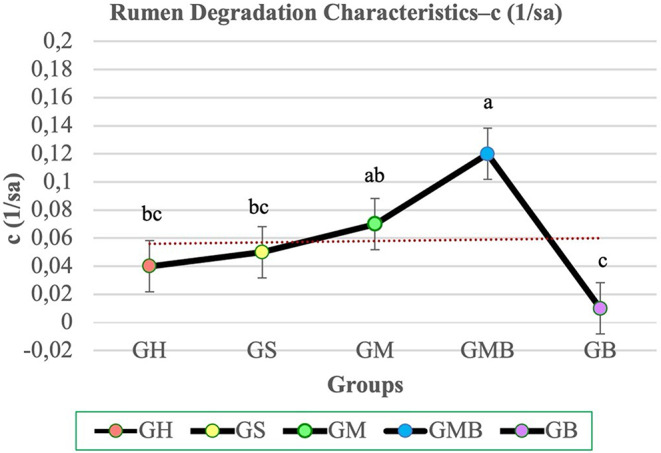 Figure 14
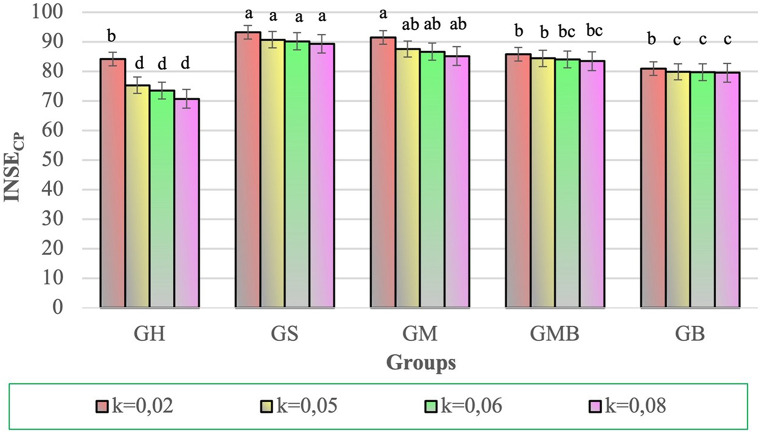 Figure 15
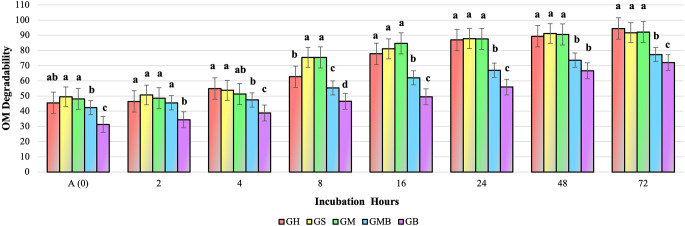 Figure 1
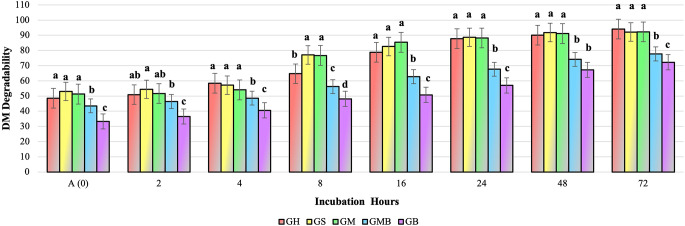 Figure 2
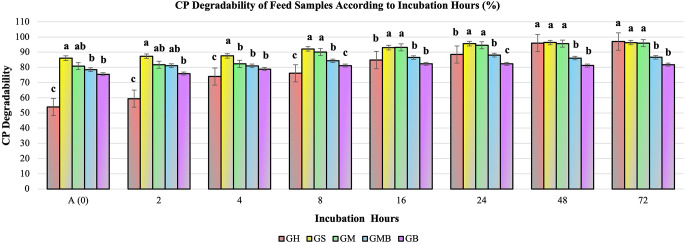 Figure 3
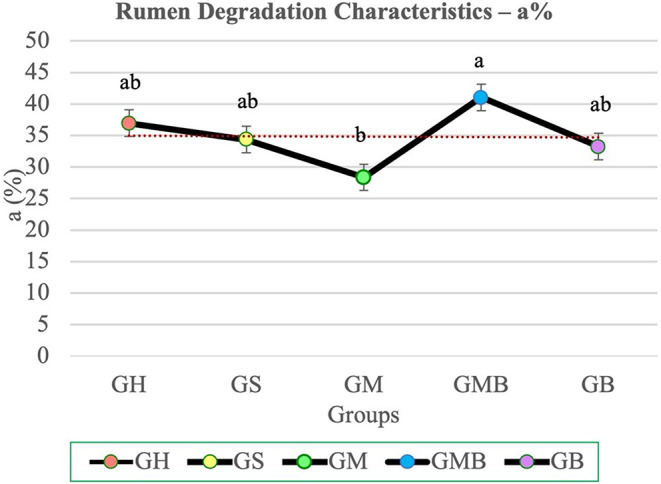 Figure 4
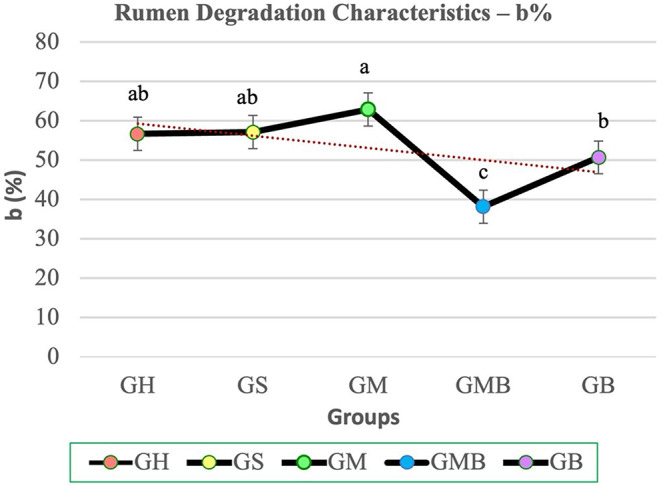 Figure 5
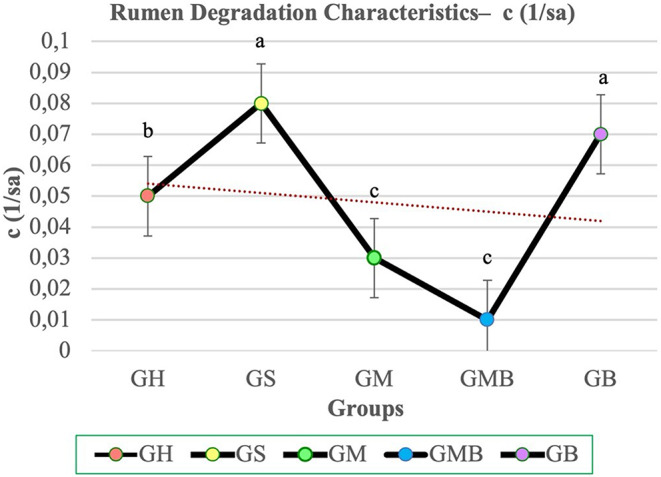 Figure 6
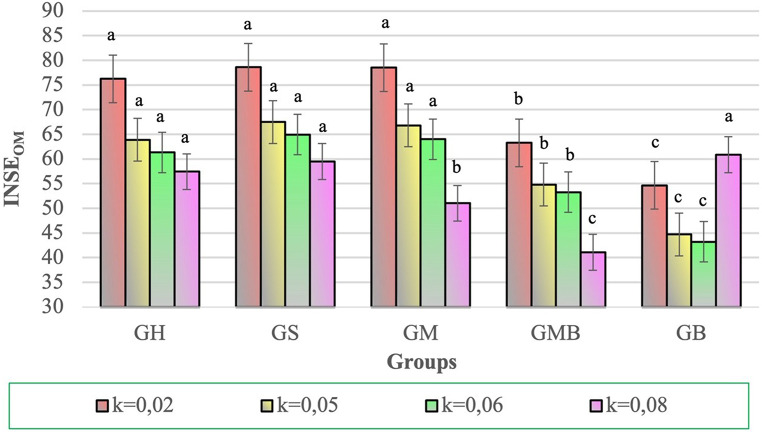 Figure 7
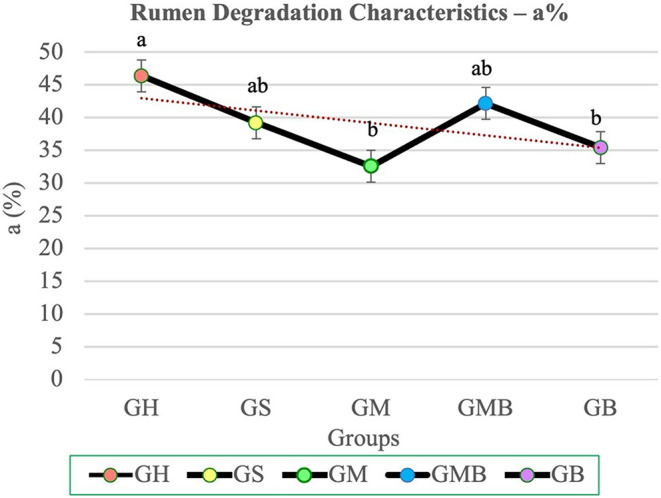 Figure 8
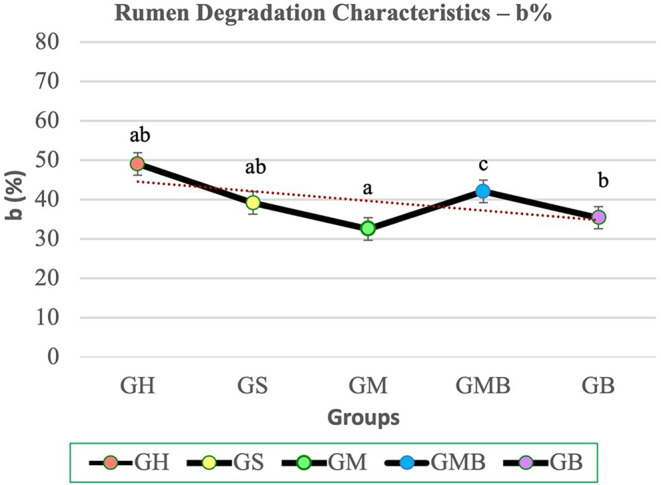 Figure 9
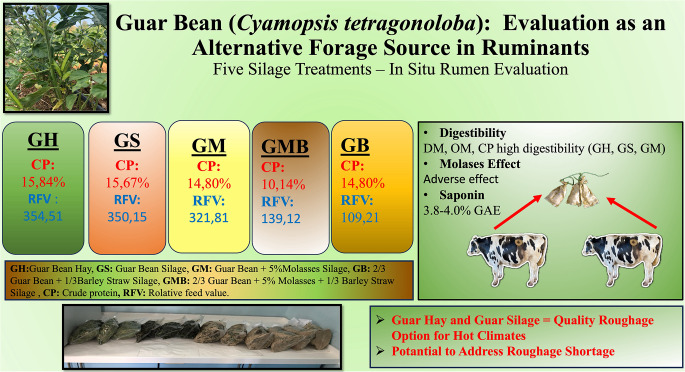 Figure 16
Peer Reviews
No public reviews on file for this paper yet. If you reviewed it on a platform where reviews are public (OpenReview, ICLR, NeurIPS, ICML), you can paste yours below so the community can read it here.
Videos
No videos yet. Explain this paper in a talk, walkthrough, or lecture? Add one.
Taxonomy
TopicsRuminant Nutrition and Digestive Physiology · Polysaccharides Composition and Applications · Food composition and properties