Absolute Bioavailability of Oxaliplatin After Intraperitoneal Administration by Electrostatic Pressurized Intraperitoneal Aerosol Chemotherapy (ePIPAC): Systemic Pharmacokinetics of the CRC-PIPAC-II Trial
Teun B. M. van den Heuvel, Paulien Rauwerdink, Emma Hulshof, Vincent C. J. van de Vlasakker, Dirk Jan A. R. Moes, Giulia Pluimakers, Koen P. B. Rovers, Geert-Jan Creemers, Pim J. W. A. Burger, Simon W. Nienhuijs, René J. Wiezer, Robin J. Lurvink, Djamila Boerma

TL;DR
This study finds that oxaliplatin administered via a new intraperitoneal method enters the bloodstream significantly, suggesting it's not just a local treatment.
Contribution
This is the first study to measure the systemic absorption of oxaliplatin via electrostatic pressurized intraperitoneal aerosol chemotherapy in humans.
Findings
The median bioavailability of oxaliplatin after ePIPAC-OX was 48%.
Systemic exposure to oxaliplatin was substantial after intraperitoneal administration.
Most patients experienced acute sensory neuropathy after ePIPAC-OX.
Abstract
Pressurized intraperitoneal aerosol chemotherapy (PIPAC) offers a localized palliative treatment option for patients with colorectal peritoneal metastases (CPM), often combined with systemic therapy to maximize anti-tumor efficacy. This study on the pharmacokinetics of oxaliplatin-based PIPAC with electrostatic precipitation (ePIPAC-OX) aimed to determine the absolute bioavailability of oxaliplatin in plasma after ePIPAC-OX with reference to systemic therapy and to gain insights for optimizing therapy. This analysis included patients of the recently published CRC-PIPAC-II study, who received three cycles of oxaliplatin-based systemic therapy and ePIPAC-OX for unresectable CPM. Whole-blood and plasma ultrafiltrate samples were collected at five to six time points after both intravenous oxaliplatin and ePIPAC-OX. Pharmacokinetics were analyzed using population modeling. Absolute…
Genes, proteins, chemicals, diseases, species, mutations and cell lines named across the full text — each resolved to its canonical identifier and authoritative record.
Click any figure to enlarge with its caption.
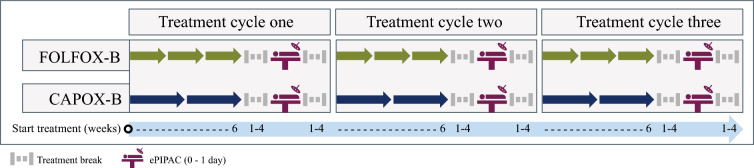 Figure 1
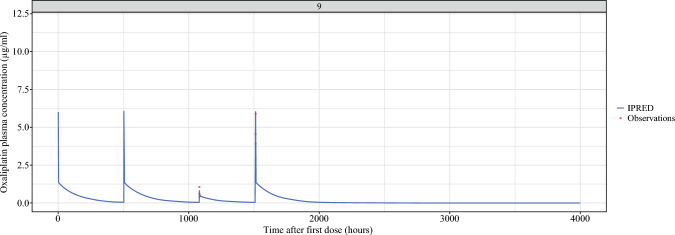 Figure 2
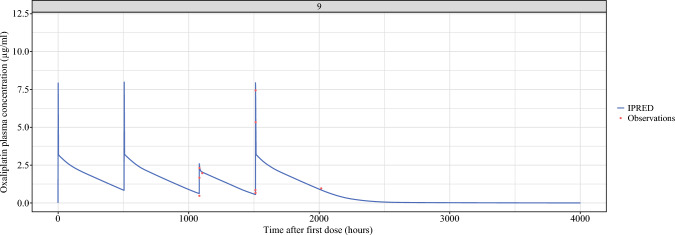 Figure 3
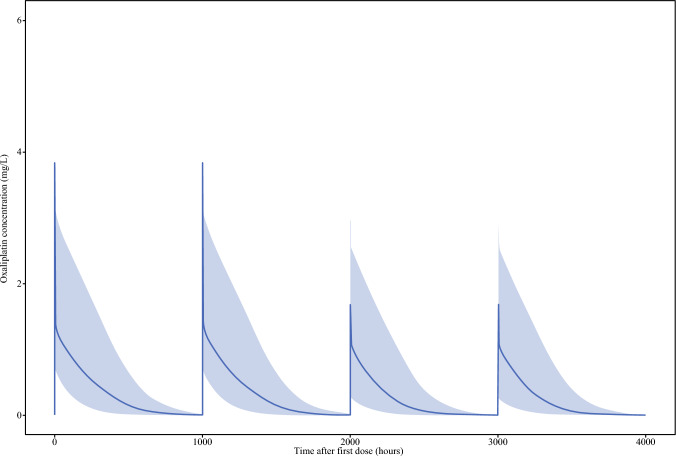 Figure 4
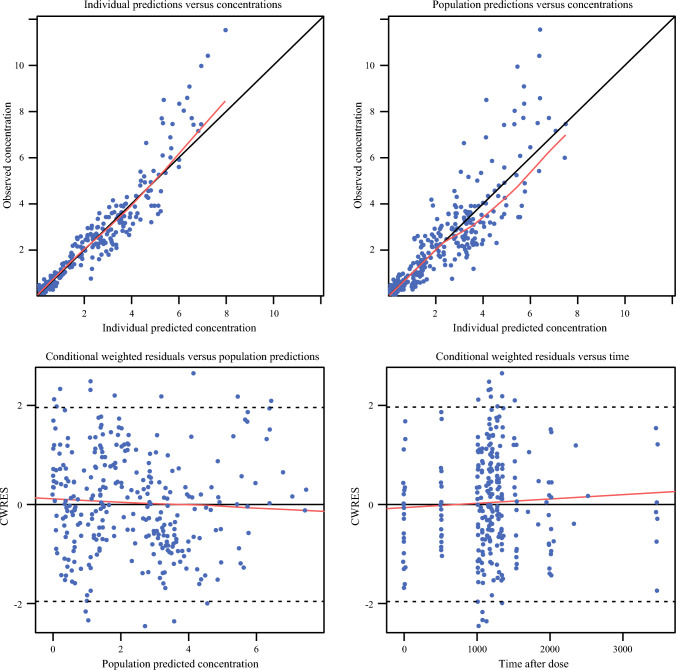 Figure 5
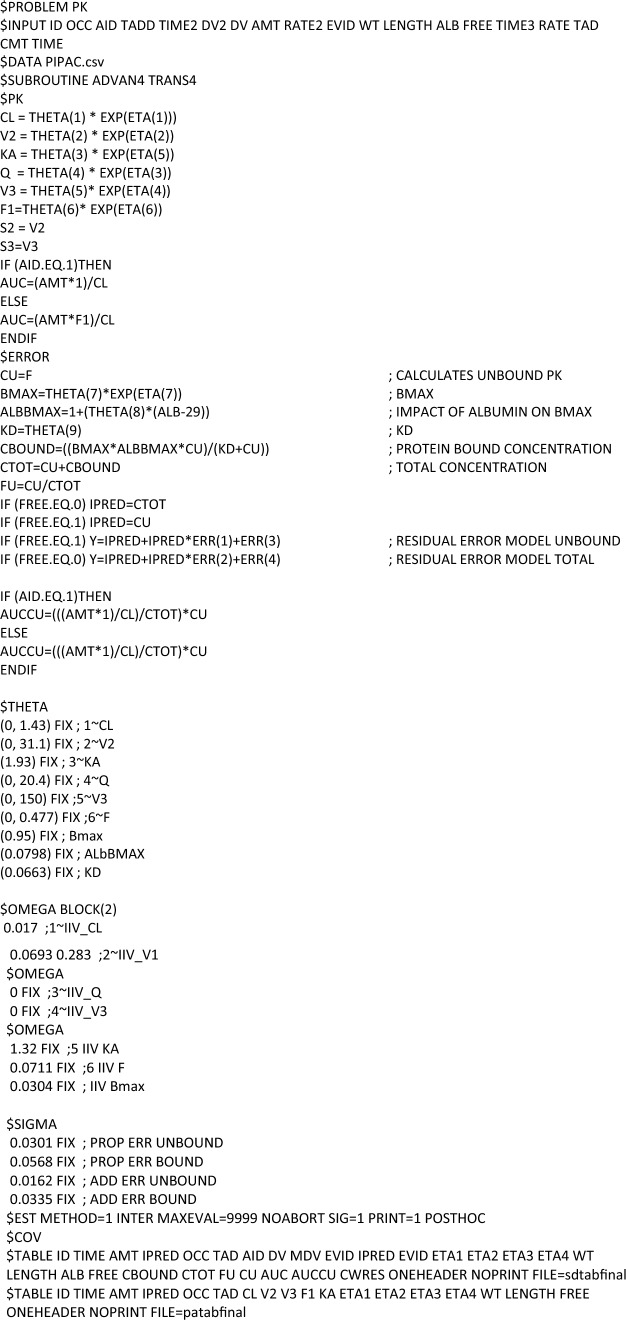 Figure 6
Peer Reviews
No public reviews on file for this paper yet. If you reviewed it on a platform where reviews are public (OpenReview, ICLR, NeurIPS, ICML), you can paste yours below so the community can read it here.
Videos
No videos yet. Explain this paper in a talk, walkthrough, or lecture? Add one.
Taxonomy
TopicsIntraperitoneal and Appendiceal Malignancies · Hepatocellular Carcinoma Treatment and Prognosis · Occupational and environmental lung diseases