T2 hypointense lesions in the parapharyngeal space: a diagnostic challenge
Edith Vassallo, Emma Tabone, Reuben Grech, Marco Ravanelli, Ivan Zorza, Valerio Mazza, Giulia Petrilli, Lorenzo Ugga, Davide Farina, Roberto Maroldi, Minerva Becker

TL;DR
This paper discusses the diagnostic challenges of rare T2 hypointense lesions in the parapharyngeal space and proposes a method to improve diagnosis.
Contribution
The paper introduces a diagnostic algorithm for T2 hypointense parapharyngeal space lesions to avoid unnecessary biopsies.
Findings
T2 hypointense lesions in the parapharyngeal space are rare and pose a diagnostic challenge.
A diagnostic algorithm is proposed to aid in the identification of these lesions.
Radiological findings and histological correlations are highlighted for better diagnosis.
Abstract
The parapharyngeal space is a complex anatomical site in the head and neck which may harbour clinically occult pathology given its deep-seated location. The vast majority of parapharyngeal space lesions are of intermediate or hyperintense signal on T2W sequences. This review focuses on T2 hypointense parapharyngeal space lesions which are rare and may constitute a diagnostic dilemma. We present the differential diagnosis of these lesions, highlighting the pertinent radiological findings and identifying a histological correlation for the low T2 signal. A brief discussion of the physics principles accounting for these imaging features is also included. We propose a diagnostic algorithm to facilitate diagnosis and avoid unnecessary biopsy, whenever possible.
Genes, proteins, chemicals, diseases, species, mutations and cell lines named across the full text — each resolved to its canonical identifier and authoritative record.
Click any figure to enlarge with its caption.
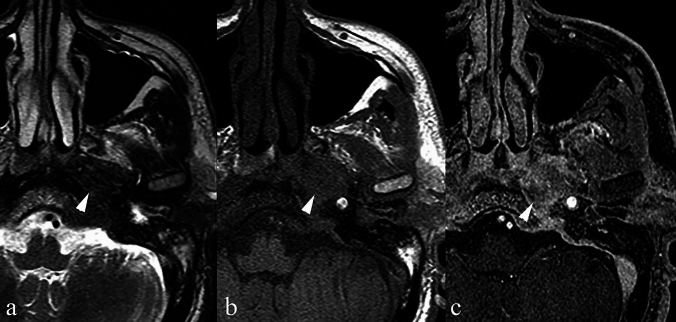 Figure 10
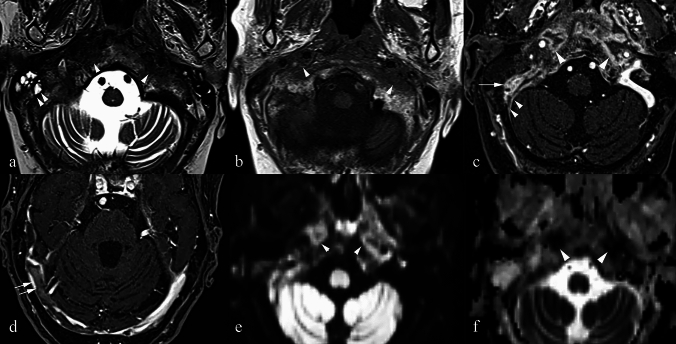 Figure 11
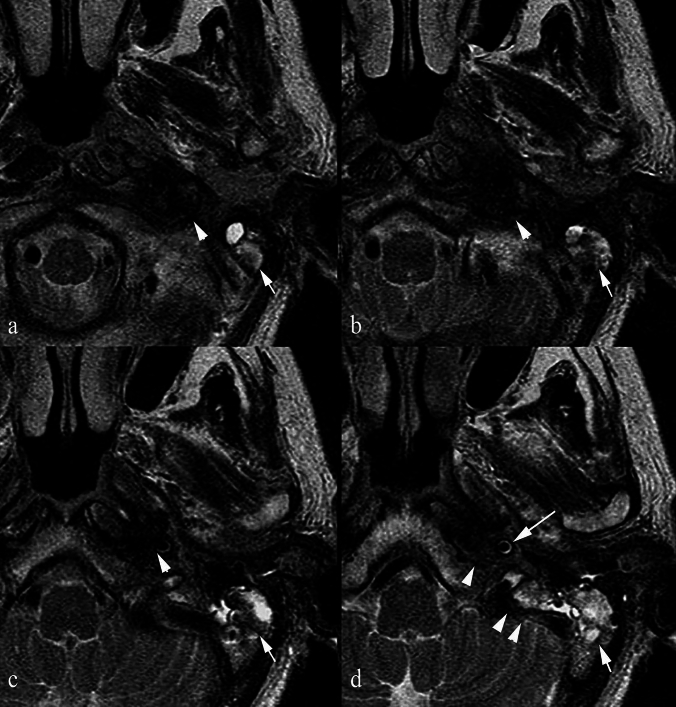 Figure 12
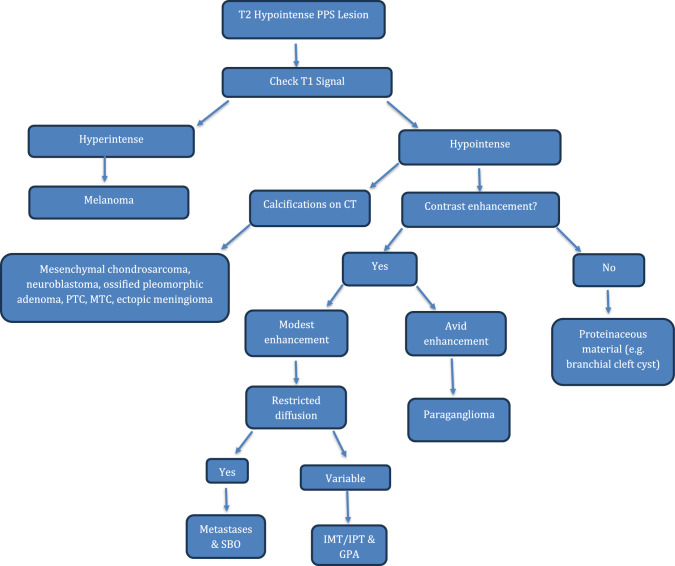 Figure 13
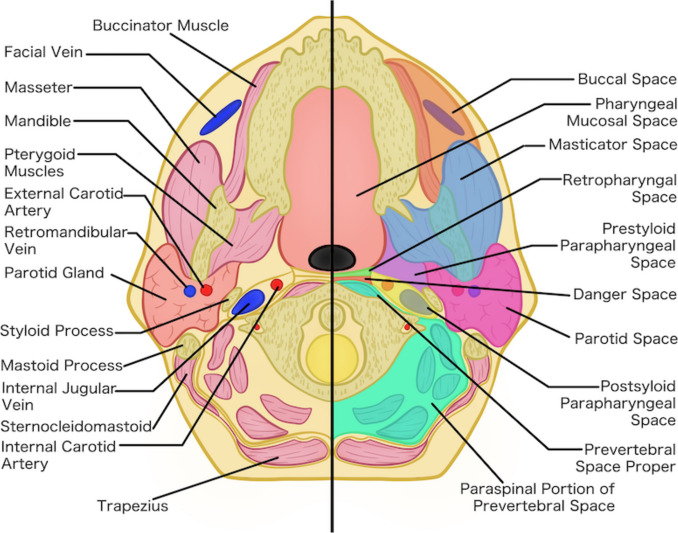 Figure 1
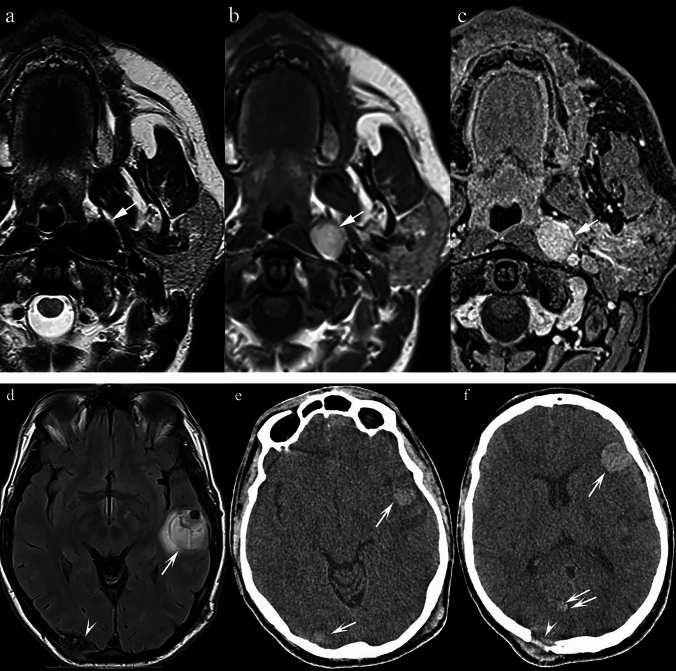 Figure 2
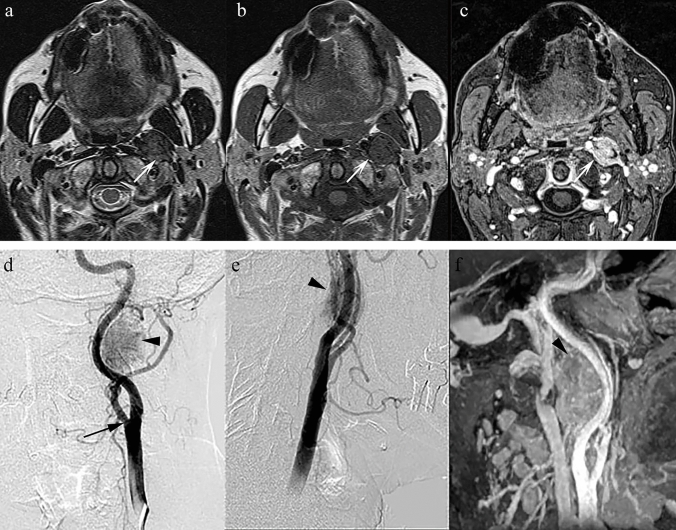 Figure 3
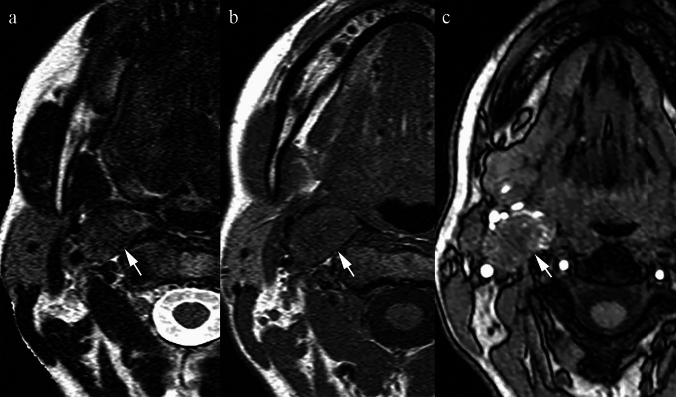 Figure 4
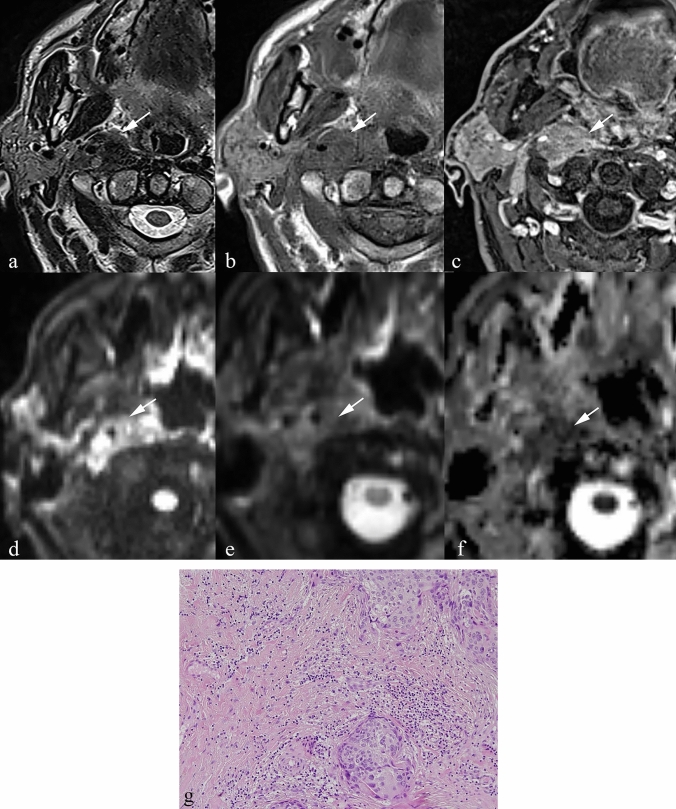 Figure 5
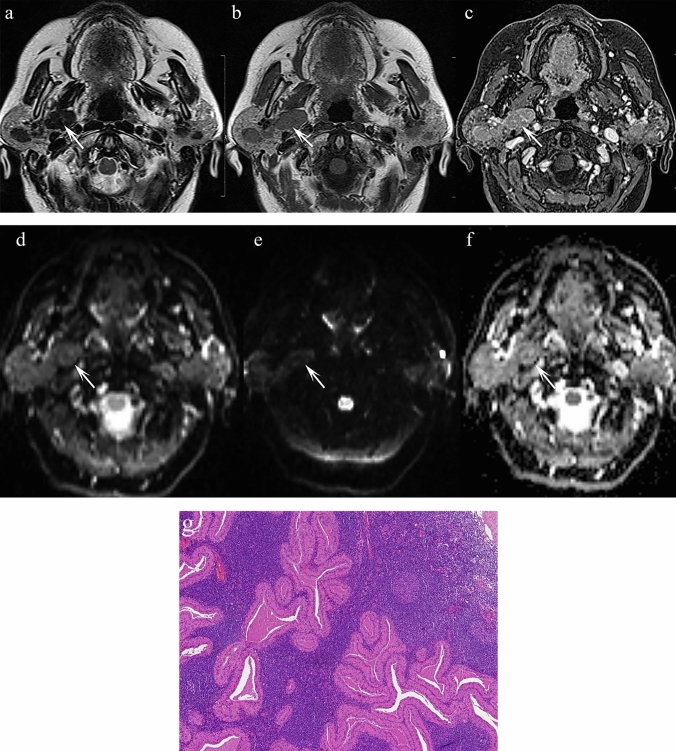 Figure 6
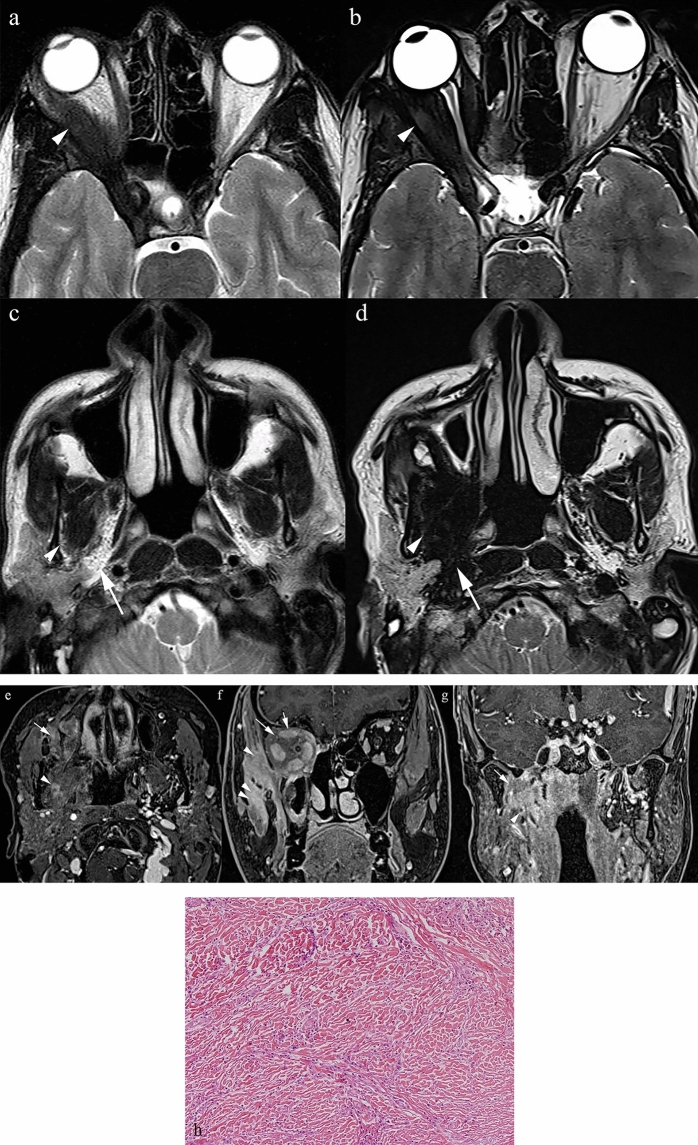 Figure 7
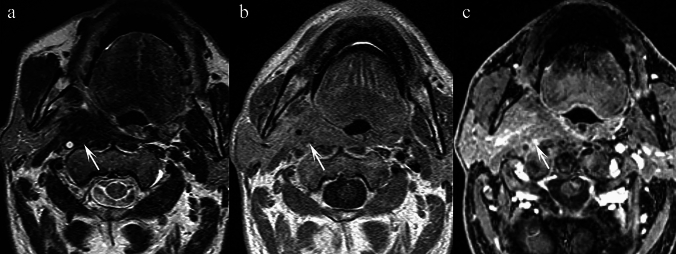 Figure 8
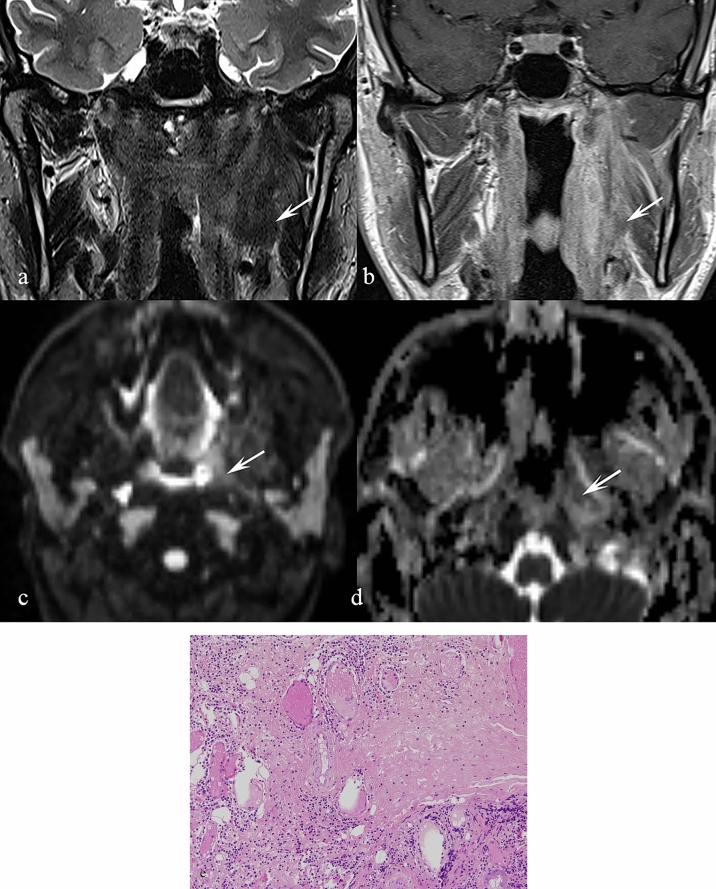 Figure 9
Peer Reviews
No public reviews on file for this paper yet. If you reviewed it on a platform where reviews are public (OpenReview, ICLR, NeurIPS, ICML), you can paste yours below so the community can read it here.
Videos
No videos yet. Explain this paper in a talk, walkthrough, or lecture? Add one.
Taxonomy
TopicsSalivary Gland Tumors Diagnosis and Treatment · Head and Neck Anomalies · Otolaryngology and Infectious Diseases